
25+ Best Ways to Say Maligayang Kaarawan Kuya: The Ultimate Guide
Celebrating your older brother is a meaningful and heartfelt occasion in Filipino culture. Saying Maligayang Kaarawan Kuya is more than just a birthday greeting —…
Celebrating your older brother is a meaningful and heartfelt occasion in Filipino culture. Saying Maligayang Kaarawan Kuya is more than just a birthday greeting —…
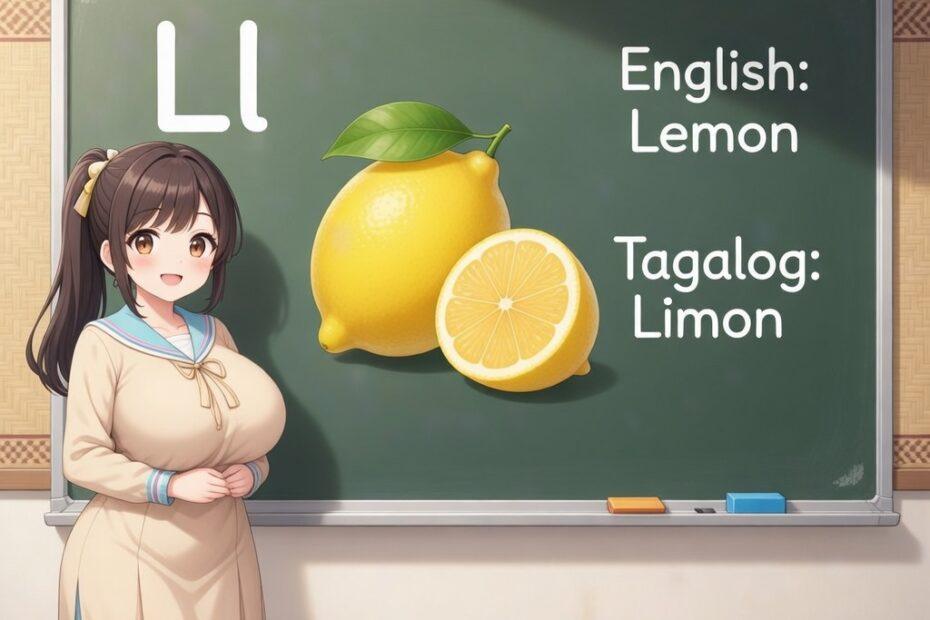
Lemon in Tagalog is called limon. In Filipino kitchens and households, limon is a well-known citrus fruit valued for its bright, sour flavor and wide…
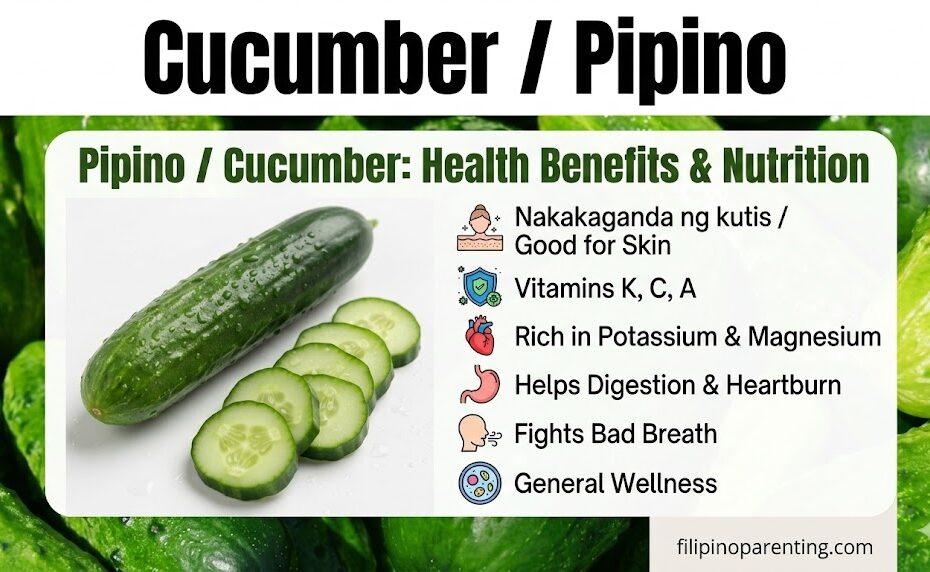
In the Philippines, a meal isn’t just about protein; it’s about the sawsawan (dipping sauce) and the fresh sides that cut through the richness. Cucumber…
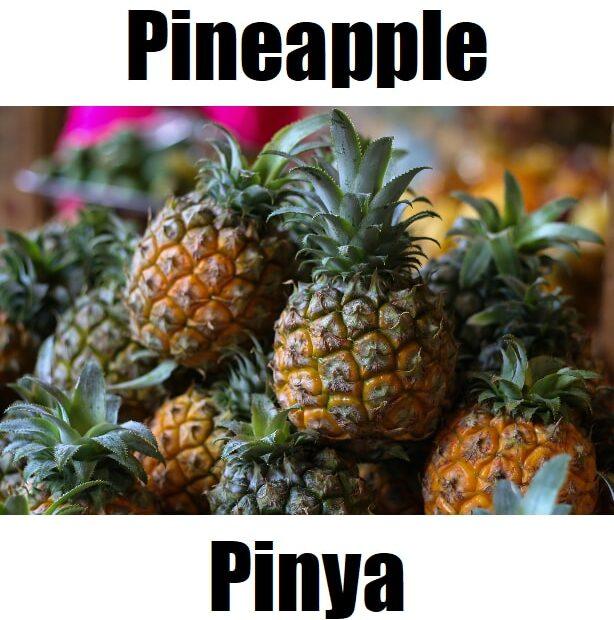
Pineapple in Tagalog is called pinya. If you’re learning Filipino, understanding how to say pineapple in Tagalog will help you expand your fruit vocabulary and…
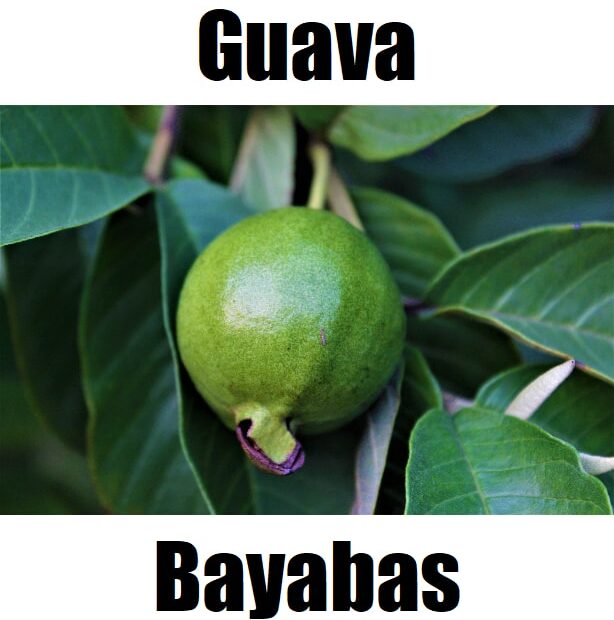
Guava in Tagalog is called bayabas. Bayabas is a popular, nutrient-rich tropical fruit widely grown in the Philippines. It typically has green-to-yellow skin and pinkish…
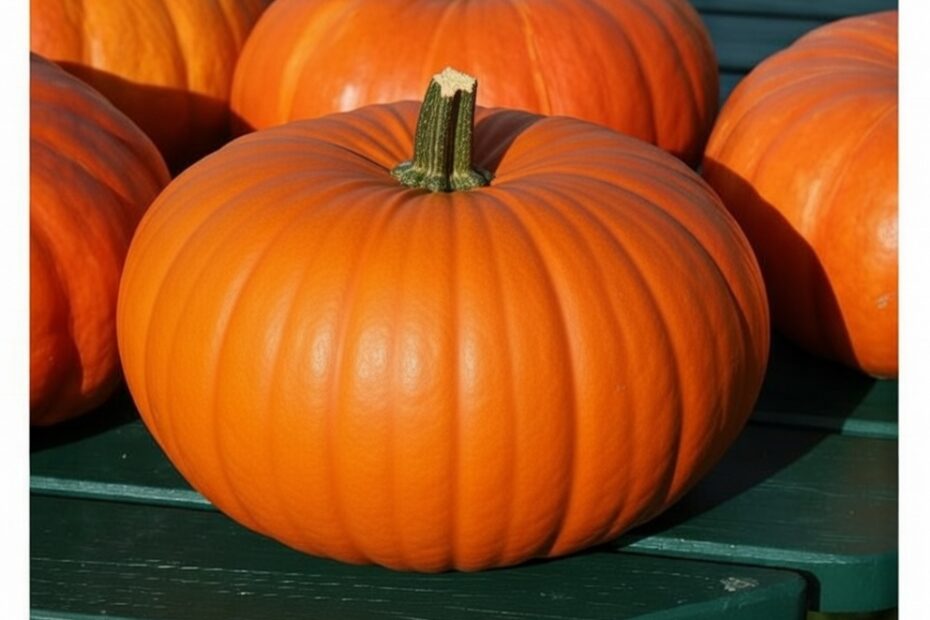
Pumpkin in Tagalog is called kalabasa. In the Philippines, kalabasa is a commonly used vegetable-fruit in many traditional dishes. Although it is often treated as…
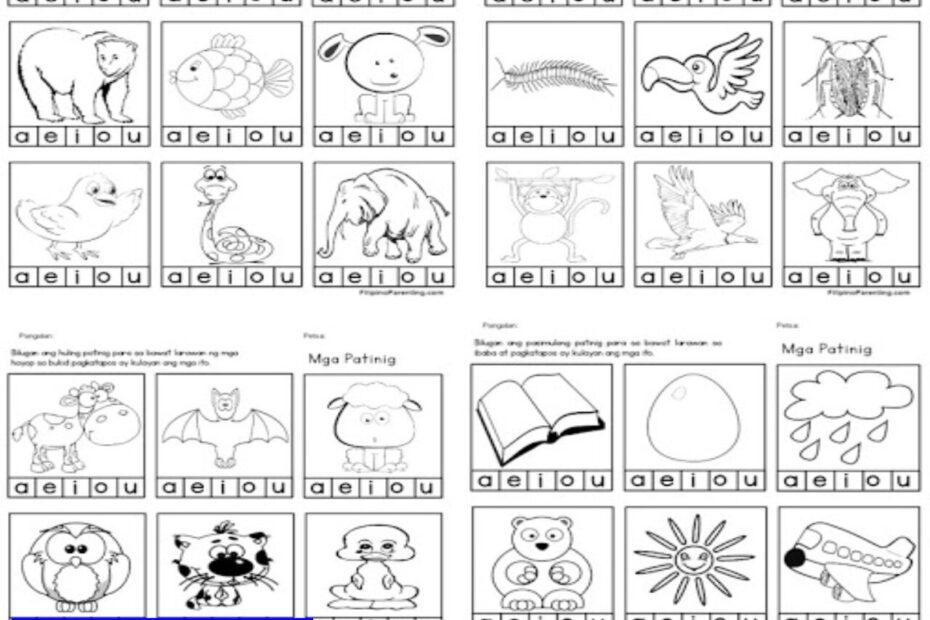
Magandang araw sa inyong lahat. Ngayon, pag‑aaralan natin ang tungkol sa mga patinig — the vowels of the Filipino alphabet.Sa Alpabetong Filipino, ang mga…

Understanding how to express feelings is a core part of mastering the language and connecting deeply with Filipino culture. Whether you are a beginner or…

In Tagalog, the word religion is translated as relihiyon or pananampalataya. Both words are commonly used in everyday conversation, especially in a country like the…

Shopping in the Philippines is never just “shopping.” It’s a whole vibe — the noise of the palengke, the smell of fresh prutas, the tita…
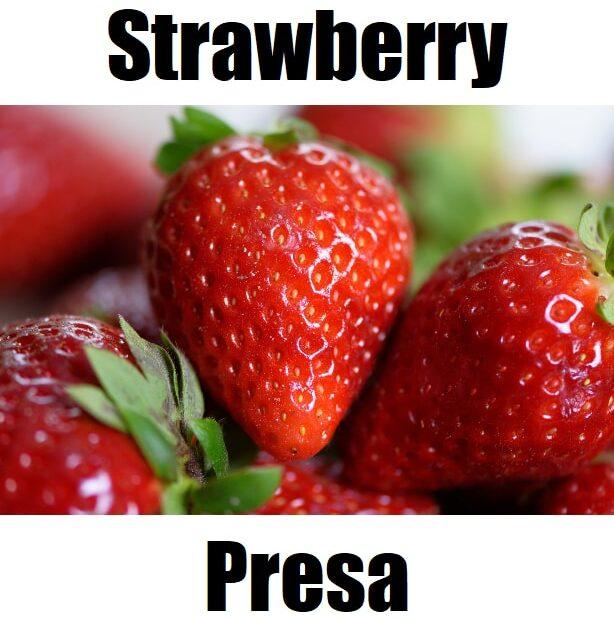
Strawberry in Tagalog is commonly called presas. If you’re learning Filipino, knowing the local names of fruits is a simple but powerful way to build…
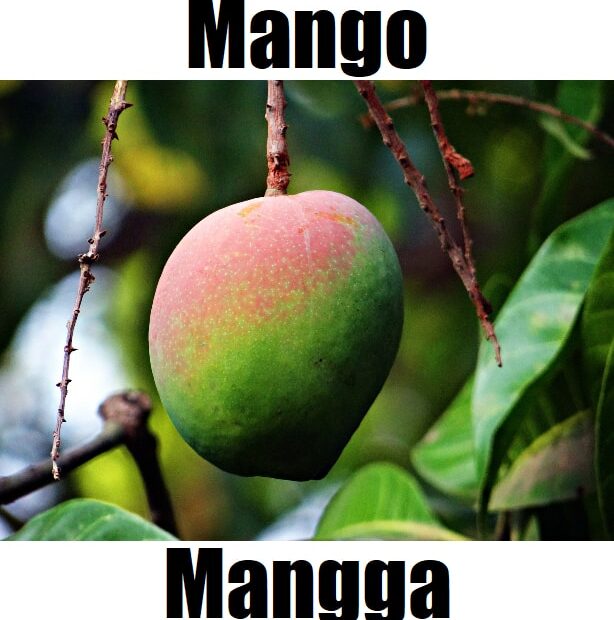
Mango in Tagalog is called mangga. If you are learning Filipino, knowing how to say mango in Tagalog is very useful because mangoes are one…

Banana in Tagalog is called saging. If you’re learning Filipino, knowing how to say banana in Tagalog is essential. Bananas are one of the most…

Avocado in Tagalog is called abokado (also commonly spelled abukado). If you’re learning Filipino, knowing how to say avocado in Tagalog is useful, especially since…
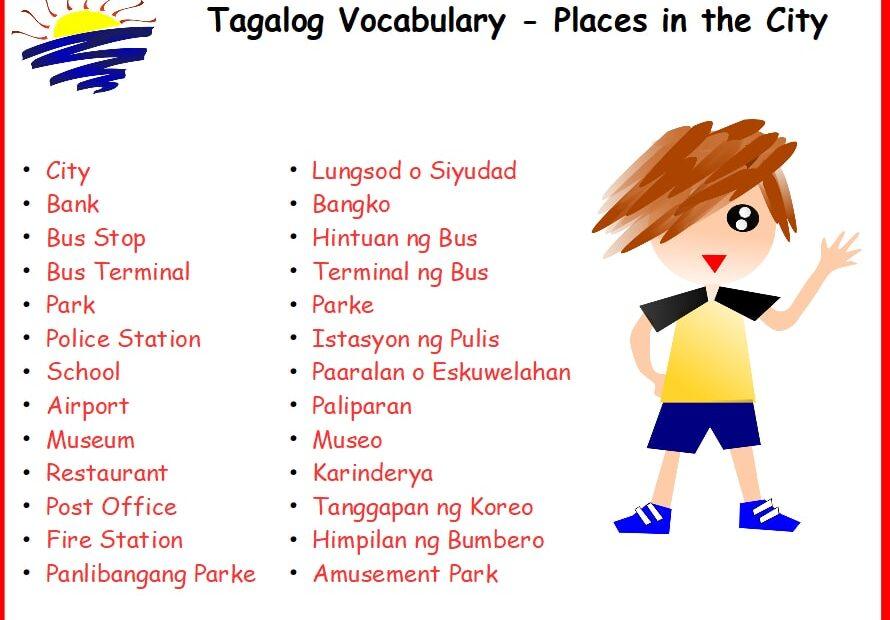
In Tagalog, the word city is translated as lungsod or siyudad.Cities are filled with important places such as schools, hospitals, parks, and transportation hubs. Learning…
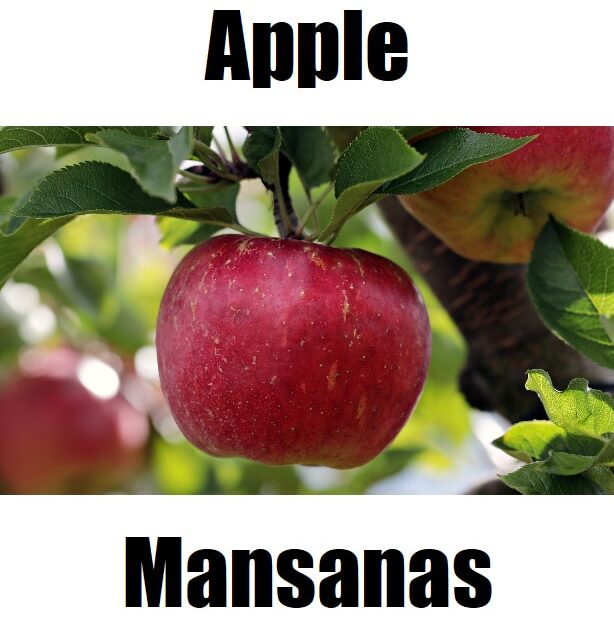
Apple in Tagalog is called mansanas. The word mansanas is a noun borrowed from the Spanish word manzana. Although many Filipinos understand and sometimes use…

Sleep in Tagalog is spelled pagtulog. Sleep is an essential part of daily life, and the word pagtulog is commonly used in Tagalog conversations when…
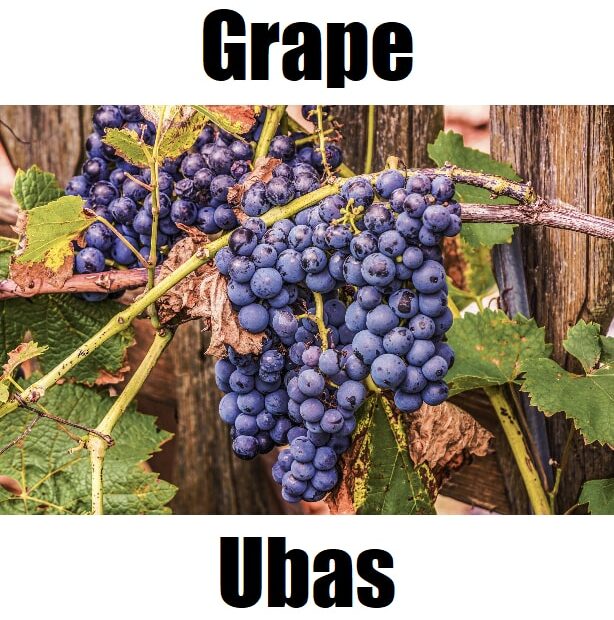
Grape in Tagalog is called ubas. If you are learning Filipino, knowing how to say grape in Tagalog is helpful for daily conversations, grocery shopping,…

Magandang umaga! Breakfast — or almusal — is a big part of Filipino culture. From hearty silog meals to warm porridge and freshly baked bread,…

Farming in Tagalog is spelled pagsasaka. Farming is an important part of daily life in the Philippines, and the word pagsasaka is commonly used when…
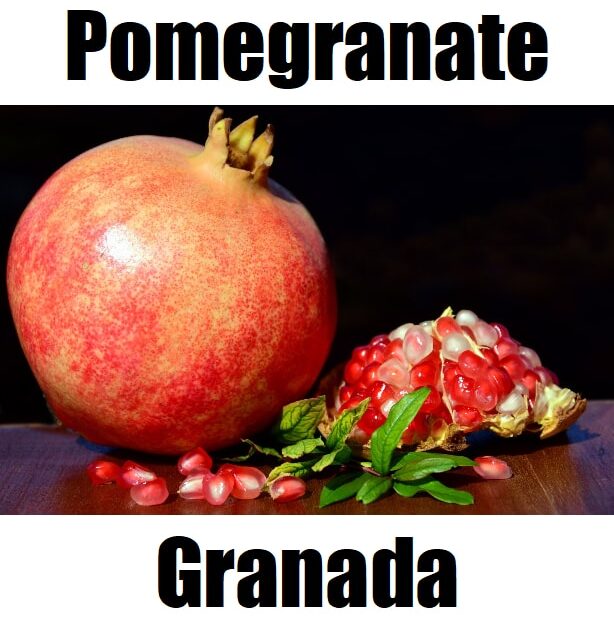
Pomegranate in Tagalog is called granada. If you’re learning Filipino, knowing how to say pomegranate in Tagalog is a great way to expand your fruit…
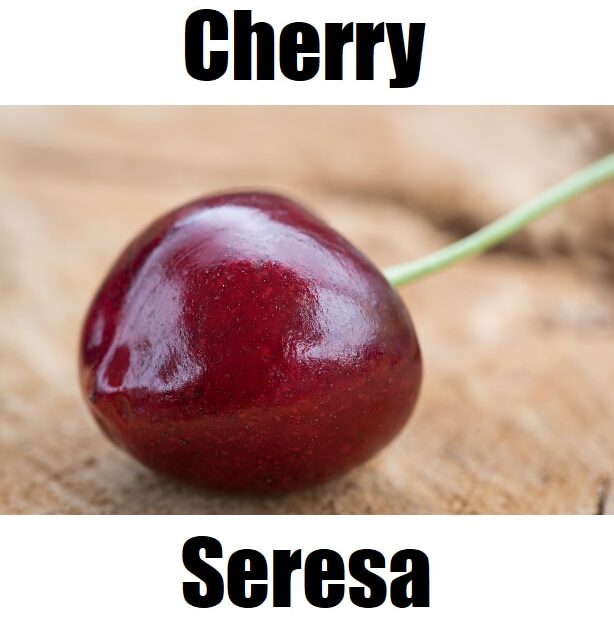
Cherry in Tagalog is called seresa. The Tagalog word for cherry is seresa, which is derived from Spanish. Since cherries are not native to the…

Science in Tagalog, commonly known as Agham or Siyensya, is the systematic study of the natural world through observation, experimentation, and analysis. These science terms…
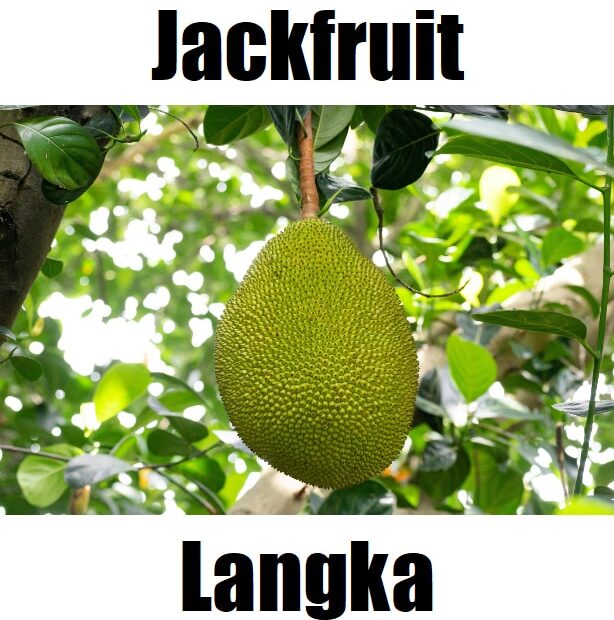
Jackfruit in Tagalog is called langka. If you are learning Filipino, knowing how to say jackfruit in Tagalog will help you expand your fruit vocabulary…
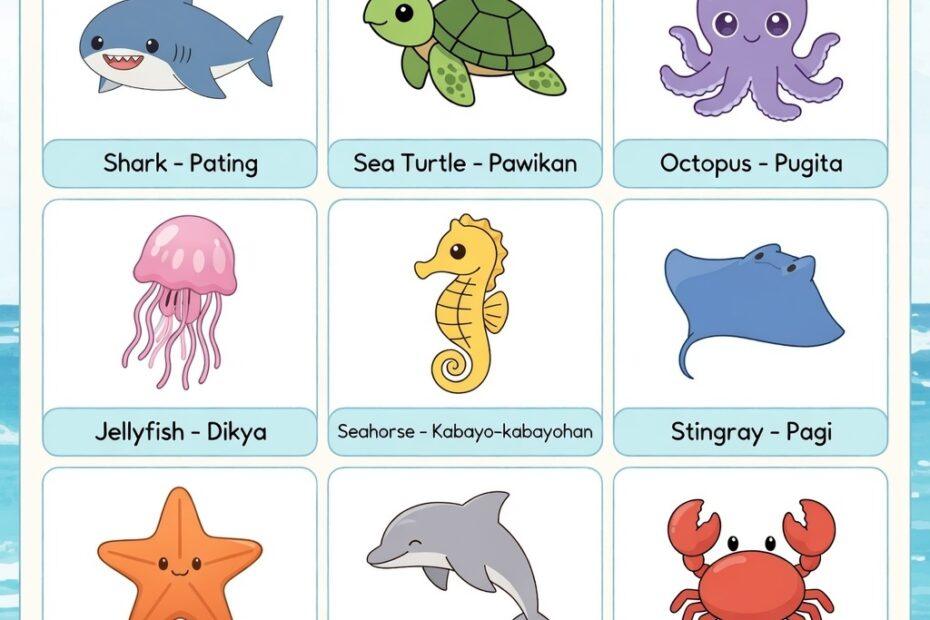
The Philippines is an archipelago of 7,641 islands, surrounded by some of the richest marine biodiversity on Earth. Because of this deep connection to the…
Tomato in Tagalog is spelled kamatis. Tomatoes are common ingredients in everyday meals, sauces, and side dishes, making kamatis a frequently used word in daily…
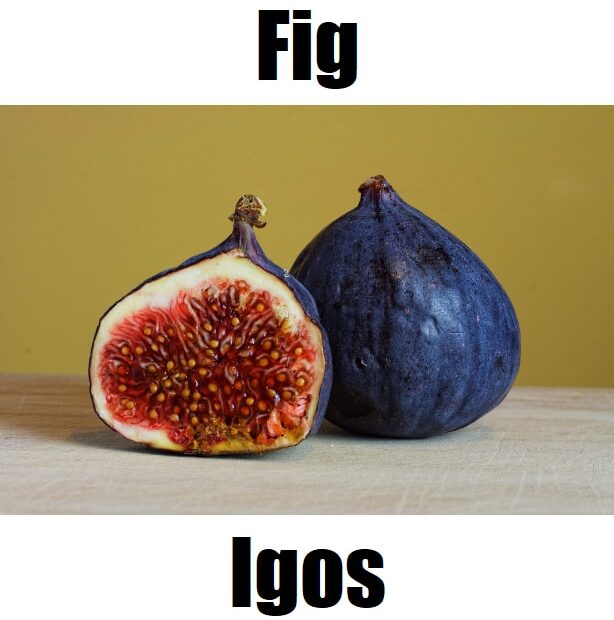
If you are learning Filipino, knowing how to say fig in Tagalog helps you expand your fruit vocabulary and understand plant-related terms used in daily…
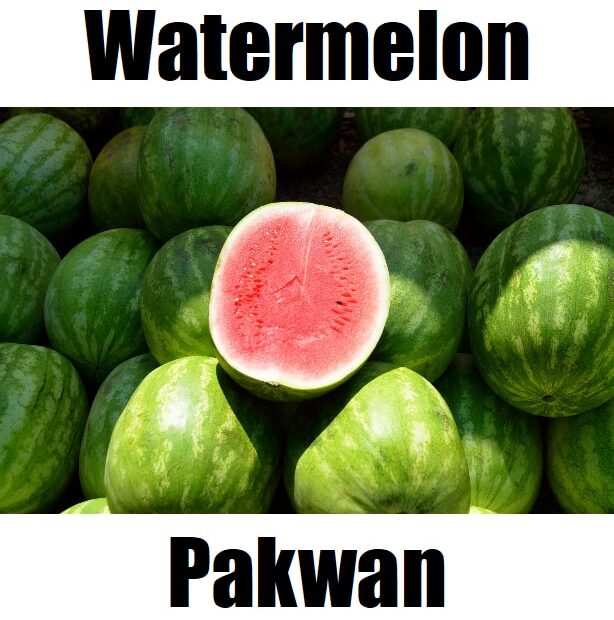
Watermelon in Tagalog is called pakwan. If you’re a college student or language learner studying Filipino, knowing how to say watermelon in Tagalog is practical…

Cat in Tagalog is spelled pusa. A pusa is a common household animal and one of the most frequently mentioned pets in daily Filipino conversations,…
Dinosaurs in Tagalog are spelled dinosauro, dinosawriyo, or bayawak-kilabot. Dinosaurs are prehistoric creatures that lived on Earth millions of years ago, long before humans existed.…

In daily life in the Philippines, tools are essential for simple home repairs, carpentry, gardening, and even large community projects. From hammers and saws to…

I can still remember walking home on a very dark and cold evening. As I pushed our front gate open, I noticed tiny glowing lights…

In Tagalog, a wolf is called lobo (pronounced lo‑bo). Wolves are wild dogs that live and thrive in forests, mountains, and cold wilderness regions. They…
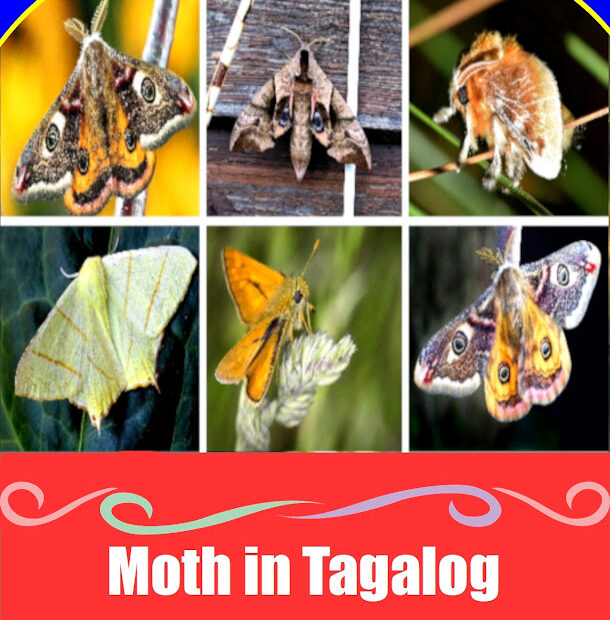
The word moth in Tagalog is gamu-gamo. This common Filipino term refers to the small flying insect often seen at night, especially around lights. When…
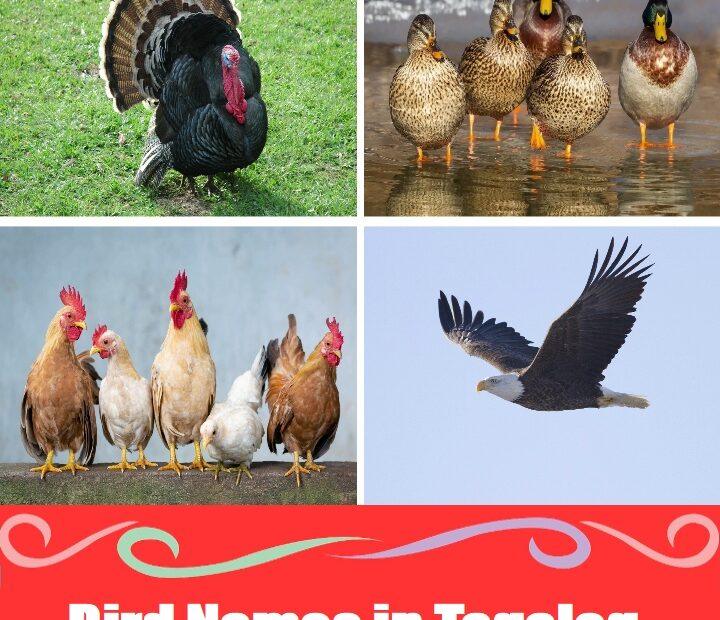
Birds in Tagalog are called ibon, spelled I-B-O-N. The word ibon means “bird” in English and is one of the most common animal vocabulary words…

In Tagalog, a deer is called usa (pronounced oo‑sa). Deer are quiet, gentle wild animals that live in grasslands, forests, and prairies. They eat grass,…

Shapes are some of the first vocabulary words children learn in school, and they remain useful throughout daily life. In Tagalog, shapes are called mga…
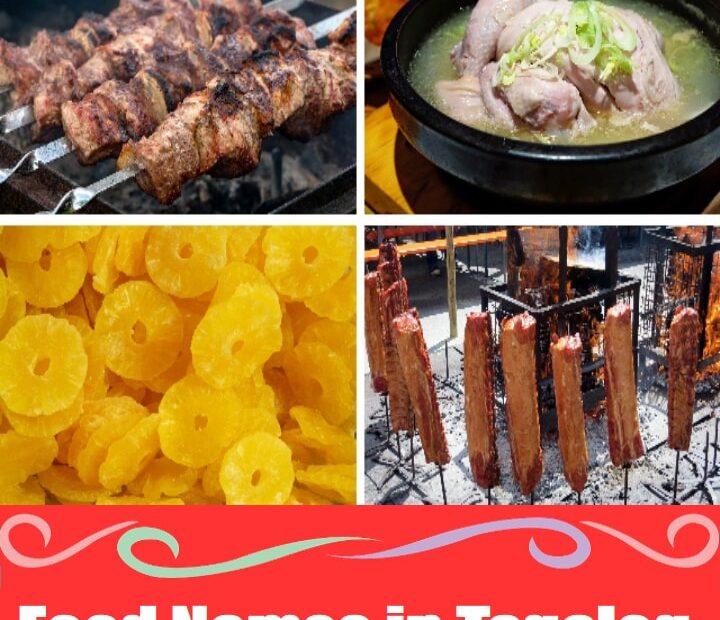
Filipino Foods in Tagalog are more than just words on a menu — they reflect a way of life that shapes the rhythm of each…

If you are looking to say fox in Tagalog, the word you need is soro. While foxes aren’t native to the Philippines, the word soro…

Yes or No in Tagalog is spelled oo o hindi. Yes and no are among the most basic and commonly used words in daily conversation.…
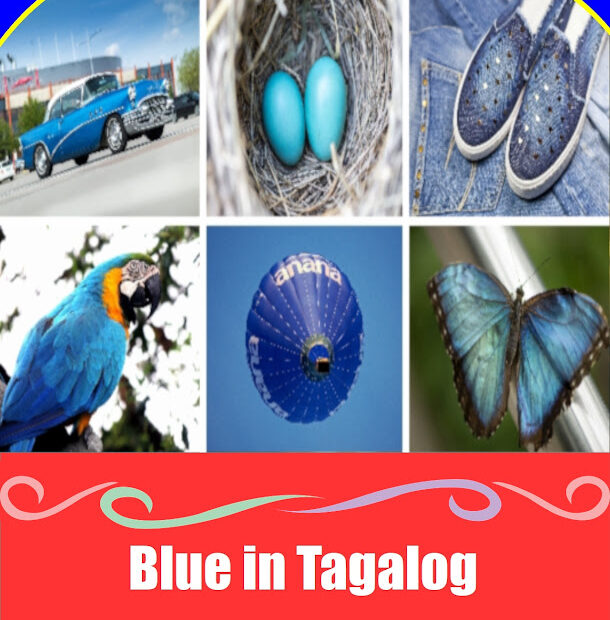
Blue in Tagalog is spelled asul or bughaw. Both asul and bughaw mean the color blue in English. Asul is commonly used in everyday conversation,…

Christmas in the Philippines — known as Pasko — is a season filled with joy, family gatherings, and of course, delicious Filipino food. The holiday…
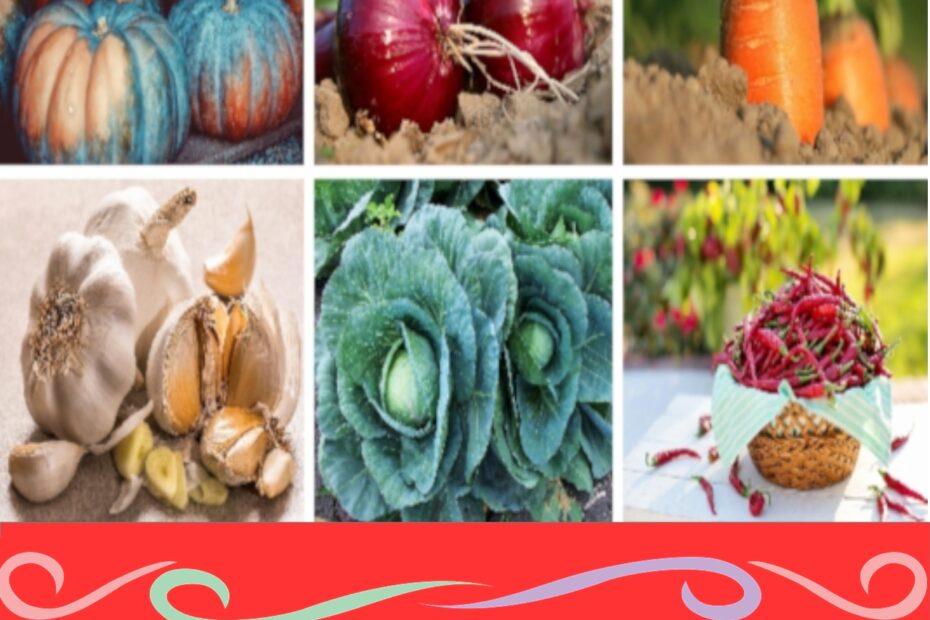
Vegetables in Tagalog: More Than Just Food Vegetables in Tagalog are called gulay, but in the Philippines, gulay means much more than edible plants on…

Learning how to count in Tagalog is one of the easiest and most useful things for beginners. Whether you’re teaching your kids Filipino at home,…

Beautiful in Tagalog is spelled Maganda. If you’re wondering how to say beautiful in Tagalog, the most common word is maganda. It’s one of the…
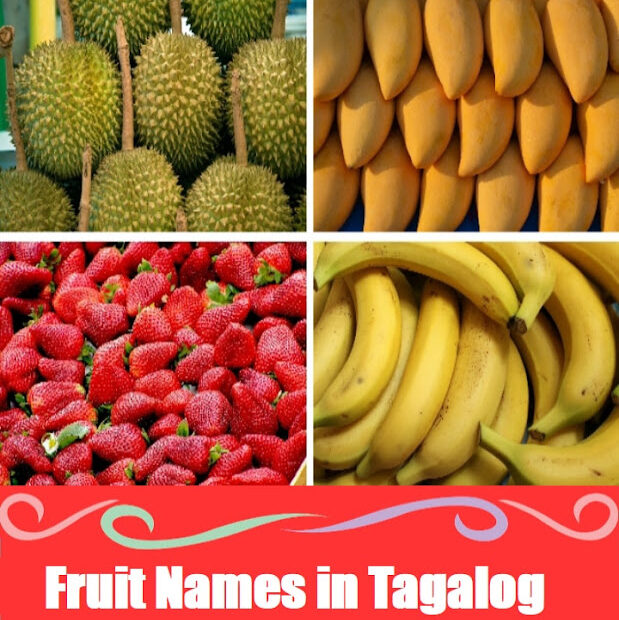
Tagalog fruit names are commonly referred to as mga prutas in the Filipino language. Learning these words is an essential step in building your everyday…

Learning the Tagalog Months of the Year is more than just memorizing a list—it’s a glimpse into Filipino culture, history, and the unique rhythm of…

The Filipino family — pamilya — is the heart of our culture. It is where love, respect, and values are first learned. Whether simple or…

Learning the days of the week in Tagalog is one of the easiest ways to start building your Filipino vocabulary. Whether you’re studying the language,…

The Philippines may be known for its beaches and islands, but there is also something deeply nostalgic about visiting a zoo. Many Filipinos remember their…

If you want to comfort someone who’s sick in Tagalog, the most common phrase you’ll hear is “Magpagaling ka,” which means “Get well soon.” It’s…