If you are learning Filipino, knowing how to say fig in Tagalog helps you expand your fruit vocabulary and understand plant-related terms used in daily conversations. For students and language learners, building vocabulary around common fruits like igos makes it easier to talk about food, health, markets, gardening, and even school lessons about plants and nutrition.
Learning simple words such as igos also strengthens your confidence in forming basic sentences. You can practice describing its color, taste, seeds, or health benefits using Tagalog adjectives and verbs. This kind of practical vocabulary helps you move beyond memorization and start using the language naturally.
For beginners, fruit names are a great starting point because they are easy to remember and often used in everyday life. For intermediate learners, adding related terms—like halaman (plant), butil (seed), or Bitamina C—helps deepen your understanding of Filipino sentence structure and word connections.
The more you connect new words like igos to real-life situations, the faster your Tagalog skills will grow. Keep practicing, form your own example sentences, and try using the word in conversations whenever possible.
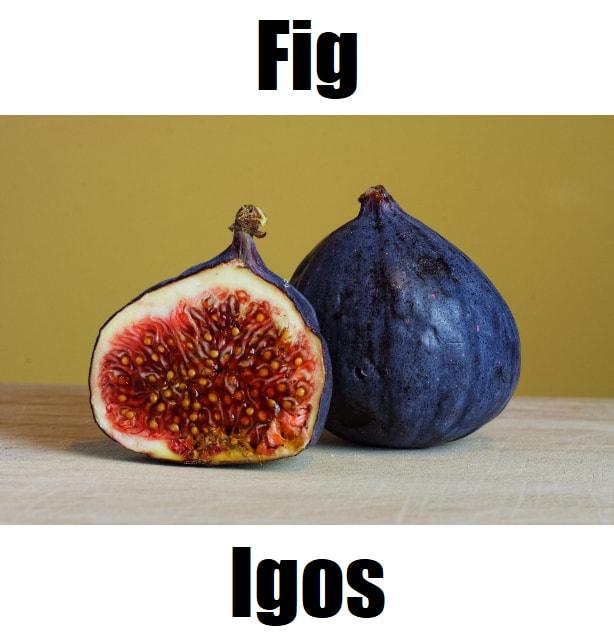
Table of Contents
What Is Fig in Tagalog?
The Tagalog word for the fruit fig is igos.
When referring to the tree, it is called puno ng igos or punong igos.
In some local Philippine contexts, certain native species under the fig genus (Ficus) are also commonly called tibig. These are related varieties within the same plant family.
Fig Vocabulary Words in Tagalog
Expanding your vocabulary is one of the most effective ways to improve your Tagalog skills. Learning words related to fig (igos) helps you talk about fruits, plants, farming, nutrition, and everyday topics more confidently. These terms are especially useful for students, language learners, and anyone who wants to describe food and nature in Filipino.
Below are common vocabulary words related to fig:
| # | English | Tagalog |
|---|---|---|
| 1 | Fig | Igos |
| 2 | Fruit | Prutas |
| 3 | Seed | Butil |
| 4 | Plant | Halaman |
| 5 | Flower | Bulaklak |
| 6 | Vitamin C | Bitamina C |
| 7 | Healthy | Masustansya |
| 8 | Food | Pagkain |
| 9 | Orchard | Lagwerta |
| 10 | Purple | Lila |
| 11 | Garden | Hardin |
| 12 | Farm | Bukid |
| 13 | Planting | Pagtatanim |
| 14 | Farming | Pagsasaka |
| 15 | Tree | Puno |
By studying and practicing these words, you will not only remember how to say igos in Tagalog but also learn how to describe its color, parts, health benefits, and how it is grown. Try using these vocabulary words in simple sentences to strengthen your understanding. The more you practice, the more natural your Tagalog conversations will become.
Fig Example Phrases in Tagalog
One of the best ways to improve your Tagalog skills is by practicing complete and meaningful sentences. These fig example phrases show how the word igos is naturally used in everyday conversations. By reading, repeating, and understanding these examples, students and language learners can improve grammar, pronunciation, and sentence structure while building confidence in speaking.
Here are your sentences refined for smoother and more natural grammar:
- Figs only grow in places that are dry and hot.
Ang mga igos ay tumutubo lamang sa mga lugar na tuyot at mainit. - The leaves of a fig tree are rough and broad.
Ang mga dahon ng puno ng igos ay magaspang at malapad. - Figs are used in making bread.
Ang igos ay ginagamit sa paggawa ng tinapay. - The peel of a ripe fig is purple or brown.
Ang balat ng hinog na igos ay maaaring kulay lila o kayumanggi. - A fig is a fruit that can easily rot.
Ang igos ay isang prutas na madaling mabulok. - Figs are eaten fresh or dried.
Ang mga igos ay kinakain nang sariwa o pinatuyo. - My mother baked a fig pie for dessert.
Ang aking ina ay naghurno ng pastel na igos para sa panghimagas. - Figs are used in cooking.
Ang mga igos ay ginagamit sa pagluluto. - We have a fig tree in our backyard.
May puno kami ng igos sa aming bakuran. - I like the taste of fresh figs.
Gusto ko ang lasa ng sariwang igos.
Practice saying these sentences aloud and try creating your own using similar patterns. You can change the subject, verb, or adjective to make new examples. Regular practice with simple sentences like these will help you speak Tagalog more naturally and confidently.
Botanical Information
The fig belongs to the genus Ficus, which includes many tropical and subtropical trees.
The common edible fig is scientifically known as Ficus carica.
In the Philippines, some native Ficus species are also referred to locally as tibig, though igos specifically refers to the edible fig fruit.
Why Learn “Fig” in Tagalog?
Learning fig in Tagalog helps you:
- Expand fruit and plant vocabulary
- Understand gardening and farming terms
- Improve reading comprehension in Filipino texts
- Recognize plant names used in cultural or religious contexts
- Speak more confidently about food and agriculture
Frequently Asked Questions (FAQ)
1. What is fig in Tagalog?
Fig in Tagalog is igos.
2. What do you call a fig tree in Tagalog?
A fig tree is called puno ng igos or punong igos.
3. What is the scientific name of the common fig?
The common fig is known scientifically as Ficus carica.
4. Are figs healthy?
Yes. Figs contain fiber, vitamins, and antioxidants, making them a healthy fruit choice.
5. What color is a ripe fig?
A ripe fig may be lila (purple) or kayumanggi (brown), depending on the variety.
Takeaways About Fig in Tagalog (Igos) You Should Remember
Now you know that fig in Tagalog is igos. You’ve learned important vocabulary words, practiced example sentences, and explored its basic botanical background. These small but meaningful lessons help you build a stronger foundation in Filipino.
Remember, language learning becomes easier when you connect new words to real-life situations. Try using igos when talking about fruits, healthy food, gardening, or even desserts. Creating your own sentences and repeating them aloud will improve both your confidence and pronunciation.
Continue practicing fruit names like igos to steadily expand your Tagalog vocabulary and strengthen your everyday conversation skills. With consistent practice, you’ll find yourself understanding and speaking Filipino more naturally over time. Keep learning and enjoy the journey!