
Fitness in Tagalog: 10 Amazing & Essential Terms to Boost Your Pinoy Workout Routine
Fitness in Tagalog words are the heartbeat of a healthy lifestyle for Filipinos across the globe. Imagine the roosters crowing at dawn and your neighbors…
Fitness in Tagalog words are the heartbeat of a healthy lifestyle for Filipinos across the globe. Imagine the roosters crowing at dawn and your neighbors…

Bahay kubo vegetables are the heart of the most famous Filipino folk song, representing the simple and healthy lifestyle of a traditional Pinoy home. Whether…

Tagalog verb conjugation is the heart of every Filipino home, bringing the warmth of our culture into our daily conversations. Whether you are in the…

Exploring the rich language of the Philippines often begins with its unique geography. Since the archipelago is made up of over 7,000 islands, understanding the…

Common Filipino Beef Cuts are the secret to making your home-cooked meals taste like they came straight from a Manila kitchen. “Nagluluto ako ng bistek…

Enye Letter (Ñ) is a cornerstone of our heritage that bridges the gap between our historical roots and our modern identity. “Santo Niño ang dasal…
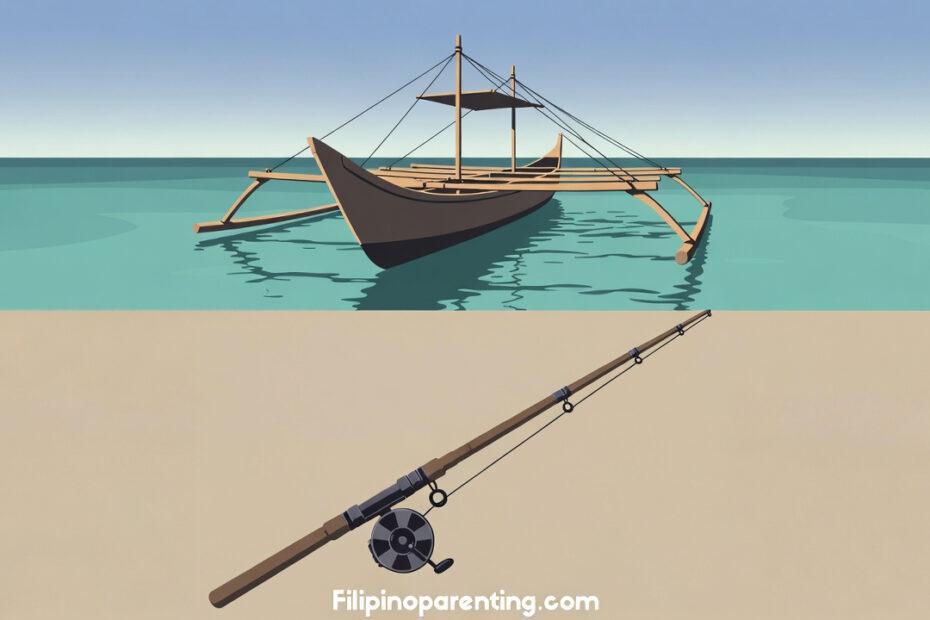
Fishing in Tagalog is more than just a way to find food; it is a masterclass in patience and a celebration of togetherness. Whether you…

Anxiety in Tagalog is a topic that touches the hearts of many families and the younger generation navigating the pressures of modern life. Understanding how…

Minecraft Tagalog words are the perfect way to turn your next building session into a cultural experience. Whether you are building a grand bahay kubo…

Do you have a furry or scaly friend at home? Tagalog Words for Pets are a wonderful way to bring the Filipino language into your…

Hunting in Tagalog is more than just a sport; for many in the Philippines, it is a traditional way of life deeply connected to the…
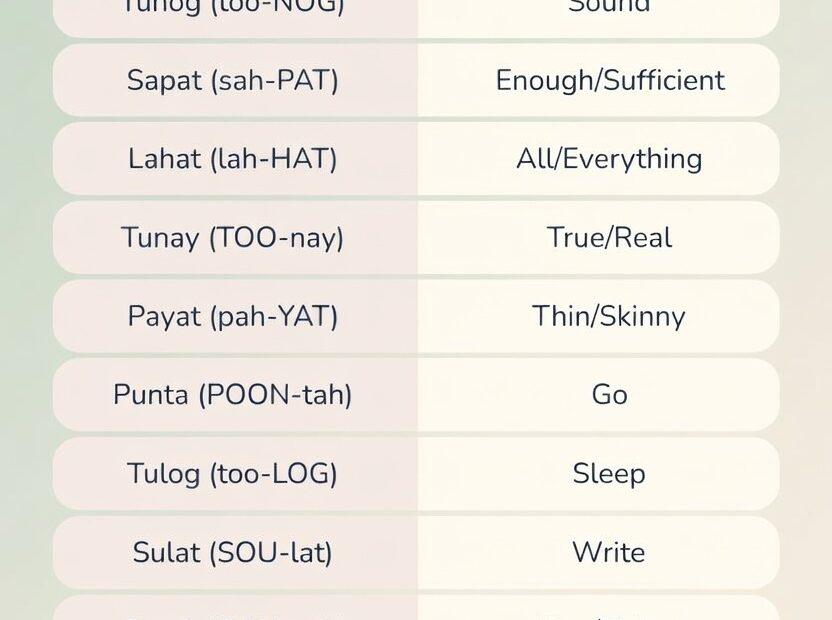
Filipino 5 letter words are the foundation of effective communication for anyone starting their journey with the Tagalog language. Understanding these terms helps beginners and…

Boyfriend in Tagalog is most commonly called boyprend, but you can also use deeper, more traditional words like kasintahan, nobyo, or sinta. Choosing the right…
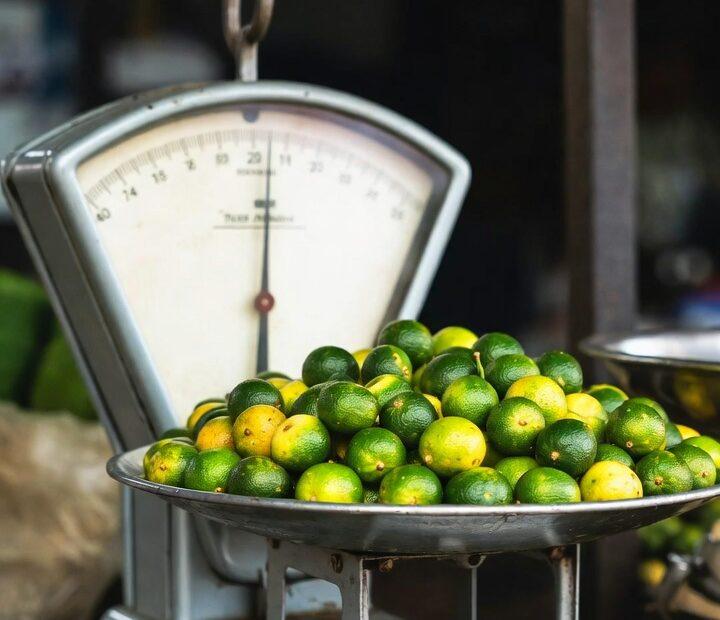
Tagalog grocery words are the foundation of a well-run Filipino household. Pinoy grocery shopping and meal planning are full of strategy, love, and resourcefulness—the weekly…
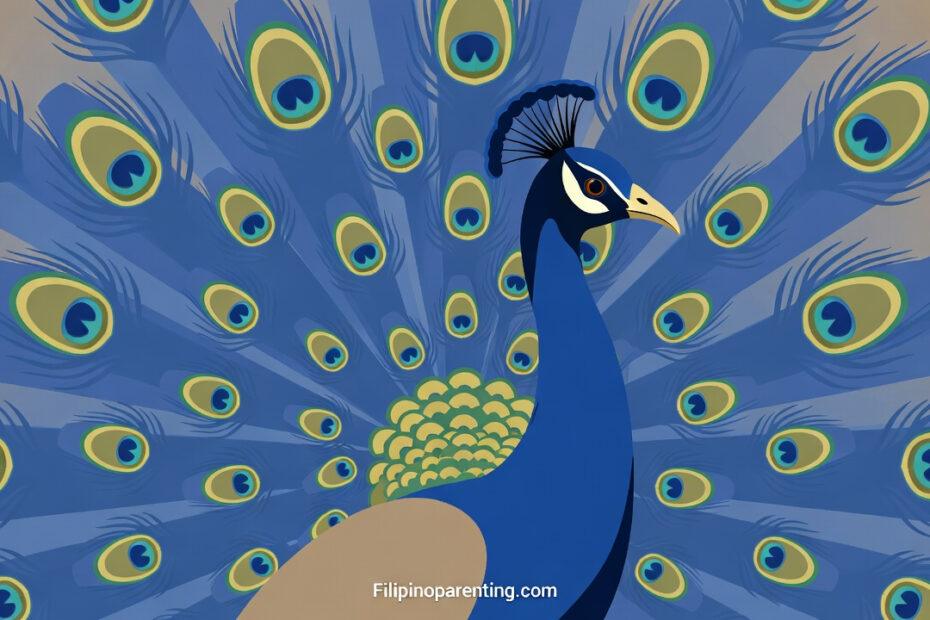
The peacock, with its stunning iridescent tail feathers and majestic display, is one of the most recognizable birds worldwide. In Tagalog, the language spoken by…
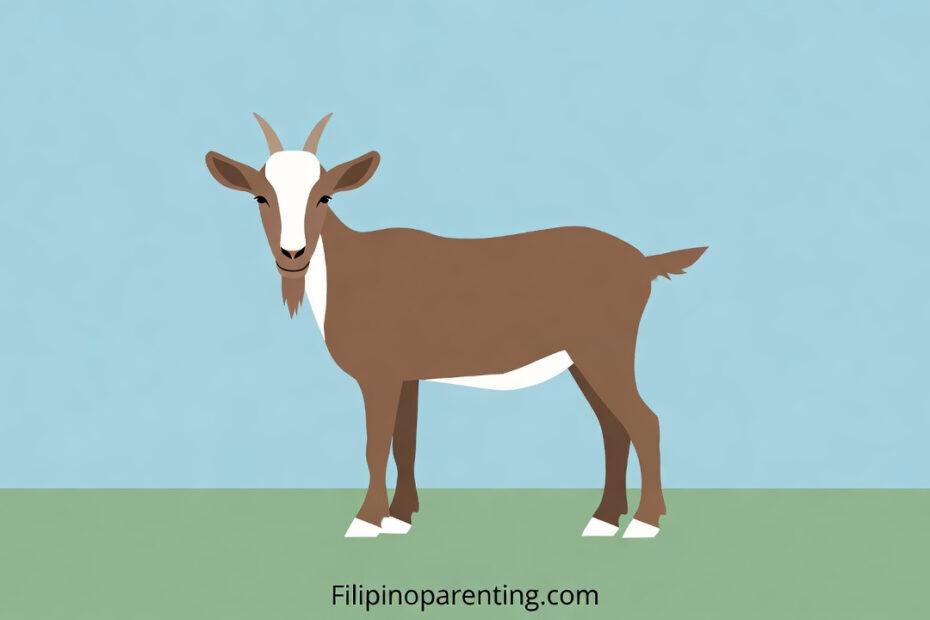
Goat in Tagalog is kambing (pronounced kam-BING). Whether you are visiting a farm in the province or learning about animal names, knowing how to say…
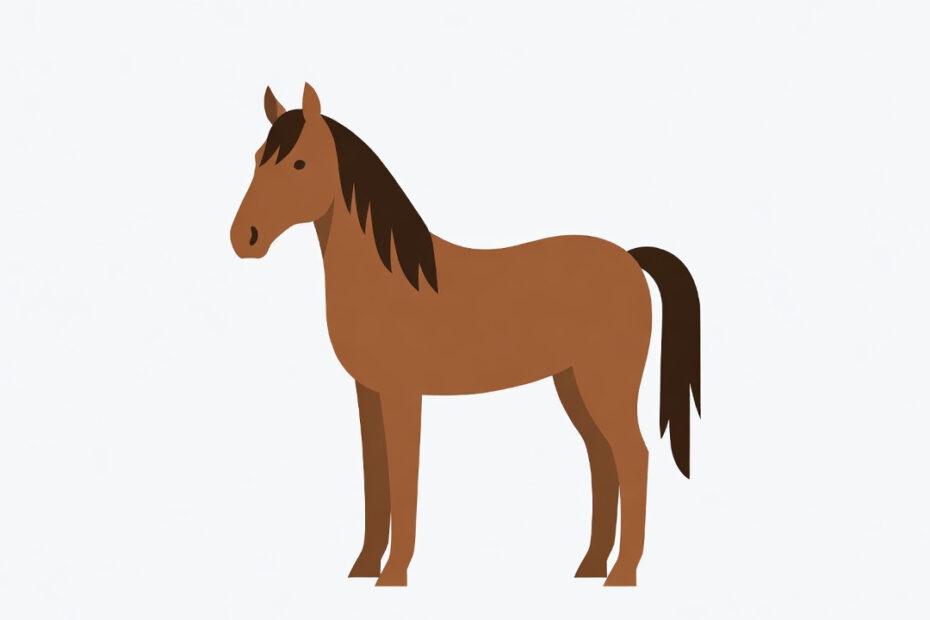
If you are a parent teaching the younger generation or an adult learner looking to master the language, knowing how to say Horse in Tagalog…
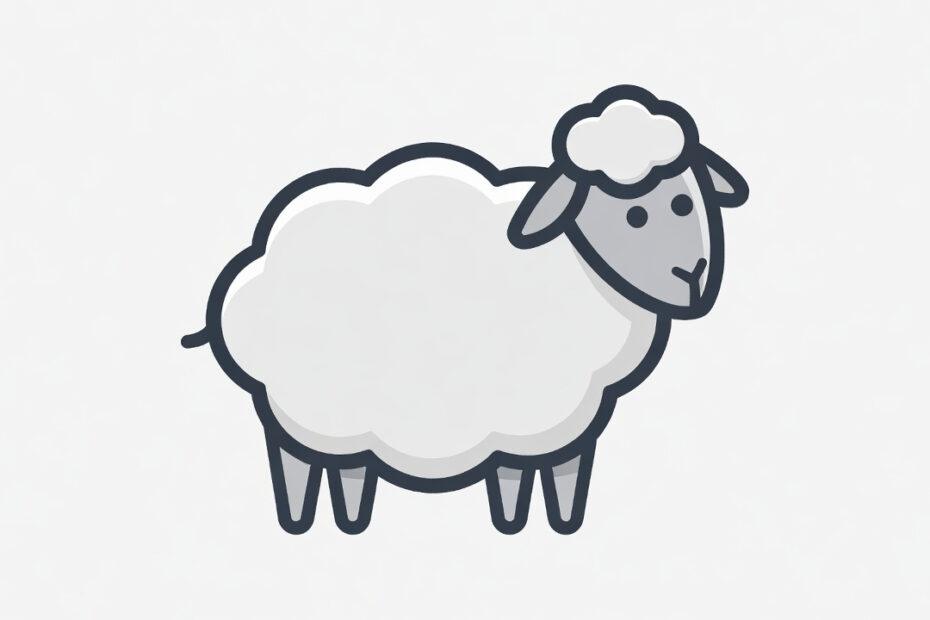
If you are a parent teaching the younger generation or an adult learner looking to master the language, knowing how to say Sheep in Tagalog…
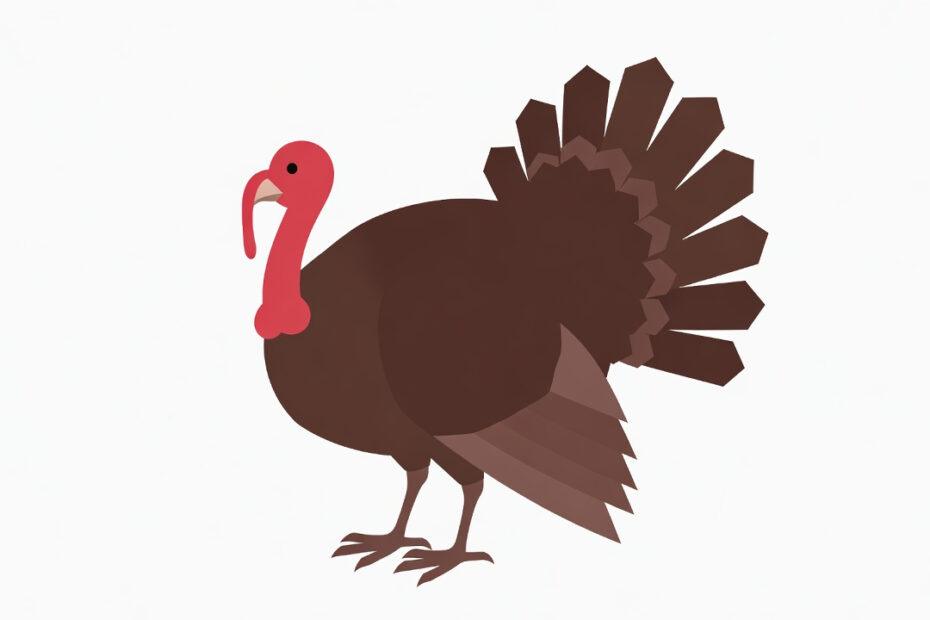
If you are a parent teaching the younger generation or an adult learner looking to master the language, knowing how to say Turkey in Tagalog…

If you’re learning Tagalog, teaching the younger generation about animals, visiting a zoo, or simply want to talk about zebras like a local, the word…

If you are learning Tagalog, teaching the younger generation about animals, or visiting a zoo, mastering the word for Giraffe in Tagalog is a fantastic…
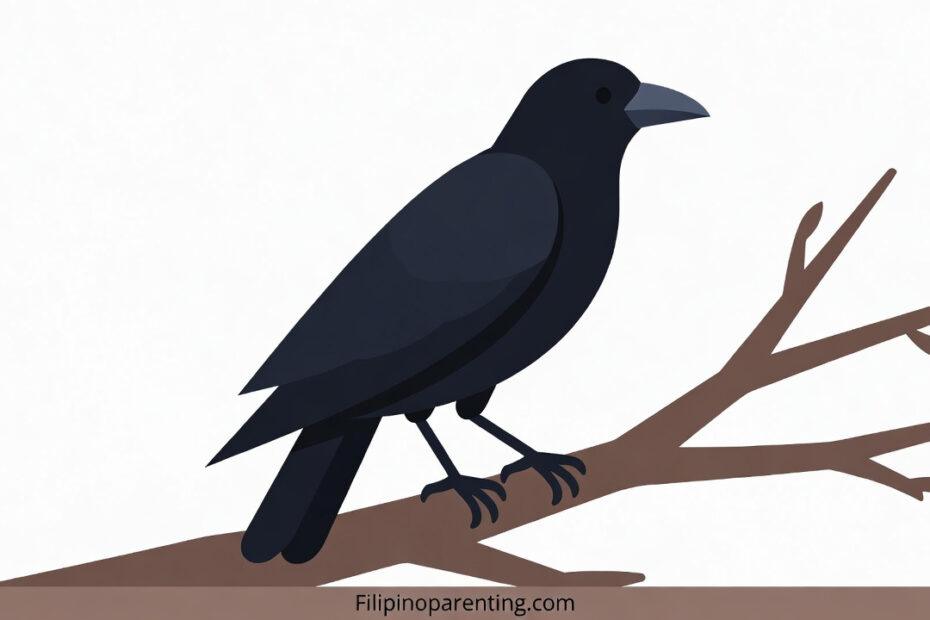
If you’re learning Tagalog, teaching the younger generation about animals, birdwatching in the Philippines, or simply want to talk about crows like a local, the…

If you are learning Tagalog, teaching the younger generation, or wanting to speak more naturally with family and friends in the Philippines, mastering Action Words…

If you’re learning Tagalog, teaching beginners about birds, birdwatching in the Philippines, or simply want to talk about herons like a local, the word for…
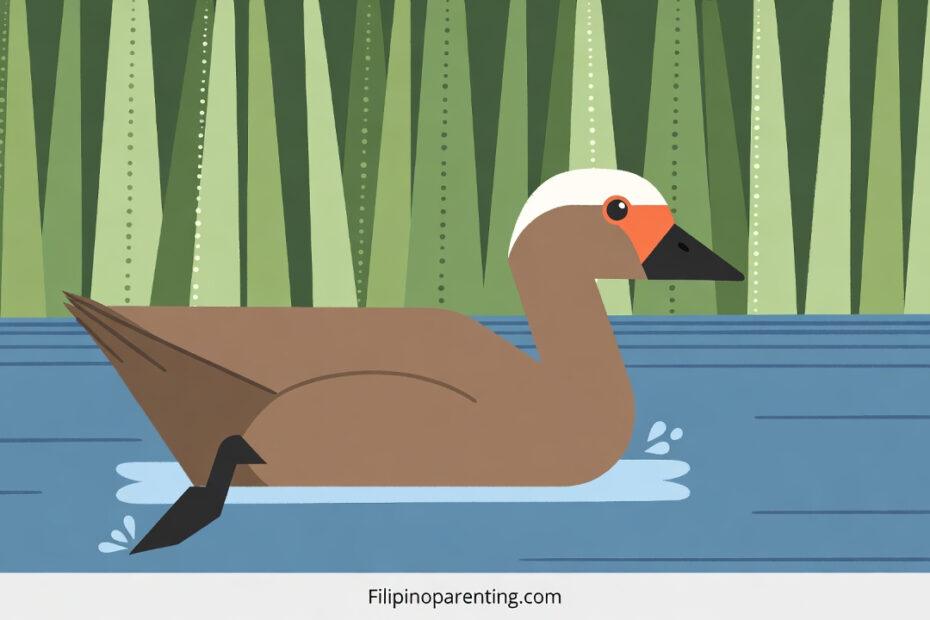
Candaba Swamp Facts are essential for any parent or learner wanting to understand the rich biodiversity of the Philippines. The Candaba Swamp, also known as…

If you’re learning Tagalog, teaching beginners about animals, or exploring Philippine wildlife, the word for snake in Tagalog is ahas (pronounced ah-HAS, with stress on…

If you’re learning Tagalog, fascinated by Philippine wildlife, exploring crocodiles in conservation stories, or simply want to talk about these ancient reptiles like a local,…

Frog in Tagalog is a term you will likely encounter if you are exploring the beautiful nature of the Philippines. If you’re learning Tagalog, exploring…

If you’re learning Tagalog, heading to a Philippine beach, snorkeling, or diving, or just want to handle and talk about marine Sting in Tagalog like…

If you’re learning Tagalog, preparing for a snorkel or dive trip in the Philippines, studying marine ecosystems, or simply want to talk about underwater habitats…

If you are learning Tagalog, preparing for a scuba or snorkeling trip in the Philippines, or want to talk about dive gear and sea creatures…

If you’re learning Tagalog, diving into Philippine reefs, or exploring seafood markets, the word for Tentacle in Tagalog is galamay (pronounced gah-lah-MAI). This is the…

If you are learning about the Tail in Tagalog, studying animal vocabulary, describing sea creatures, or just want to talk about body parts like a…

If you’re learning Tagalog, mastering Pinoy home cooking, or craving that perfect crispy texture in Filipino dishes, the word for Fry in Tagalog is prito…

If you’re learning Tagalog, planning a backyard cookout, beach barbecue, or simply love the smoky flavor of grilled food in the Philippines, the word for…

If you’re learning Tagalog, planning your first (or next) scuba or snorkeling trip in the Philippines, or simply want to talk about ocean exploration like…

If you’re learning Tagalog, planning a dive in the Philippines, or simply fascinated by marine ecosystems, the word for Coral in Tagalog is koral (pronounced…

If you’re learning Tagalog, exploring marine biology, or planning a dive or beach trip in the Philippines, the word for Starfish in Tagalog is most…

If you’re learning the language, exploring Filipino seafood markets, or curious about marine life, knowing the word for Stingray in Tagalog is essential. The term…

If you’re learning Tagalog, exploring marine biodiversity, or planning a dive in the Philippines, the word for Seahorse in Tagalog is kabayong-dagat (pronounced kah-BAH-yong dah-GAT,…

If you’re learning Tagalog, passionate about marine life, or planning an eco-tour in the Philippines, the word for Sea Turtle in Tagalog is pagong-dagat (pronounced…
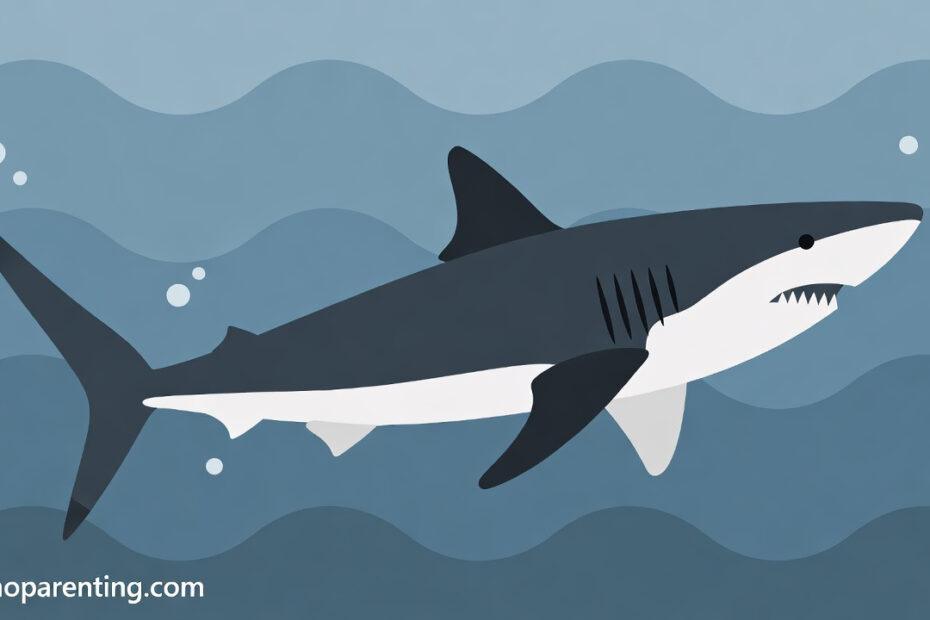
If you are a learner fascinated by ocean wildlife or planning a dive trip in the Philippines, knowing how to say Shark in Tagalog is…
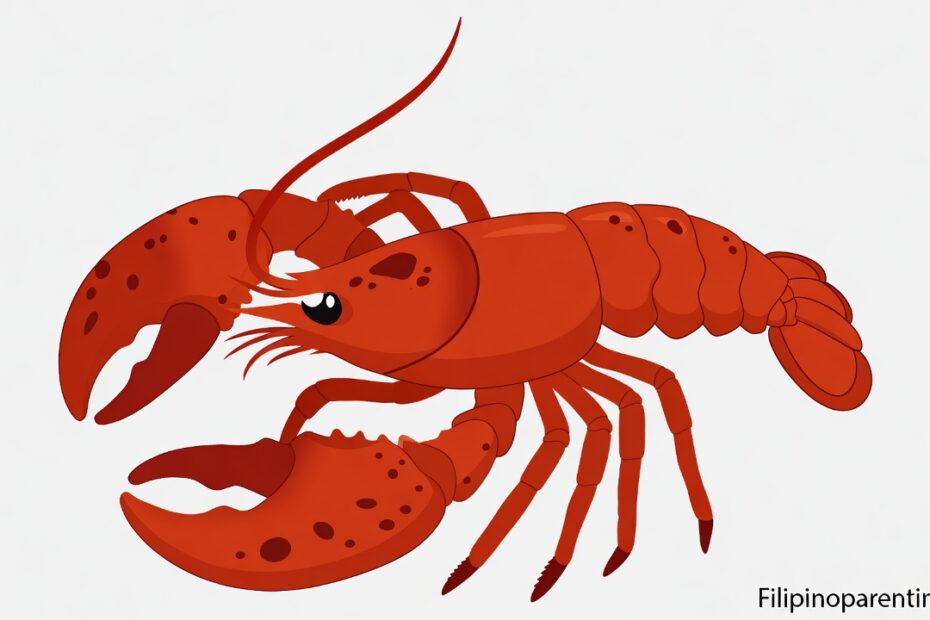
Lobster in Tagalog is a term every seafood lover and language learner should know. If you’re dreaming of a fancy Filipino feast or planning a…

If you’re learning Tagalog, exploring Filipino seafood markets, or planning a coastal meal, the Mussel in Tagalog name is tahong. This term is the standard…

If you’re learning Tagalog, planning a seaside trip in the Philippines, or simply love fresh seafood, the word for Oyster in Tagalog is talaba. Pronounced…
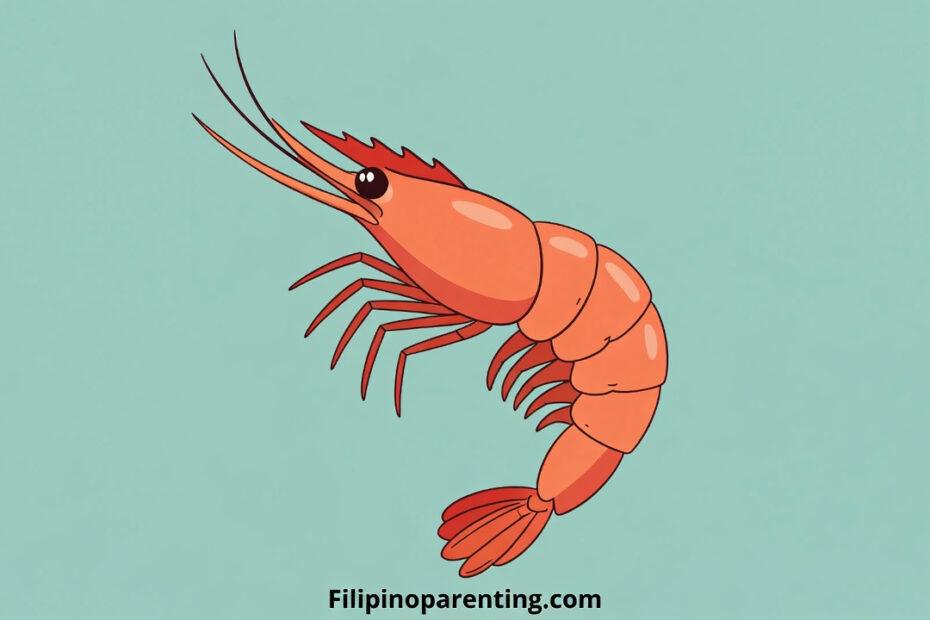
Learning how to say Shrimp in Tagalog is a fantastic first step if you are exploring Filipino culture or browsing a local wet market. The…
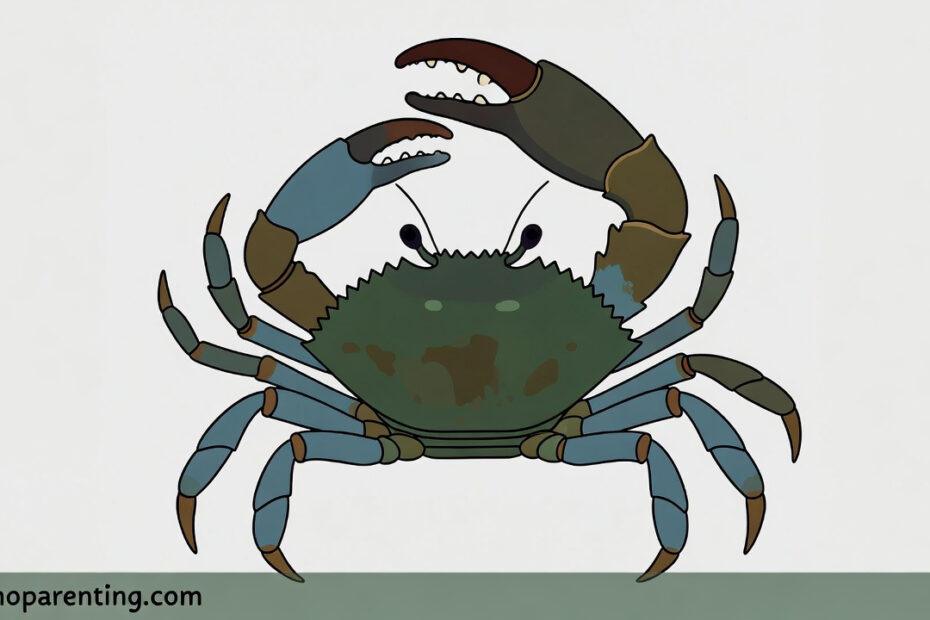
If you’re learning Tagalog, shopping at Filipino wet markets, or craving classic seafood dishes, Crab in Tagalog is a phrase you’ll use often. In Tagalog,…
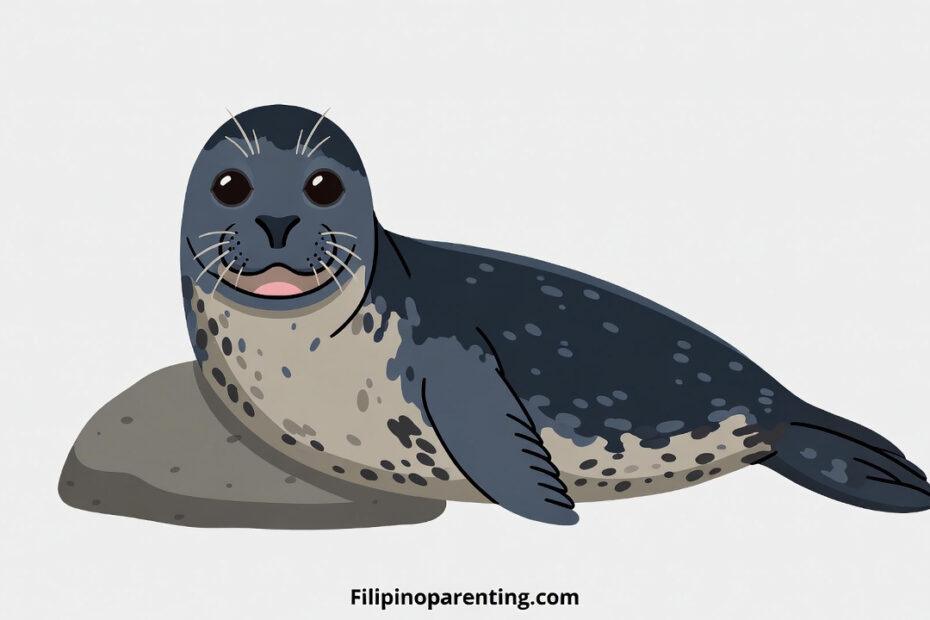
If you’re learning Tagalog, visiting an aquarium, or watching wildlife documentaries, knowing the term for Seal in Tagalog is incredibly useful. In Tagalog, the most…

If you are learning Tagalog, fascinated by marine mammals, or curious about wildlife vocabulary, the word for Sea Lion in Tagalog is leon-dagat (pronounced leh-yon…

If you are learning Tagalog, passionate about marine mammals, or planning an eco-tour in the Philippines, the word for Sea Cow in Tagalog is dugong…

If you’re learning Tagalog, watching marine life documentaries, or planning a dolphin-watching adventure in the Philippines, the word you need is lumba-lumba (pronounced loom-bah-LOOM-bah). This…