Watermelon in Tagalog is called pakwan.
If you’re a college student or language learner studying Filipino, knowing how to say watermelon in Tagalog is practical and culturally useful. Whether you’re ordering fresh fruit on campus, shopping at a local market, joining a class discussion, or traveling in the Philippines, understanding everyday vocabulary like pakwan helps you communicate more naturally and confidently.
In the Philippines, pakwan is a popular, sweet, and hydrating fruit commonly enjoyed during hot weather—especially during summer breaks when students look for refreshing snacks and drinks. It’s often served in slices at gatherings, blended into shakes, or added to fruit salads shared among friends.
Learning simple food vocabulary like pakwan not only strengthens your conversational skills but also helps you connect with Filipino culture, traditions, and daily life. Even basic fruit terms can make a big difference in sounding more fluent and comfortable in real-world conversations. 🍉
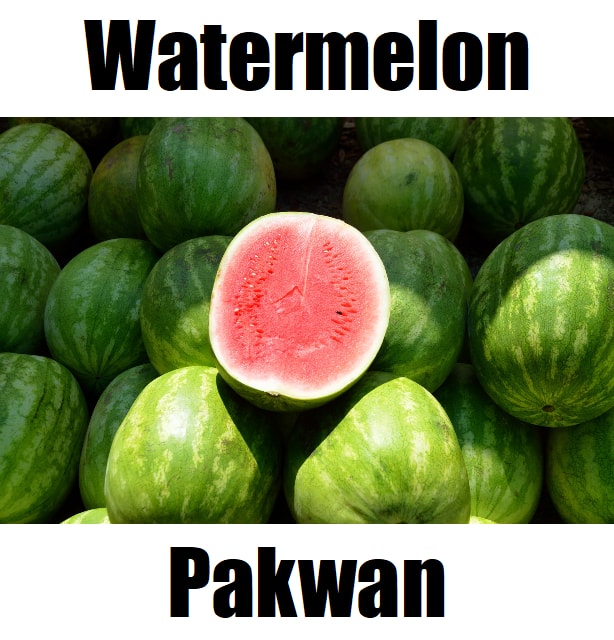
Table of Contents
What Is Watermelon in Tagalog?
The Tagalog word for watermelon is pakwan (pronounced pak-wahn).
It is widely cultivated and consumed in the Philippines, often served in slices, fruit salads, or blended into refreshing shakes and drinks.
You may also hear:
- Sandia – a less common term derived from Spanish
- Pakwan – the most widely used and accepted Tagalog word
Example:
Gusto ko ng matamis na pakwan.
(I want a sweet watermelon.)
Watermelon Vocabulary Words in Tagalog
Building your vocabulary is one of the most effective ways to improve your Tagalog language skills. In this section, you will learn essential Watermelon vocabulary words in Tagalog, including terms related to farming, gardening, nutrition, and daily life. These words will help you describe how watermelons are grown, their health benefits, and how they are commonly discussed in conversations.
Understanding related vocabulary such as tubig (water), bukid (farm), and masustansya (healthy) allows you to expand beyond just the word pakwan and speak more naturally in different contexts.
| # | English | Tagalog |
|---|---|---|
| 1 | Watermelon | Pakwan |
| 2 | Fruit | Prutas |
| 3 | Watermelon Seed | Buto ng Pakwan |
| 4 | Plant | Halaman |
| 5 | Crop | Tanim |
| 6 | Water | Tubig |
| 7 | Healthy | Masustansya |
| 8 | Food | Pagkain |
| 9 | Orchard | Lagwerta |
| 10 | Green | Berde / Luntian |
| 11 | Garden | Hardin |
| 12 | Farm | Bukid |
| 13 | Planting | Pagtatanim |
| 14 | Farming | Pagsasaka |
| 15 | Vine | Baging |
By studying these watermelon-related vocabulary words, you are strengthening your foundation in practical Tagalog. These terms are useful not only when talking about fruits, but also when discussing agriculture, food, and healthy living.
Try using these words in your own sentences or conversations to reinforce your learning. The more you practice, the more confident and fluent you will become in expressing ideas in Tagalog. 🍉
Watermelon Example Phrases in Tagalog
Learning Watermelon example phrases in Tagalog helps you see how the word pakwan is naturally used in everyday situations. These example sentences show practical contexts such as gardening, cooking, describing taste, and talking about healthy food. By studying these phrases, you not only memorize vocabulary but also understand how sentence structure works in real conversations.
Reading both the English and Tagalog sentences side by side will help you recognize patterns, improve comprehension, and build confidence in forming your own sentences.
- My grandma planted watermelon in the backyard.
Ang aking lola ay nagtanim ng pakwan sa bakuran. - Watermelon contains mostly water.
Ang pakwan ay naglalaman ng maraming tubig. - I cut a big watermelon in half.
Hinati ko sa gitna ang malaking pakwan. - A watermelon has a green rind and black seeds.
Ang pakwan ay may berdeng balat at itim na mga buto. - I like eating fresh watermelon during summer.
Gusto kong kumain ng sariwang pakwan tuwing tag-init. - Watermelon has a refreshing taste.
Ang pakwan ay may nakakapreskong lasa. - Watermelon is used in making refreshing desserts.
Ang pakwan ay maaaring gamitin sa paggawa ng mga pampalamig na panghimagas. - My grandfather is picking ripe watermelons in his garden.
Ang aking lolo ay pumipitas ng hinog na pakwan sa kanyang hardin. - Watermelon is a nutritious fruit.
Ang pakwan ay isang masustansyang prutas. - Watermelon can be made into a refreshing drink.
Ang pakwan ay maaaring gawing pampalamig na inumin.
Now that you’ve seen how pakwan is used in complete sentences, try practicing them aloud or rewriting them using other fruits you know. This will strengthen your grammar, pronunciation, and vocabulary retention.
Using real-life examples makes learning more meaningful and easier to remember. Keep practicing consistently, and soon you’ll be able to talk about fruits, food, and daily activities in Tagalog with greater confidence and fluency. 🍉
Why Learn “Watermelon” in Tagalog?
Learning how to say watermelon in Tagalog helps you:
- Improve fruit-related vocabulary
- Communicate better in markets and grocery stores
- Talk about summer foods confidently
- Understand Filipino recipes and drinks
- Build everyday conversational skills
Fruit vocabulary is one of the most practical categories when studying Tagalog.
Frequently Asked Questions (FAQ)
1. What is watermelon in Tagalog?
Watermelon in Tagalog is pakwan.
2. Is there another word for watermelon in Tagalog?
Yes, sandia is a Spanish-derived alternative term, but pakwan is more commonly used.
3. Is pakwan popular in the Philippines?
Yes, pakwan is very popular, especially during summer because it is sweet and hydrating.
4. Is watermelon healthy?
Yes, pakwan contains a high amount of tubig (water) and nutrients, making it refreshing and healthy.
5. How do Filipinos usually eat watermelon?
Watermelon is usually eaten fresh in slices or blended into shakes and cold drinks.
Conclusion
Now you know that watermelon in Tagalog is pakwan, the common and widely used term in the Philippines. You’ve also learned related vocabulary words and practical example sentences to help you use the word confidently.
Practice using pakwan in simple conversations, especially when talking about summer fruits or refreshing snacks. The more you use these words, the faster your Tagalog skills will grow.
Keep learning and enjoy expanding your Filipino vocabulary! 🍉