Jackfruit in Tagalog is called langka.
If you are learning Filipino, knowing how to say jackfruit in Tagalog will help you expand your fruit vocabulary and better understand everyday food conversations in the Philippines. Langka is a popular tropical fruit in the Philippines and is widely used in both sweet desserts (when ripe) and savory dishes (when unripe). Because of its versatility, it is commonly found in Filipino markets, farms, and home gardens.
For students and language learners, learning the word langka is useful not only for vocabulary building but also for understanding Filipino culture and cuisine. You may hear this word in cooking shows, family gatherings, local markets, or when discussing traditional dishes. By studying jackfruit-related vocabulary, pronunciation, and example sentences, you will improve your Tagalog speaking, reading, and comprehension skills while gaining practical knowledge you can use in real-life conversations.
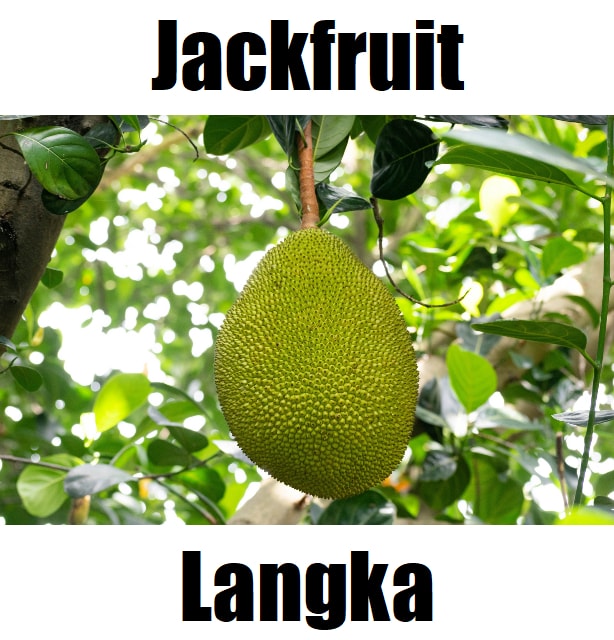
Table of Contents
What Is Jackfruit in Tagalog?
The Tagalog word for jackfruit is langka.
In other Philippine languages such as Cebuano and some Visayan dialects, it is also called nangka.
Jackfruit grows on large tropical trees and is known for producing one of the biggest fruits that grow directly on tree trunks and branches.
The scientific name of jackfruit is Artocarpus heterophyllus.
Key Details About Langka
🌿 Ripe Langka (Hinog na Langka)
- Eaten fresh as a sweet fruit
- Used in desserts like halo-halo and turon
- Sweet, fragrant, and aromatic
- Bright yellow flesh
🌱 Unripe Langka (Hilaw or Langkang-Huni)
- Treated as a vegetable
- Commonly cooked in coconut milk dishes
- Mild flavor and slightly starchy texture
- Often prepared with ginger, garlic, and meat or fish
One famous Filipino dish is ginataang langka, a savory recipe where young jackfruit is stewed in coconut milk.
Jackfruit Vocabulary Words in Tagalog
Building your vocabulary is one of the most important steps in learning Filipino. Below are common vocabulary words related to jackfruit in Tagalog (langka) that will help students and language learners improve their understanding of fruit terms, farming vocabulary, and everyday food conversations. These words are commonly used when talking about agriculture, health, cooking, and local markets in the Philippines. By studying these jackfruit-related terms, you can expand your Tagalog word bank and become more confident in reading, writing, and speaking.
| # | English | Tagalog |
|---|---|---|
| 1 | Jackfruit | Langka |
| 2 | Fruit | Prutas |
| 3 | Seed | Buto |
| 4 | Plant | Halaman |
| 5 | Crop | Tanim |
| 6 | Vitamin C | Bitamina C |
| 7 | Healthy | Masustansya |
| 8 | Food | Pagkain |
| 9 | Orchard | Lagwerta |
| 10 | Green | Berde / Luntian |
| 11 | Garden | Hardin |
| 12 | Farm | Bukid |
| 13 | Planting | Pagtatanim |
| 14 | Farming | Pagsasaka |
| 15 | Tree | Puno |
Practice reading these words aloud and try using them in your own sentences to strengthen your memory and pronunciation. Learning vocabulary connected to langka not only improves your fruit-related terms but also introduces you to useful words about farming, nutrition, and daily life in the Philippines. The more you review and apply these words in conversation, the faster your Tagalog skills will grow.
Jackfruit Example Phrases in Tagalog
One of the best ways to improve your Tagalog skills is by practicing complete sentences. These jackfruit example phrases show how langka is naturally used in everyday conversations about food, cooking, farming, and health. For students and language learners, reading and repeating full sentences helps improve grammar, pronunciation, sentence structure, and comprehension. By studying these examples, you will gain confidence in using jackfruit-related vocabulary in real-life situations.
- A ripe jackfruit has a sweet-smelling scent.
Ang hinog na langka ay may matamis na amoy. - Jackfruit is used in making sweets and desserts.
Ang langka ay ginagamit sa paggawa ng minatamis at mga panghimagas. - I like the sweet taste of jackfruit.
Gusto ko ang matamis na lasa ng langka. - Jackfruit produces one of the largest fruits that grow on trees.
Ang langka ay isa sa mga pinakamalalaking prutas na tumutubo sa puno. - A jackfruit tree grows in tropical climates.
Ang puno ng langka ay tumutubo sa mga lugar na may tropikal na klima. - Raw jackfruit is used in cooking.
Ang hilaw na langka ay ginagamit sa pagluluto. - Jackfruit seeds can be boiled and eaten as a snack.
Ang mga buto ng langka ay maaaring ilaga at kainin bilang merienda. - Jackfruit is rich in protein.
Ang langka ay mayaman sa protina. - Jackfruit contains a lot of fiber.
Ang langka ay may maraming hibla. - Eating jackfruit can help improve health.
Ang pagkain ng langka ay nakatutulong sa pagpapabuti ng kalusugan.
To strengthen your learning, try reading these sentences aloud and creating your own variations using the word langka. You can change the subject, tense, or setting to practice forming new ideas. The more you use full Tagalog sentences in context, the more natural your speaking and writing will become. Keep practicing fruit-related vocabulary like jackfruit to steadily improve your fluency and everyday conversation skills in Filipino.
Flavor and Texture of Langka
- Ripe langka – sweet, juicy, aromatic, and soft
- Unripe langka – mild, slightly firm, and starchy
Because of these differences, langka can function as both a fruit and a vegetable in Filipino cuisine.
Why Learn “Jackfruit” in Tagalog?
Learning jackfruit in Tagalog helps you:
- Expand your Filipino fruit vocabulary
- Understand traditional Filipino dishes
- Communicate better in markets
- Describe tropical fruits accurately
- Learn culturally important food terms
Langka is deeply connected to Filipino food culture, making it an essential vocabulary word.
Frequently Asked Questions (FAQ)
1. What is jackfruit in Tagalog?
Jackfruit in Tagalog is langka.
2. What is ginataang langka?
It is a Filipino dish made from young jackfruit cooked in coconut milk.
3. What is the scientific name of jackfruit?
The scientific name of jackfruit is Artocarpus heterophyllus.
4. Is ripe and unripe langka used differently?
Yes. Ripe langka is sweet and used in desserts, while unripe langka is cooked as a savory vegetable dish.
5. Is jackfruit healthy?
Yes. Langka contains fiber, Vitamin C, and other nutrients that support overall health.
Conclusion
Now you know that jackfruit in Tagalog is langka. You’ve learned its meaning, pronunciation, vocabulary words, example sentences, culinary uses, and the important differences between ripe and unripe varieties. Understanding how langka is used in both sweet desserts and savory dishes also gives you insight into Filipino culture, agriculture, and everyday life.
For students and language learners, reviewing fruit names like langka is a simple but powerful way to expand your Tagalog vocabulary. Try using the word in your own sentences, practice saying it aloud, and look for it in conversations, recipes, or market situations. The more you actively apply new words in context, the more confident and fluent you will become in speaking and understanding Filipino.
Keep learning, keep practicing, and continue building your Tagalog skills one word at a time.