I can still remember walking home on a very dark and cold evening. As I pushed our front gate open, I noticed tiny glowing lights filling the jackfruit tree in our backyard. The tree looked almost like a Christmas tree—glowing and flickering with soft yellow light against the pitch-black night. It was magical, peaceful, and unforgettable.
In today’s lesson, we’ll learn fun facts about fireflies and discover how to say firefly in Tagalog.
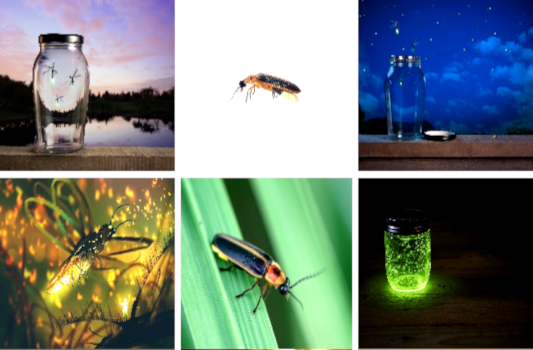
Table of Contents
How to Say Firefly in Tagalog
Firefly – Alitaptap
Pronunciation: A-li-tap-tap
The Tagalog word for firefly is alitaptap. It refers to the small, winged, light-producing beetles often seen flickering in the Philippine countryside, especially near rivers, mangroves, and rural trees at night.
Definition:
Alitaptap is the common name in Tagalog and Filipino for a small beetle whose abdomen glows in the dark. This gentle, light-producing insect is commonly seen on warm evenings, flickering among trees, grasses, and riverbanks. Its glow is created through a natural process called bioluminescence, allowing it to shine without producing heat. More than just a beautiful sight, the alitaptap uses its light to communicate, attract a mate, and signal other fireflies of the same species, turning quiet nights into a soft, magical display of living light.
Example Sentences Using “Firefly” in Tagalog
Ang alitaptap ay isang uri ng salagubang.
A firefly is a kind of beetle.
Ang alitaptap ay nagbibigay ng ilaw sa gabi.
A firefly gives off light at night.
Ginagamit ng alitaptap ang kanyang ilaw sa paghahanap ng kapareha.
A firefly uses its light to find and attract its mate.
Ang alitaptap ay lumilipad sa gabi.
A firefly flies at night.
Ang alitaptap ay may nakakalasong kimikal sa kanyang katawan.
A firefly has poisonous chemicals in its body.
Ang alitaptap ay isang napakaliit na insekto.
A firefly is a very tiny insect.
Reading and repeating these sentences will help you remember the word alitaptap more naturally. By practicing simple examples, you not only improve your Tagalog vocabulary but also understand how fireflies behave and live in nature. Learning through sentences makes it easier for children and families to connect language with real-life observations, especially when seeing glowing alitaptap on warm Philippine evenings.
Why Do Fireflies Glow?
Fireflies glow through a natural process called bioluminescence. Inside their abdomen, a chemical reaction produces what scientists call “cold light,” meaning it creates light without producing heat.
They use their glow to:
- Attract mates
- Communicate with other fireflies
- Warn predators
- Defend territory
Each species of alitaptap has its own unique flashing pattern, almost like a special light signature. Some blink rapidly in short bursts, while others create slow, steady pulses of soft yellow or green light. These patterns are not random—they are carefully timed signals used to communicate with other fireflies of the same species. The rhythm, brightness, and duration of each flash help them recognize potential mates and avoid confusion with other glowing insects nearby. This natural light show turns quiet evenings into a beautiful display of communication in the dark.
Firefly Body Parts (Anatomy)
Fireflies are beetles with three main body sections:
Head (Ulo)
- Large compound eyes
- Antennae
- Mouthparts
The head is often partly covered by a shield-like structure called the pronotum.
Thorax (Dibdib)
- Middle body section
- Six legs
- Two pairs of wings
The front wings, called elytra, are hard and protect the softer flying wings underneath.
Abdomen (Tiyan)
- Largest body segment
- Contains internal organs
- Houses the light-producing organ or lantern
The lantern is located on the last abdominal segments of the alitaptap and is responsible for producing its glowing light. This special light organ contains chemicals that react with oxygen to create bioluminescence, often called “cold light” because it produces almost no heat. The glow can appear yellow, green, or pale orange, depending on the species. Through this tiny but powerful lantern, fireflies communicate, attract mates, and light up the night in a gentle, magical way.
Fireflies in the Philippines
The Philippines is one of the best places in Asia to see alitaptap in their natural habitat. Mangrove forests and riverbanks create the perfect dark environment for their glow to shine brightly.
Some of the best places to experience firefly watching include:
- Abatan River
- Iwahig River
- Kingfisher Park
- Donsol River
During these tours, visitors ride small boats along quiet rivers while mangrove trees light up with hundreds or even thousands of glowing fireflies. On some nights, bioluminescent plankton also sparkle in the water, making the experience even more magical.
When Is the Best Time to See Fireflies?
Fireflies can be seen all year round in the Philippines, but the most breathtaking displays often happen between December and January, when mangroves are blooming and the weather is cooler. During this time, the trees along rivers and coastal areas become natural gathering spots for alitaptap, creating brighter and more synchronized light shows.
For clearer and more magical viewing:
- Visit during a new moon – Darker skies make their glow appear brighter and more dramatic.
- Avoid heavy rain – Fireflies are less active during storms or strong winds.
- Turn off flash photography – Bright flashes can disturb and stress the insects.
To make the experience even more special, choose a quiet evening away from city lights. Light pollution from buildings and street lamps can reduce visibility and affect firefly activity. Staying silent during tours also helps preserve their natural behavior.
Watching fireflies is more than just sightseeing—it’s a peaceful encounter with nature. By choosing the right time and respecting their habitat, you help protect these tiny glowing insects so future generations can enjoy the same magical light displays.
In different parts of the Philippines, firefly in Tagalog is called alitaptap, but in other Philippine languages, this glowing insect has different local names. These names all refer to the same magical beetle that lights up the night.
Here are some regional terms for firefly:
- Tagalog / Filipino: Alitaptap
- Cebuano / Bisaya: Aninipot or Ipot-ipot
- Ilocano: Kulalanti
- Kapampangan: Alipatpát
Even though the names vary across regions, they all describe the same tiny, glowing insect. Learning that firefly in Tagalog is alitaptap helps strengthen your vocabulary while also appreciating the rich language diversity of the Philippines.
Frequently Asked Questions (FAQ)
What is firefly in Tagalog?
Firefly in Tagalog is called alitaptap.
Are fireflies flies?
No. Fireflies are beetles.
Why do fireflies glow?
They glow to attract mates, communicate, and protect themselves from predators.
Are fireflies poisonous?
Fireflies contain defensive chemicals that make them taste unpleasant to predators.
Can I see fireflies in the Philippines?
Yes. Many river and mangrove areas across the country offer guided firefly watching tours.
Final Thoughts on Firefly in Tagalog
Learning the word firefly in Tagalog, which is alitaptap, not only expands your vocabulary but also connects you to one of the most magical insects found in nature. Whether you see a firefly in Tagalog (alitaptap) glowing in your backyard or lighting up a quiet Philippine river at night, these tiny insects remind us that even the smallest creatures can bring light, beauty, and hope to the darkest nights.