Grape in Tagalog is called ubas.
If you are learning Filipino, knowing how to say grape in Tagalog is helpful for daily conversations, grocery shopping, and reading recipes. In this guide, you will learn grape-related vocabulary words, example sentences, and useful FAQs to improve your Tagalog skills.
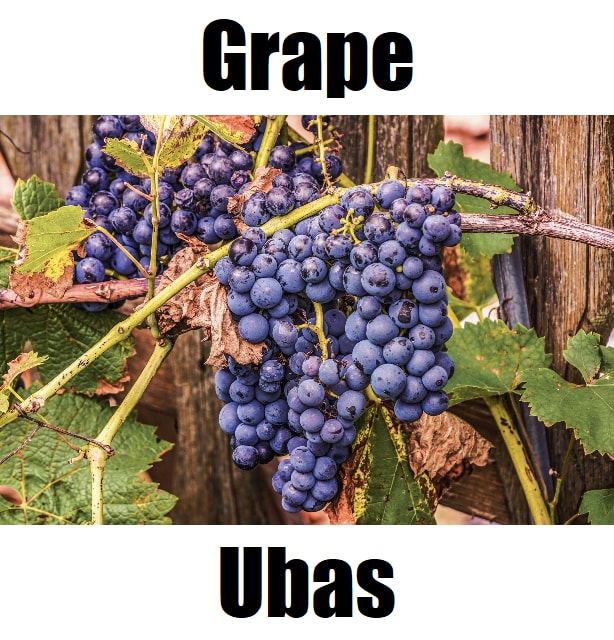
Table of Contents
What Is Grape in Tagalog?
Learning Grape vocabulary words in Tagalog will help you talk more confidently about fruits, farming, nutrition, and everyday topics. The word ubas (grape) is commonly used in conversations about healthy food, gardening, and agriculture. By understanding related vocabulary—such as parts of the plant, where grapes are grown, and their health benefits—you can expand your Filipino language skills in a practical and meaningful way.
Below are common vocabulary words related to grape in Tagalog that you may encounter in daily conversations, school lessons, markets, or discussions about farming and food.
Grape Vocabulary Words in Tagalog
Here are common vocabulary words related to grape in Tagalog:
| # | English | Tagalog |
|---|---|---|
| 1 | Grape | Ubas |
| 2 | Fruit | Prutas |
| 3 | Seed | Buto |
| 4 | Plant | Halaman |
| 5 | Crop | Tanim |
| 6 | Vitamin C | Bitamina C |
| 7 | Healthy | Masustansya |
| 8 | Food | Pagkain |
| 9 | Orchard | Lagwerta |
| 10 | Purple | Lila |
| 11 | Garden | Hardin |
| 12 | Farm | Bukid |
| 13 | Planting | Pagtatanim |
| 14 | Farming | Pagsasaka |
| 15 | Vine | Punong Ubas / Baging ng Ubas |
By studying these grape-related vocabulary words, you are not just memorizing translations—you are building a stronger foundation in Tagalog. Try using these words in your own sentences, especially when talking about food, gardening, or healthy living. The more you practice using ubas and its related terms, the more natural and confident your Tagalog conversations will become. 🍇
Grape Example Phrases in Tagalog
Learning Grape example phrases in Tagalog helps you understand how the word ubas is naturally used in everyday conversations. These sentences show different real-life situations—talking about snacks, family traditions, gardening, food preparation, and even special occasions like Christmas.
By reading and practicing these examples, you will become more familiar with sentence structure, descriptive words, and common expressions used in Filipino. This will make it easier for you to speak confidently and form your own sentences using ubas in daily conversation.
- I like to eat big purple grapes for snacks.
Mahilig akong kumain ng malalaking kulay lila na ubas para sa merienda. - My family owns an orchard full of grapes.
Ang aking pamilya ay nagmamay-ari ng lagwerta na punô ng ubas. - We went to pick ripe grapes in the garden.
Namitas kami ng hinog na ubas sa hardin. - My grandfather uses grapes to make wine.
Ang aking lolo ay gumagamit ng ubas sa paggawa ng alak. - Raisins are made from dried grapes.
Ang mga pasas ay gawa sa pinatuyong ubas. - I like the sweet taste of grapes.
Gusto ko ang matamis na lasa ng ubas. - She washed the fresh grapes in cold water.
Hinugasan niya ang sariwang ubas sa malamig na tubig. - Do you like green grapes or purple grapes?
Gusto mo ba ng berdeng ubas o lilang ubas? - Do you want fresh grapes for a snack?
Gusto mo ba ng sariwang ubas para sa merienda? - My mom places fresh grapes on the table during Christmas.
Ang aking nanay ay naglalagay ng sariwang ubas sa hapag-kainan tuwing Pasko.
Now that you’ve seen how ubas is used in practical sentences, try creating your own examples. You can replace ubas with other fruits you’ve learned to expand your vocabulary even more. Reading the sentences aloud and practicing regularly will help improve your pronunciation and fluency.
Language learning becomes easier when you connect words to real-life situations. Keep practicing, stay consistent, and soon you’ll be using Tagalog fruit names naturally and confidently in conversation. 🍇
Why Learn “Grape” in Tagalog?
Learning how to say grape in Tagalog helps you:
- Expand your Filipino fruit vocabulary
- Understand food labels and recipes
- Communicate better in markets and grocery stores
- Improve daily conversational skills
- Build confidence in speaking Tagalog
Food vocabulary is one of the most practical categories when studying Filipino.
Frequently Asked Questions (FAQ)
1. What is grape in Tagalog?
Grape in Tagalog is ubas.
2. Is ubas singular or plural?
In Tagalog, ubas can refer to both singular and plural. Context determines the meaning.
3. Are grapes grown in the Philippines?
Yes, grapes are grown in some areas of the Philippines, particularly in warmer regions suitable for vineyards.
4. What are raisins in Tagalog?
Raisins are called pasas, and they are made from dried grapes.
5. Are grapes healthy?
Yes, grapes contain Bitamina C, antioxidants, and nutrients that support overall health.
Conclusion
Now you know that grape in Tagalog is ubas. You’ve also learned related vocabulary words and practical example sentences to help you use the word naturally in conversation.
Practice using ubas in simple Tagalog sentences, especially when talking about snacks, fruits, or holidays. The more you use these words, the more confident you will become in speaking Filipino.
Keep learning and enjoy growing your Tagalog vocabulary! 🍇