Pomegranate in Tagalog is called granada.
If you’re learning Filipino, knowing how to say pomegranate in Tagalog is a great way to expand your fruit vocabulary and improve everyday conversations about food, nutrition, and healthy living. While not as common as mangoes or bananas in the Philippines, granada is still recognized, especially in discussions about juice, antioxidants, and wellness.
In this guide, you’ll learn the meaning of granada, its pronunciation, related vocabulary words, and practical example sentences you can use in real-life situations. Whether you’re a student building your Tagalog skills or simply exploring Filipino food terms, this lesson will help you speak more confidently and naturally.
Let’s explore how to use granada in Tagalog conversations! 🍎✨
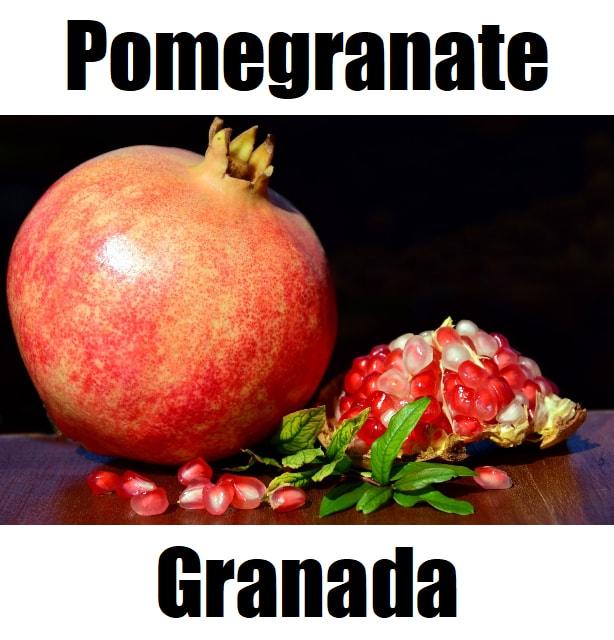
Table of Contents
What Is Pomegranate in Tagalog?
The Tagalog word for pomegranate is granada.
It refers to the fruit-bearing small deciduous shrub known scientifically as Punica granatum.
Key Details
- Translation: Granada
- Pronunciation: gra-NA-da (often pronounced with Spanish influence)
- Botanical Name: Punica granatum
- Language Origin: The word granada comes from Spanish, reflecting the strong Spanish influence on the Filipino language.
- Usage: In Tagalog, granada refers to the fruit and is often mentioned when talking about its health benefits.
Pomegranate Vocabulary Words in Tagalog
Building strong vocabulary is one of the fastest ways to improve your Filipino language skills. When learning a new fruit like granada (pomegranate), it helps to also understand related words that describe its parts, color, nutritional value, and how it is grown. These terms are commonly used in conversations about food, farming, gardening, and health.
Below are useful Tagalog vocabulary words connected to pomegranate. Try practicing them in short phrases or sentences to remember them more easily.
| # | English | Tagalog |
|---|---|---|
| 1 | Pomegranate | Granada |
| 2 | Fruit | Prutas |
| 3 | Seed | Butil |
| 4 | Plant | Halaman |
| 5 | Crop | Tanim |
| 6 | Vitamin C | Bitamina C |
| 7 | Healthy | Masustansya |
| 8 | Food | Pagkain |
| 9 | Orchard | Lagwerta |
| 10 | Red | Pula |
| 11 | Garden | Hardin |
| 12 | Farm | Bukid |
| 13 | Planting | Pagtatanim |
| 14 | Farming | Pagsasaka |
| 15 | Tree | Puno |
By learning these related words, you expand more than just one vocabulary term—you strengthen your ability to talk about agriculture, nutrition, and everyday life in Tagalog. Keep reviewing these terms and use them in simple conversations to build confidence and fluency over time.
Pomegranate Example Phrases in Tagalog
One of the best ways to remember new vocabulary is by seeing how it is used in complete sentences. These example phrases will help you understand how granada (pomegranate) naturally appears in everyday Tagalog conversations—whether you’re talking about food, shopping at the market, describing colors, or discussing health benefits. Try reading each sentence aloud and practicing both the English and Tagalog versions to improve fluency and pronunciation.
Here are your example sentences refined for smooth and natural flow:
- I love the sweet smell of pomegranate.
Gusto ko ang matamis na amoy ng granada. - My favorite fruit is pomegranate.
Ang paborito kong prutas ay granada. - The pomegranate is colored red.
Ang granada ay kulay pula. - The pomegranate has many small sweet seeds.
Ang granada ay may maraming maliliit at matatamis na butil. - My grandmother has a pomegranate tree in her backyard.
Ang aking lola ay may puno ng granada sa kanyang bakuran. - A ripe pomegranate is red in color.
Ang hinog na granada ay kulay pula. - I ate pomegranate for my snack.
Kumain ako ng granada para sa aking merienda. - My mother bought pomegranates at the market.
Ang aking nanay ay bumili ng mga granada sa palengke. - Wash the pomegranates with cold water.
Hugasan mo ang mga granada sa malamig na tubig. - Pomegranates are rich in Vitamin C.
Ang mga granada ay mayaman sa Bitamina C.
By practicing these sentences regularly, you’ll become more comfortable forming your own Tagalog phrases about fruits, meals, and daily activities. You can also modify the sentences to talk about your own experiences—what fruits you like, what you buy at the market, or what you eat for snacks. Consistent practice will make using granada in conversation feel natural and effortless.
Why Learn “Pomegranate” in Tagalog?
Learning pomegranate in Tagalog helps you:
- Improve fruit-related vocabulary
- Describe healthy foods
- Talk about vitamins and nutrition
- Understand Spanish-influenced Filipino words
- Communicate better in markets and daily conversations
Since many Filipino food terms come from Spanish, recognizing words like granada makes language learning easier.
Frequently Asked Questions (FAQ)
1. What is pomegranate in Tagalog?
Pomegranate in Tagalog is granada.
2. What is the scientific name of pomegranate?
The scientific name of pomegranate is Punica granatum.
3. Is granada a Spanish-derived word?
Yes. The word granada comes from Spanish, which strongly influenced the Filipino language.
4. What vitamins does pomegranate contain?
Pomegranates are rich in Bitamina C and antioxidants.
5. What color is a ripe pomegranate?
A ripe pomegranate is typically pula (red).
Conclusion
Now you know that pomegranate in Tagalog is granada. You’ve explored its pronunciation, essential vocabulary words, practical example sentences, botanical name, and even a bit of its cultural background. That’s a strong step toward expanding your Filipino language skills.
Learning fruit names like granada is more than memorizing translations—it helps you describe food, talk about health benefits, shop at local markets, and understand everyday conversations more naturally. The more vocabulary you connect to real-life situations, the easier it becomes to think and speak in Tagalog.
Keep practicing fruit names and related expressions regularly. Try using them in short conversations, writing simple sentences, or reading them aloud to improve pronunciation and fluency. Small, consistent practice builds lasting confidence.
Keep learning, stay curious, and enjoy growing your Tagalog vocabulary one fruit at a time! 🍎