In the Philippines, a meal isn’t just about protein; it’s about the sawsawan (dipping sauce) and the fresh sides that cut through the richness. Cucumber in Tagalog is spelled pipino. Whether it’s sliced thin in a bowl of spicy vinegar or placed over tired eyes after a long day of adulting, the pipino is a versatile hero in every Pinay Mom’s kitchen.
Learning the word pipino is essential for beginners and families because it’s a high-frequency word used in markets (palengke), kitchens, and health discussions.
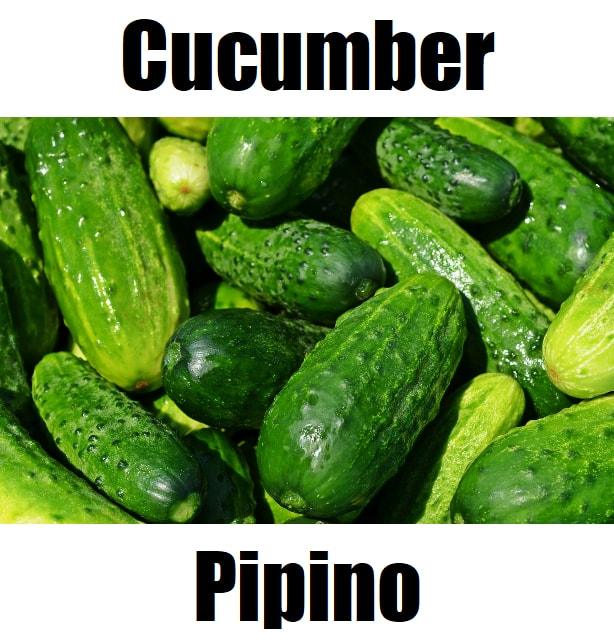
Table of Contents
Pipino at a Glance
If you’re stepping into a Filipino kitchen, cucumber in Tagalog—called pipino—is a vegetable you’ll see everywhere. Here’s the “need-to-know” about this everyday household staple:
The “Pinay Mom” Secret: Beyond the plate, pipino is a skincare hero. Two chilled slices over tired eyes after a long day of adulting is the ultimate budget-friendly spa moment.
The Tagalog Word: Pipino (pronounced pi-PÍ-no).
English Meaning: Cucumber.
The Vibe: Pipino is the favorite gulay (vegetable) for staying presko (fresh), especially during those humid Philippine afternoons.
Cultural Connection: In many Filipino homes, pipino is the perfect partner for “Friday Fish” or any fried dish. Its cool, crunchy bite helps balance rich and oily flavors, making heavy meals feel lighter.
How It’s Used: You’ll often find cucumber in Tagalog dishes sliced into ensalada, served with a spicy vinegar sawsawan, or blended into refreshing juices to beat the heat.
What Is Cucumber?
A cucumber (pipino) is a long, green vegetable that grows on a vine and is commonly eaten fresh or used in cooking. It has a mild taste and high water content, making it refreshing and healthy.
The Tagalog word pipino refers to both the cucumber plant and its fruit. It is used as a noun and commonly appears in food-related conversations.

Quick Facts
- Category: Food / Vegetable
- Used For: Cooking, salads, drinks, health remedies
- Common Context: Kitchen, market, garden, farm
- Related Root Word: Pipino (noun)
Cucumber Vocabulary Words
To better understand how cucumber in Tagalog (pipino) is used in everyday Filipino conversations, it helps to learn related words commonly heard in the kitchen, market, garden, and health discussions.
The vocabulary list below includes essential Tagalog words connected to pipino, making it easier for beginners, families, and language learners to recognize patterns and build confidence when speaking about food, vegetables, and healthy living.
Below is a related vocabulary chart connected to cucumber in Tagalog.
| # | English | Tagalog |
|---|---|---|
| 1 | Cucumber | Pipino |
| 2 | Fruit | Prutas |
| 3 | Seed | Butil |
| 4 | Plant | Halaman |
| 5 | Crop | Tanim |
| 6 | Vitamin C | Bitamina C |
| 7 | Healthy | Masustansya |
| 8 | Food | Pagkain |
| 9 | Orchard | Lagwerta |
| 10 | Green | Berde / Luntian |
| 11 | Garden | Hardin |
| 12 | Farm | Bukid |
| 13 | Planting | Pagtatanim |
| 14 | Farming | Pagsasaka |
| 15 | Vine | Baging |
| 16 | Fresh | Sariwa |
| 17 | Slice | Hiwa |
| 18 | Salad | Ensalada |
| 19 | Vegetable | Gulay |
| 20 | Harvest | Ani |
Learning these words is about more than memorizing a list; it’s about navigating a Filipino palengke (market) or kitchen with confidence. For parents, teaching the younger generation these terms while prepping dinner is a “Real-Talk” way to keep our language alive and meaningful.
Instead of just saying “cucumber,” try asking your learners to help you mag-hiwa (slice) the sariwang pipino (fresh cucumber) for tonight’s ensalada. When they see the butil (seeds) inside, it’s the perfect moment to explain how a tiny tanim (crop) grows into a long baging (vine) in the bukid (farm).
By connecting these cucumber in Tagalog vocabulary words to actual chores and meals, the language becomes a natural part of your home—something the younger generation can use in real life, not just a lesson on a screen.
Mom-to-Mom Tip: Print out this chart and tape it to your fridge! It’s a fun visual reminder for the whole family to use Tagalog during meal prep and everyday cooking.
How Is Cucumber Used?
The Tagalog word pipino is a staple in everyday Filipino life. Whether you are at the palengke or in your own kitchen, understanding how cucumber in Tagalog is used will help you navigate conversations about food, health, and gardening with ease. Because pipino is affordable and refreshing, it is a practical vocabulary word for all learners and families.
1. Cooking and Food Preparation
In Filipino kitchens, pipino is the go-to vegetable to balance heavy, fried dishes. If you are learning about cucumber in Tagalog, you’ll find it most often in these culinary contexts:
- Ensaladang Pipino: A refreshing side dish made with sliced pipino, vinegar, and onions.Example: I like to eat cucumbers with salt and vinegar. (Gusto kong kumain ng pipino na may asin at suka.)
- Sawsawan: Slices of pipino are often added to spicy vinegar dipping sauces to add a cooling crunch.
- Pampalamig: Using cucumber in Tagalog drinks (infused water) is a popular way to stay hydrated.Example: I add sliced cucumber to my drinking water. (Nagdadagdag ako ng hiniwang pipino sa aking inuming tubig.)
- Cooking & Desserts: Ang pipino ay ginagamit sa pagluluto at paggawa ng panghimagas. (A cucumber is used in cooking and making desserts.)
2. Health and Nutrition
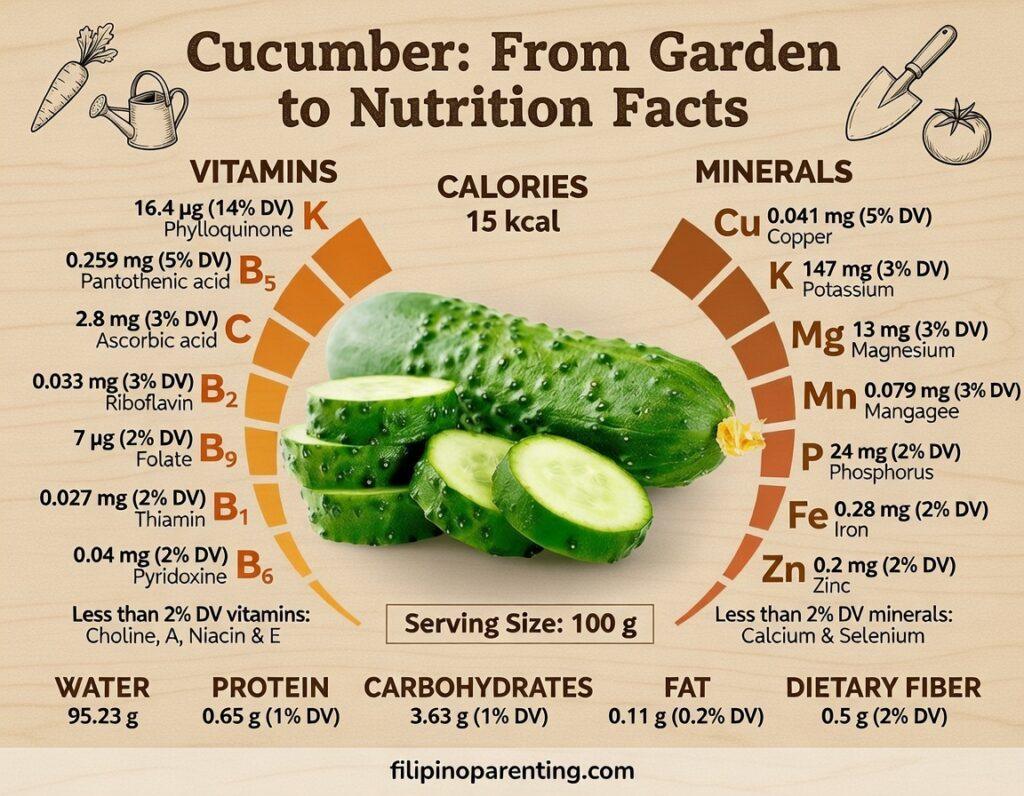
For parents focusing on wellness, the pipino is frequently mentioned in health discussions. Since cucumber in Tagalog translates to a vegetable known for its high water content, it is often called masustansya (nutritious).
- Vitamin Content: Ang mga pipino ay mayaman sa Bitamina C. (Cucumbers are rich in Vitamin C.)
- Natural Cleanser: Ang pagkain ng pipino ay nakakatulong sa pag-alis ng mabahong hininga. (Eating cucumbers can help remove bad breath.)
- Hydration: Ang pipino ay nakakatulong sa pag-alis ng uhaw. (Cucumbers help relieve thirst.)
3. Gardening and Farming
If you enjoy backyard gardening, you will hear the word pipino used when discussing seeds (butil) and vines (baging). Many beginners in gardening start with pipino because it grows quickly in the Philippine climate.
- Home Gardens: May tanim na pipino si Lola sa kanyang hardin. (Lola has a cucumber plant in her garden.)
- Farming Life: Ipinakain ko ang sobrang hinog na pipino sa mga hayop sa bukid. (I fed the overripe cucumbers to the farm animals.)
- Preparation: Hugasan ang mga bagong pitas na pipino sa malamig na tubig. (Wash the freshly picked cucumbers in cold water.)
4. Home Remedies and Beauty
In “Pinay Mom” culture, cucumber in Tagalog is synonymous with “presko” (freshness). It is a staple for affordable self-care.
- Eye Treatment: Using chilled pipino slices to soothe tired eyes after a long day of parenting.
- Skincare: Ang pagkain ng pipino ay mainam para sa magandang balat. (Eating cucumbers is good for beautiful skin.)
5. Daily Conversation
Because it is so common, the word pipino appears naturally in casual talk. Whether you are asking for the price of cucumber in Tagalog at the market or sharing a Filipino recipe with a friend, this word helps learners sound more natural and confident.
Importance and Practical Value of Pipino
Understanding the role of cucumber in Tagalog culture provides several benefits for families and learners:
- Communication Benefit: Helps you navigate the palengke (market) like a pro.
- Cultural Relevance: Pipino represents the Filipino value of “balance” in a meal.
- Learning Advantage: It is a simple, two-syllable word that is easy for the younger generation to memorize.
- Practical Everyday Use: From the kitchen to the vanity, pipino is everywhere.
How to Use Cucumber in Daily Life
To truly master this vocabulary, try incorporating pipino into these scenarios:
- At the Market: Ask the vendor, “Magkano ang tumpok ng pipino?” (How much for a pile of cucumbers?)
- During Meal Prep: Tell your family, “Gagawa ako ng ensaladang pipino.” (I will make a cucumber salad.)
- Gardening: Teach learners how to plant pipino seeds in a pot.
Frequently Asked Questions (FAQ) About Cucumber in Tagalog
1. What is cucumber in Tagalog?
Cucumber in Tagalog is called pipino. The word pipino is commonly used in Filipino households when talking about food, vegetables, gardening, and health. It is widely understood across the Philippines.
2. What does pipino mean in English?
The Tagalog word pipino means cucumber in English. It refers to both the cucumber plant and the cucumber vegetable used in cooking, salads, and home remedies.
3. Is pipino formal or informal?
Pipino is a neutral word. It is appropriate in both formal and informal settings, including daily conversation, cooking instructions, market shopping, school lessons, and written materials.
4. When should you use pipino?
You should use pipino when talking about:
- Food and cooking, such as meals, salads, or side dishes
- Health and nutrition, especially hydration and fresh vegetables
- Gardening and farming, including planting or harvesting cucumbers
Using cucumber in Tagalog correctly helps conversations sound more natural and clear.
5. How do you properly use pipino in a sentence?
Use pipino as a noun to refer to the cucumber plant or vegetable. It can be used in singular or plural form depending on the sentence context.
Example usage:
Bumili ako ng pipino sa palengke.
Ang pipino ay sariwa.
Conclusion
Understanding cucumber in Tagalog, or pipino, is a simple yet vital step for beginners and families looking to master everyday Filipino conversation. Whether you are discussing nutrition, tending to your garden, or preparing a refreshing ensalada, the word pipino is a practical addition to your vocabulary.
By learning how to use cucumber in Tagalog along with its related vocabulary, you can communicate more naturally and expand your language skills with confidence. Embracing these small, common words is the best way for the younger generation to stay connected to Filipino culture and “Real-Talk” kitchen traditions.