7 Amazing Facts About Cotton Fruit in Tagalog (Santol) You Should Know
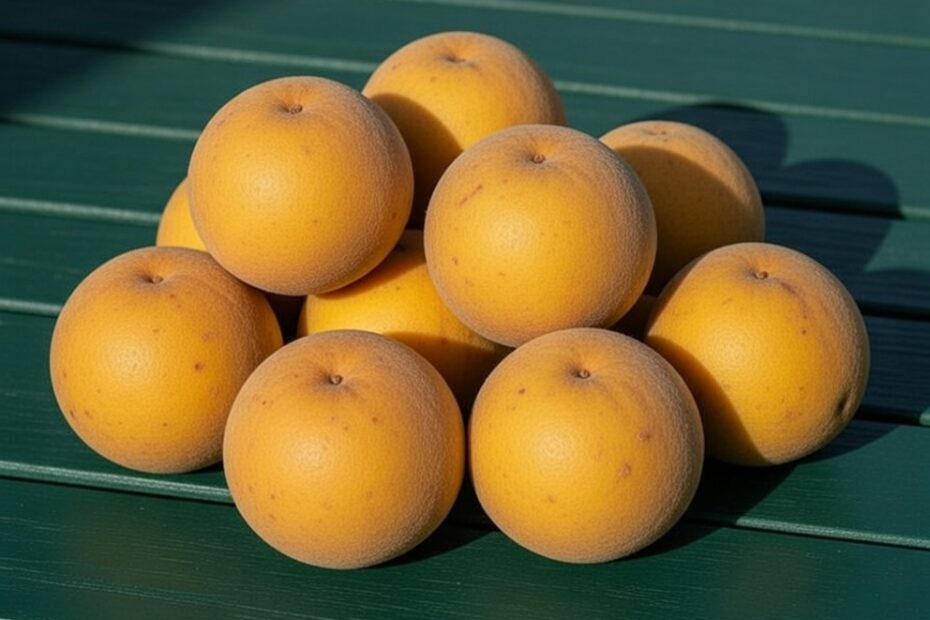
Cotton Fruit in Tagalog is spelled santol. In many Filipino households, santol is a familiar seasonal favorite known for its distinct sweet-sour flavor. From backyard…
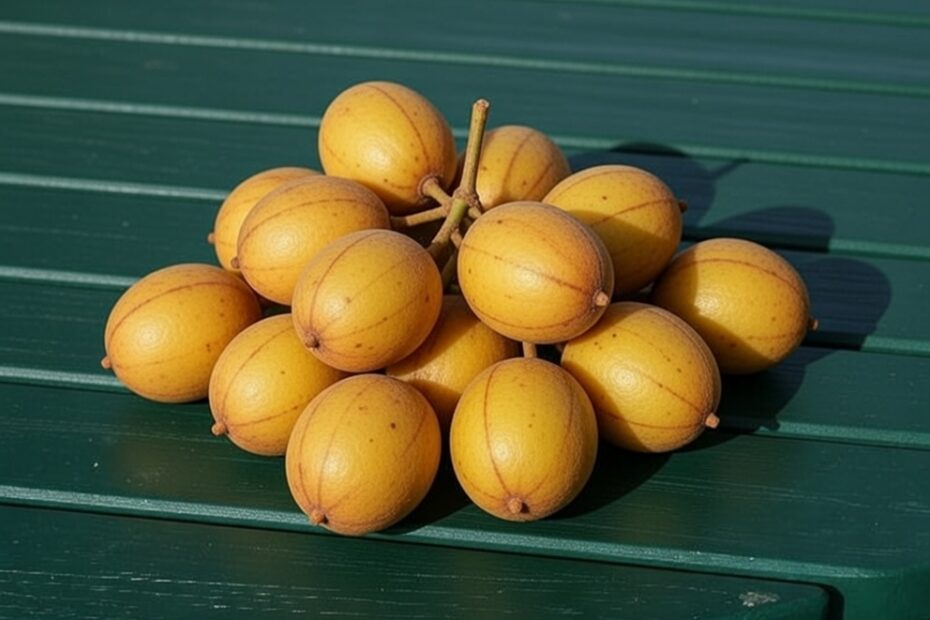
Langsat in Tagalog is called lanzones. It is one of the most popular tropical fruits in the Philippines, especially during harvest season. In Filipino homes,…
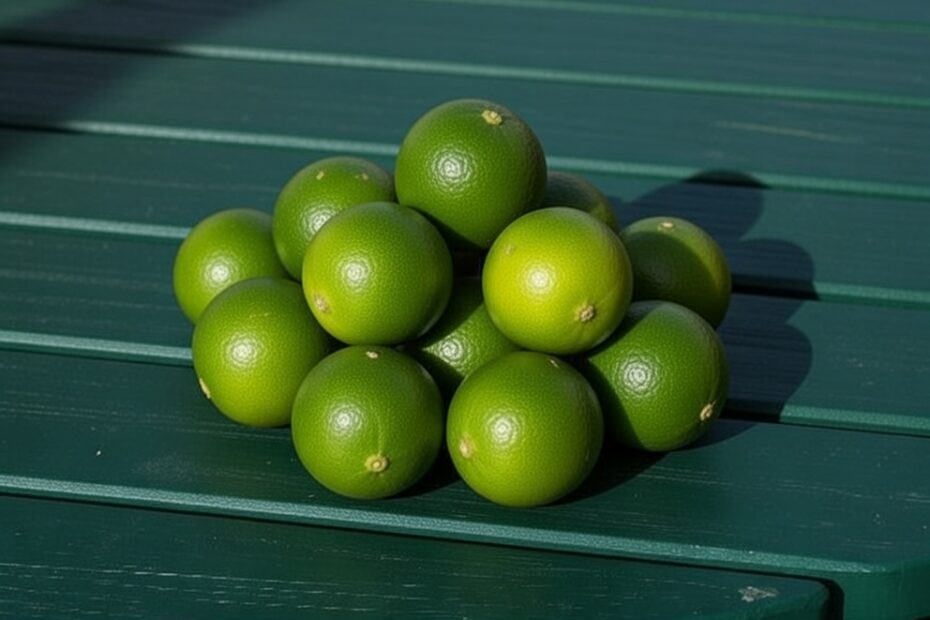
Calamansi in Tagalog is spelled kalamansi (also commonly written as calamansi). In the heart of Filipino kitchens, kalamansi is a cherished citrus fruit known for…
Aso coloring pages are a fun and meaningful way to celebrate one of the most loved animals in the Philippines. Dogs are more than just…
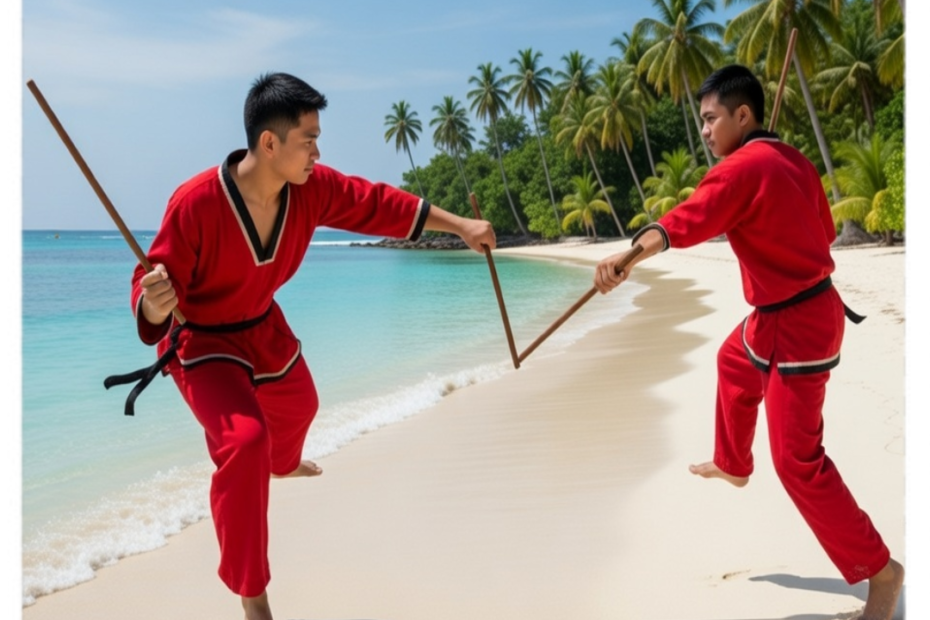
Arnis Pambansang Isport ng Pilipinas is officially recognized as the national martial art and sport of the Philippines. This traditional Filipino fighting system focuses on…
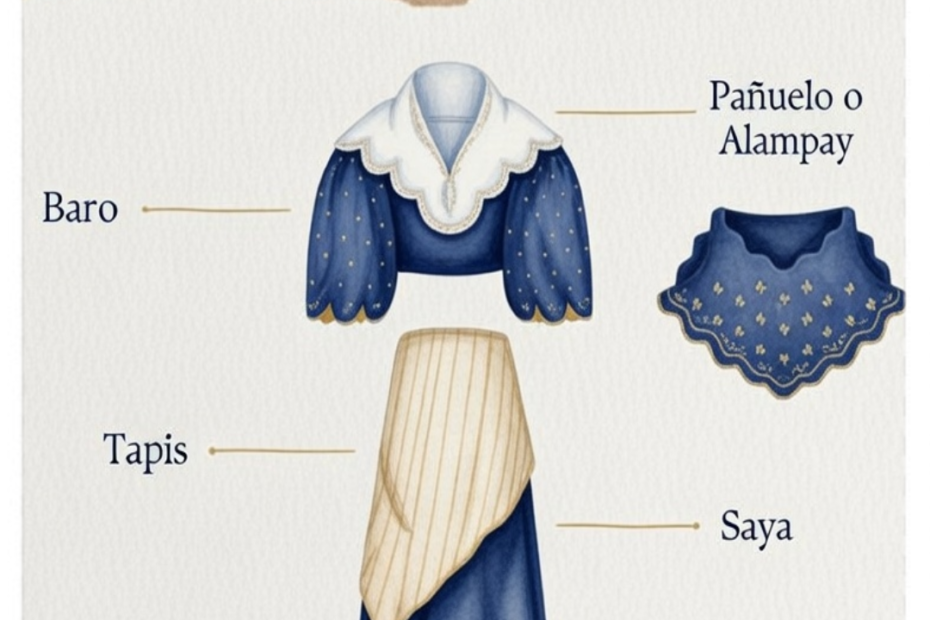
The Baro’t Saya is a timeless traditional Filipino dress that beautifully reflects the country’s rich history, vibrant culture, and enduring identity. More than just clothing,…
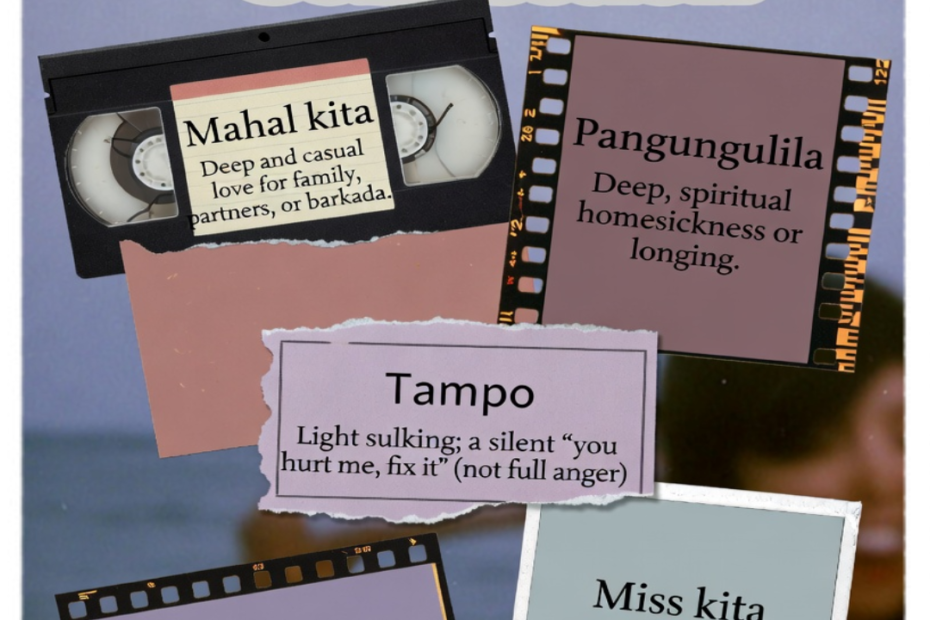
🇵🇭 Pinoy Emotions: The Real-Talk Cheat Sheet Pinoy emotions hit different. We don’t just feel—we announce it with volume, crack a joke through the tears,…
Inspirational Tagalog Words: A lifelong hustle isn’t just about working hard—it’s about showing up with purpose, pushing through seasons of doubt, and choosing growth even…
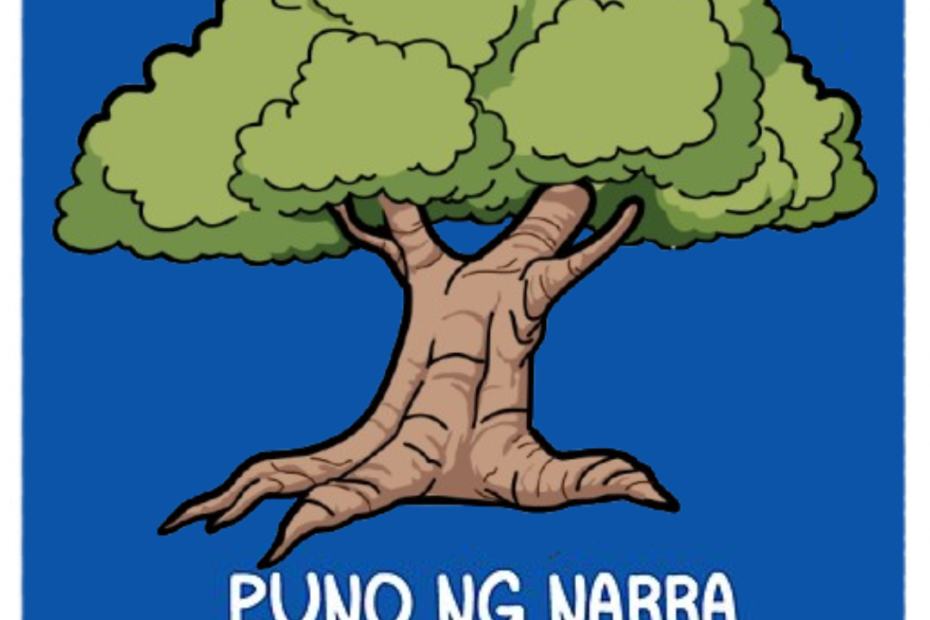
The Narra Tree (Pterocarpus indicus) is an iconic and revered tree in the Philippines. Known for its strength, durability, and beautiful golden-red wood, the Narra…
In This Guide Skip ahead to: Welcome to your comprehensive starting point for learning Tagalog (also widely known as Filipino, the national language of the…
Tagalog Proverbs About Hope and Second Chances: Wisdom for Hearts Ready to Begin Again Hope is one of the most resilient forces in Filipino culture.…
Valentine’s Day in the Philippines is sweet, romantic, and very Pinoy — red roses sold at every street corner, heart‑shaped balloons floating in malls, couples…

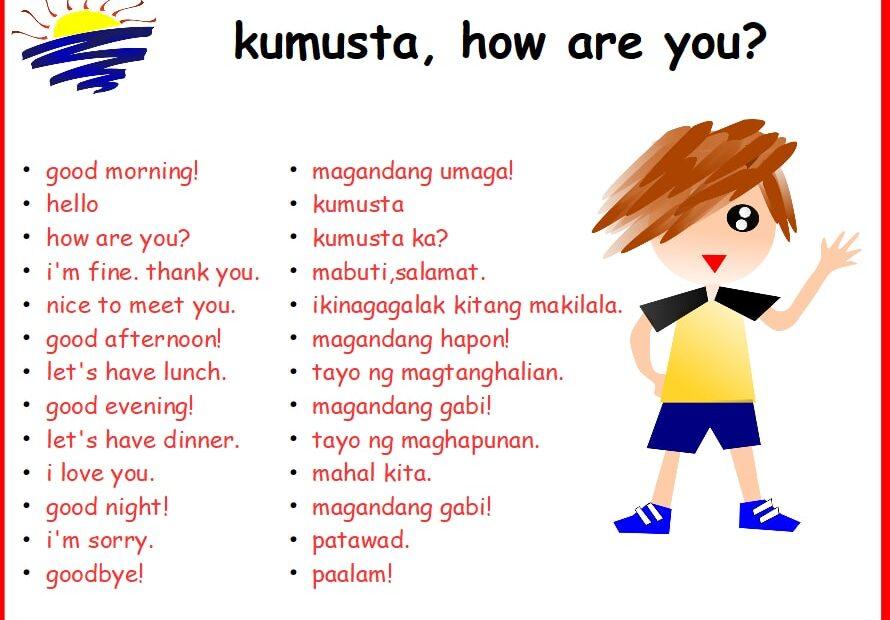
The Filipino language is full of warmth, friendliness, and cultural richness. Learning even a few basic Tagalog phrases can help you connect with Filipinos, navigate…
Clothing is a big part of Filipino culture — from everyday casual wear to traditional outfits worn during fiestas, weddings, and special occasions. If you’re…
Family is at the heart of Filipino culture. In the Philippines, relationships are built on respect, closeness, and deep emotional bonds — values that shape…
Traveling to the Philippines becomes even more meaningful when you know a few Tagalog phrases. Filipinos appreciate visitors who make the effort to speak the…
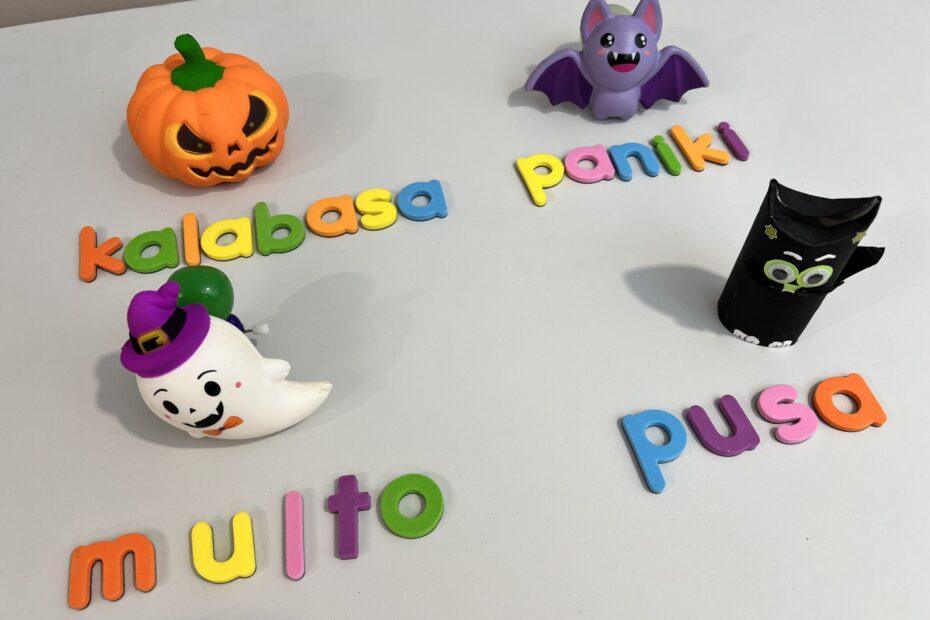
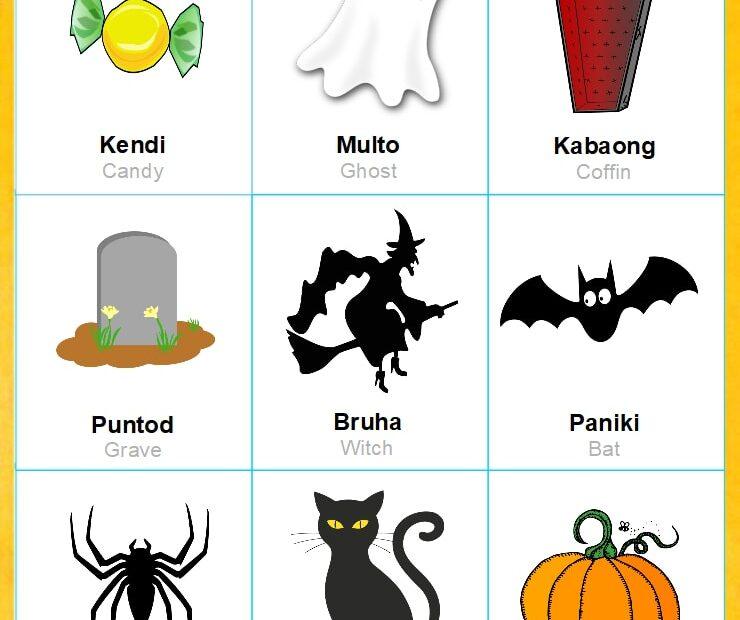
Halloween is the perfect time to make learning fun, creative, and meaningful for kids. This special Tagalog activity guide uses simple items you already have…
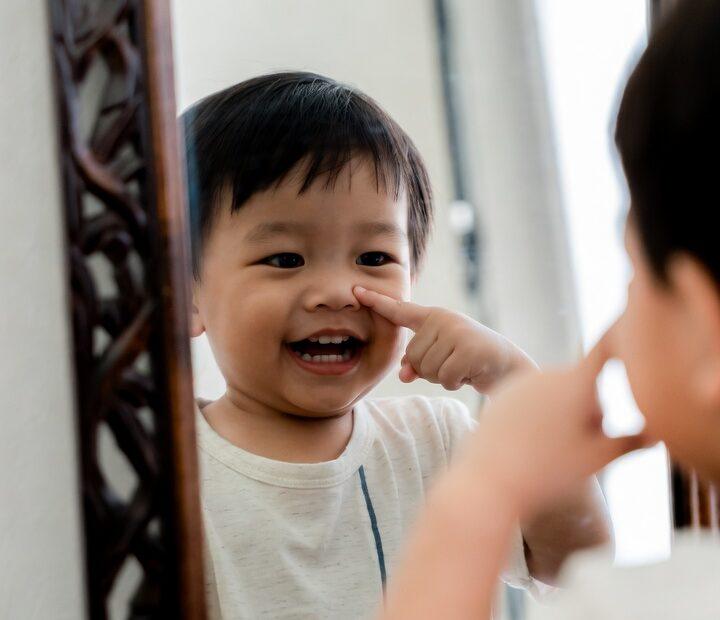
Learning body parts in Tagalog (mga bahagi ng katawan) is one of the most practical ways to start your language journey. Whether you are a…
Women’s clothing in Tagalog is commonly referred to as damit ng kababaihan or kasuotang pambabae. These terms are widely used in everyday conversations when talking…
In Tagalog, vowels are called mga patinig. These are the basic sounds of the Filipino alphabet, and they form the foundation of reading and pronunciation.…
In the Philippines, daily life moves with rhythm and warmth — much like the steady flow of mga sasakyan along the kalsada at dawn. As…
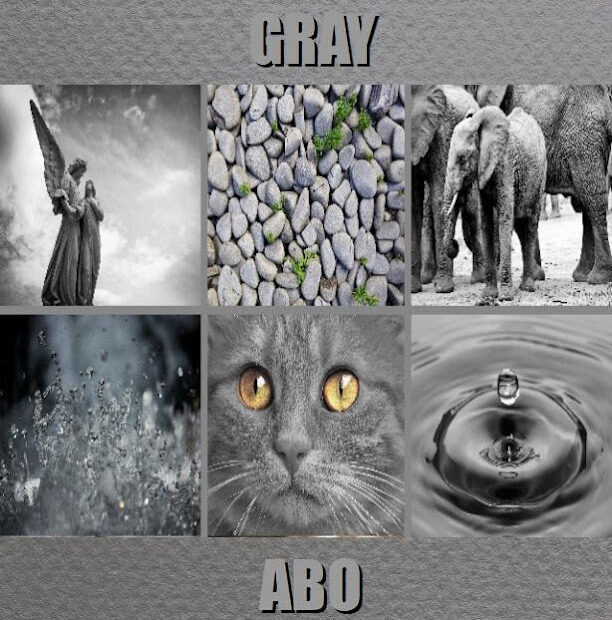
Gray in Tagalog is called abo. In Tagalog, the color gray is kulay abo. It is commonly used to describe objects, animals, clothing, clouds, and…
Tagalog Love Phrases are called “Mga Parirala Tungkol sa Pag-ibig.”These heartfelt expressions are everyday ways Filipinos communicate love, romance, longing, affection, and deep emotional connection—whether…
For many families, a refined Paskong Pinoy is synonymous with our traditional fabrics and the elegance of our heritage. This image, featuring a white star…
I Want to Hug You in Tagalog is translated as Gusto kitang yakapin. This phrase is commonly used to express affection, comfort, love, or emotional…
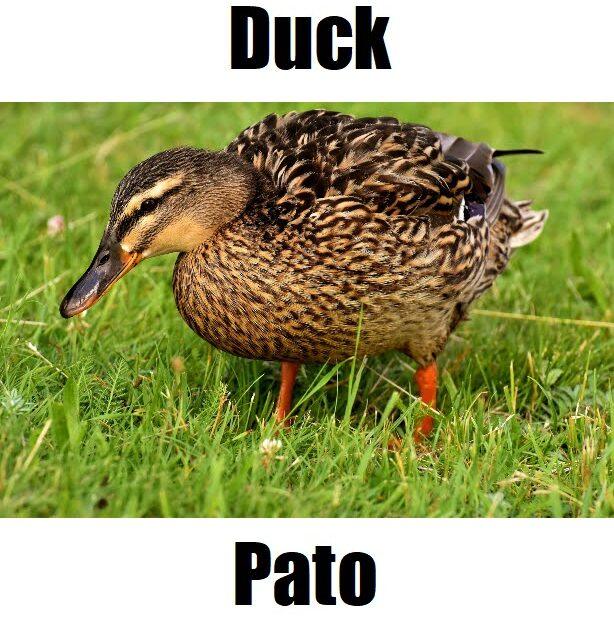
Duck in Tagalog is called pato. In the Philippines, ducks are a familiar and comforting sight. You can find them waddling across rice fields, swimming…
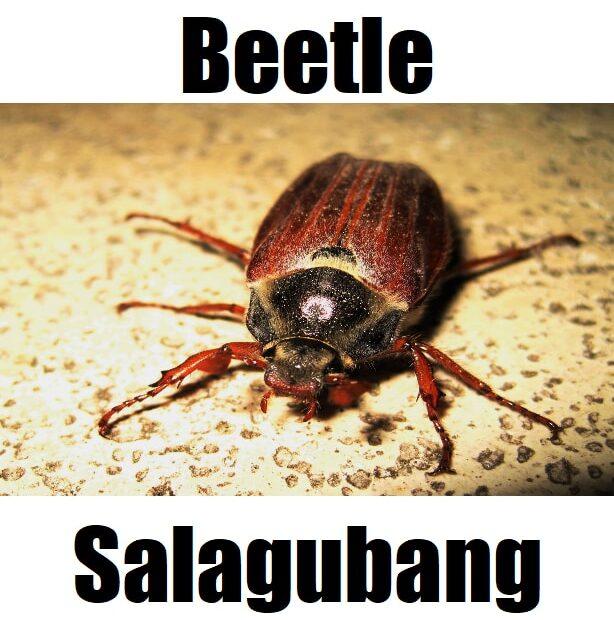
Beetle in Tagalog is salagubang. Beetles are common insects found in farms, forests, coconut plantations, and even backyards across the Philippines. They come in many…
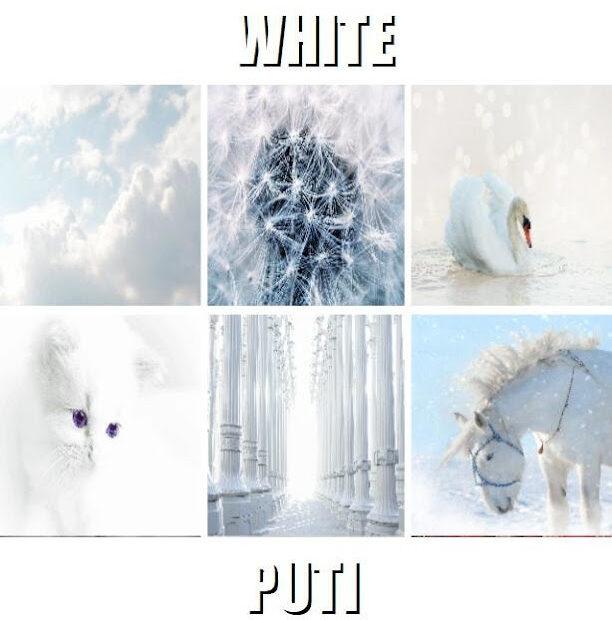
White in Tagalog is called puti. In Tagalog, the color white is kulay puti. It is commonly used to describe clothing, food, objects, and natural…
In the Philippines, daily life moves with rhythm, connection, and community. From early morning conversations to late evening farewells, interactions are filled with warmth and…
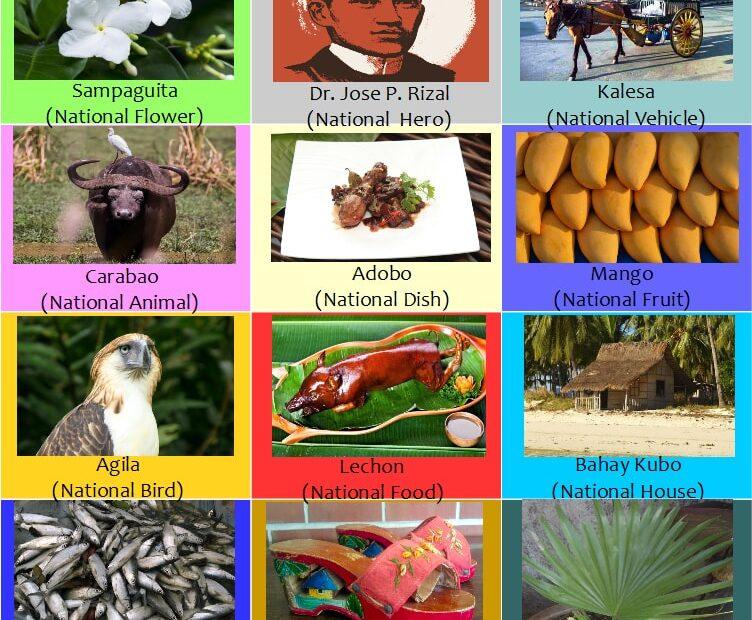
Pambansang Hayop ng Pilipinas: Kalabaw (Carabao) Ano ang Pambansang Hayop ng Pilipinas? – Kalabaw Bilang Simbolo Ang pambansang hayop ng Pilipinas ay ang kalabaw (carabao),…
Termites are small insects that feed mainly on wood and plant material. In the Philippines, Termite in Tagalog is called anay. These insects are commonly…
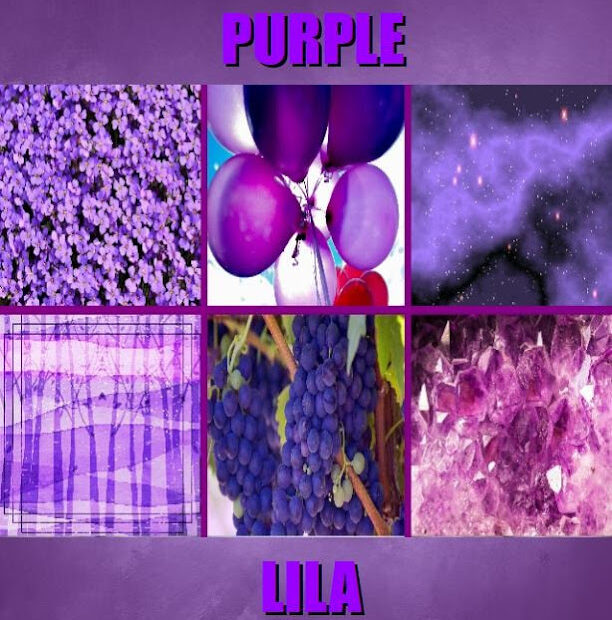
Purple in Tagalog is kulay lila. In Tagalog, lila refers to the color purple, a shade often linked to royalty, power, mystery, and creativity. It…
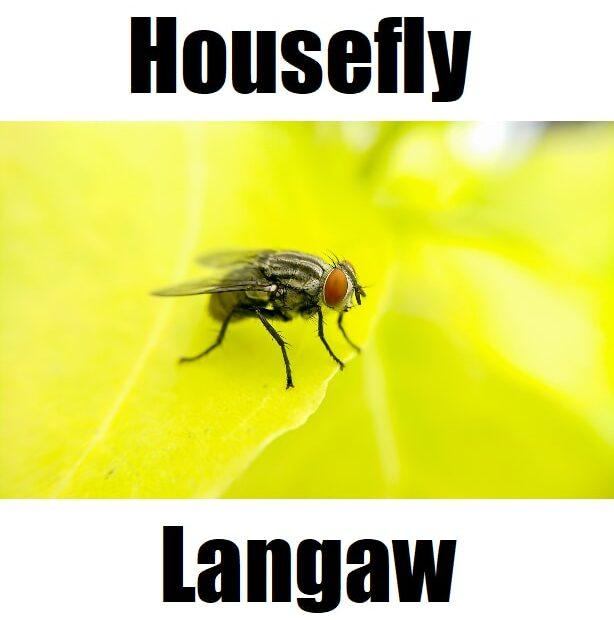
Houseflies are common insects found in homes, farms, public markets, and gardens across the Philippines. Because the country has a warm and humid climate, they…
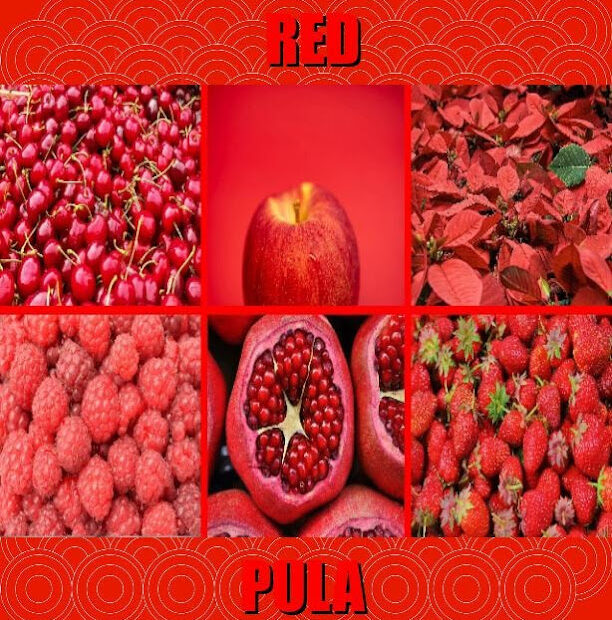
Red in Tagalog is called pula. The word pula refers to the color red in English. It is commonly used in daily conversations when describing…
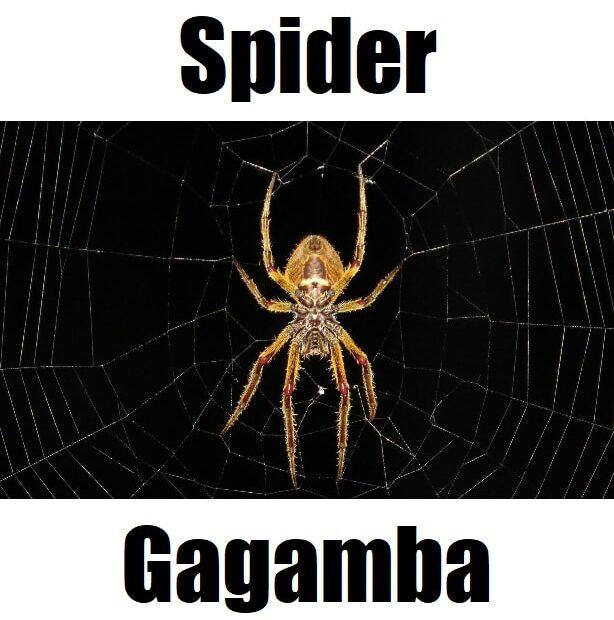
Spider in Tagalog is gagamba. Spiders are arachnids—not insects—and they are commonly found in houses, gardens, farms, and forests throughout the Philippines. Although some species…
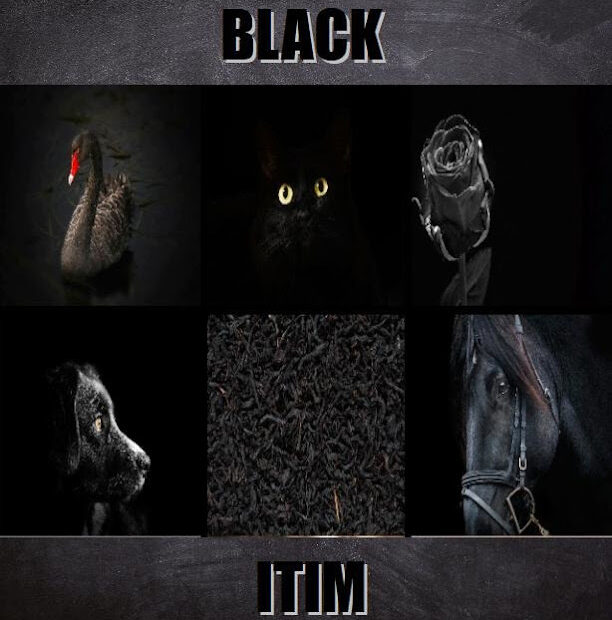
Black in Tagalog is called itim. In Tagalog, the color black is kulay itim. It is commonly used to describe clothing, hair, animals, nighttime scenes,…
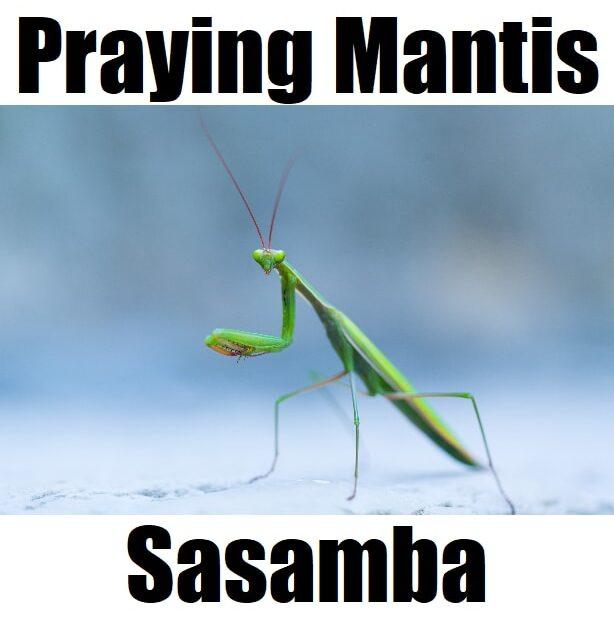
Praying mantis in Tagalog is commonly called samba-samba.In some regions, it is also known as mandarangkal or mandadangkal. The name mandarangkal is believed to be…
In Tagalog, Halloween is called Undas. Although Undas traditionally refers to All Saints’ Day and All Souls’ Day in the Philippines, many modern Filipino families…
In Tagalog, wedding is called kasal. A wedding is one of the most meaningful celebrations in Filipino culture, filled with tradition, family, and joy. Learning…
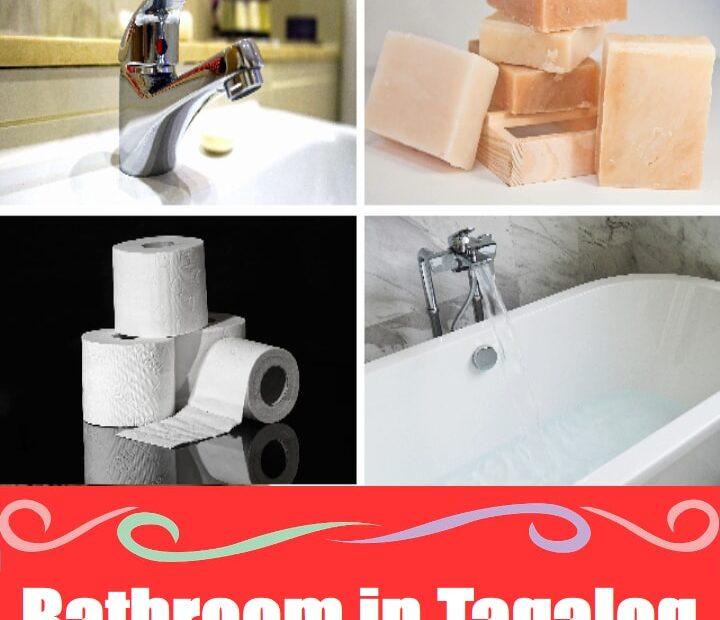
In Tagalog, bathroom is called banyo. The bathroom is an important part of every home, and learning bathroom‑related vocabulary helps children and beginners talk about…
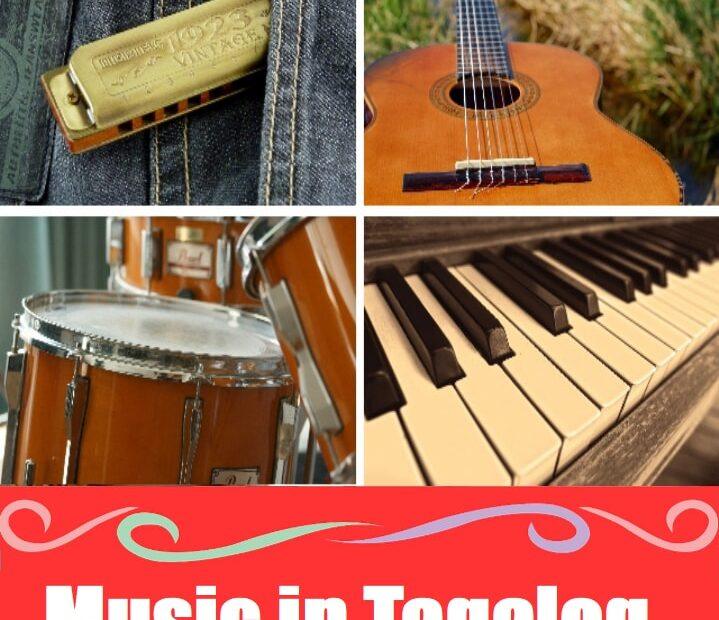
In Tagalog, music is called musika. Music is a big part of Filipino culture — from lullabies and folk songs to choirs, bands, and modern…
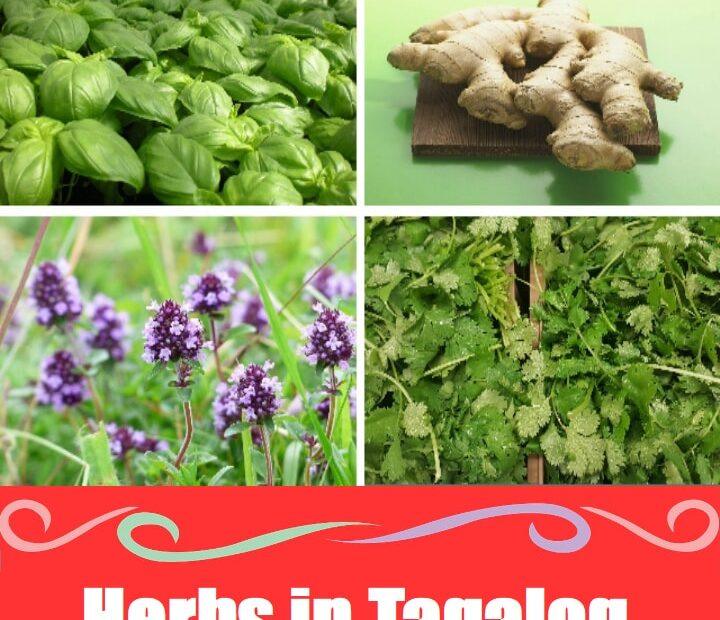
Herbs in Tagalog are an essential part of every Filipino home, used not only for their rich flavors but also for their traditional healing properties.…
In Tagalog, the word Business is translated as Negosyo. Whether you’re learning Filipino for work, school, or everyday conversations, understanding basic business vocabulary can help…
In Tagalog, household items are called mga gamit sa bahay, while furniture is known as muwebles. These are the everyday objects that quietly shape our…
In Tagalog, relationship is called relasyon. Relationships are an important part of Filipino culture — from family ties to friendships and romantic connections. Learning these…