Lunch and Dinner in Tagalog are spelled Tanghalian at Hapunan.
In the Philippines, meals are more than just eating—they are a daily ritual that brings families, friends, and even strangers together. Lunch and dinner are especially important because these meals are shared moments of rest, connection, and tradition.
Learning the Tagalog words for lunch and dinner helps you understand Filipino daily life, food culture, and common conversations. These words are used every day at home, in schools, workplaces, and social gatherings.
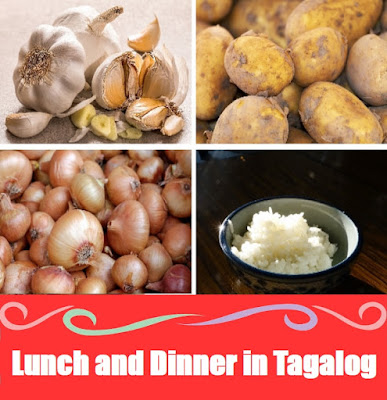
Table of Contents
What Is Lunch and Dinner?
Lunch (Tanghalian) refers to the midday meal, while Dinner (Hapunan) refers to the evening meal. Both meals are usually heavy, rice-based, and shared with family or companions.
In Filipino culture, lunch and dinner are not rushed. Meals are prepared fresh and eaten at regular times, reflecting the importance of structure, respect, and togetherness.
Background and Cultural Context
The Filipino day traditionally includes five meals: almusal (breakfast), segundo almuerzo (morning snack), pananghalian (lunch), merienda (afternoon snack), and hapunan (dinner). Among these, lunch and dinner are considered the most complete meals and almost always include rice, viand, and vegetables.
Quick Facts
- Category: Food / Daily Life Concept
- Used For: Daily meals, family gatherings, social occasions
- Common Context: Home dining, school, work, fiestas
- Related Root Words: Kain (eat), Pagkain (food), Ulam (viand)
Lunch and Dinner Vocabulary Words (Core Terms)
Below is a related vocabulary chart connected to Lunch and Dinner in Tagalog.
| # | English | Tagalog |
|---|---|---|
| 1 | Lunch | Tanghalian |
| 2 | Dinner | Hapunan |
| 3 | Food | Pagkain |
| 4 | Cooked rice | Kanin |
| 5 | Viand / Entrée | Ulam |
| 6 | Soup | Sabaw |
| 7 | Vegetables | Mga gulay |
| 8 | Fish | Isda |
| 9 | Chicken meat | Karne ng manok |
| 10 | Pork | Karne ng baboy |
| 11 | Beef | Karne ng baka |
| 12 | Egg | Itlog |
| 13 | Seafood | Lamang-dagat |
| 14 | Sauce | Sarsa |
| 15 | Condiments | Pampalasa |
| 16 | Garlic | Bawang |
| 17 | Onion | Sibuyas |
| 18 | Tomato | Kamatis |
| 19 | Pepper | Paminta |
| 20 | Butter | Mantikilya |
Traditional Filipino Meal Vocabulary (Expanded Terms)
This second list focuses on traditional Filipino foods commonly eaten during lunch and dinner.
| # | English | Tagalog |
|---|---|---|
| 1 | Garlic fried rice | Sinangag |
| 2 | Salt bread | Pandesal |
| 3 | Chocolate rice porridge | Champorado |
| 4 | Jerky | Tapa |
| 5 | Sweet sausage | Longganisa |
| 6 | Cured meat | Tocino |
| 7 | Corned beef | Karne norte |
| 8 | Smoked fish | Tinapa |
| 9 | Dried fish | Tuyo |
| 10 | Dried milkfish | Daing na bangus |
| 11 | Salted egg | Itlog na pula |
| 12 | Rice cake | Puto |
| 13 | Noodle dish | Pansit |
| 14 | Afternoon snack | Merienda |
| 15 | Whole roasted pig | Lechon |
How Is Lunch and Dinner Used?
The words tanghalian and hapunan are commonly used to talk about daily routines, invitations, and family meals.
1. Daily Meal Reference
These words are used to describe what time people eat.
Examples:
- We eat lunch at noon.
- Dinner is served in the evening.
Lunch and dinner help structure the Filipino day.
2. Family and Social Gatherings
Lunch and dinner are often shared with family and guests.
Examples:
- We had dinner with relatives.
- Lunch was prepared for visitors.
Sharing food strengthens relationships.
3. Invitations and Hospitality
Filipinos often invite others to eat, even passersby.
This reflects warmth, generosity, and politeness.
4. Celebrations and Special Occasions
Lunch and dinner become elaborate during fiestas, weddings, and birthdays.
Multiple dishes are prepared to show abundance and joy.
5. Cultural Etiquette
Meals are eaten together, not in courses. Food is placed on the table all at once.
Eating together symbolizes unity and respect.
Importance and Practical Value of Lunch and Dinner in Tagalog
Lunch and dinner play an essential role in Filipino daily life.
1. Communication Benefit
These words appear in everyday conversations.
2. Cultural Relevance
They reflect Filipino values of family and hospitality.
3. Learning Advantage
They are beginner-friendly and easy to remember.
4. Practical Everyday Use
Used at home, school, work, and travel.
5. Social and Emotional Impact
Eating together creates bonding and comfort.
6. Professional or Academic Value
Useful for language learners, travelers, and educators.
How to Use Lunch and Dinner in Daily Life
- Method 1: Use them when talking about schedules.
- Method 2: Use them when inviting others to eat.
- Method 3: Use them to describe routines.
- Method 4: Use them in food-related conversations.
- Method 5: Practice them with example sentences.
Commonly Used Example Phrases in Tagalog
Below are exactly 10 example phrases using lunch and dinner.
- I ate lunch at home.
Kumain ako ng tanghalian sa bahay. - Dinner is ready.
Handa na ang hapunan. - We had rice for lunch.
May kanin kami sa tanghalian. - She cooked dinner for the family.
Nagluto siya ng hapunan para sa pamilya. - Lunch is served at noon.
Inihahain ang tanghalian sa tanghali. - Dinner was delicious.
Masarap ang hapunan. - They invited us to lunch.
Inimbitahan nila kami sa tanghalian. - We eat dinner together every night.
Sabay-sabay kaming kumakain ng hapunan gabi-gabi. - Lunch includes vegetables and fish.
May gulay at isda ang tanghalian. - Don’t skip dinner.
Huwag laktawan ang hapunan.
Frequently Asked Questions (FAQ)
1. What is lunch and dinner in Tagalog?
Lunch is tanghalian, and dinner is hapunan.
2. What does tanghalian and hapunan mean in English?
They mean lunch and dinner.
3. Is tanghalian and hapunan formal or informal?
They are neutral and used in both formal and informal speech.
4. When should you use these words?
Use them when talking about meals, schedules, or invitations.
5. How do you properly use them in a sentence?
Place them after verbs like kumain, maghanda, or magluto.
Conclusion
Lunch and Dinner in Tagalog, or tanghalian at hapunan, are essential words that reflect Filipino daily life, culture, and values. They go beyond food and represent family, hospitality, and togetherness.
By learning these terms and how they are used, you gain deeper insight into Filipino conversations and traditions, making your language learning more meaningful and practical.