Wedding in Tagalog (Kasal)
In Tagalog, wedding is called kasal. A wedding is one of the most meaningful celebrations in Filipino culture, filled with tradition, family, and joy. Learning…
In Tagalog, wedding is called kasal. A wedding is one of the most meaningful celebrations in Filipino culture, filled with tradition, family, and joy. Learning…
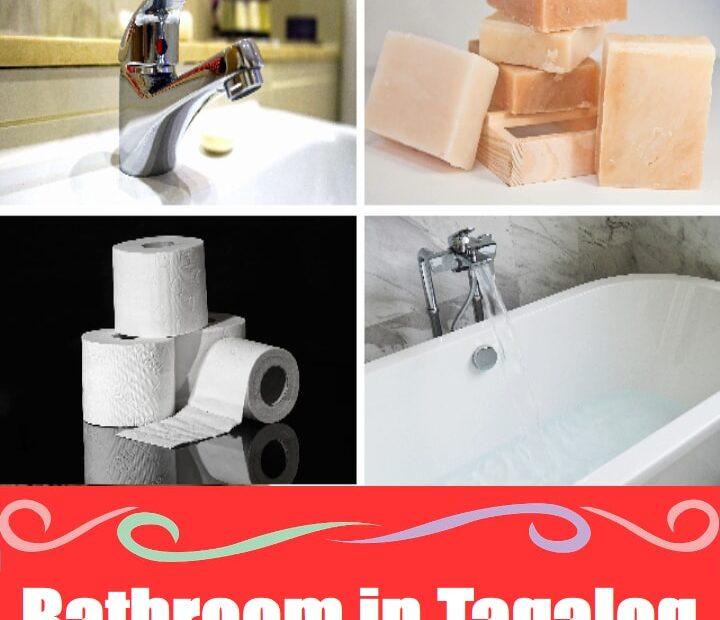
In Tagalog, bathroom is called banyo. The bathroom is an important part of every home, and learning bathroom‑related vocabulary helps children and beginners talk about…
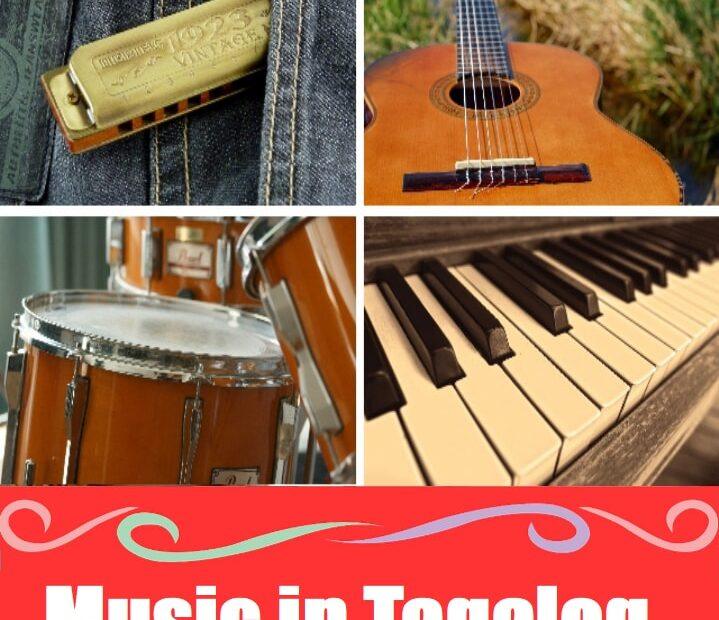
In Tagalog, music is called musika. Music is a big part of Filipino culture — from lullabies and folk songs to choirs, bands, and modern…
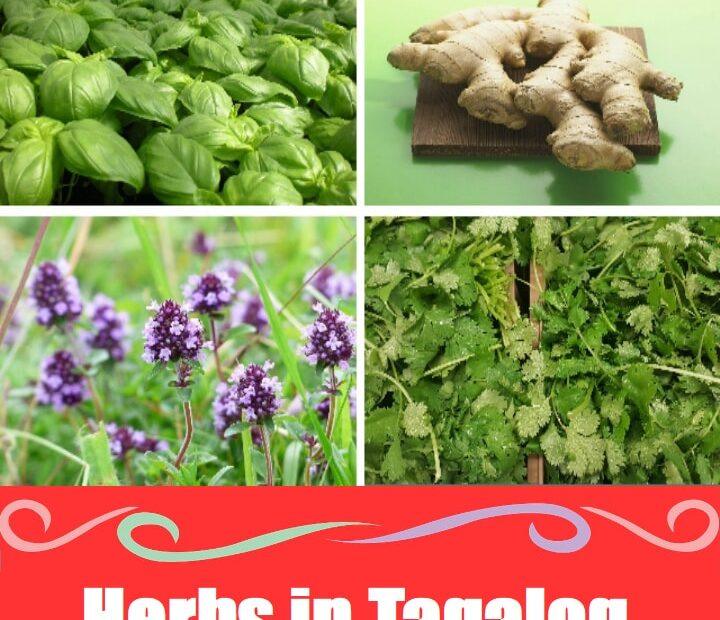
Herbs in Tagalog are an essential part of every Filipino home, used not only for their rich flavors but also for their traditional healing properties.…

In Tagalog, household items are called mga gamit sa bahay, while furniture is known as muwebles. These are the everyday objects that quietly shape our…

In Tagalog, the word Business is translated as Negosyo. Whether you’re learning Filipino for work, school, or everyday conversations, understanding basic business vocabulary can help…
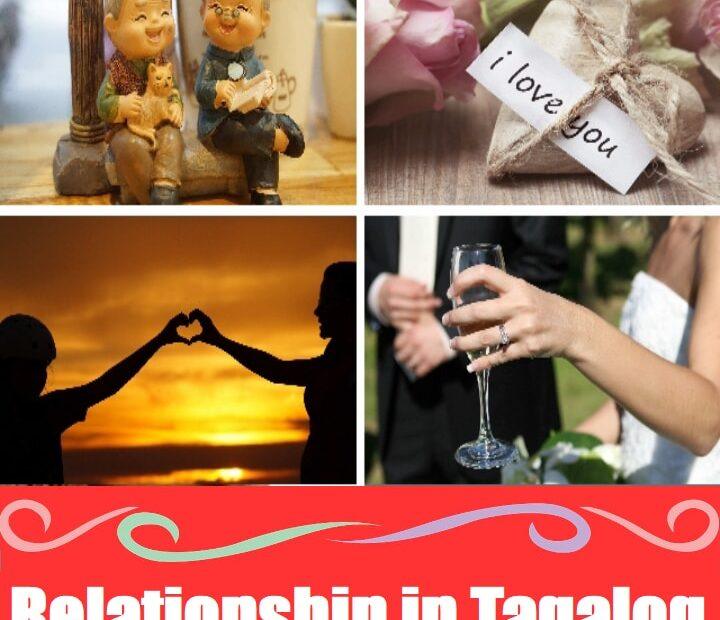
In Tagalog, relationship is called relasyon. Relationships are an important part of Filipino culture — from family ties to friendships and romantic connections. Learning these…

In Tagalog, mathematics is called matematika. Math is an important subject that teaches counting, measuring, problem‑solving, and understanding shapes. Learning math‑related vocabulary helps children and…

In Tagalog, pronouns are called mga panghalip. Pronouns are words used to replace nouns, making sentences smoother and easier to understand. Learning these helps children…
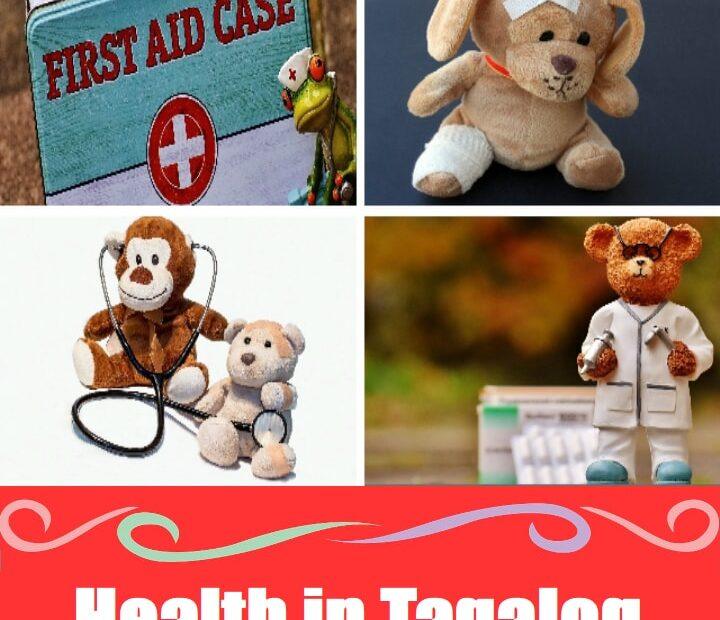
Health Vocabulary in Tagalog is essential for anyone living in or visiting the Philippines. In Tagalog, kalusugan is the most common word used to describe…

In Tagalog, drinks are called mga inumin.These include hot drinks, cold drinks, fruit juices, and even traditional Filipino beverages. Learning these words helps beginners, kids,…

In Tagalog, Asking Love Questions is translated as Mga Tanong Tungkol sa Pag‑ibig. These questions are often used in conversations about love, affection, and relationships.…
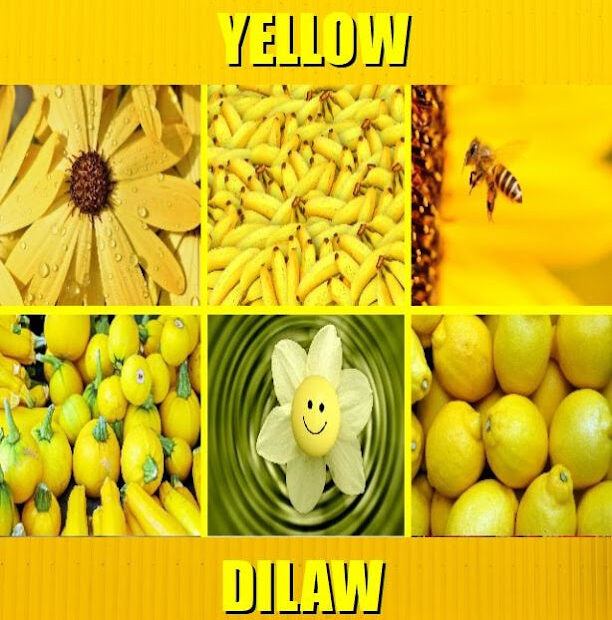
Yellow in Tagalog is called dilaw. In Tagalog, the color yellow is kulay dilaw. It represents brightness, warmth, joy, and positivity. You often hear this…
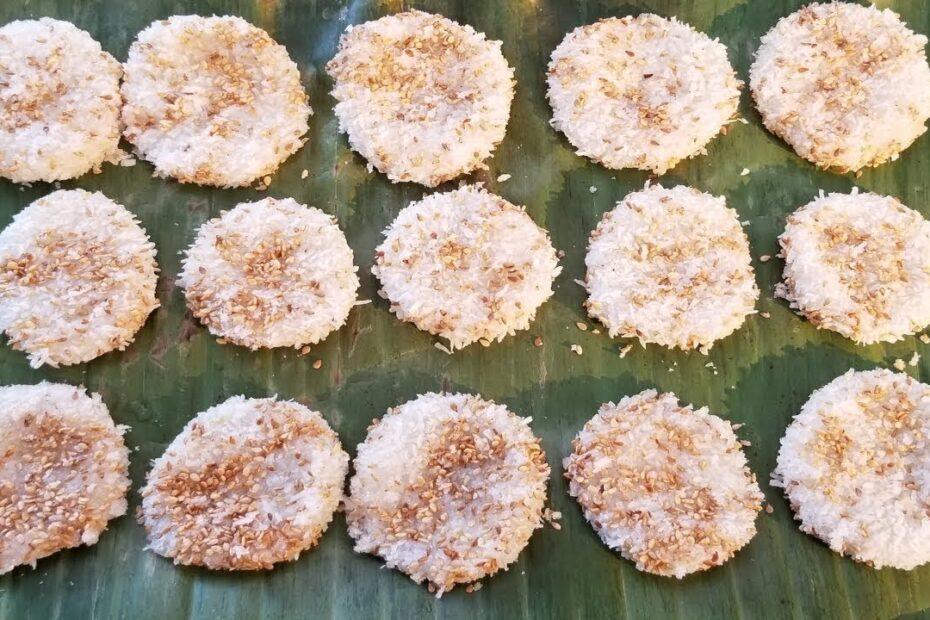
Thanksgiving may be rooted in American history, but Filipinos have a beautiful way of embracing celebrations and making them their own. Whether you’re a Filipino…
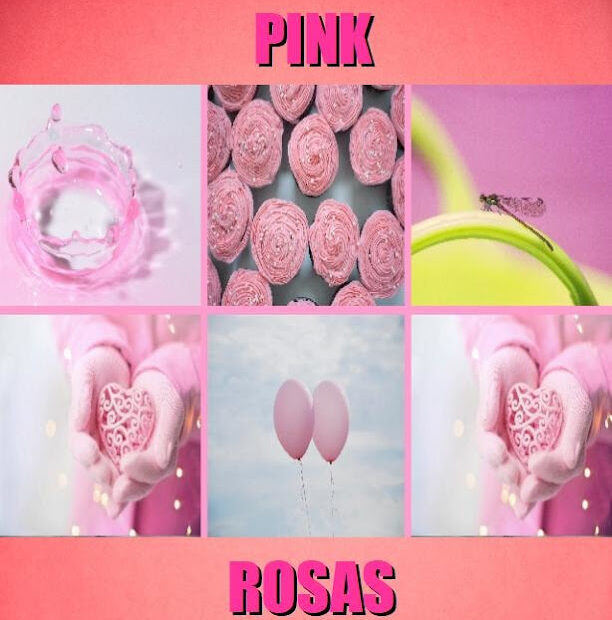
Pink in Tagalog is called rosas. In Tagalog, rosas refers to the color pink, often associated with sweetness, love, friendship, and calmness. It is commonly…
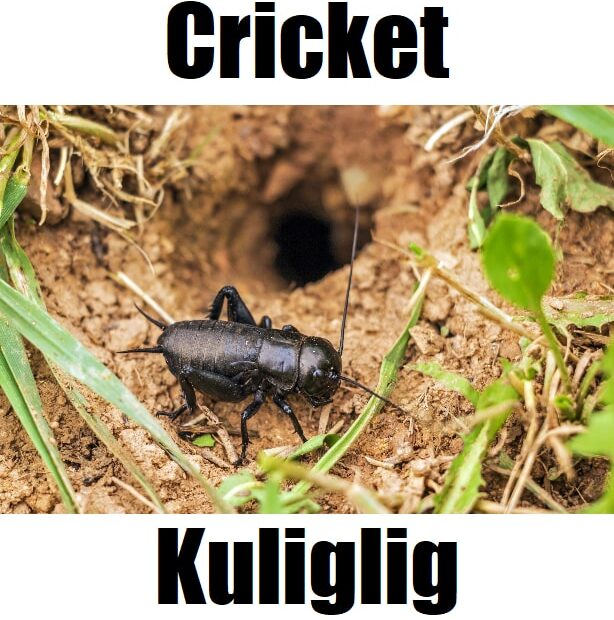
In this post, you will learn the meaning of Cricket in Tagalog, vocabulary words, example sentences, interesting facts, and even a short section about the…
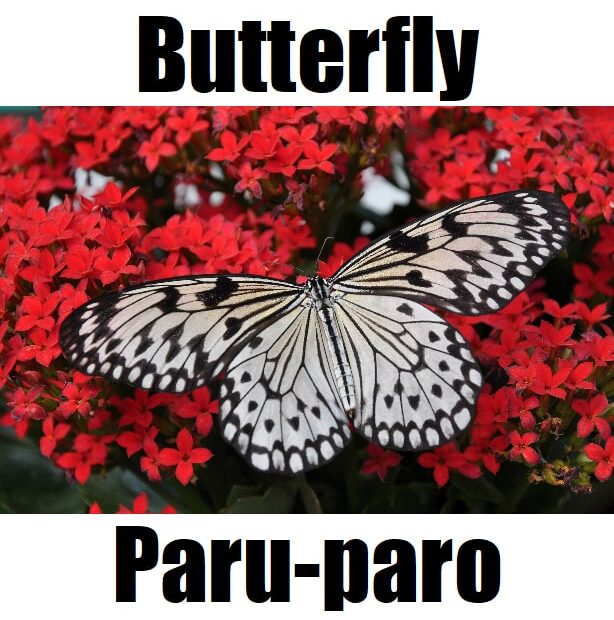
In Filipino culture, the Butterfly in Tagalog, known as Paru-paro, is often associated with beauty, transformation, and lightness. The butterfly symbolizes growth and change, making…

Rainbow colors in Tagalog are called mga kulay ng bahaghari. A rainbow is one of nature’s most beautiful sights, and learning its colors in Filipino…
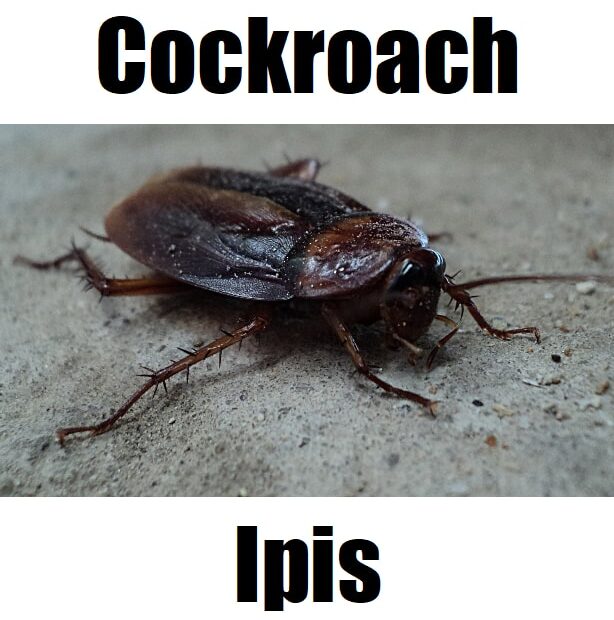
Cockroach in Tagalog is called ipis. If you’re learning Filipino vocabulary or simply curious about common household insects, knowing how to say cockroach in Tagalog…
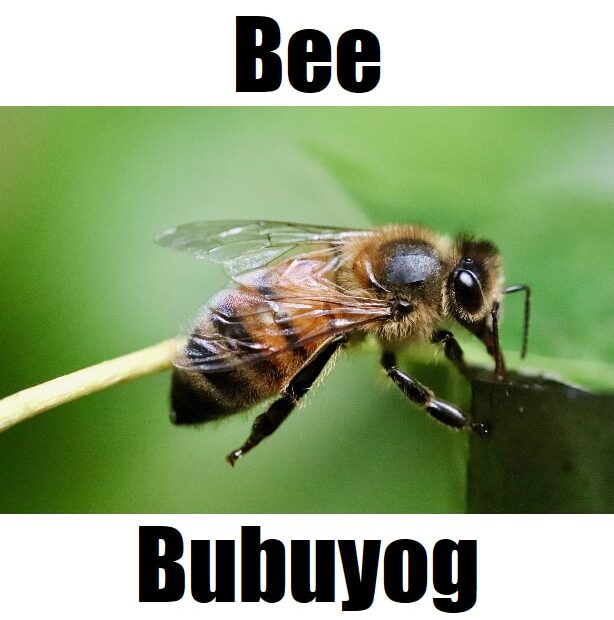
In Tagalog, the word for bee is bubuyog. Whether you’re learning the language or just curious about nature-related vocabulary, understanding how to say bee in…
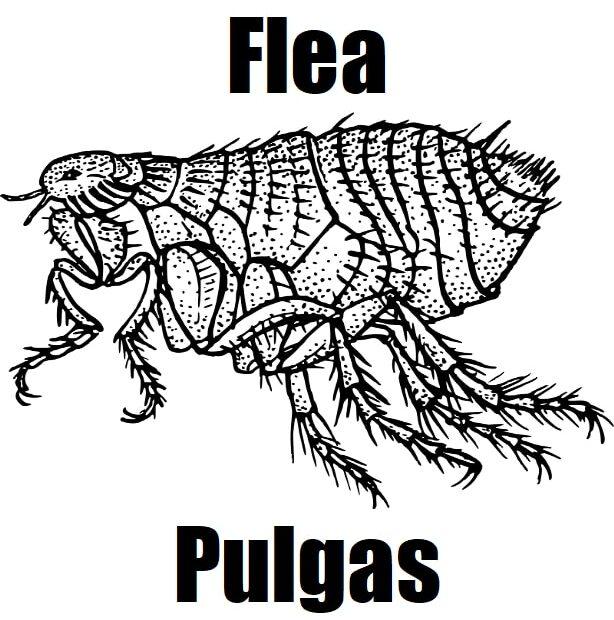
Flea in Tagalog is pulgas. Fleas are tiny, jumping parasites that feed on the blood of animals and sometimes humans. They are commonly found on…
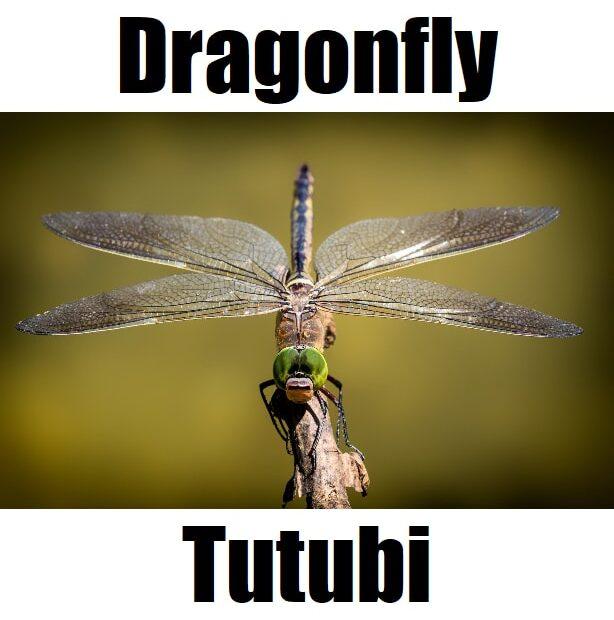
Dragonfly in Tagalog is tutubi.If you are learning Filipino vocabulary or exploring Philippine wildlife, understanding the meaning of dragonfly in Tagalog helps you connect language…
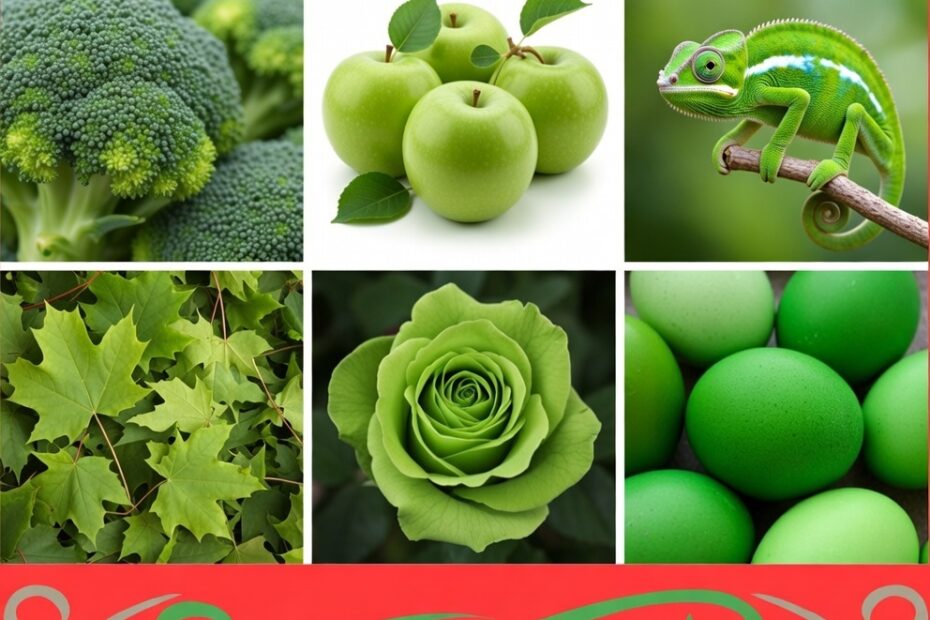
Green in Tagalog is called berde or luntian. In everyday conversations, Filipinos commonly use berde to describe the color green. Meanwhile, luntian is often used…
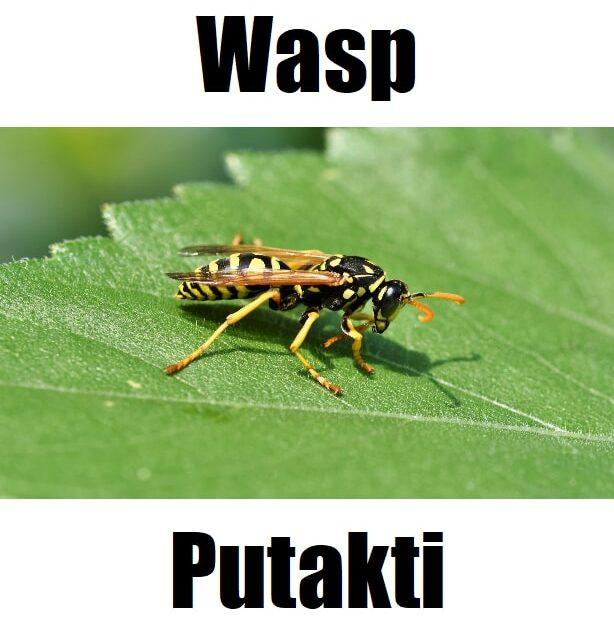
Wasp in Tagalog is called putakti, a stinging flying insect commonly seen in gardens, farms, and sometimes near houses. The term Wasp in Tagalog refers…

In Tagalog, I am sorry is commonly expressed as Patawad.Filipinos use different words and phrases to show apology, sympathy, regret, or emotional concern. Learning these…
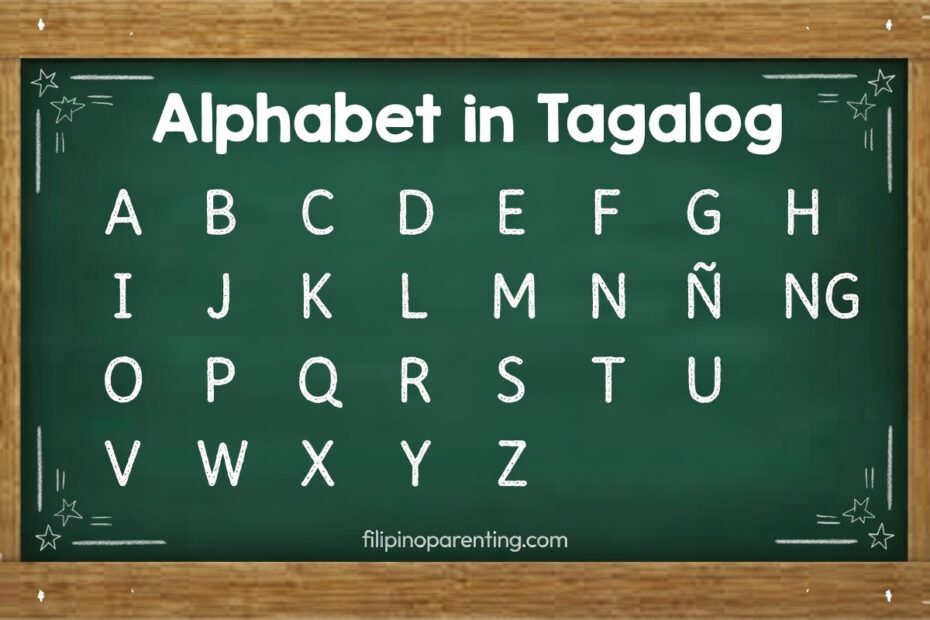
The Alphabet in Tagalog, also known as the Filipino alphabet or alpabeto, is the official 28-letter writing system used in the Philippines. Based on the…

In Tagalog, Counting Numbers 11–20 is called Pagbilang ng Mga Numero 11–20. These numbers are important for young learners and beginners studying the Filipino language.…
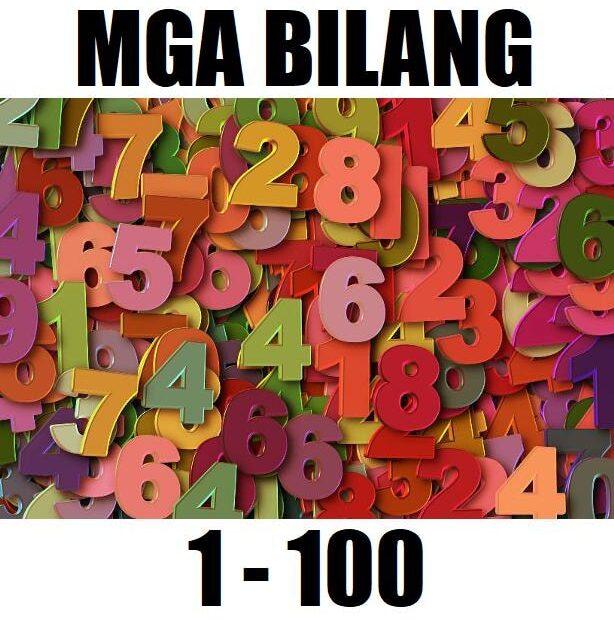
Tagalog numbers 1 – 100 are an important milestone for language learners and families teaching Filipino culture at home. Mastering the 1–100 Tagalog number sequence…
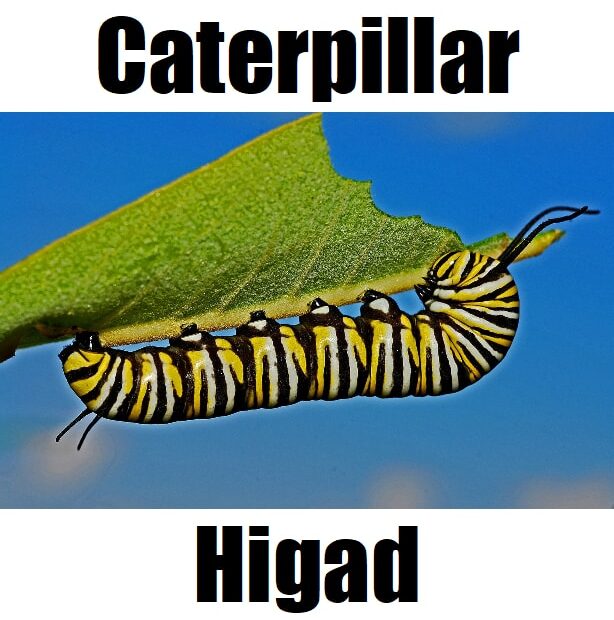
In Tagalog, a caterpillar in Tagalog is called higad or uod.The word higad usually refers to hairy or stinging caterpillars, while uod is a more…

In Tagalog, the phrase “Good night” is translated as “Magandang gabi.” It’s a simple but meaningful expression used to end the day with warmth, respect,…
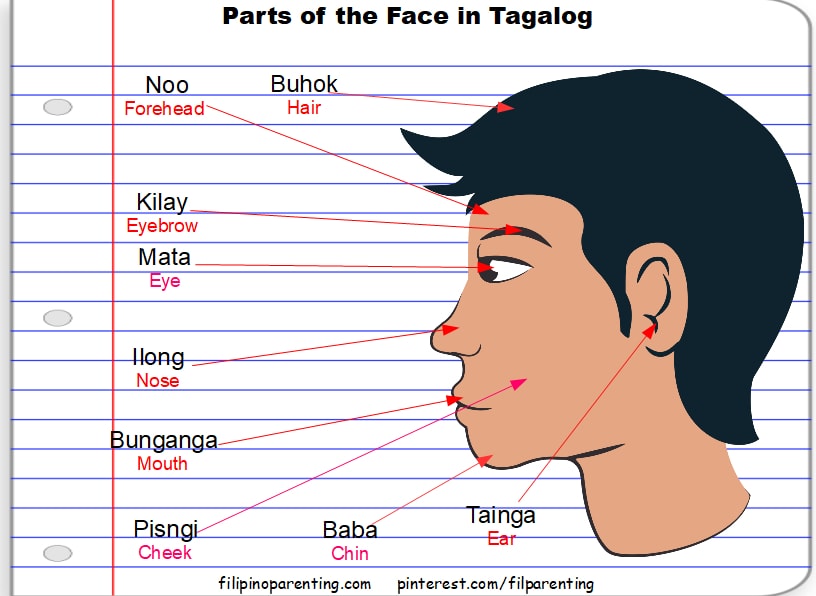
Learning the parts of the head and face in Tagalog is a fantastic way to build your basic Filipino vocabulary. Whether you are a parent…
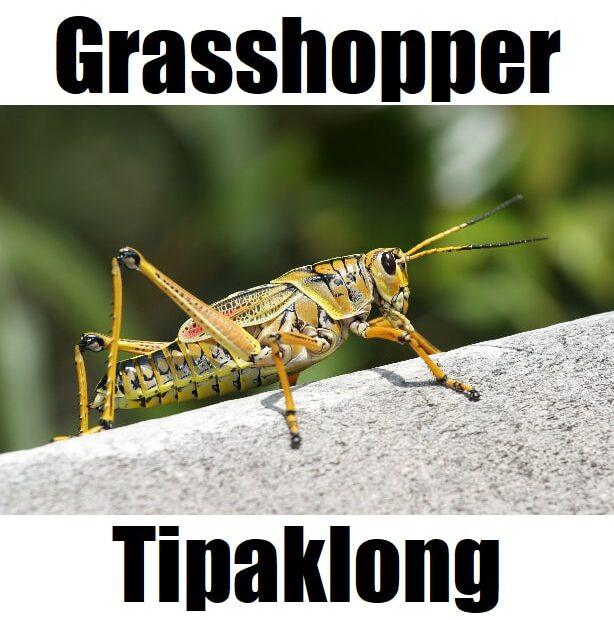
Grasshoppers are common insects found in farms, gardens, and grassy fields across the Philippines. They are known for their strong legs, quick hops, and ability…
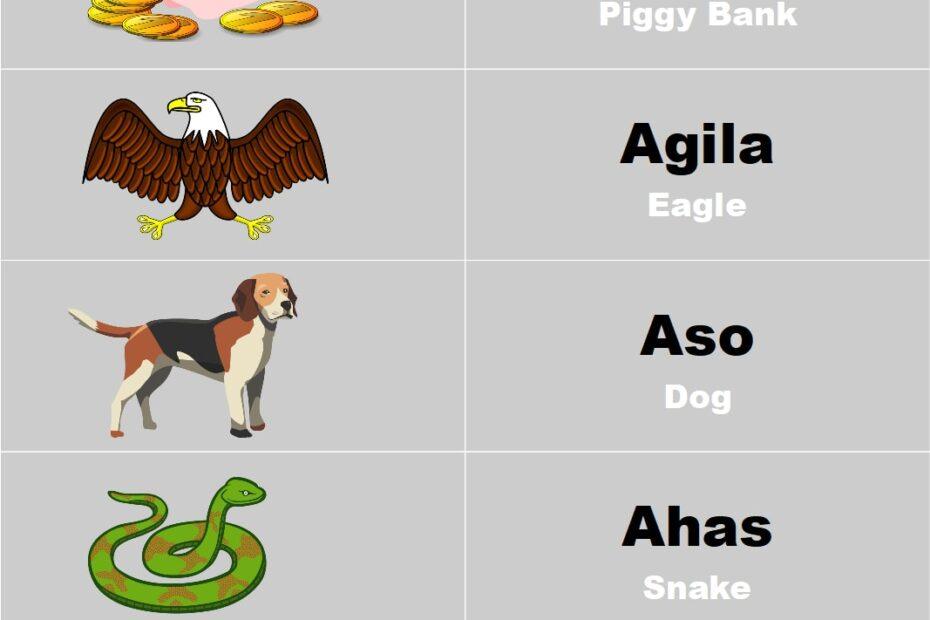
Learning Tagalog Words Starting With Letter A becomes easier when you explore the language one letter at a time. The letter A — or Letra…
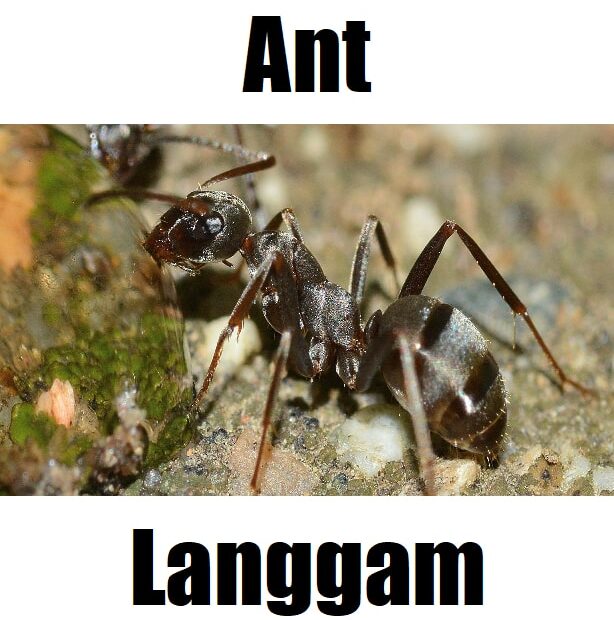
The word for ant in Tagalog is Langgam, a common term used throughout the Philippines to describe these small yet incredibly strong insects. Understanding the…

In Tagalog, entertainment is called libangan.It refers to activities that help people relax, have fun, and enjoy their free time. Filipinos love music, movies, games,…

Tagalog crime vocabulary is a vital part of staying informed and safe. Whether you are a dedicated student or a traveler in the Philippines, mastering…
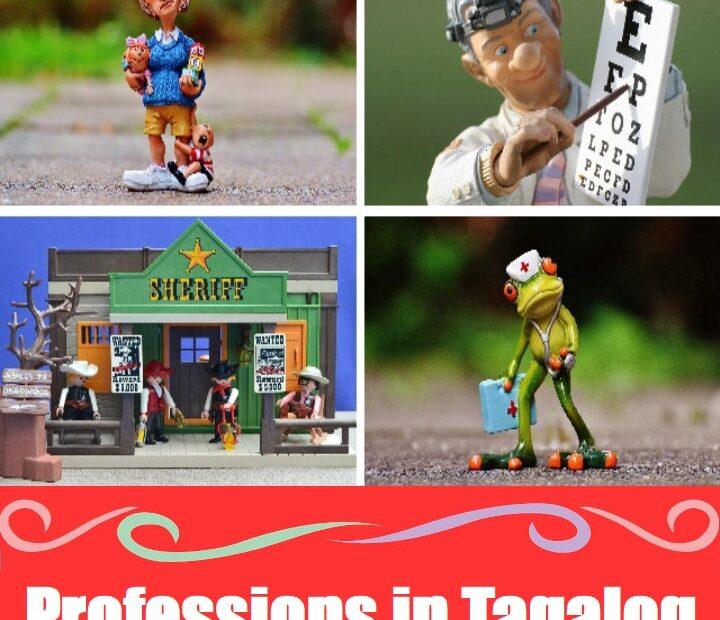
In Tagalog, profession is called hanapbuhay. A hanapbuhay is any job, career, or livelihood that a person does to earn a living. Learning these words…
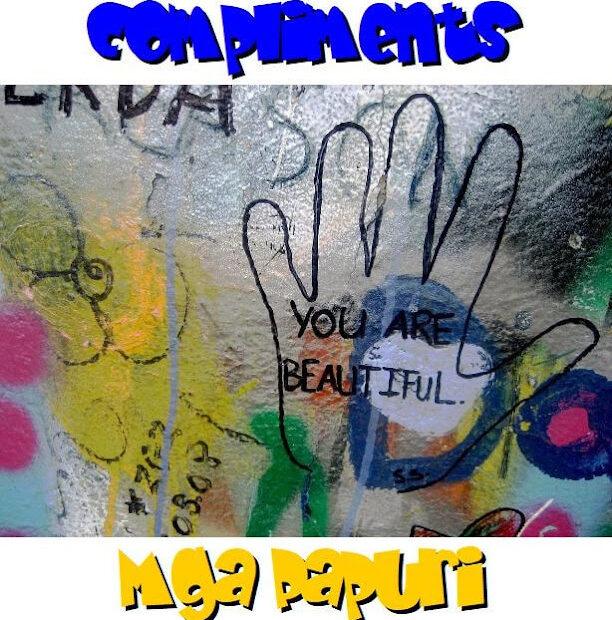
Compliments in Tagalog are spelled mga papuri. Compliments are kind words used to express praise, admiration, or appreciation, and mga papuri are commonly used in…