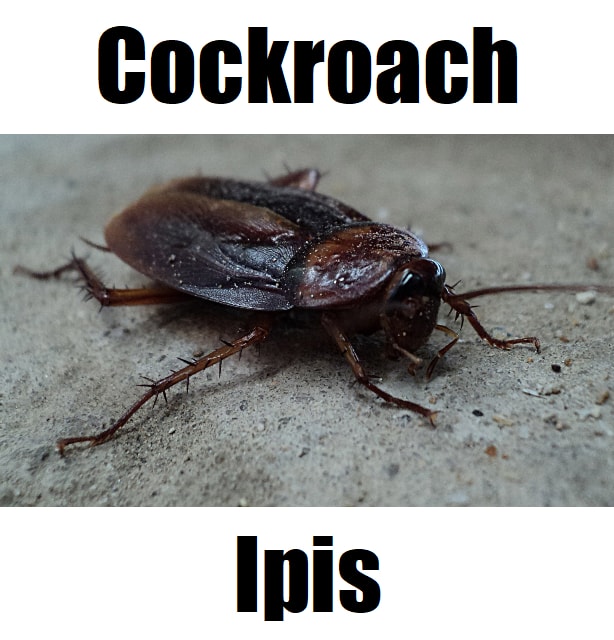
Cockroach in Tagalog is called ipis. If you’re learning Filipino vocabulary or simply curious about common household insects, knowing how to say cockroach in Tagalog can help you understand everyday conversations better.
In this post, you will learn the vocabulary words related to cockroach in Tagalog, along with simple example phrases you can practice and use. You’ll also discover interesting facts about cockroaches in the Philippines.
Let’s explore the world of the ipis!
Table of Contents
Cockroach Vocabulary Words in Tagalog
Here are useful words related to cockroach in Tagalog:
Cockroach – Ipis
Insect – Insekto
Animal – Hayop
Pest – Peste
Dirty – Marumi
Disease – Sakit
Illness – Karamdaman
House – Bahay
Farm – Bukid
Invertebrate – Hayop na walang buto
Learning these words helps you better understand how people talk about cockroach in Tagalog and household pests. When you recognize terms like ipis, peste, and marumi, you can follow conversations more easily and express your thoughts more clearly. It also helps you understand signs, school lessons, and everyday discussions about cleanliness and health.
Building your vocabulary around cockroach in Tagalog strengthens both your language skills and your awareness of common household insects. The more words you learn, the more confident you become in speaking and understanding Filipino in real-life situations.
Cockroach Example Phrases in Tagalog
Here are simple sentences you can practice:
Cockroaches can live in cold climates.
Ang mga ipis ay maaaring mabuhay sa malamig na klima.
A cockroach can run very fast.
Ang ipis ay kayang tumakbo nang napakabilis.
Cockroaches like moist places.
Ang mga ipis ay mahilig sa mamasa-masang lugar.
Some cockroaches have wings.
May pakpak ang ilang uri ng ipis.
There are many cockroaches in the world.
Maraming ipis sa mundo.
Practicing these sentences will help you remember that cockroach in Tagalog is ipis. Repeating the phrases out loud strengthens your memory and improves pronunciation at the same time. The more you see and use the word ipis in real sentences, the easier it becomes to recall it naturally in conversations.
Regular practice also builds confidence in both reading and speaking Filipino. Instead of just memorizing that cockroach in Tagalog is ipis, you begin to understand how the word fits into everyday sentences. Over time, this simple habit makes learning new vocabulary faster, easier, and more effective.
Cockroaches in the Philippines
When learning about cockroach in Tagalog, it’s interesting to know that the Philippines has:
- 127 recorded cockroach species
- 63 endemic species (found only in the Philippines)
- 12 introduced species
- Over 4,500 species worldwide
Because the Philippines has a warm and humid tropical climate, cockroaches can survive and multiply easily in both cities and rural areas.
Common Cockroach Species Found in the Philippines
Here are the most common types of cockroach in Tagalog households:
German Cockroach (Blattella germanica)
- Small and light brown
- Found in kitchens and bathrooms
- Reproduces quickly
American Cockroach (Periplaneta americana)
- Large and reddish-brown
- Can fly short distances
- Found in basements and drains
Brown-Banded Cockroach (Supella longipalpa)
- Smaller in size
- Has light bands across its back
- Likes warm, dry places
Understanding these species helps you better identify cockroach in Tagalog environments.
Parts of a Cockroach in Tagalog
A cockroach has three main body sections and several important parts.
Ulo – Head
Toraks – Thorax
Abdomen – Abdomen
Pakpak – Wings
Antena – Antennae
Binti – Legs
Mata – Eyes
Cockroaches use their antena to smell and sense their surroundings. Their six paa (legs) help them run fast. Some species have pakpak (wings).
Learning the body parts makes studying cockroach in Tagalog more interesting and educational. When you know the names of parts like ulo (head), antena (antennae), and pakpak (wings), it becomes easier to describe how a cockroach moves, senses its surroundings, and survives. Understanding these terms also helps connect language learning with science, making the lesson more meaningful.
By combining vocabulary with real-world knowledge, studying cockroach in Tagalog becomes more than just memorizing words — it becomes a fun way to explore nature while building stronger Filipino language skills.
Why Cockroaches Are Considered Pests
Cockroaches are called pests because they:
- Can contaminate food
- Carry bacteria
- Trigger allergies
- Thrive in dirty or moist areas
That is why cleanliness is important to prevent cockroach problems. Keeping your home clean reduces the food, water, and shelter that cockroaches need to survive. Simple habits like wiping kitchen counters, sweeping the floor, sealing food containers, and taking out the trash regularly can make a big difference. Fixing leaks and removing clutter can also help prevent cockroaches from hiding and multiplying.
By maintaining a clean and organized space, you not only reduce cockroach problems but also create a healthier and more comfortable home for everyone.
FAQ: Cockroach in Tagalog
What is cockroach in Tagalog?
Cockroach in Tagalog is ipis.
How many cockroach species are in the Philippines?
There are 127 recorded species, including 63 endemic species.
How many legs does a cockroach have?
A cockroach has six (6) legs.
Why are there many cockroaches in the Philippines?
Because the country has a warm and humid climate, which cockroaches like.
Conclusion
By learning vocabulary words, example sentences, body parts, and species information, you gain a better understanding of cockroach in Tagalog and how these insects live in the Philippines. You also learn how language and science connect, helping you describe everyday things more clearly and confidently.
Learning new words like cockroach in Tagalog improves both English and Filipino vocabulary while also teaching you about the natural world. Even common household insects can become interesting when you understand their names, body parts, and behaviors.
The more you practice using cockroach in Tagalog in simple sentences, the easier it becomes to remember. Small lessons like this build stronger language skills over time.
Keep exploring, keep learning new words, and stay curious — because even something as small as an ipis can teach you something new!