
Religion Vocabulary Word List in Tagalog (Mga Salitang Kaugnay ng Relihiyon)
In Tagalog, the word religion is translated as relihiyon or pananampalataya. Both words are commonly used in everyday conversation, especially in a country like the…
In Tagalog, the word religion is translated as relihiyon or pananampalataya. Both words are commonly used in everyday conversation, especially in a country like the…
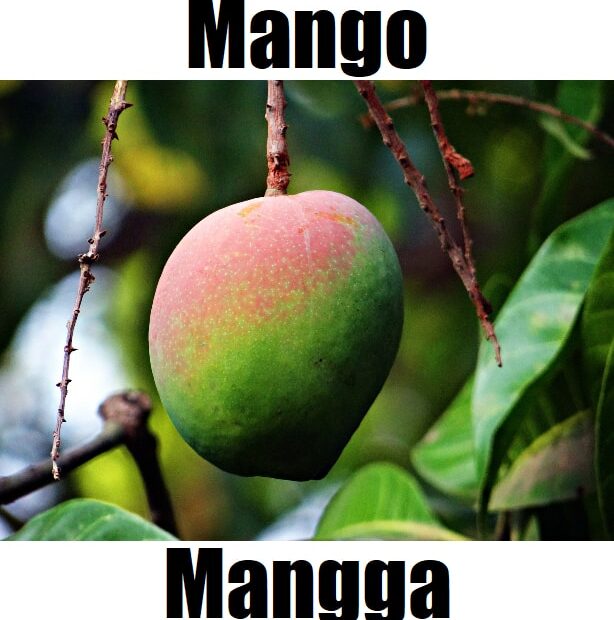
Mango in Tagalog is called mangga. If you are learning Filipino, knowing how to say mango in Tagalog is very useful because mangoes are one…

Banana in Tagalog is called saging. If you’re learning Filipino, knowing how to say banana in Tagalog is essential. Bananas are one of the most…
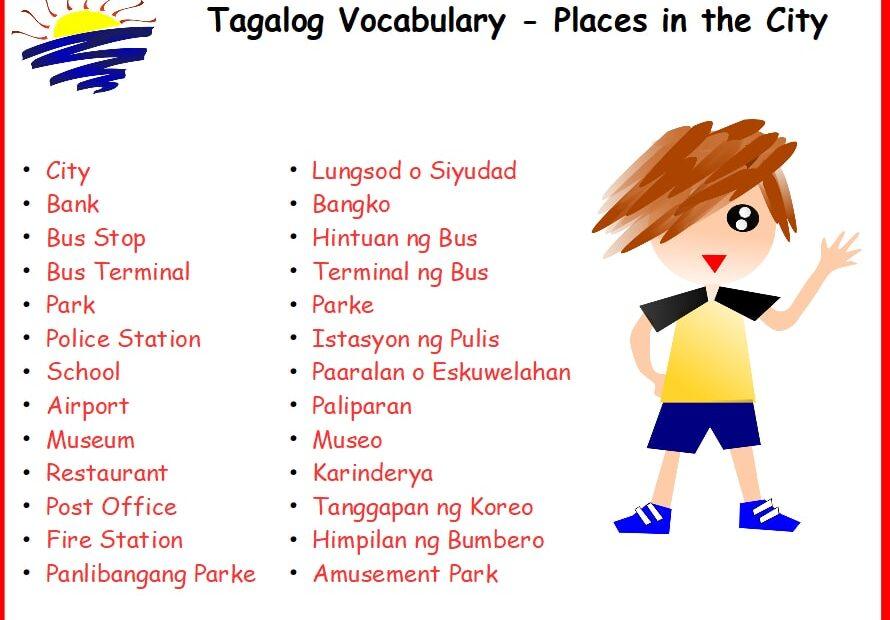
In Tagalog, the word city is translated as lungsod or siyudad.Cities are filled with important places such as schools, hospitals, parks, and transportation hubs. Learning…
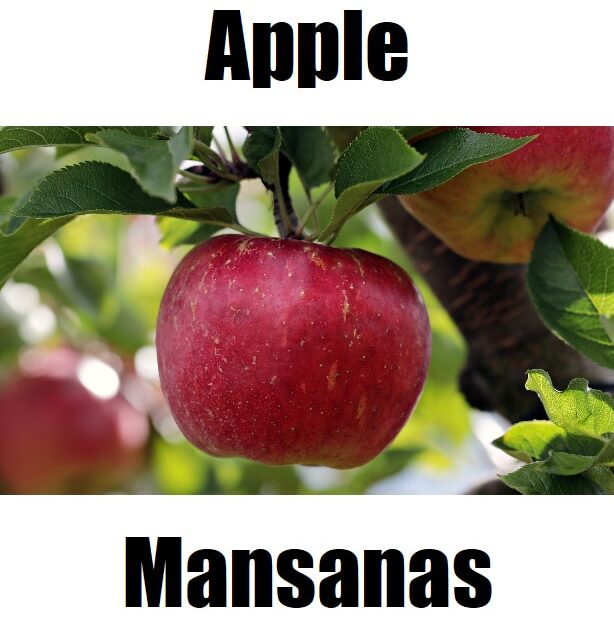
Apple in Tagalog is called mansanas. The word mansanas is a noun borrowed from the Spanish word manzana. Although many Filipinos understand and sometimes use…

Magandang umaga! Breakfast — or almusal — is a big part of Filipino culture. From hearty silog meals to warm porridge and freshly baked bread,…
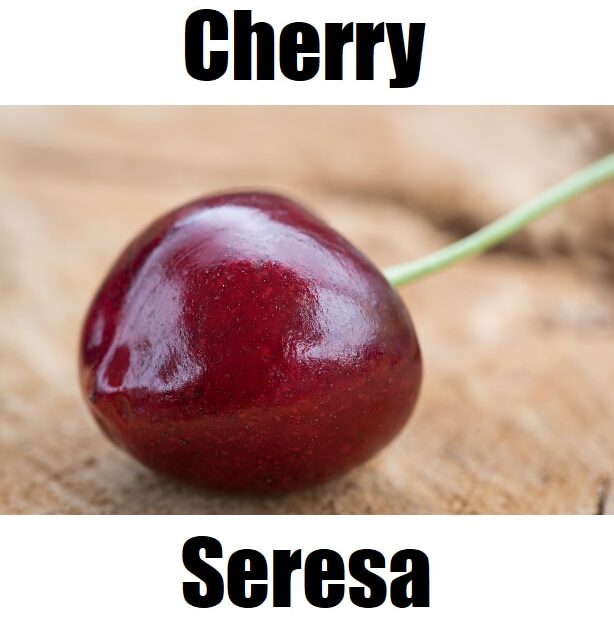
Cherry in Tagalog is called seresa. The Tagalog word for cherry is seresa, which is derived from Spanish. Since cherries are not native to the…

Science in Tagalog, commonly known as Agham or Siyensya, is the systematic study of the natural world through observation, experimentation, and analysis. These science terms…
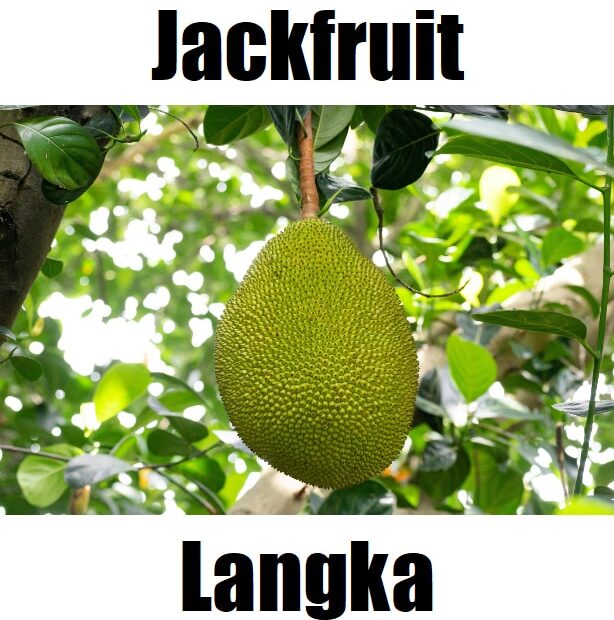
Jackfruit in Tagalog is called langka. If you are learning Filipino, knowing how to say jackfruit in Tagalog will help you expand your fruit vocabulary…
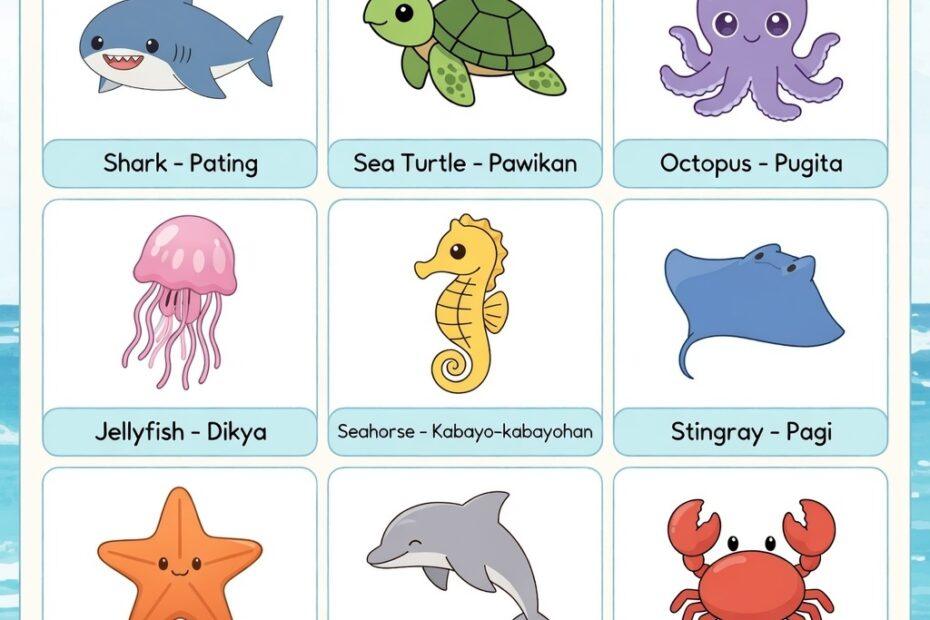
The Philippines is an archipelago of 7,641 islands, surrounded by some of the richest marine biodiversity on Earth. Because of this deep connection to the…
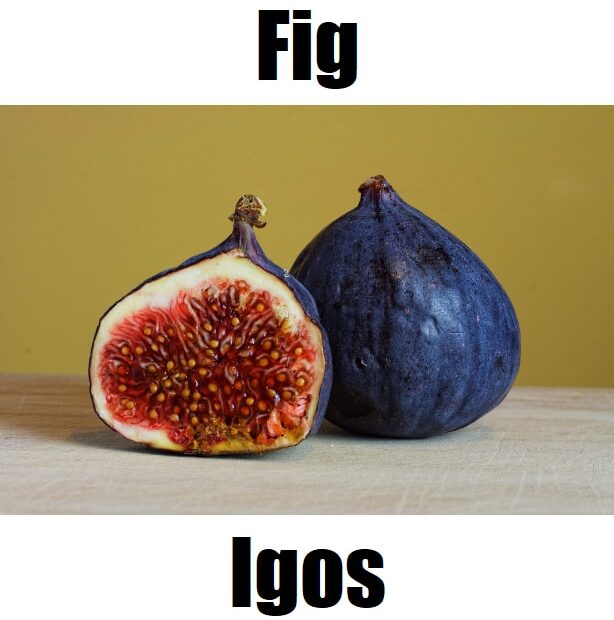
If you are learning Filipino, knowing how to say fig in Tagalog helps you expand your fruit vocabulary and understand plant-related terms used in daily…
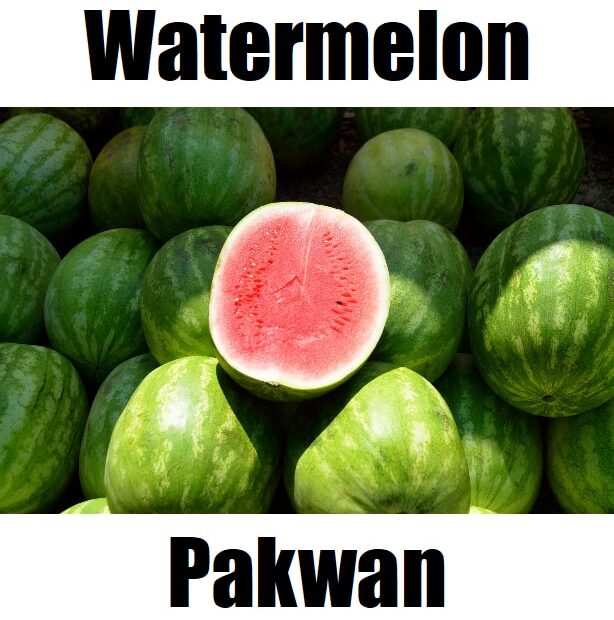
Watermelon in Tagalog is called pakwan. If you’re a college student or language learner studying Filipino, knowing how to say watermelon in Tagalog is practical…
Dinosaurs in Tagalog are spelled dinosauro, dinosawriyo, or bayawak-kilabot. Dinosaurs are prehistoric creatures that lived on Earth millions of years ago, long before humans existed.…

In daily life in the Philippines, tools are essential for simple home repairs, carpentry, gardening, and even large community projects. From hammers and saws to…
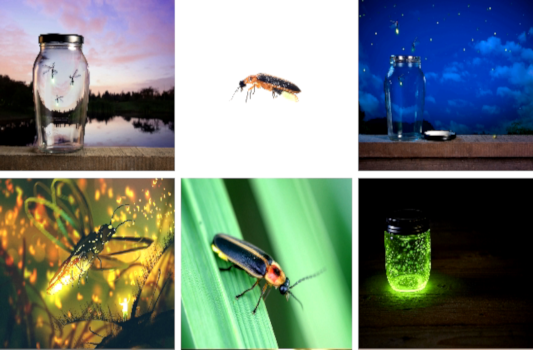
I can still remember walking home on a very dark and cold evening. As I pushed our front gate open, I noticed tiny glowing lights…

In Tagalog, a wolf is called lobo (pronounced lo‑bo). Wolves are wild dogs that live and thrive in forests, mountains, and cold wilderness regions. They…
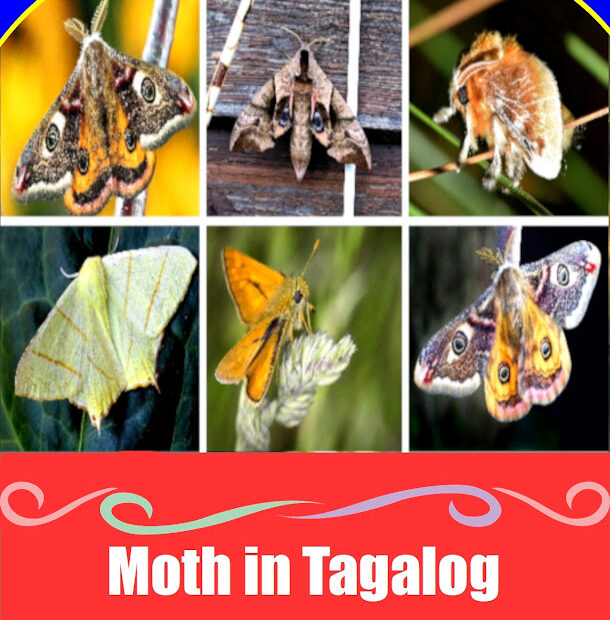
The word moth in Tagalog is gamu-gamo. This common Filipino term refers to the small flying insect often seen at night, especially around lights. When…
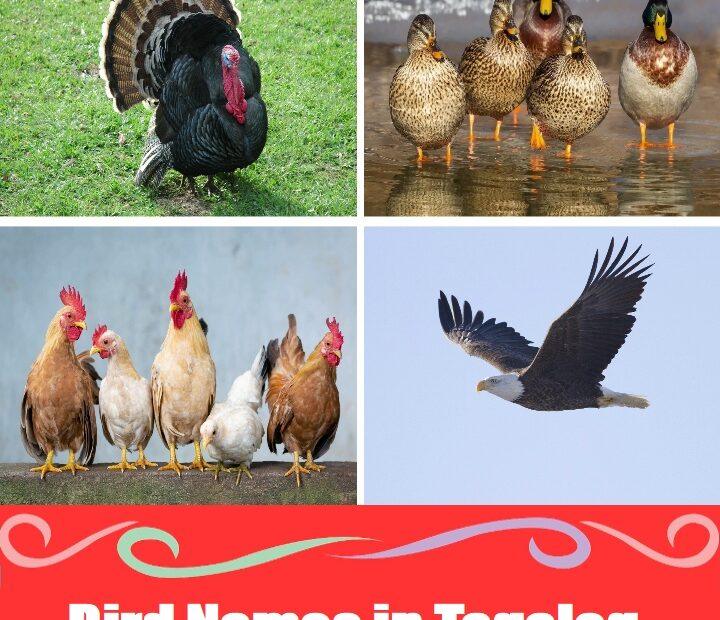
Birds in Tagalog are called ibon, spelled I-B-O-N. The word ibon means “bird” in English and is one of the most common animal vocabulary words…
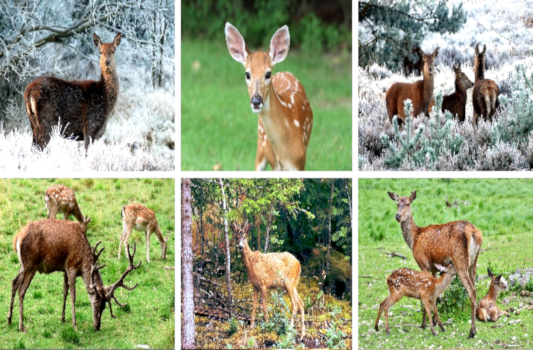
In Tagalog, a deer is called usa (pronounced oo‑sa). Deer are quiet, gentle wild animals that live in grasslands, forests, and prairies. They eat grass,…

Shapes are some of the first vocabulary words children learn in school, and they remain useful throughout daily life. In Tagalog, shapes are called mga…
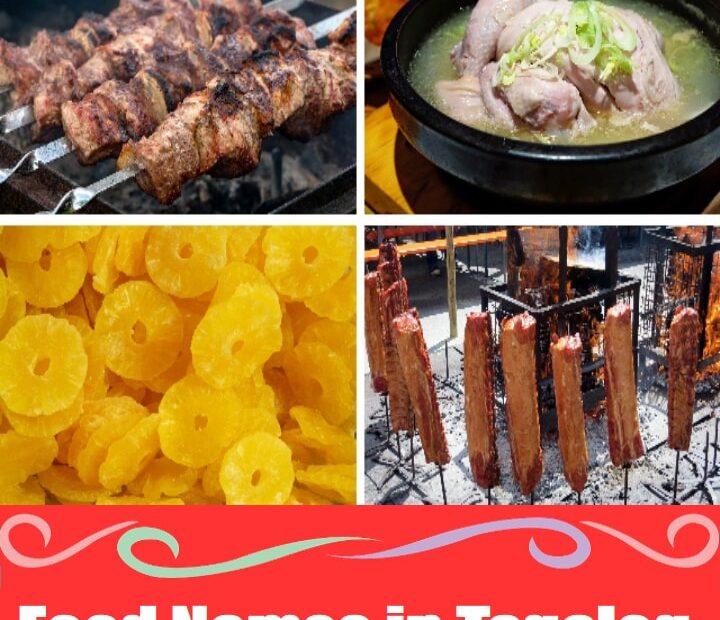
Filipino Foods in Tagalog are more than just words on a menu — they reflect a way of life that shapes the rhythm of each…
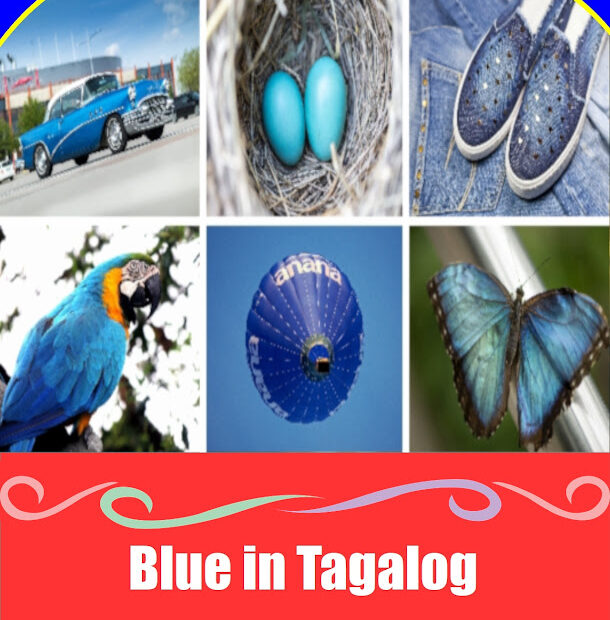
Blue in Tagalog is spelled asul or bughaw. Both asul and bughaw mean the color blue in English. Asul is commonly used in everyday conversation,…
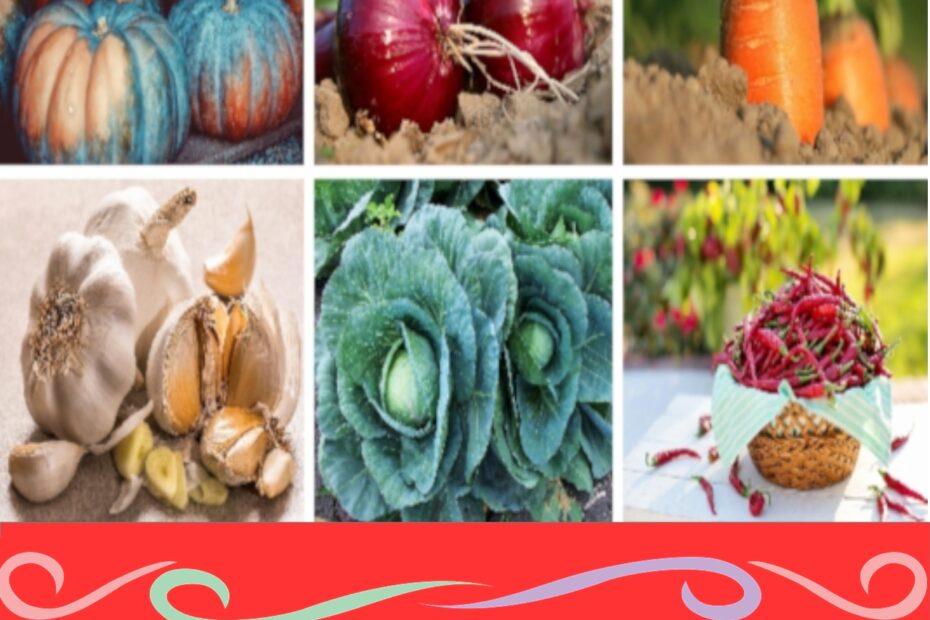
Vegetables in Tagalog: More Than Just Food Vegetables in Tagalog are called gulay, but in the Philippines, gulay means much more than edible plants on…
Learning how to count in Tagalog is one of the easiest and most useful things for beginners. Whether you’re teaching your kids Filipino at home,…
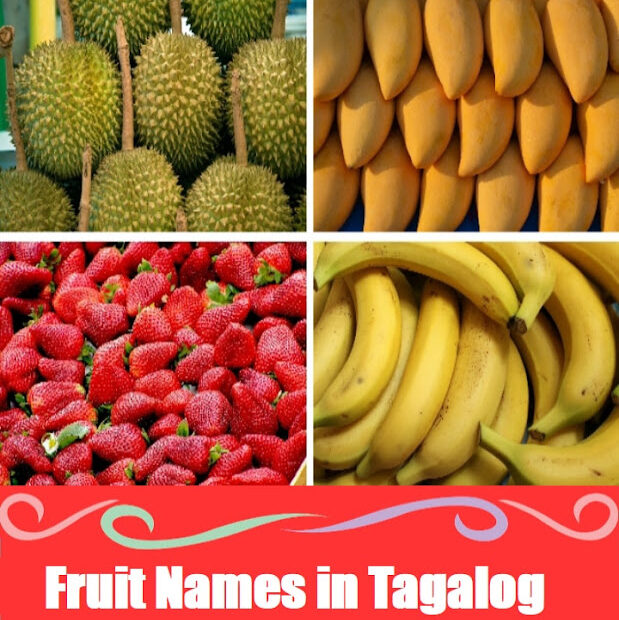
Tagalog fruit names are commonly referred to as mga prutas in the Filipino language. Learning these words is an essential step in building your everyday…

Learning the Tagalog Months of the Year is more than just memorizing a list—it’s a glimpse into Filipino culture, history, and the unique rhythm of…

Learning the days of the week in Tagalog is one of the easiest ways to start building your Filipino vocabulary. Whether you’re studying the language,…
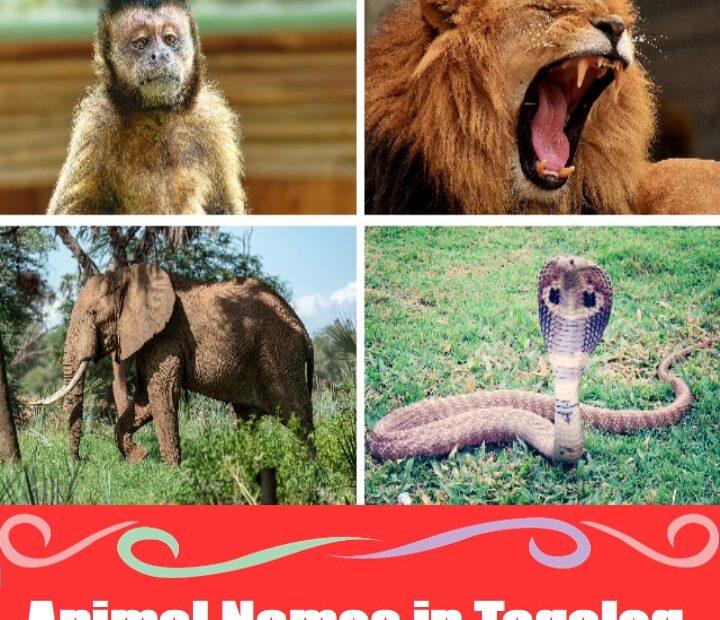
The Philippines may be known for its beaches and islands, but there is also something deeply nostalgic about visiting a zoo. Many Filipinos remember their…
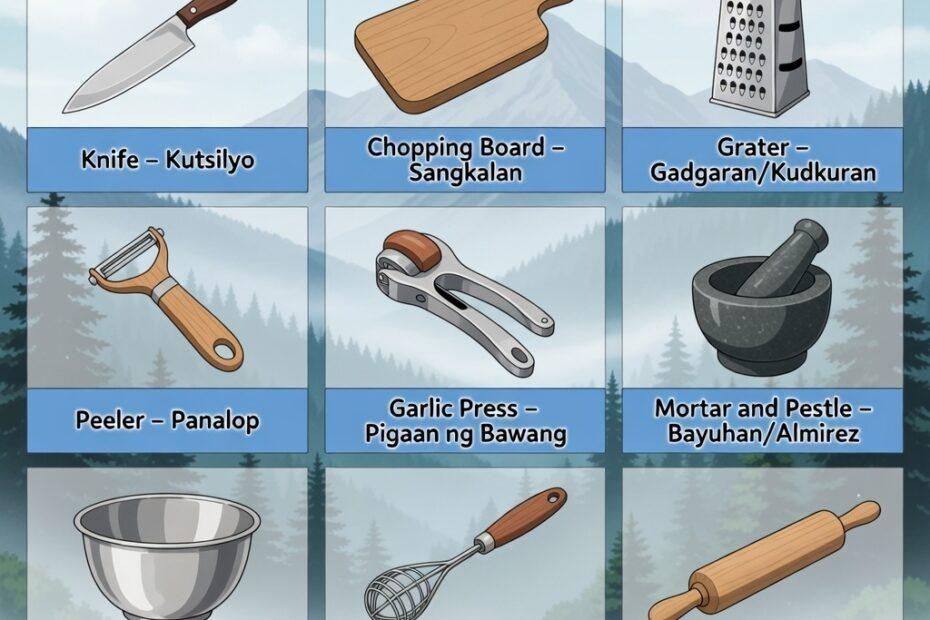
The Filipino kitchen—known as the kusina—is truly the heart of the home. In the Philippines, the kitchen is more than a place for cooking; it…
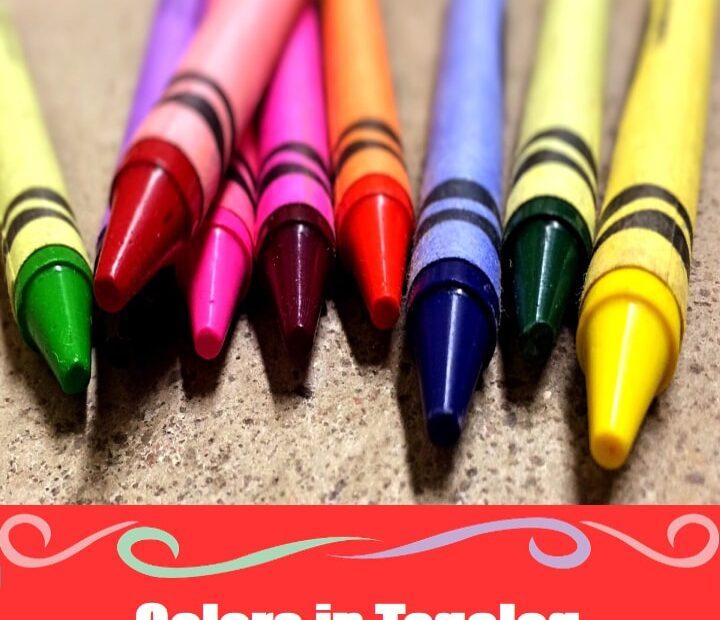
Colors in Tagalog is spelled mga kulay. The term mga kulay refers to different shades or hues that describe how things look, such as red,…
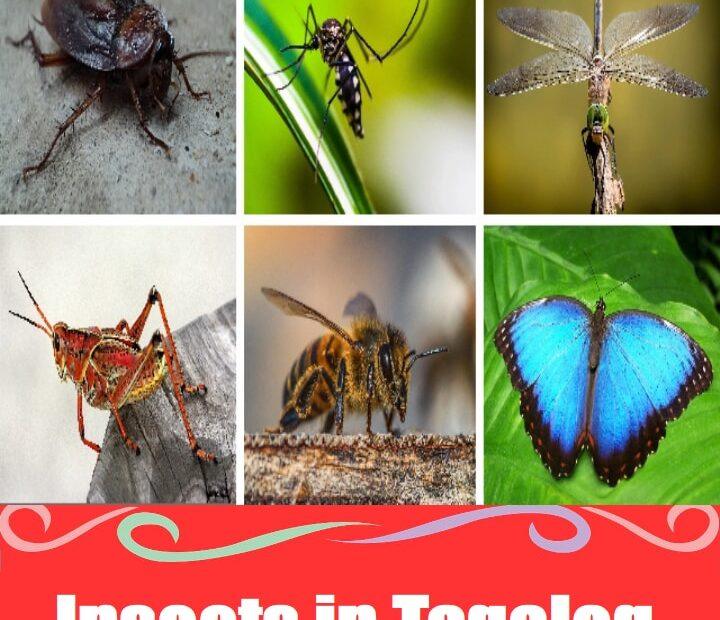
Insect Names in Tagalog are important vocabulary words for students, kids, and Filipino language learners. In Tagalog, insects are called mga insekto. These tiny creatures…
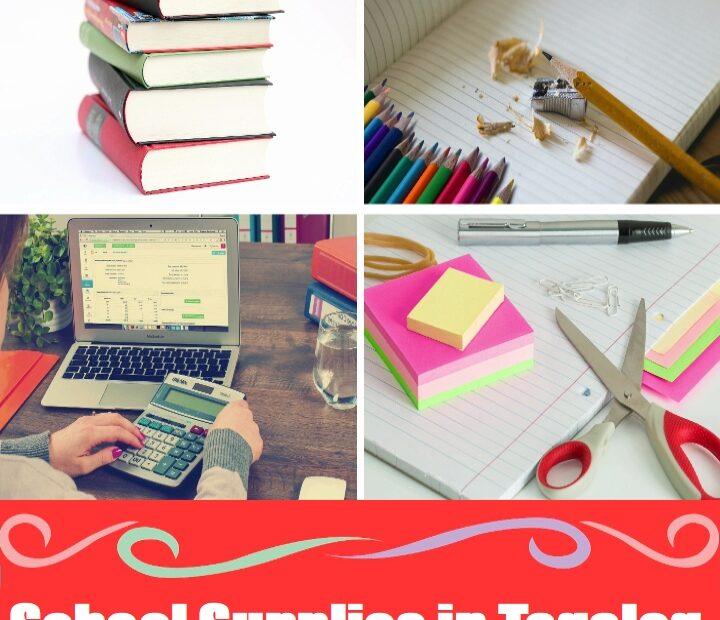
Learning Tagalog becomes easier when you start with everyday words — and nothing is more familiar than school supplies. Whether you’re a student, parent, teacher,…
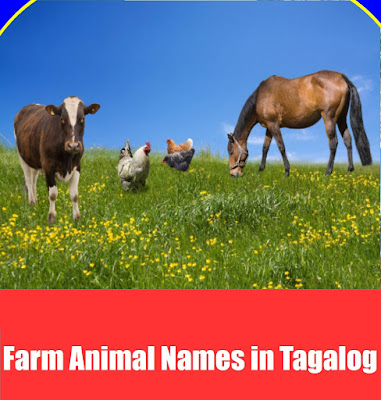
In the countryside, mornings begin with the crow of a tandang, the steady footsteps of a kalabaw, and chickens scratching the soil beneath the rising…
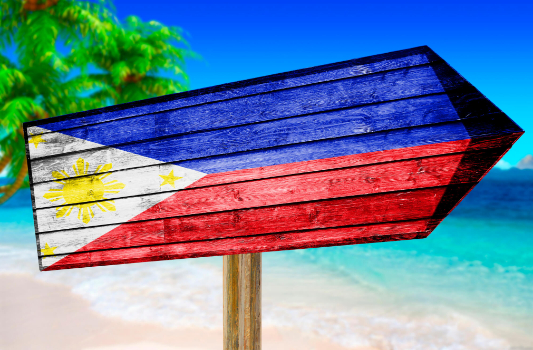
The Filipino language is more than just a tool for communication — it is a symbol of identity, culture, and national pride. One of the…