
Tagalog Quotes Embracing New Chapters Beginnings: 5 Bold Truths for Starting Over
Tagalog Quotes Embracing New Chapters Beginnings are often the fuel we need when the road behind us has ended and the path ahead is still…
Tagalog Quotes Embracing New Chapters Beginnings are often the fuel we need when the road behind us has ended and the path ahead is still…

Filipino communities Canada are witnessing a monumental geographic shift, moving beyond traditional urban hubs like Toronto and Vancouver into flourishing smaller cities and regional centers.…

Deep Tagalog Quotes on Gratitude and Inner Peace are more than just words; they are a rhythmic heartbeat for the soul. In the fast-paced modern…

Tagalog gaming words are the heartbeat of the vibrant digital culture in the Philippines. Whether you are grinding in Mobile Legends, exploring the latest banners…

Tagalog Christian Quotes on God’s Perfect Plan and Hope serve as a spiritual anchor in a world that often feels like a turbulent sea. For…

Hugot Tagalog Quotes About Love and Letting Go are often the only things that can articulate the heavy silence of a heart in transition. Love…

Inspirational Tagalog Quotes for Inner Strength serve as a sanctuary for the weary soul, offering a moment of stillness in a world that never stops…
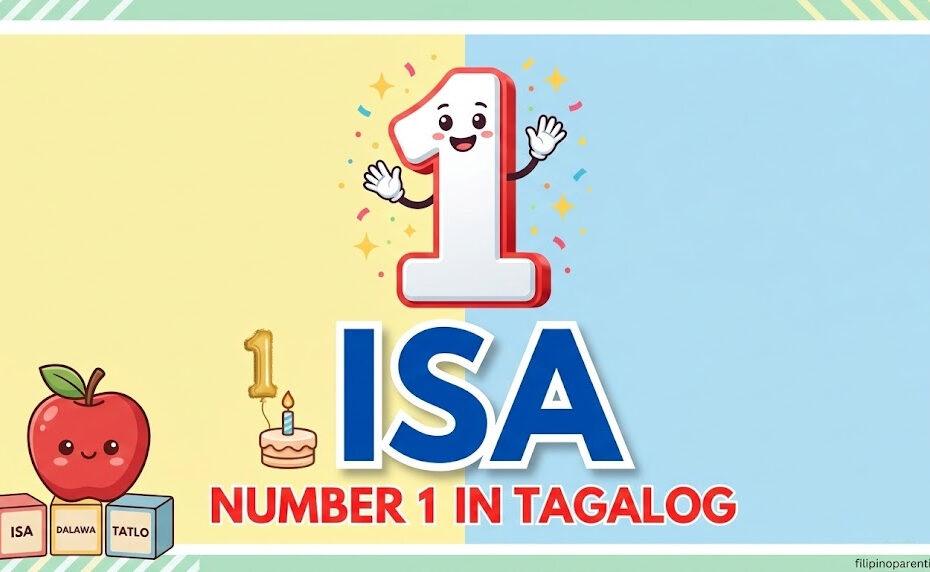
🌟 The Heart of Filipino Counting In the Philippines, life revolves around sharing—especially sharing a meal. Whether it’s gathering for almusal (breakfast) or inviting a…

The Filipino parol star is more than just a colorful decoration—it’s a symbol of hope, faith, and the resilient Filipino spirit. Traditionally crafted as a…
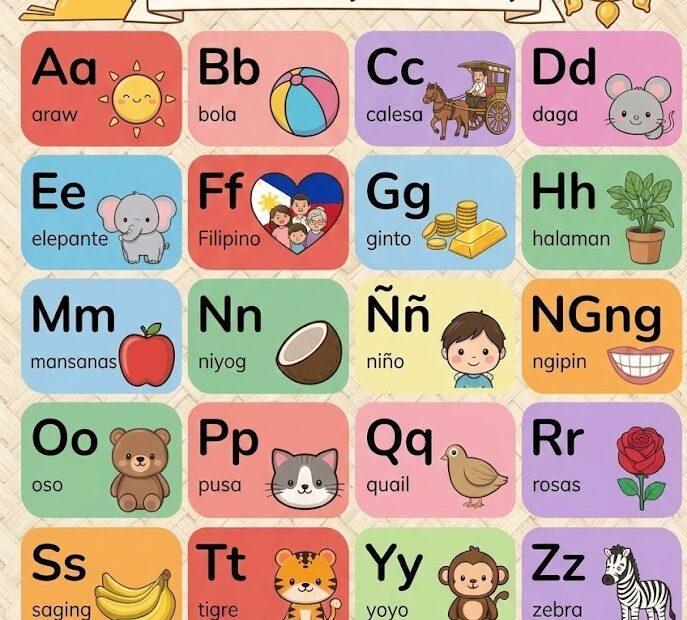
While many of us grew up reciting the 20-letter Abakada, the modern alphabet tells the story of an evolving Philippines. Whether you are an adult…

If you’re looking for a way to get the family outside while sneaking in some language learning, this Filipino Wildlife Scavenger Hunt is the perfect…

The Bahay Kubo is one of the most iconic symbols of the Philippines, representing simplicity, resilience, and harmony with nature. Now, you can bring this…

Some hugot lines don’t just break the heart—they mend it. If you are searching for the best Tagalog quotes for broken hearted souls, you know…
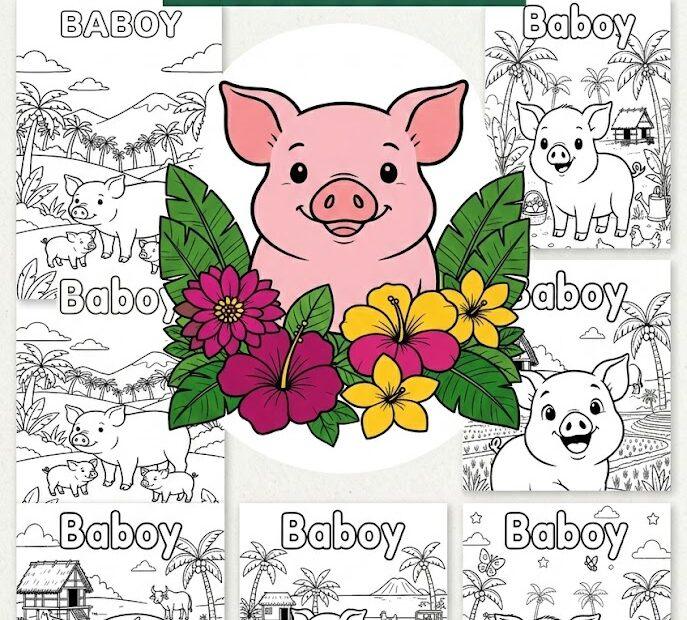
Baboy (pigs) are a familiar part of everyday Filipino life, seen in farms, rural communities, and even in traditional stories passed down through generations. These…

Filipinos are known for their tibay ng loob—a rare mix of courage, hope, and determination. Life may throw storms or personal struggles our way, but…
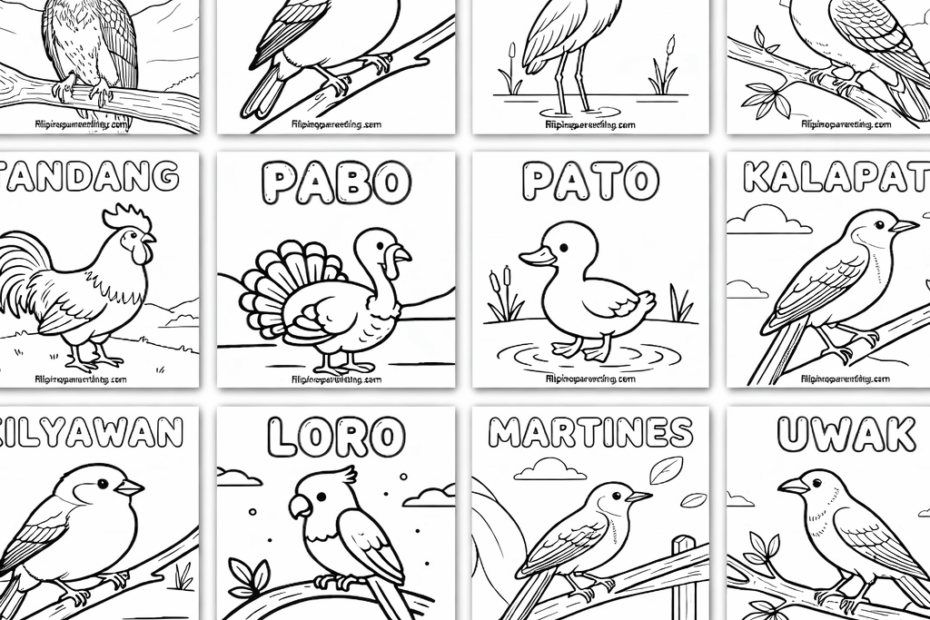
The Philippines is home to some of the most beautiful and unique birds in the world. From the majestic Haribon soaring over the rainforests to…

Filipino backyard gardens are more than just a hobby—they’re a source of fresh, nutritious, and affordable ingredients for everyday meals. From leafy greens to climbing…

In a Filipino kitchen, we often cook with our hearts—the famous tantiyahin method—but when it’s time to follow a specific recipe or teach the younger…
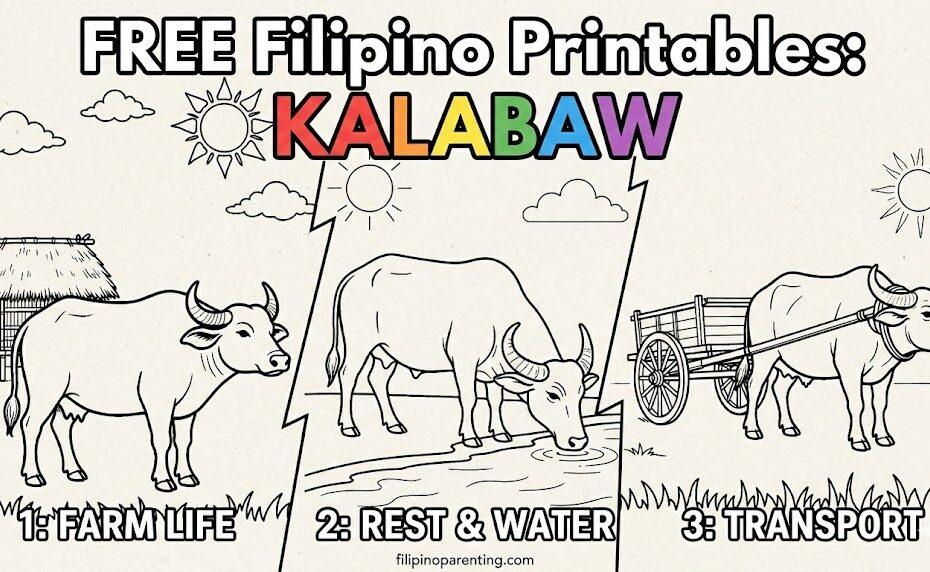
The Kalabaw (carabao) is one of the most iconic animals in the Philippines, known for its strength, patience, and deep connection to Filipino farming life.…
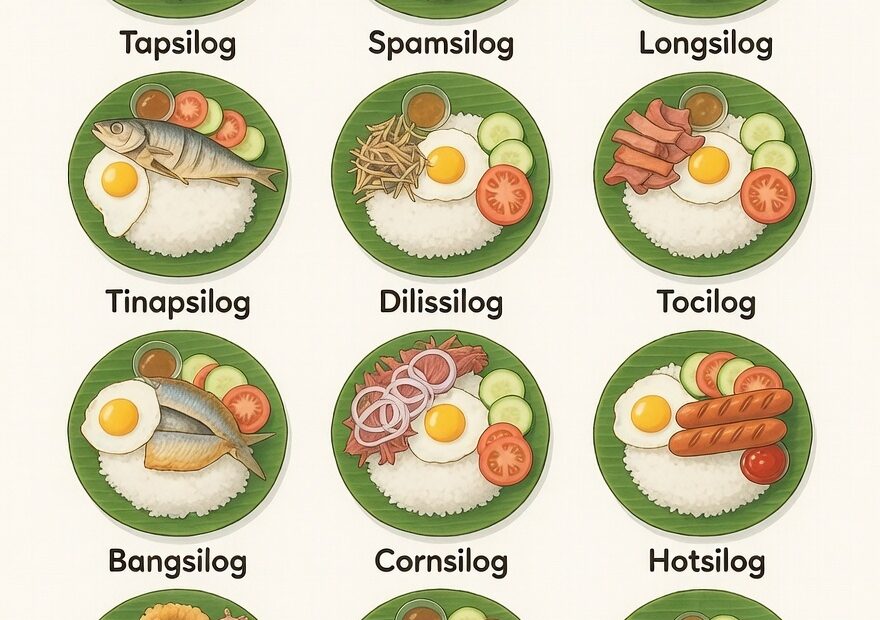
Silog meals are built around familiar staples—sinangag (garlic fried rice), itlog (egg), and a flavorful ulam such as meat or fish. What makes silog special…

Tagalog morning motivational quotes carry a quiet strength. In many Filipino homes, the morning begins gently — the aroma of kape rising from the kitchen,…
Do you have a green thumb or a growing garden at home? Learning Tagalog Words for Plants is a wonderful way to bring nature into…
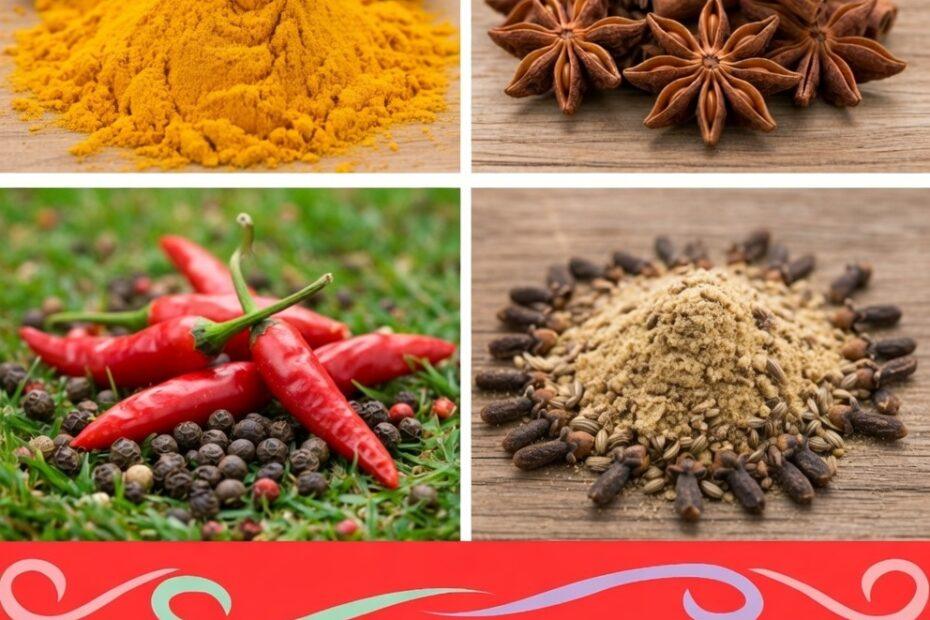
Spices in Tagalog are commonly called mga pampalasa. These are essential ingredients added to food to enhance flavor, aroma, and color, and they play an…
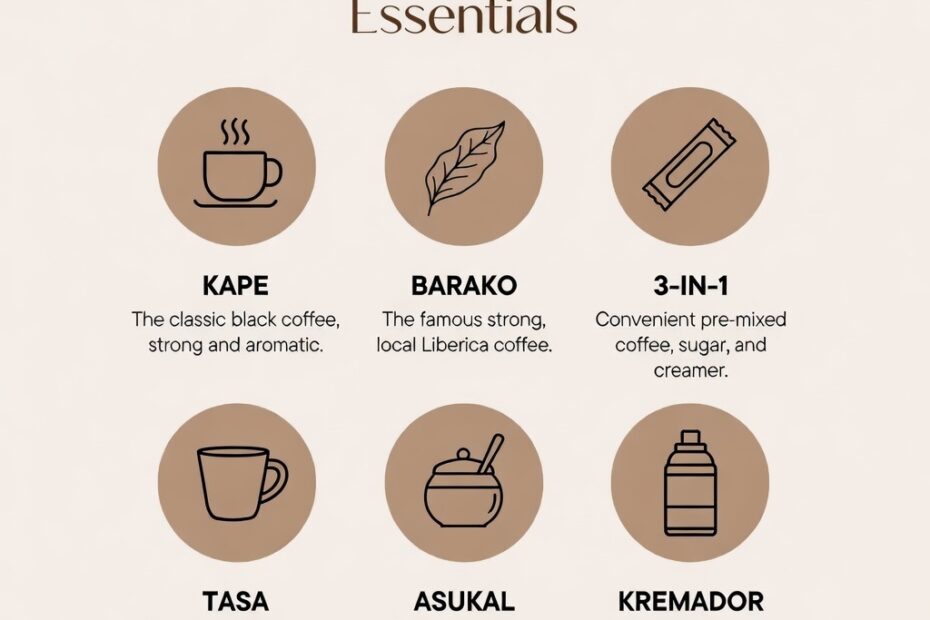
☕ Tagalog Coffee Phrases & Filipino Coffee Break Culture In Filipino life, coffee isn’t just a drink — it’s a pause button. And if you’re…

Mornings in the Philippines are warm, practical, and full of small rituals — the soft clatter of Pandesal being toasted, the hiss of hot water…
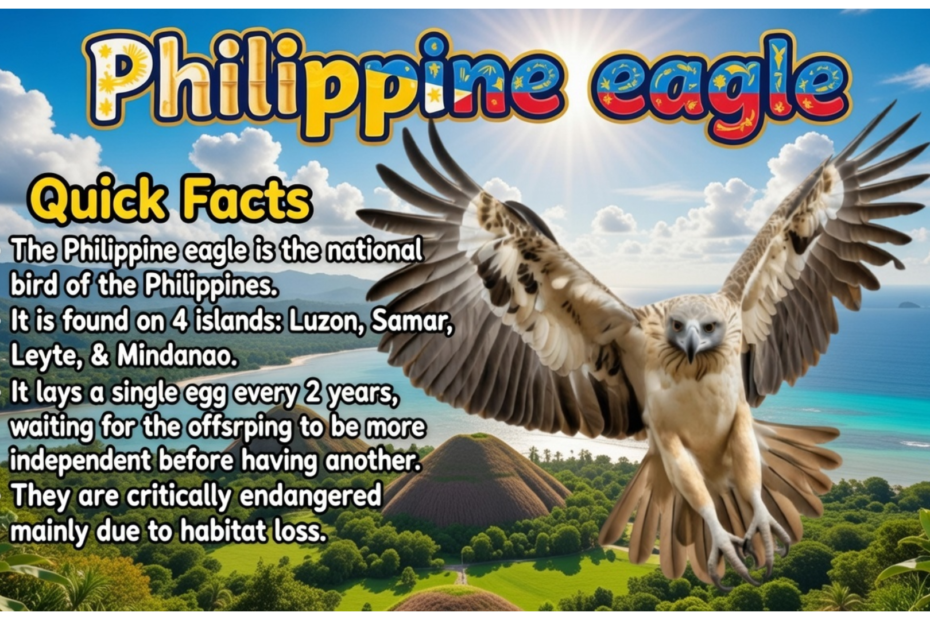
The Agila, specifically the Philippine Eagle, is recognized as the Pambansang Ibon ng Pilipinas. Known for its powerful wings, sharp vision, and majestic appearance, the…
Rhinoceros beetle in Tagalog is commonly called salagubang. In the Philippines, the word salagubang is widely used to describe large, hard-shelled beetles that are often…
Bed bugs in Tagalog are called surot. In the Philippines, the word surot is commonly used to describe small, blood-sucking insects that hide in beds,…
Stink bug in Tagalog is commonly called suplina. In some areas of the Philippines, people may also refer to it as bangaw-bangaw or simply describe…
Weaver ants in Tagalog are called hantik. In the Philippines, the word hantik refers to large red or green ants commonly found in trees. These…
Tick in Tagalog is called garapata. In the Philippines, this word is commonly used when referring to small blood-sucking parasites that attach to dogs, cats,…
Lice in Tagalog is called kuto. Many Filipino families are familiar with this term because head lice are common among children, especially in school settings.…
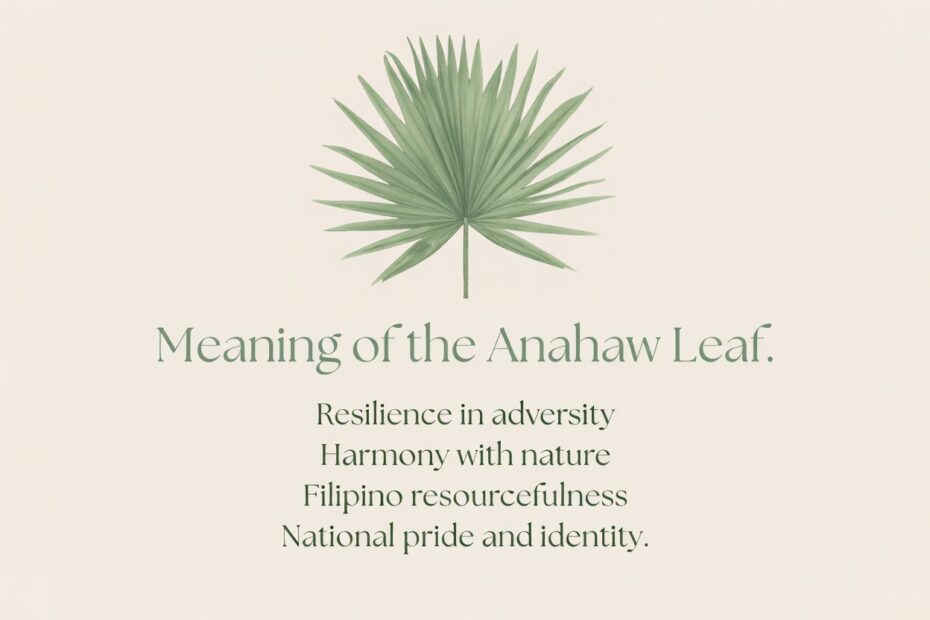
The Anahaw leaf meaning is deeply rooted in Filipino culture and heritage. The Anahaw (scientific name: Saribus rotundifolius) is a type of palm tree native…
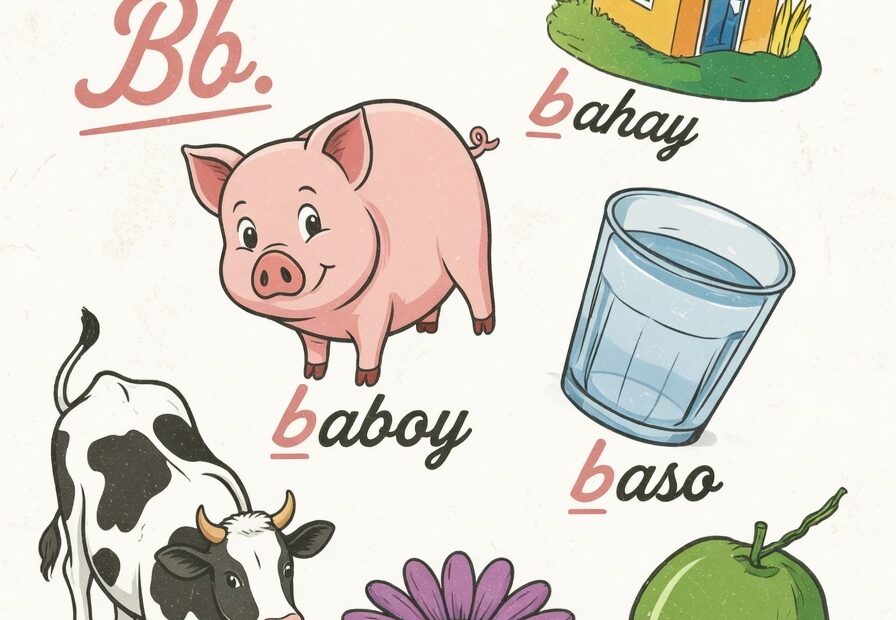
Learning Tagalog becomes even more exciting when you explore the language one letter at a time. In this guide to Words That Begin With B…
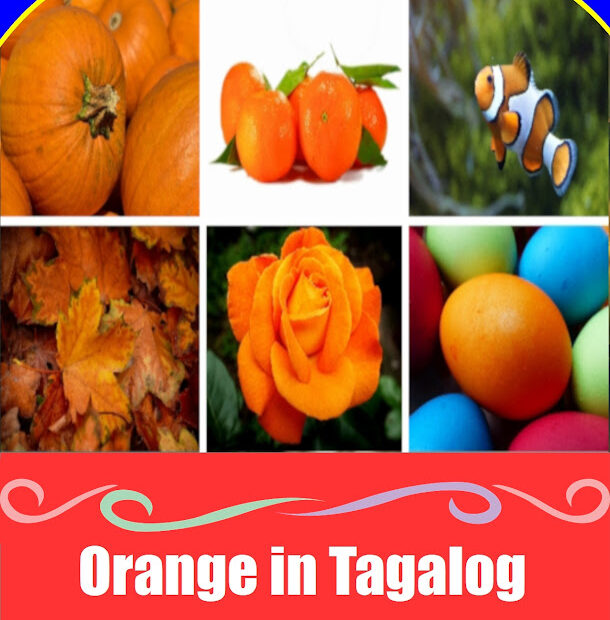
Orange in Tagalog is called kahel or dalandan. Both kahel and dalandan are used to describe the color orange. Kahel is the more commonly used…
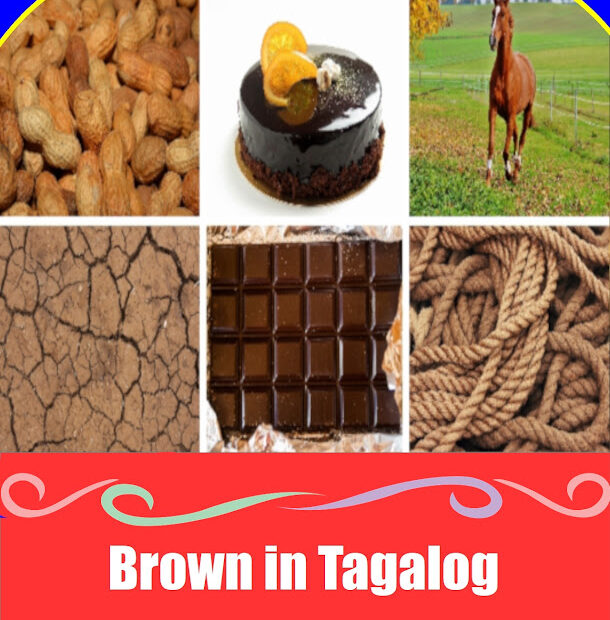
Brown in Tagalog is called kayumanggi. The word kayumanggi refers to the color brown in English. It is commonly used in daily conversations when describing…

Family in Tagalog is spelled pamilya. The word pamilya refers to the people connected to you by blood, marriage, or adoption. In Filipino culture, family…

Mammals in Tagalog is translated as mga mamalya. The word mamalya refers to animals that have fur or hair, give birth to live young, and…

Bear in Tagalog is spelled O-S-O. The word bear in Tagalog is translated as oso. It refers to the large, strong mammal known for its…
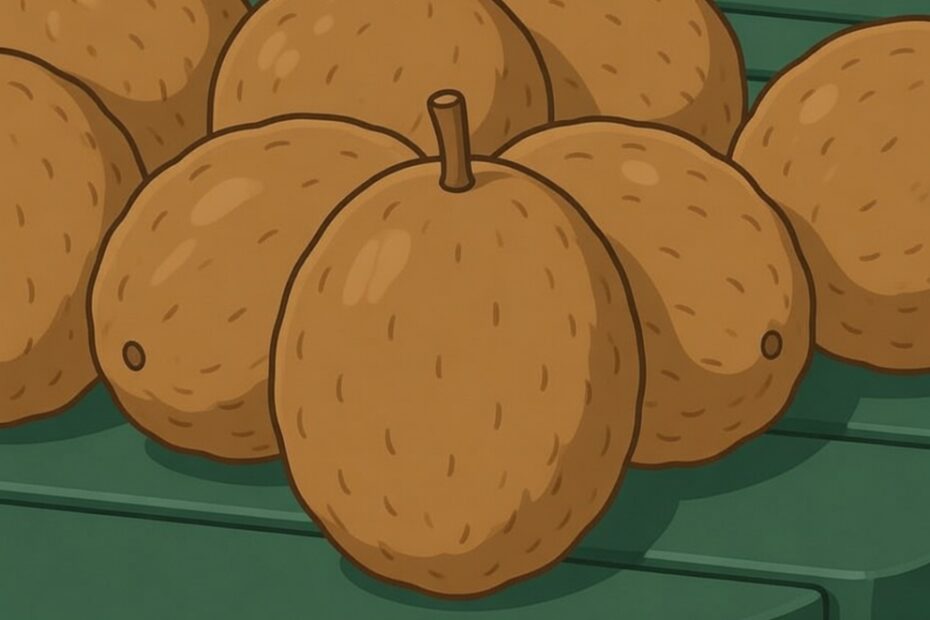
Sapodilla in Tagalog is spelled tsiko (commonly written as chico). Sapodilla is a well-loved tropical fruit in the Philippines, known for its soft texture and…
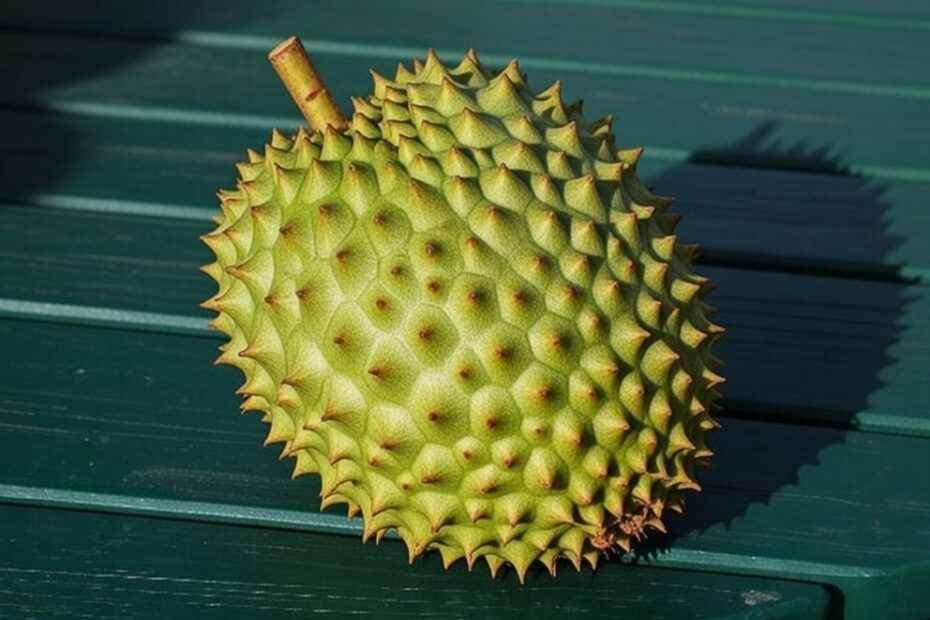
Soursop in Tagalog is spelled guyabano. Soursop, locally known as guyabano, is a popular tropical fruit in the Philippines. With its spiky green skin and…
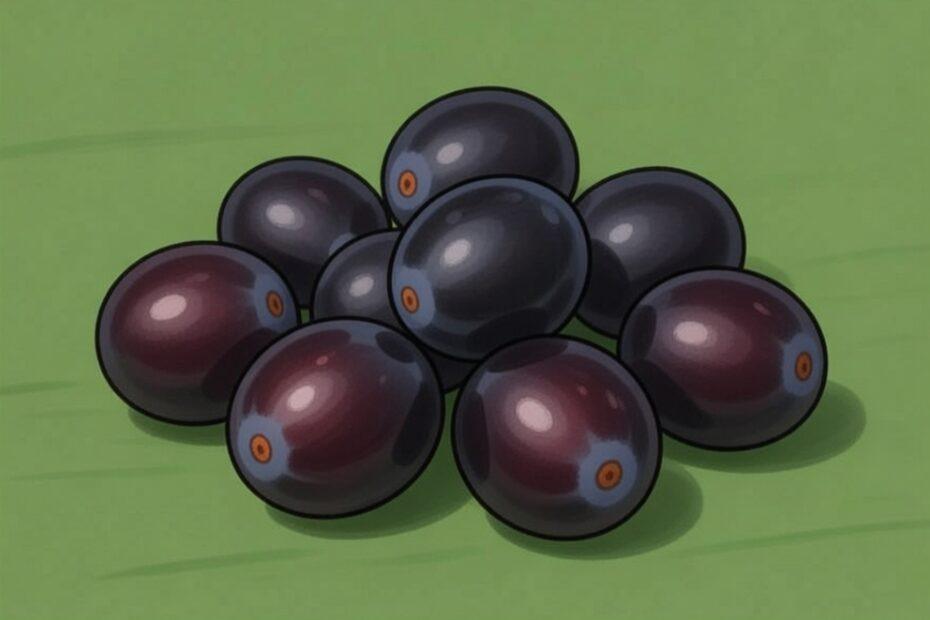
Java Plum in Tagalog is spelled duhat. If you’ve ever tasted duhat, you know it’s a fruit that’s as unique as it is delicious. Popular…

Life teaches in whispers, in storms, in quiet mornings, and in long nights of reflection. Tagalog life lessons are often learned not in comfort, but…
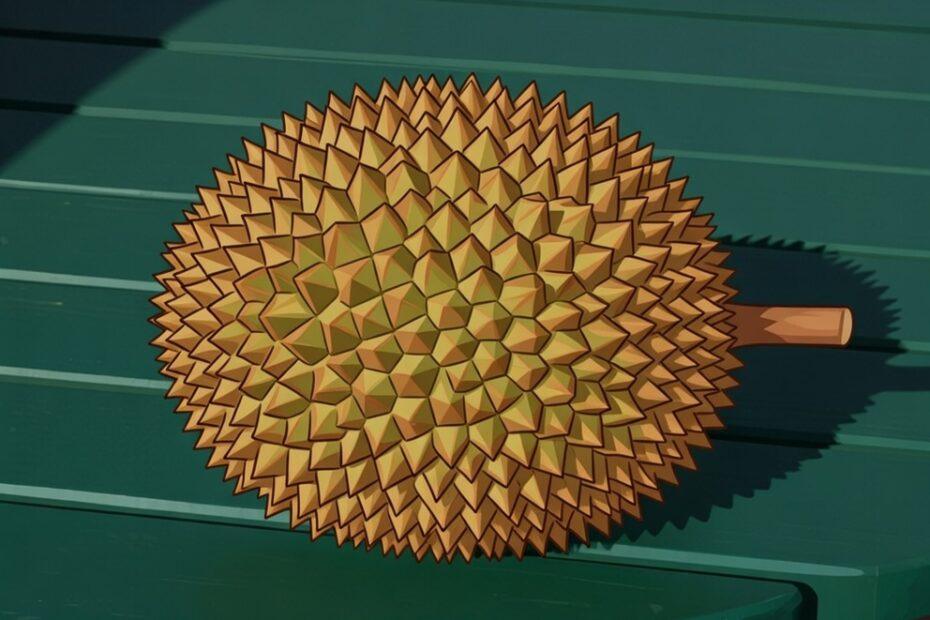
Durian in Tagalog is spelled duryan. Durian in Tagalog is one of the most talked-about tropical fruits in the Philippines. Known for its strong smell…
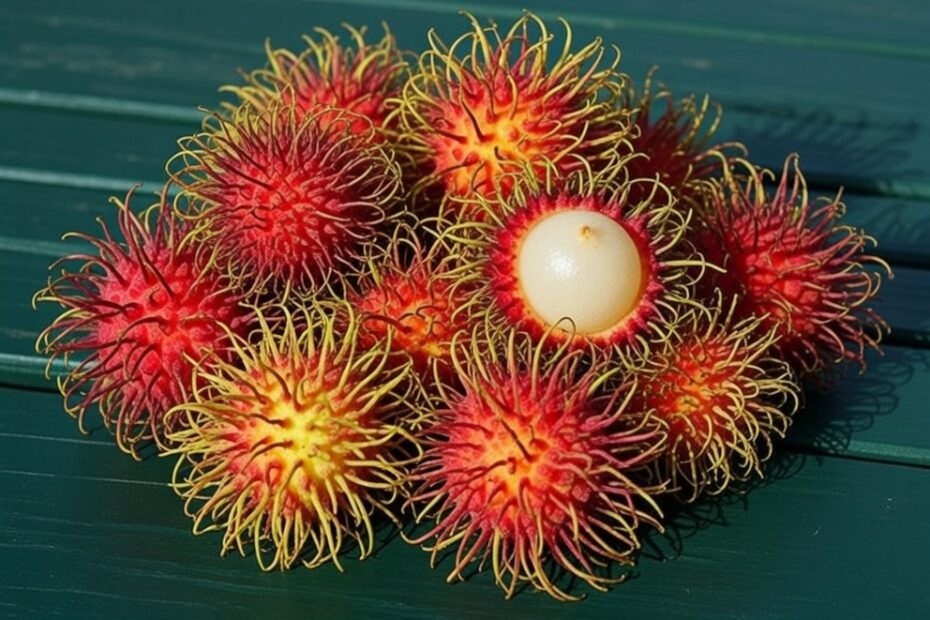
Rambutan in Tagalog is spelled rambutan, since the word is the same in both English and Filipino. There is no separate translation, which makes it…
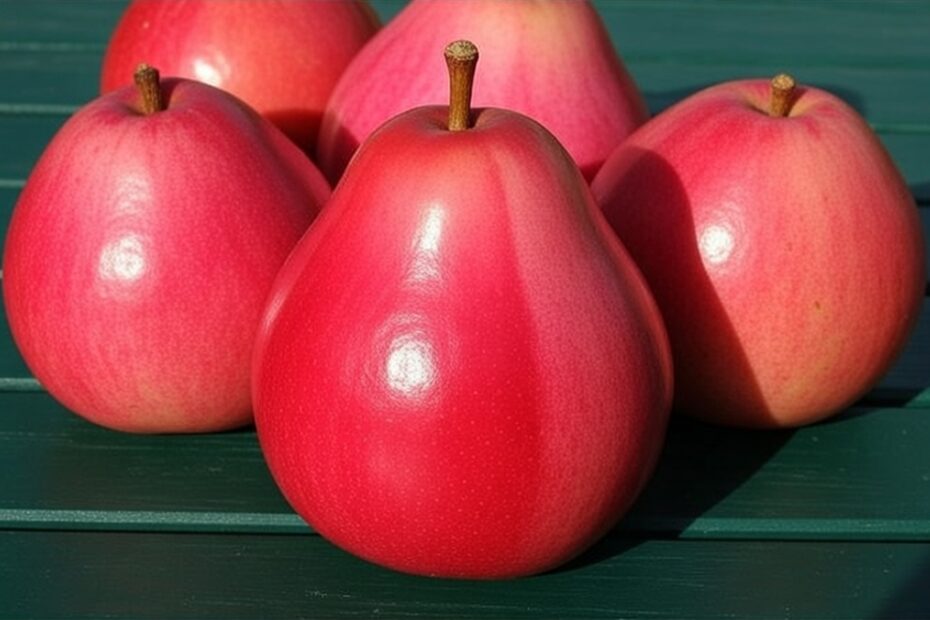
Rose Apple in Tagalog is spelled makopa. In the Philippines, rose apple in Tagalog is called makopa, a refreshing tropical fruit loved for its crisp…
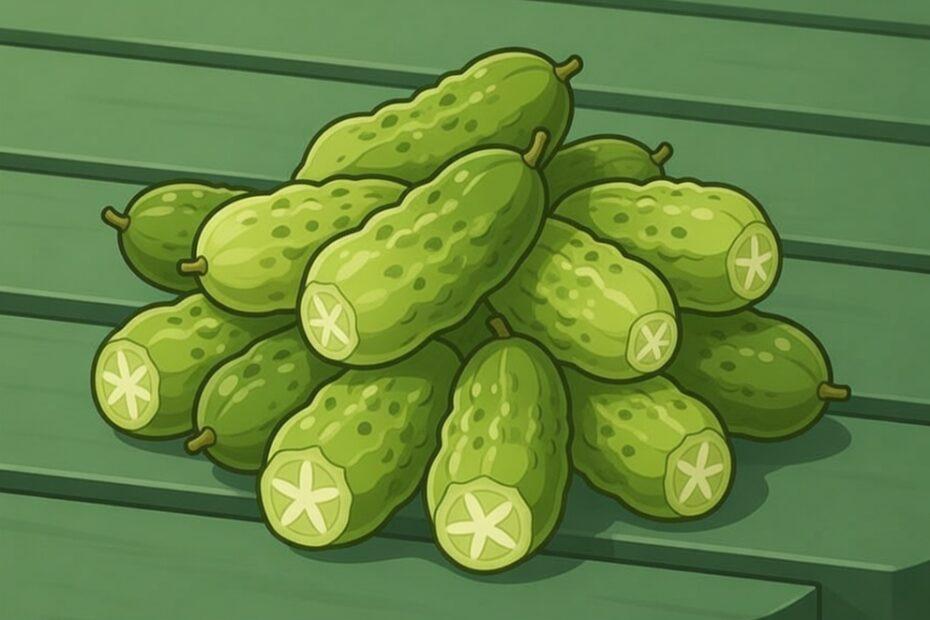
Bilimbi in Tagalog is commonly called kamias. Kamias is a sour, green tropical fruit widely used in Philippine cuisine. In English, it is known as…
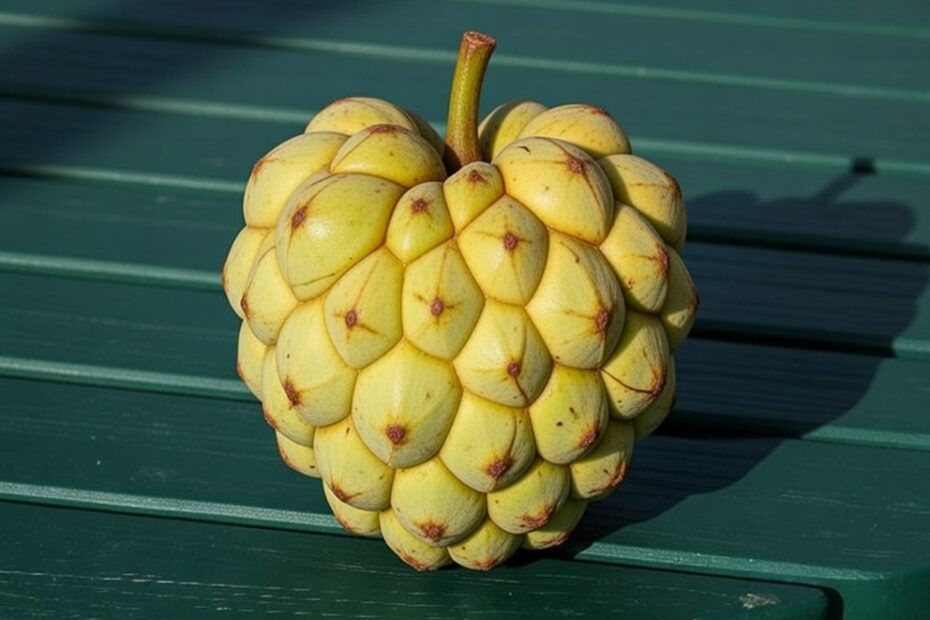
Sugar Apple in Tagalog is spelled atis. In the Philippines, atis is a well-loved tropical fruit often enjoyed as a sweet afternoon snack. Many Filipinos…