Duck in Tagalog is called pato.
In the Philippines, ducks are a familiar and comforting sight. You can find them waddling across rice fields, swimming peacefully in rivers, or resting near quiet lakes in the provinces. Because of this, the word pato is commonly heard in everyday Tagalog conversations—especially when talking about animals, farms, or nature.
Learning the word duck in Tagalog is more than just memorizing vocabulary. It helps you connect with Filipino rural life, understand common animal terms, and build confidence in speaking about the natural world. Whether you are a beginner learning Tagalog or teaching children animal names, pato is a simple but meaningful word to know.
Ducks symbolize calmness, simplicity, and life close to nature. By understanding the word pato, you expand your vocabulary while also appreciating an important part of Filipino culture and everyday language.
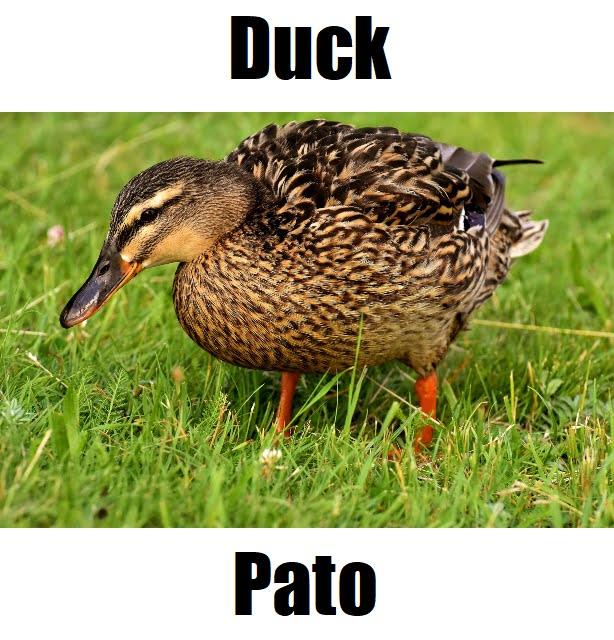
Table of Contents
What Is Duck in Tagalog?
Duck in Tagalog is called pato.
A duck, or pato, is a water-loving bird known for its webbed feet, soft feathers, and graceful ability to swim across rivers and lakes. You’ll often see ducks waddling near ponds, gliding on calm water, or resting in open fields—making them a peaceful and familiar part of everyday life in the Philippines.
Ducks can fly, lay eggs, and are commonly raised on farms, but beyond their physical traits, they are also closely connected to rural landscapes and nature. Seeing a pato often brings a sense of simplicity and countryside charm.
In Tagalog, pato is a noun used to refer to ducks in general. The word applies to both male and female ducks unless specified, such as lalaking pato (drake) or babaeng pato (hen).
Learning duck in Tagalog helps you build basic animal vocabulary while deepening your connection to Filipino language and culture. Even simple words like pato carry meaning that reflects everyday life, nature, and tradition.
Quick Facts
- Category: Animal / Bird
- Used For: Farming, food, animal identification
- Common Context: Farms, rivers, lakes, rural areas
- Related Root Word: Pato
Duck Vocabulary Words
When learning Duck in Tagalog, expanding your vocabulary helps you understand how the word pato connects to animals, nature, and everyday language. These related words will strengthen your Tagalog skills and make it easier to describe ducks clearly and confidently in conversations, lessons, or simple storytelling.
Below is a related vocabulary chart connected to duck in Tagalog.
| # | English | Tagalog |
|---|---|---|
| 1 | Duck | Pato |
| 2 | Animal | Hayop |
| 3 | Farm | Bukid |
| 4 | Farm animals | Mga hayop sa bukid |
| 5 | Vertebrate | Hayop na may gulugod |
| 6 | Bird | Ibon |
| 7 | Wings | Mga pakpak |
| 8 | Feather | Balahibo |
| 9 | Egg | Itlog |
| 10 | Beak | Tuka |
| 11 | Fowl | Labuyo |
| 12 | Fly | Lumipad |
| 13 | Duckling | Bibe |
| 14 | Flying | Lumilipad |
| 15 | Can fly | Nakakalipad |
| 16 | Lay eggs | Nangingitlog |
| 17 | Birds | Mga ibon |
| 18 | Omnivores | Kumakain ng halaman at karne |
| 19 | Drake | Lalaking pato |
| 20 | Hen | Babaeng pato |
By learning these related terms, you gain a deeper understanding of duck in Tagalog and how pato fits into broader animal and nature vocabulary. These words are especially helpful for students, beginners, and parents teaching children basic Filipino animal terms. Mastering them builds confidence and makes everyday Tagalog conversations feel more natural and expressive.
Importance and Practical Value of Duck in Tagalog
Understanding Duck in Tagalog — or pato — goes beyond simple translation. It strengthens everyday communication and deepens your connection to Filipino language and culture. Because ducks are commonly seen in farms, rivers, and rural communities, the word pato naturally appears in daily conversations.
1. Clear Communication
Learning duck in Tagalog helps you describe animals accurately. Whether you are talking about birds, farms, or nature, knowing the correct term makes your speech more confident and natural.
2. Cultural Relevance
Ducks are a familiar sight in many Filipino provinces. The word pato reflects rural life and the strong connection Filipinos have with nature and agriculture.
3. Beginner-Friendly Vocabulary
For new learners, pato is short, easy to pronounce, and simple to remember. It’s an excellent foundational word when building animal vocabulary in Tagalog.
4. Everyday Practical Use
The word is commonly used in farming discussions, classroom lessons, storytelling, and conversations about wildlife. Because of its wide usage, it’s a practical addition to your Tagalog vocabulary.
5. Emotional and Social Connection
For many Filipinos, ducks remind them of peaceful countryside scenes and childhood memories. Learning the word pato can bring a sense of familiarity and cultural warmth.
6. Academic and Professional Value
In subjects like agriculture, biology, and environmental studies, knowing the correct animal terms — including duck in Tagalog — improves understanding and communication.
How to Use Duck in Daily Life
The word pato can be used naturally in many everyday situations:
- When talking about farm animals in rural or provincial settings
- While describing birds and wildlife near rivers or lakes
- During classroom lessons about animals
- When teaching children basic Tagalog vocabulary
- In conversations about nature and the environment
By confidently using duck in Tagalog, you make your language skills more expressive, culturally aware, and practical for real-life conversations.
Commonly Used Example Phrases in Tagalog
Below are exactly 10 example phrases using duck.
- A small baby duck is called a duckling.
Ang maliit na supling ng pato ay tinatawag na bibe. - The feathers of ducks are waterproof.
Ang mga balahibo ng mga pato ay hindi madaling mabasa. - Ducks are commonly found in rivers and lakes.
Ang mga pato ay karaniwang makikita sa mga ilog at lawa. - Ducks are omnivores.
Ang mga pato ay kumakain ng halaman at karne. - Ducks also eat small fish.
Ang mga pato ay kumakain din ng maliliit na isda. - A duck likes to eat small shells and snails.
Ang pato ay mahilig kumain ng maliliit na kabibe at kuhol. - A duckling is yellow in color.
Ang bibe ay kulay dilaw. - A grown duck has white feathers.
Ang isang ganap na lumaking pato ay may puting balahibo. - The sound a duck makes is quack.
Ang tunog ng pato ay kwak. - A duck is a bird with three eyelids.
Ang pato ay isang uri ng ibon na may tatlong takipmata.
Frequently Asked Questions (FAQ)
1. What is duck in Tagalog?
Duck in Tagalog is pato.
2. What does pato mean in English?
It means duck.
3. Is pato formal or informal?
It is neutral and used in all settings.
4. When should you use pato?
Use it when talking about animals, farming, or nature.
5. How do you properly use pato in a sentence?
Use it as a noun to refer to the duck animal.
Conclusion
Duck in Tagalog, or pato, may seem like a simple word, but it carries a quiet familiarity that feels close to everyday Filipino life. It’s a word often heard in stories about the countryside, in lessons about animals, and in conversations about nature. Because it is widely understood and easy to pronounce, pato becomes one of those comforting vocabulary words that beginners quickly grow confident using.
By learning duck in Tagalog and its related vocabulary, you are not just memorizing a translation—you are stepping a little closer to the rhythm of the language itself. Words like pato help you describe the world around you with clarity and warmth. As your vocabulary grows, so does your confidence, allowing you to understand conversations more naturally and speak Tagalog with greater ease and connection.