If you are a learner fascinated by ocean wildlife or planning a dive trip in the Philippines, knowing how to say Shark in Tagalog is essential. The word for shark is pating (pronounced PAH-ting, with stress on the first syllable). This is the standard and most widely used Tagalog term for sharks—those cartilaginous fish known for their streamlined bodies, sharp teeth, and fearsome reputation.
In some regions, especially among fishermen, you might hear pating-pating for small species or butanding specifically for the gentle whale shark, but pating is the general word you will hear everywhere from coastal villages to national news reports.
Sharks play a vital role in marine ecosystems as apex predators. The Philippines is home to over 200 species, making it one of the world’s shark diversity hotspots. This blog post explores Shark in Tagalog: pronunciation, facts about sharks in Philippine waters, practical example sentences, cultural significance, and conservation notes to help you talk about these ocean icons with confidence.
Table of Contents
What Is “Shark” in Tagalog? Pronunciation and Basics
Pating is the everyday Tagalog word for shark. It covers all species, from small bamboo sharks and catsharks to large reef sharks and oceanic whitetips. Pronunciation is PAH-ting—short, strong, and easy to remember. The plural form is often mga pating (“sharks”).
In the Philippines, sharks are found in coral reefs, open ocean, and deep waters. Common species include blacktip reef sharks, whitetip reef sharks, scalloped hammerheads, and the iconic butanding (whale shark, Rhincodon typus), the world’s largest fish.
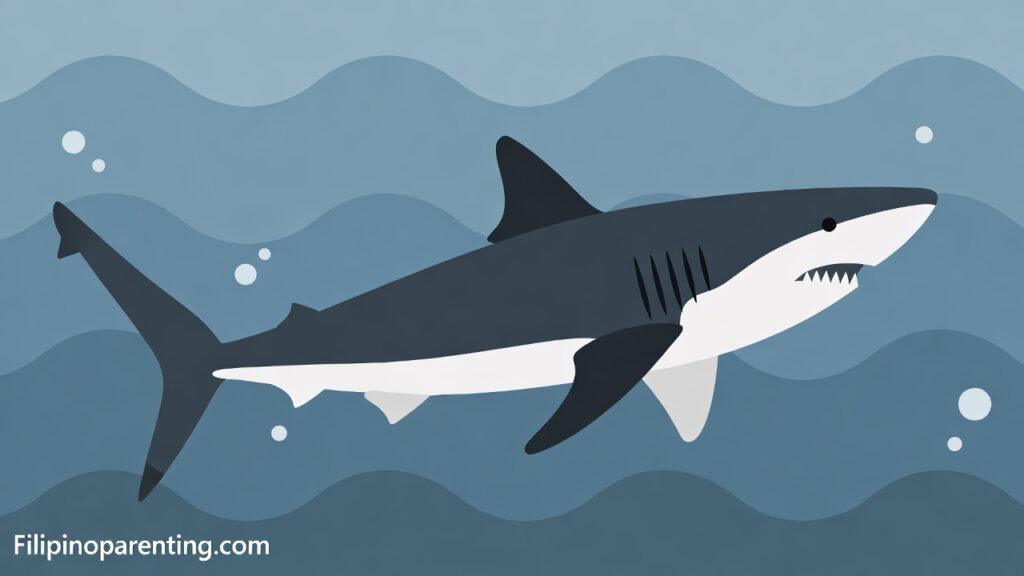
Fascinating Facts About Pating in Philippine Waters
The Philippines lies in the Coral Triangle, a global center of marine biodiversity with more shark species than almost anywhere else. Shark hotspots include Tubbataha Reefs, Apo Reef, Donsol (famous for butanding), and Malapascua (known for thresher sharks). The whale shark (butanding) is a gentle filter-feeder that attracts tourists for ethical snorkeling tours.
Many shark species are threatened by overfishing, finning, and habitat loss—leading to national protection laws and marine protected areas. You can learn more about shark biodiversity through the World Wildlife Fund or check out marine species lists via FishBase.
Sharks are vital for healthy oceans: they control prey populations and maintain balance in reef ecosystems. In Filipino culture, sharks symbolize strength and mystery—some coastal folklore views them as guardians of the sea.
How to Use Pating in Everyday Tagalog: 12 Example Sentences
Here are 12 practical sentences using pating and related terms, with Tagalog first followed by the English translation. These cover sightings, facts, diving, and casual conversation.
- Ang pating ay isa sa pinakamatanda na hayop sa dagat. (The shark is one of the oldest animals in the sea.)
- Nakakita ako ng pating habang nagdi-dive sa Tubbataha. (I saw a shark while diving in Tubbataha.)
- Ang butanding ay hindi mapanganib na pating dahil kumakain lang ito ng plankton. (The whale shark is not dangerous because it only eats plankton.)
- Sa Donsol, sikat ang butanding watching tour. (In Donsol, the whale shark watching tour is famous.)
- Paano makilala ang pating mula sa iba pang isda? (How do you distinguish a shark from other fish?)
- Ang pating ay may kartilago sa halip na buto. (Sharks have cartilage instead of bones.)
- Huwag kang matakot sa pating kapag nasa malalim na tubig. (Don’t be afraid of sharks when in deep water.)
- Ang ilang uri ng pating ay nanganganib dahil sa overfishing. (Some shark species are endangered due to overfishing.)
- Sa Malapascua, makikita mo ang thresher shark. (In Malapascua, you can see thresher sharks.)
- Ang pating ay mahalaga sa balanse ng ecosystem sa dagat. (Sharks are important for the balance of the ocean ecosystem.)
- Nakakita kami ng reef shark habang nag-s snorkeling. (We saw a reef shark while snorkeling.)
- Protektado ang pating sa maraming marine protected areas sa Pilipinas. (Sharks are protected in many marine protected areas in the Philippines.)
Practice these sentences aloud—they are perfect for dive briefings or sharing photos! If you want to expand your vocabulary, check out our guide on Sea Animal Names in Tagalog or see our list of Mammals in Tagalog.
Pating in Philippine Culture and Conservation
Sharks are respected in Filipino coastal communities—fishermen often avoid unnecessary harm and view large sharks as powerful sea creatures. The butanding is a national treasure, with Donsol’s community-led tourism model becoming a global example of sustainable shark-watching. Understanding the Shark in Tagalog translation helps appreciate this cultural connection.
Conservation is a major focus: the Philippines bans shark finning, protects whale sharks, and designates shark sanctuaries in places like Tubbataha and Tañon Strait. To dive deeper into local marine life, you might enjoy our Filipino Wildlife Scavenger Hunt or learn about the National Symbols of the Philippines.
Related Tagalog Vocabulary for Sharks and Marine Life
Expand your ocean words:
- Whale shark = butanding
- Reef shark = pating sa bahura
- Fin = palikpik
- Teeth = ngipin
- Dive = sumisid
- Snorkel = mag-snorkel
Other sea creatures: lumba-lumba (dolphin), balyena (whale), dugong (sea cow). You can find more specific details in our posts on Whale Shark Facts and Great White Shark Facts.
FAQ About Pating in Tagalog
What is the Tagalog word for shark?
Pating is the standard term; butanding specifically for whale shark.
How do you pronounce pating?
PAH-ting (stress on the first syllable).
Are sharks dangerous in Philippine waters?
Most are not—reef sharks and whale sharks are gentle; serious incidents are rare when followers and learners follow guidelines.
Where to see pating in the Philippines?
Donsol and Oslob for whale sharks; Malapascua for threshers; Apo Reef, Tubbataha, and Anilao for reef sharks.
Are sharks protected in the Philippines?
Yes—whale sharks are fully protected, shark finning is banned, and many species are covered under marine conservation laws.
How do sharks differ from other fish?
They have cartilage skeletons, multiple gill slits, and dermal denticles (rough skin) instead of scales.
Why are sharks important?
They keep ocean ecosystems balanced by controlling prey populations and removing sick animals.
Is it safe to dive with sharks?
Yes—ethical diving practices and experienced guides make shark encounters safe and rewarding.
Conclusion: Embrace Pating and Respect Ocean Predators
Shark in Tagalog is more than a word—it is a symbol of power, mystery, and the need to protect our seas. From the gentle giants of Donsol to the sleek reef dwellers of Tubbataha, sharks remind us of the ocean’s majesty and fragility. With these 12 example sentences, you can talk about pating naturally.
Next time you see a shark fin break the surface or hear about a butanding sighting, confidently say “Pating!” and appreciate the moment. Learning Tagalog through marine life is exciting and meaningful. Keep practicing, dive responsibly, and support shark conservation. Salamat for reading—may your next encounter with pating be safe and unforgettable!