Lobster in Tagalog is a term every seafood lover and language learner should know. If you’re dreaming of a fancy Filipino feast or planning a coastal getaway, the word for lobster is ulang (pronounced OO-lahng, with stress on the first syllable). This is the standard Tagalog term for true lobsters, including spiny lobsters and clawed lobsters. In some regions, especially coastal Visayas and Mindanao, you might also hear banagan for spiny lobsters or pitik-pitik for very small ones, but ulang is the most widely recognized word nationwide.
Lobsters are considered premium seafood in the Philippines—prized for their firm, sweet meat and elegant presentation. While not as everyday as shrimp in Tagalog or mussel in Tagalog, ulang appears in upscale restaurants, tourist resorts, and special family celebrations. This guide explores the cultural role and practical usage of this luxury item.
What Is Lobster in Tagalog? Pronunciation and Basics
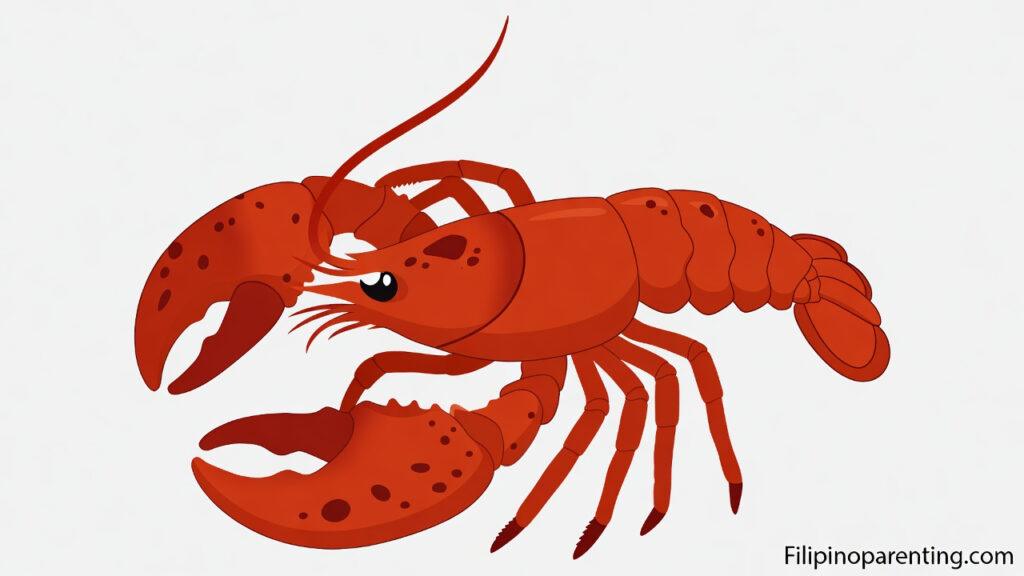
The term ulang refers to lobsters in general. In Philippine waters, you will mostly encounter the Spiny lobster (Panulirus spp.), which has no claws and long antennae. These are often called ulang or banagan. The Clawed lobster (Homarus spp.) is rare in local markets and is mostly imported, but it is still called ulang in Tagalog.
Pronunciation is OO-lahng—short and clear, with a soft “ng” sound at the end. In the Philippines, spiny lobsters are caught in coral reefs, rocky shores, and seagrass beds, especially in Palawan, Cebu, Bohol, and Mindanao. They’re often sold live in upscale seafood sections or by resort suppliers. Understanding the shell in Tagalog and other anatomy helps when ordering these fresh from the tank.
Fascinating Facts About Ulang in the Philippines
The Philippines is home to several spiny lobster species, with Palawan and Tawi-Tawi known for some of the largest and sweetest. Ulang farming is growing, using sea cages or pond systems, though wild-caught remains premium. Spiny lobsters can live 30–50 years and grow very slowly—making sustainable harvesting essential.
Ulang meat is low in fat, high in protein, and rich in omega-3s, zinc, and vitamin B12. In Filipino culture, serving ulang signals celebration—birthdays, anniversaries, or impressing guests. Live lobsters in restaurant tanks are a common sight in high-end spots in Manila, Cebu, and Boracay. For more biology, you can check out lobster facts or see how they compare to crab in Tagalog.
How to Use Ulang in Everyday Tagalog: 12 Example Sentences
Here are 12 practical sentences using the phrase Lobster in Tagalog, with Tagalog first followed by the English translation. These cover shopping, dining, cooking, and casual talk.
- Ang ulang ay isa sa pinakamahal na seafood sa Pilipinas. (Lobster is one of the most expensive seafood in the Philippines.)
- Bumili ako ng live ulang sa seafood restaurant. (I bought a live lobster at the seafood restaurant.)
- Gusto ko ng grilled ulang na may garlic butter. (I want grilled lobster with garlic butter.)
- Paano lutuin ang ulang nang hindi matigas ang laman? (How do you cook lobster so the meat doesn’t become tough?)
- May ulang ba kayo sa menu? Gusto ko ng steamed. (Do you have lobster on the menu? I want it steamed.)
- Ang ulang ay mayaman sa protina at omega-3. (Lobster is rich in protein and omega-3.)
- Sa Palawan, sikat ang fresh ulang na hinuli sa dagat. (In Palawan, fresh wild-caught lobster is famous.)
- Paborito ko ang ulang na may white sauce at cheese. (My favorite is lobster with white sauce and cheese.)
- Huwag mong kalimutan ang calamansi sa buttered ulang. (Don’t forget the calamansi in buttered lobster.)
- Nakakain ako ng malaking ulang noong anniversary namin. (I ate a big lobster during our anniversary.)
- Nag-order kami ng ulang thermidor para sa special dinner. (We ordered lobster thermidor for a special dinner.)
- Mas matamis ang lasa ng wild ulang kaysa farmed. (Wild lobster has a sweeter taste than farmed.)
Practice these aloud—they’re perfect for upscale dining or impressing friends!
Ulang in Filipino Cuisine: Signature Recipes
Lobster in Tagalog is treated as a luxury ingredient. Popular preparations include:
- Grilled Ulang — Split and grilled with garlic butter and calamansi.
- Steamed Ulang — Whole lobster served with a light soy-calamansi dip.
- Ulang Thermidor — Baked meat mixed with creamy sauce and cheese.
- Butter Garlic Ulang — Sautéed in butter and garlic for a simple finish.
- Ulang sa Gata — Simmered in coconut milk in Tagalog with ginger and chili.
- Ulang Salad — Chunks of lobster with mayonnaise and celery.
For more information on lobster biology and habitat, visit the National Oceanic and Atmospheric Administration (NOAA) or explore sustainable seafood guides at the World Wildlife Fund (WWF).
Related Tagalog Vocabulary for Luxury Seafood
Expand your terms to use at the market:
- Live lobster = live ulang
- Tail = buntot
- Claw = sanga (for clawed types)
- Shell = kabibi or balat
- Steam = singaw
Try saying: “May ulang at sugpo sa restaurant.” (There are lobster and large prawns at the restaurant.)
FAQ About Ulang in Tagalog
What is the Tagalog word for lobster?
Ulang is the standard term for both spiny and clawed lobsters.
How do you pronounce ulang?
OO-lahng (stress on the first syllable).
What’s the difference between ulang and banagan?
Ulang is the general Tagalog term; banagan is more common in Visayan regions for spiny lobsters.
How to cook ulang without overcooking?
Steam or boil 8–12 minutes, or grill split-side down for 5–7 minutes—meat should be opaque and firm.
Why is ulang so expensive?
Slow growth, limited wild supply, and high demand for fresh lobsters make it a luxury item.
Conclusion: Celebrate Ulang and Your Vocabulary
Learning about Lobster in Tagalog is a great way to elevate your seafood vocabulary. Ulang is more than seafood—it’s a symbol of celebration and the bounty of Philippine seas. Whether you are ordering at a fine restaurant or chatting with resort staff, using the word ulang shows a deep appreciation for the culture. Keep practicing, and treat yourself to grilled ulang when you can. Salamat for reading—happy feasting and happy learning!