If you’re learning the language, exploring Filipino seafood markets, or curious about marine life, knowing the word for Stingray in Tagalog is essential. The term is pagi (pronounced PAH-gee, with stress on the first syllable). This is the standard and most widely used Tagalog term for stingrays—those flat, diamond-shaped cartilaginous fish known for their wide pectoral fins, long whip-like tails, and venomous barbs.
In some regions, especially Bicol and Visayas, pagi is a common name in local dishes and fishing communities. While “stingray” is used in tourist contexts, pagi is the authentic everyday word you’ll hear from vendors and locals. Understanding the role of a Stingray in Tagalog culture helps you appreciate these bottom-dwellers that glide over sand in search of shrimp in Tagalog or small fish.
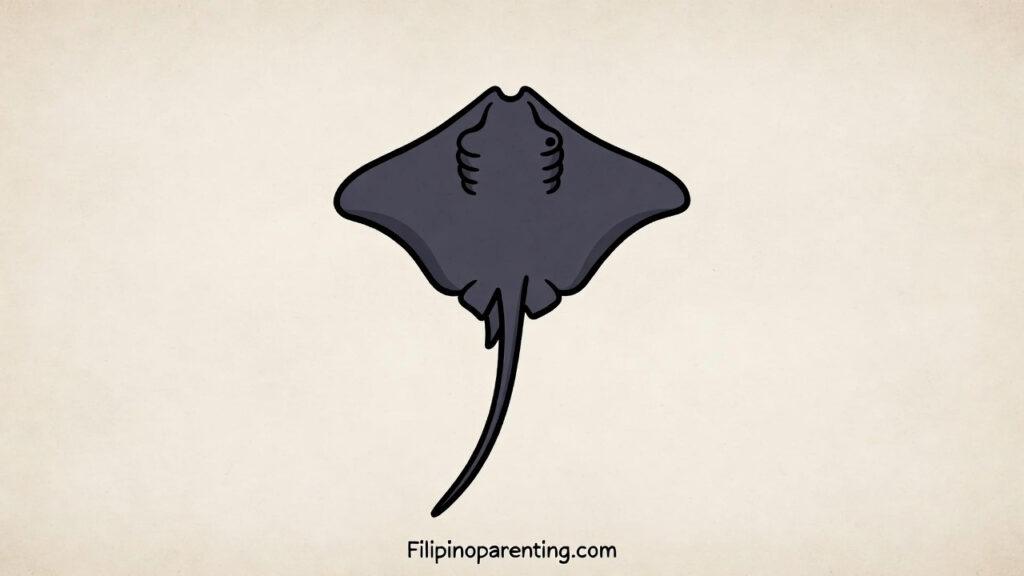
Table of Contents
What Is Stingray in Tagalog? Pronunciation and Basics
Pagi is the primary word for Stingray in Tagalog, referring to various species in the order Myliobatiformes. This includes blue-spotted stingrays, eagle rays, and even the massive manta ray. The pronunciation is PAH-gee—short and crisp.
Stingrays have flattened bodies for efficient bottom-feeding and one or more venomous spines on the tail in Tagalog used for defense. In Philippine waters, common species include the blue-spotted fantail ray, often found in shallow coastal areas. To learn more about their biological classification, you can visit the Ocean Conservancy.
Fascinating Facts About Pagi in the Philippines
The Philippines is home to dozens of stingray species thriving in coral reefs and estuaries. Popular spots include Donsol and Palawan for sightings. Stingray in Tagalog safety is a priority for coastal families; stings usually happen defensively when a person accidentally steps on them in the sand.
Pagi are also a traditional food source. They are low in fat and high in protein. In Bicol, flaked stingray in coconut milk in Tagalog is a regional delicacy. Conservation is important, as some species are protected under Philippine wildlife laws to ensure the health of the reef in Tagalog.
How to Use Pagi in Everyday Tagalog: 12 Example Sentences
Here are 12 practical sentences featuring the Stingray in Tagalog term, with the Tagalog first and the English translation second.
- Ang pagi ay may matulis na tinik sa buntot nito. (The stingray has a sharp barb on its tail.)
- Nakakita ako ng pagi habang nagla-lakad sa mababaw na tubig. (I saw a stingray while walking in shallow water.)
- Sa Donsol, sikat ang kinunot na pagi. (In Donsol, flaked stingray is famous.)
- Mag-ingat sa dagat dahil maaaring may pagi sa ilalim ng buhangin. (Be careful in the sea because there might be stingrays buried in the sand.)
- Paano lutuin ang pagi nang hindi mapait? (How do you cook stingray so it doesn’t taste bitter?)
- Ang pagi ay kumakain ng hipon, alimango, at mollusk. (Stingrays eat shrimp, crabs, and mollusks.)
- Huwag kang tumapak sa pagi dahil masakit ang kagat nito. (Don’t step on a stingray because its sting is painful.)
- Sa palengke, mura ang pagi kapag sariwa. (At the market, stingray is cheap when fresh.)
- Paborito ko ang ginataang pagi na may luya at sili. (My favorite is stingray in coconut milk with ginger and chili.)
- Nakakain ako ng pagi noong bakasyon sa Bicol. (I ate stingray during vacation in Bicol.)
- Ang pagi ay may malapad na katawan na parang pakpak. (The stingray has a wide body that looks like wings.)
- Sa diving, nakikita ang pagi na nagtatago sa buhangin. (While diving, you can see stingrays hiding in the sand.)
Pagi in Filipino Cuisine: Popular Recipes and Traditions
Stingray meat is firm and mild. Signature dishes often incorporate local flavors to create a rich experience:
- Kinunot na Pagi — Flaked stingray simmered in coconut milk with ginger and chili.
- Adobong Pagi — Braised in vinegar in Tagalog, soy sauce, and garlic.
- Ginataang Pagi — Cooked in rich coconut milk with vegetables.
- Grilled Pagi — Marinated and placed on a grill in Tagalog for a smoky flavor.
FAQ About Pagi in Tagalog
What is the Tagalog word for stingray?
Pagi is the standard and most common term.
How do you pronounce pagi?
It is pronounced PAH-gee, with the stress on the first syllable.
Are stingrays dangerous in Philippine waters?
Stings are defensive. Most occur when people step on them in shallow water. You should shuffle your feet in the sand to avoid them.
Where can I see a stingray in the Philippines?
You can spot them in sandy bottoms in Palawan, Cebu, and Donsol.
Is pagi edible?
Yes, it is a popular protein in coastal regions like Bicol and is often served in coconut-based dishes.
Conclusion: Embrace Pagi and Appreciate Philippine Coastal Life
The Stingray in Tagalog is a symbol of the sea’s quiet grace and requires our respect. Whether you are ordering a spicy dish or exploring a reef, understanding the pagi connects you to Filipino culture and ocean health. These creatures remind us that even in the sand, there is life worth protecting. Always move gently in the water and enjoy the beauty of the Philippine seas.