If you are a parent teaching the younger generation or an adult learner looking to master the language, knowing how to say Horse in Tagalog is a fantastic addition to your animal vocabulary. The word for horse is kabayo (pronounced kah-BAH-yo). This is the standard, native, and most widely used term for horses—both the working farm animal and the riding horse.
In everyday speech and “Real-Talk” conversations across the Philippines, kabayo is the word you will hear everywhere. Whether you are visiting a rural province or discussing birds in Tagalog and other livestock, using the correct term for Horse in Tagalog helps you communicate with confidence and cultural pride.
Horses are symbols of strength, hard work, and freedom in Filipino rural life. This blog post covers pronunciation, horses in Philippine culture, 12 practical example sentences, and more—so you can confidently use the term Horse in Tagalog.
Table of Contents
What Is Horse in Tagalog? Pronunciation and Basics
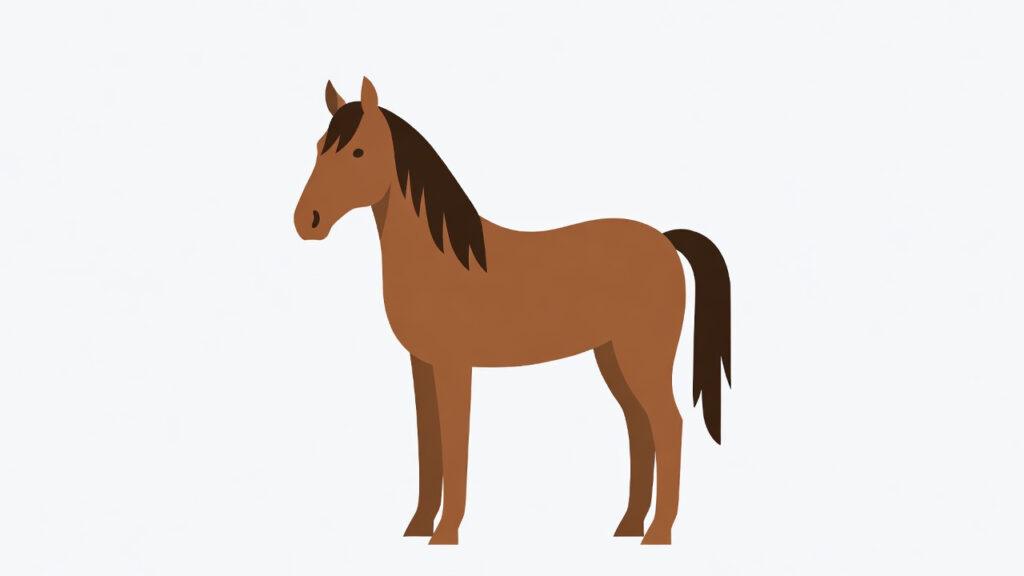
The word kabayo is the core term for all types of horses. Whether it is a working horse in the field (kabayo sa bukid) or a pony for riding, the word remains the same. The pronunciation is kah-BAH-yo—say it with a clear “kah” and a strong “bah” sound.
Common distinctions used by families:
- Kabayo – Horse (singular)
- Mga kabayo – Horses (plural)
- Kabayo na itim – Black Horse
- Kabayo na kayumanggi – Brown Horse
- Bata ng kabayo – Foal or Baby Horse
Fascinating Facts About Kabayo in Philippine Life
Horses were introduced to the Philippines during Spanish colonial times and became essential for transportation before cars were widespread. Today, they remain in use in remote areas and as cultural attractions, such as the famous kalesa rides in Vigan. In some regions, horse racing (karera ng kabayo) is a popular sport that brings the community together.
In Filipino culture, the kabayo symbolizes loyalty and grit. You will often see them in folk tales as faithful companions to heroes. For parents, teaching about the horse is a great way to show learners the importance of animals in our history. Seeing a kabayo in the bakuran (yard) is still a common sight in many provinces.
How to Use Kabayo in Everyday Tagalog: 12 Example Sentences
Here are 12 practical sentences using the term Horse in Tagalog. These are perfect for parents to practice with beginners at home.
- Ang kabayo ay mabilis tumakbo at malakas maghatid ng karga. (The horse runs fast and is strong at carrying loads.)
- Sa bukid, may kabayo na tumutulong sa magsasaka. (In the field, there is a horse helping the farmer.)
- Gusto ng mga bata na sumakay sa kabayo sa bukid. (The beginners want to ride the horse in the field.)
- Paano mag-alaga ng kabayo sa mainit na panahon? (How do you take care of a horse in hot weather?)
- Ang kabayo ay may mahabang buntot at malakas na paa. (The horse has a long tail and strong legs.)
- Sa umaga, maririnig mo ang hiyaw ng kabayo sa kuwadra. (In the morning, you can hear the neighing of the horse in the stable.)
- Huwag kang lumapit nang masyado sa kabayo kung hindi mo kilala. (Don’t get too close to the horse if you don’t know it.)
- Sa probinsya, ang kabayo ay ginagamit pa rin sa pagdadala ng mga produkto. (In the province, horses are still used to carry products.)
- Nakakatuwa panoorin ang kabayo na tumatakbo nang malaya. (It’s fun to watch the horse running freely.)
- Sa kwentong bayan, ang kabayo ay madalas na tapat at matapang. (In folk stories, the horse is often loyal and brave.)
- Ang bata ng kabayo ay napaka-cute kapag maliit pa. (Foals are very cute when they are small.)
- Gusto kong mag-alaga ulit ng kabayo sa susunod na taon. (I want to raise a horse again next year.)
Kabayo in Filipino Culture and Daily Life
The kabayo remains a symbol of rural strength. While many farmers now use tractors or the carabao, horses are still vital for navigating steep mountain trails where vehicles cannot go.
For the younger generation, learning the word Horse in Tagalog is an entry point into understanding animal sounds and farm life. It encourages a respect for the working animals that helped build our communities.
Related Tagalog Vocabulary for Farm Animals
- Kuwadra – Stable
- Damo – Grass
- Silya – Saddle
- Pagtakbo – Running
- Mabilis – Fast
FAQ About Kabayo
What is the Tagalog word for horse?
Kabayo is the standard term used across the Philippines.
How do you pronounce kabayo?
It is pronounced kah-BAH-yo.
Are horses common in the Philippines?
Yes, they are common in provinces for transport and tourism, though less common than carabaos for heavy plowing.
What do horses eat?
They eat grass (damo), hay, and grains.
Conclusion: Master the Word for Horse in Tagalog
Learning the word kabayo is a simple yet powerful way to connect with Filipino heritage. Whether you are describing a scene in the province or teaching your family about different animals, knowing the term for Horse in Tagalog makes the language come alive.
For more information on horse breeds and care, you can visit the American Quarter Horse Association or check out The British Horse Society for expert riding tips.