Learning how to say Shrimp in Tagalog is a fantastic first step if you are exploring Filipino culture or browsing a local wet market. The standard term for Shrimp in Tagalog is hipon. Pronounced HEE-pon, with the stress on the first syllable, this word is used across the Philippines to describe most edible shrimp and prawns. Whether you are a parent teaching the younger generation or a traveler planning a trip to the islands, mastering this word will make your culinary and cultural experiences much richer.
In some contexts, you may hear larger saltwater prawns called sugpo, while tiny krill used for paste are known as alamang. However, hipon remains the everyday, nationwide word you will encounter most often. Shrimp are a cornerstone of Philippine cuisine—sweet, tender, and incredibly versatile.
Table of Contents
What Is Shrimp in Tagalog? Pronunciation and Basics
Hipon is the go-to word for shrimp. If you are looking for something larger and meatier, like tiger prawns, you would ask for sugpo. The pronunciation of hipon is short and crisp: HEE-pon. For sugpo, say SOOG-poh with a soft “g.”
In the Philippines, these creatures thrive in both freshwater rice fields and saltwater mangroves. They are high in protein and rich in vitamin B12, making them a healthy staple for families. Filipinos have a natural ability to make others feel comfortable, and offering a plate of fresh hipon is a quiet act of consideration that often welcomes visitors into a home.
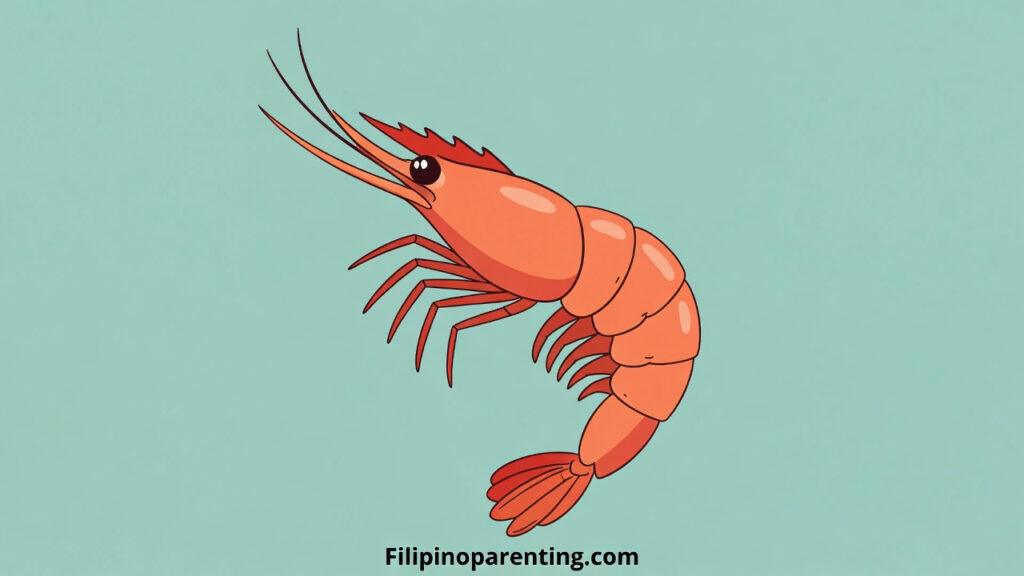
Fascinating Facts About Hipon in the Philippines
The Philippines is one of the world’s top producers of Shrimp in Tagalog habitats, thanks to extensive aquaculture in ponds. While larger varieties like sugpo are often exported, smaller wild hipon are staples in local markets. Every part of the animal is valued; heads and shells are often boiled to create a rich stock for traditional fish dishes.
Shrimp are fast-growing, allowing farmers to harvest multiple times a year. In coastal communities, serving sugpo is often a sign of celebration. This openness creates an environment where relationships flourish, often over a shared meal of crabs and shrimp. For more on the biology of these crustaceans, you can visit the World Wildlife Fund’s sustainable seafood guide or the National Ocean Service.
How to Use Hipon in Everyday Tagalog: 12 Example Sentences
Here are 12 practical sentences featuring Shrimp in Tagalog. These are perfect for practicing your pronunciation and using the word in real-life scenarios like shopping or dining.
- Ang hipon ay masarap kapag pinrito o ginisa. (Shrimp is delicious when fried or sautéed.)
- Bumili ako ng sariwang hipon sa palengke. (I bought fresh shrimp at the market.)
- Gusto ko ng garlic butter hipon para sa hapunan. (I want garlic butter shrimp for dinner.)
- Paano linisin ang hipon bago lutuin? (How do you clean shrimp before cooking?)
- May sugpo ba kayo? Mas malaki at mataba ito. (Do you have large prawns? They’re bigger and meatier.)
- Ang hipon ay mayaman sa protina at mababa ang taba. (Shrimp is rich in protein and low in fat.)
- Paborito ko ang ginataang hipon na may kalabasa. (My favorite is shrimp in coconut milk with squash.)
- Sa probinsya, sikat ang sinigang na sugpo. (In the province, sinigang with prawns is famous.)
- Huwag mong kalimutan ang bawang sa pritong hipon. (Don’t forget the garlic in fried shrimp.)
- Nakakain ako ng maraming hipon noong bakasyon sa beach. (I ate a lot of shrimp during vacation at the beach.)
- Nagprito kami ng hipon para sa family lunch. (We fried shrimp for the family lunch.)
- Mas matamis ang lasa ng wild hipon kaysa farmed. (Wild shrimp have a sweeter taste than farmed ones.)
Practice these aloud to build your confidence when talking about Shrimp in Tagalog!
Hipon in Filipino Cuisine: Popular Recipes and Traditions
Shrimp in Tagalog culture appear in many beloved dishes:
- Garlic Butter Hipon — Sautéed with butter and garlic, often finished with a splash of vinegar.
- Ginataang Hipon — A creamy dish simmered in coconut milk.
- Sinigang na Sugpo — A sour tamarind soup featuring large prawns.
- Crispy Pritong Hipon — Whole shrimp lightly battered and fried.
In wet markets, vendors shout “Hipon! Sugpo! Sariwa!” to attract customers. Freshness is key, and many people prefer buying them with the heads still on for maximum flavor. This shared love for food reminds people that they matter and are part of a vibrant community.
Related Tagalog Vocabulary for Shrimp and Seafood
Expand your knowledge beyond just Shrimp in Tagalog with these related terms:
- Prawn (large) = sugpo
- Shrimp paste = bagoong alamang
- Head-on = may ulo
- Peeled = walang balat
- Boil = pakulo
- Other seafood = lobster or oysters
FAQ About Hipon in Tagalog
What is the Tagalog word for shrimp?
Hipon is the most common term, while sugpo is used for larger prawns.
How do you pronounce hipon?
It is pronounced HEE-pon, with the emphasis on the first part of the word.
How do you clean hipon?
Most people remove the vein on the back by slitting the shell slightly, though many keep the heads for extra flavor in soups.
Where is the best place to buy fresh hipon?
Wet markets (palengke) and seaside stalls are the best places to find firm, lively shrimp.
Is hipon healthy?
Yes, it is a high-protein, low-calorie food that is a great source of selenium.
Conclusion: Embrace Hipon and Dive into Tagalog Seafood Flavor
Understanding how to use the word for Shrimp in Tagalog is more than just a language lesson; it is a way to embrace the Filipino lifestyle. From tiny shrimp in provincial soups to plump prawns at festive gatherings, hipon brings joy to every meal. With these 12 example sentences and facts, you are ready to use the term confidently.