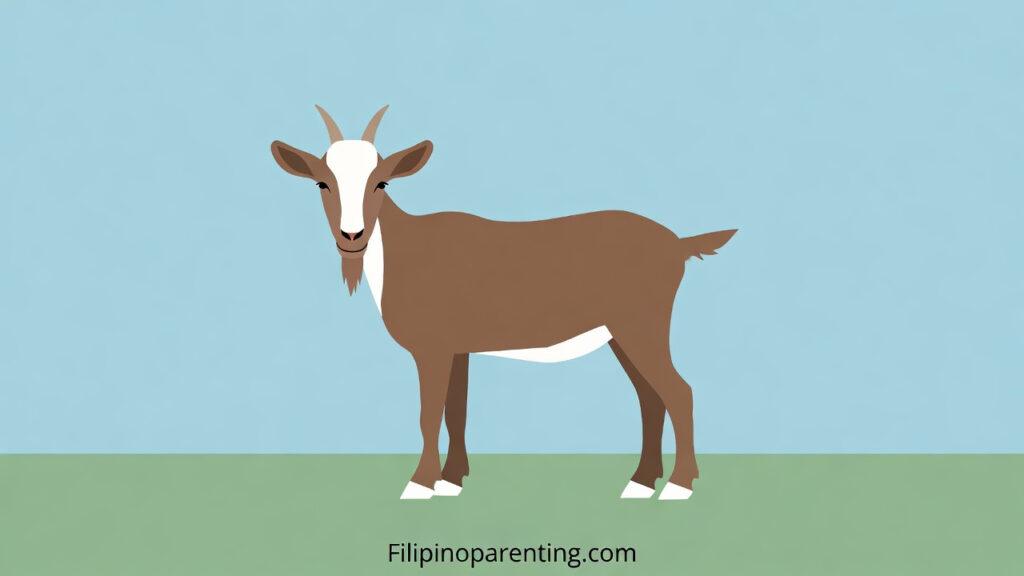
Goat in Tagalog is kambing (pronounced kam-BING). Whether you are visiting a farm in the province or learning about animal names, knowing how to say Goat in Tagalog is a great way to build your vocabulary. In the Philippines, these animals are everywhere—from the hillsides of Batanes to small backyard farms in the lowlands.
Table of Contents
How to Pronounce Goat in Tagalog
The word for Goat in Tagalog is kambing. It is used for the animal itself and often refers to the meat used in traditional dishes.
Common terms you might hear include:
- Kambing = Goat (general)
- Mga kambing = Goats (plural)
- Kambing na lalaki = Billy Goat
- Kambing na babae = Nanny Goat
- Kambing na maliit = Baby Goat
Fascinating Facts About Goats in the Philippines
In the Philippines, goat in Tagalog or kambing are known for being resilient and adaptable. They can thrive in areas where other livestock might struggle. Many families in rural areas keep a few goats because they are easy to raise and provide a steady source of milk or meat.
If you want to learn more about the animals found in the Philippine countryside, check out this guide on farm animals in Tagalog.
Using Goat in Tagalog: 12 Example Sentences
Here are the Tagalog sentences to help you practice your pronunciation and usage.
- Ang kambing ay kumakain ng damo at dahon ng puno. (The goat eats grass and tree leaves.)
- Sa bakuran namin, may apat na kambing na alaga. (In our yard, there are four pet goats.)
- Gusto ko ng kalderetang kambing sa pista. (I want goat kaldereta during the fiesta.)
- Paano mag-alaga ng kambing sa maliit na bakuran? (How do you raise goats in a small yard?)
- Ang kambing ay may sungay at matulis na ngipin. (The goat has horns and sharp teeth.)
- Sa umaga, maririnig mo ang meee ng mga kambing. (In the morning, you can hear the bleating of the goats.)
- Huwag kang lumapit nang masyado sa kambing na may sungay. (Don’t get too close to a goat with horns.)
- Sa probinsya, ang gatas ng kambing ay sariwa at masustansya. (In the province, goat’s milk is fresh and nutritious.)
- Nakakatuwa panoorin ang kambing na umaakyat sa puno. (It’s fun to watch the goat climbing trees.)
- Sa kwentong pambata, ang kambing ay madalas na matapang at mausisa. (In stories for the younger generation, the goat is often brave and curious.)
- Ang bata ng kambing ay napaka-cute kapag tumatalon. (Baby goats are very cute when they jump.)
- Gusto kong mag-alaga ulit ng kambing sa susunod na taon. (I want to raise goats again next year.)
Important Vocabulary for Farm Animals
If you are interested in farming, you might also want to learn about the farming vocabulary in Tagalog to expand your knowledge.
- Kambing = Goat
- Sungay = Horn
- Kuko = Hoof
- Bukid = Farm
For more information on livestock care, you can visit the Bureau of Animal Industry
FAQ About Goat in Tagalog
What is the Tagalog word for goat? The word is kambing.
How do you say baby goat? You can say bata ng kambing or kambing na maliit.
Is goat meat common in the Philippines? Yes, it is often served during celebrations as kaldereta or adobo.
Conclusion
Mastering the term Goat in Tagalog is a simple yet powerful step in connecting with Filipino culture and rural traditions. Whether you are talking about backyard farming or a favorite local dish, using the word kambing will help you communicate with heart and sincerity.