If you’re learning Tagalog, passionate about marine life, or planning an eco-tour in the Philippines, the word for Sea Turtle in Tagalog is pagong-dagat (pronounced pah-GONG dah-GAT, with stress on the second syllable of each word). This is the standard and most natural Tagalog term, literally meaning “sea turtle.” In some regions, especially coastal communities, you may also hear pawikan, siyansi, or sisikan for specific species like the green sea turtle, but Sea Turtle in Tagalog is the everyday phrase used nationwide in schools, documentaries, and conservation conversations.
Sea turtles are ancient reptiles that have swam the oceans for over 100 million years, and the Philippines is one of the most important nesting and feeding grounds in the world for several species. This blog post explores pagong-dagat in Tagalog: pronunciation, fascinating facts about sea turtles in Philippine seas, practical example sentences, conservation efforts, and more to help you speak about these gentle giants with confidence.
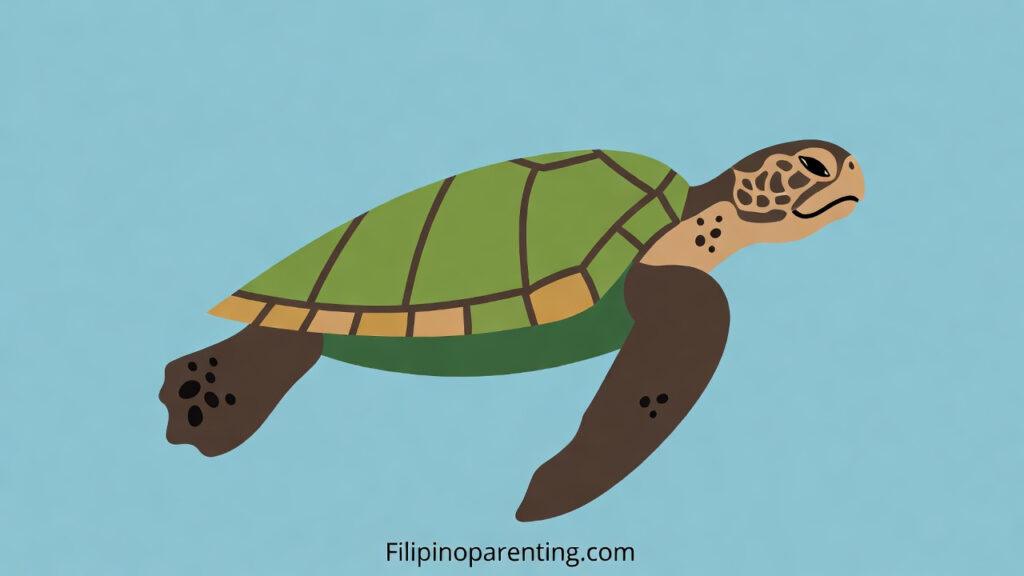
Table of Contents
What Is Sea Turtle in Tagalog? Pronunciation and Basics
Pagong-dagat refers to all seven living species of sea turtles. The most commonly encountered in Philippine waters are:
- Green sea turtle (sisikan or lukot in some dialects)
- Hawksbill sea turtle (sisikan or siyansi)
- Olive ridley, loggerhead, and leatherback (less common but still called pagong-dagat)
Pronunciation is pah-GONG dah-GAT—say it smoothly with a light roll on the “g” if you can. Unlike land turtles (pagong), sea turtles cannot retract their heads fully and have flippers instead of feet for swimming. In the Philippines, sea turtles are protected by law—killing, trading, or disturbing them is illegal—and they symbolize longevity, resilience, and the health of the ocean.
Fascinating Facts About Sea Turtle in Tagalog (Pagong-Dagat)
The Philippines hosts five of the seven sea turtle species: green, hawksbill, olive ridley, loggerhead, and leatherback. Major nesting sites include the Turtle Islands Heritage Protected Area (Tawi-Tawi), Baguan Island, and beaches in Zambales, Palawan, and Quezon. The green sea turtle (sisikan) is the most common nester, while hawksbills are prized for their beautiful shells (now fully protected). You can learn more about global conservation efforts through the World Wildlife Fund or the Sea Turtle Conservancy.
Sea turtles migrate thousands of kilometers between feeding and nesting grounds, often returning to the exact beach where they hatched. Females lay 50–200 eggs per clutch, but only about 1 in 1,000 hatchlings survives to adulthood due to predators, pollution, and human threats. In Philippine culture, pagong-dagat are seen as gentle ocean guardians—many coastal communities hold festivals and release programs to celebrate and protect them.
How to Use Pagong-Dagat in Everyday Tagalog: 12 Example Sentences
Here are 12 practical sentences using pagong-dagat (and related terms), with Tagalog first followed by English translation. These cover sightings, facts, conservation, and casual conversation.
- Ang pagong-dagat ay isa sa pinakamatandang hayop sa mundo. (The sea turtle is one of the oldest animals in the world.)
- Nakakita ako ng pagong-dagat na naglalagay ng itlog sa beach. (I saw a sea turtle laying eggs on the beach.)
- Sa Turtle Islands, maraming pagong-dagat ang nangingitlog tuwing gabi. (In the Turtle Islands, many sea turtles lay eggs every night.)
- Ang pagong-dagat ay kumakain ng damong-dagat at jellyfish. (Sea turtles eat seagrass in Tagalog and jellyfish in Tagalog.)
- Huwag kang hawakan o abalahin ang pagong-dagat sa dagat. (Don’t touch or disturb sea turtles in the ocean.)
- Ang sisikan ay uri ng pagong-dagat na madalas makita sa Pilipinas. (The green sea turtle is a type of sea turtle often seen in the Philippines.)
- Sa Donsol at Palawan, sikat ang sea turtle watching. (In Donsol and Palawan, sea turtle watching is famous.)
- Ang pagong-dagat ay nanganganib dahil sa plastic sa dagat. (Sea turtles are endangered because of plastic in the ocean.)
- Gusto kong sumali sa pagong-dagat release program. (I want to join a sea turtle release program.)
- Ang hatchling ng pagong-dagat ay kailangang maglakbay nang mag-isa patungo sa dagat. (The hatchling in Tagalog of the sea turtle must travel alone to the sea.)
- Protektado ang pagong-dagat sa ilalim ng batas sa Pilipinas. (Sea turtles are protected under Philippine law.)
- Nakakatuwa ang pagong-dagat kapag lumalangoy ito nang malakas. (Sea turtles are wonderful when they swim powerfully.)
Pagong-Dagat in Philippine Conservation and Culture
Sea turtles are nationally protected under Republic Act 9147 (Wildlife Resources Conservation and Protection Act). Major nesting beaches are monitored by community volunteers, DENR, and NGOs like the Pawikan Conservation Project. Ethical tours in places like Donsol, Apo Island, and Turtle Islands allow distant observation without flash photography or touching.
Culturally, pagong-dagat represent endurance and return—hatchlings racing to the sea symbolize hope and new beginnings. Many coastal towns hold annual turtle festivals with hatchling releases, clean-ups, and education to inspire the next generation. We often see these animals living near a reef in Tagalog where they can find food and shelter.
Related Tagalog Vocabulary for Sea Turtles and Marine Life
Expand your ocean terms:
- Hatchling = bagong-panganak na pagong or hatchling
- Nest = pugad
- Flippers = flippers in Tagalog (palikpik)
- Shell = shell in Tagalog (kabibi or balat)
- Endangered = nanganganib
Other marine animals: pating (shark), lumba-lumba (dolphin), dugong (sea cow). Try saying: “May pagong-dagat at dugong sa bahura ng Palawan.” (There are sea turtles and dugongs in Palawan’s reef.)
FAQ About Sea Turtle in Tagalog
What is the Tagalog word for sea turtle?
Pagong-dagat is the standard term.
How do you pronounce pagong-dagat?
Pah-GONG dah-GAT (stress on “gong” and “gat”).
Are sea turtles dangerous?
No—they are gentle and avoid humans; never approach or touch them to reduce stress.
Where to see pagong-dagat in the Philippines?
Best spots include Donsol (Sorsogon) for feeding turtles, Turtle Islands (Tawi-Tawi) for nesting, Apo Island (Negros), and Baguan Island.
Why are sea turtles endangered?
Threats include plastic pollution, bycatch in fishing nets, habitat loss, poaching of eggs, and climate change.
How many eggs does a sea turtle lay?
50–200 per nest, but only about 1 in 1,000 hatchlings survive to adulthood.
Conclusion: Celebrate Pagong-Dagat and Protect Our Ocean Heritage
Pagong-dagat is more than a word—it’s a living link to the ancient oceans and a powerful reminder of our responsibility to the sea. From the epic journey of hatchlings to the quiet majesty of nesting mothers on moonlit beaches, sea turtles inspire awe and call us to action. With these 12 example sentences, you can talk about a Sea Turtle in Tagalog naturally: describing a snorkel encounter, sharing conservation facts, or joining a hatchling release.
Next time you visit a Philippine beach or see a sea turtle glide past, confidently say “Pagong-dagat!” and cherish the moment. Learning Tagalog through marine life makes it meaningful and urgent. Keep practicing, support turtle conservation, and help keep Philippine seas thriving for generations of Sea Turtle in Tagalog. Salamat for reading—may you witness the magic of a nesting sea turtle under the stars!