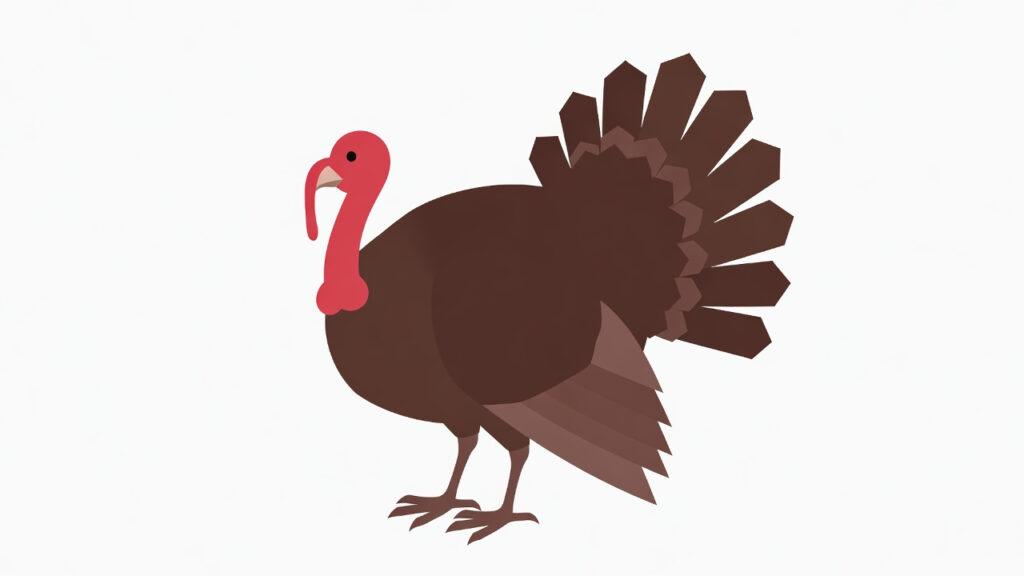
If you are a parent teaching the younger generation or an adult learner looking to master the language, knowing how to say Turkey in Tagalog is essential for holiday and farm-themed conversations. The word for turkey is pabo (pronounced PAH-boh). This is the standard, native term used for both the live farm animal and the roasted meat served during special gatherings.
In everyday speech and family reunions, pabo is the word you will hear everywhere. Whether you are at a local farm or planning a festive meal, using the correct term for Turkey in Tagalog helps you sound more like a local. It is a special-occasion staple in the Philippines, especially in urban homes that enjoy celebrating Thanksgiving or Christmas with a big feast.
Table of Contents
What Is Turkey in Tagalog? Pronunciation and Basics
The core word pabo is used for the bird, the meat, and the holiday dish itself. The pronunciation is straightforward: PAH-boh, with a strong emphasis on the first syllable.
Common distinctions used by families:
- Pabo – Turkey (general term)
- Mga pabo – Tturkeys (plural)
- Pabong inihaw – Roasted or Grilled Turkey
- Pabo sa holiday – Holiday Turkey
- Pabong buhay – Live Turkey
Fascinating Facts About Pabo in Philippine Culture
While not originally native to the islands, turkeys have become a symbol of festive influence. In many households, especially those with connections to the West, a roasted pabo is a centerpiece for the holidays. It is often prepared with a Filipino twist, using stuffing seasoned with garlic, lemongrass, and onions.
In rural areas, you might see families raising a pabo in the backyard, though they are considered a more “premium” animal compared to chickens. For the younger generation, seeing a live turkey is always a highlight of a farm visit. They are fascinating mammals in Tagalog and birds that add a lot of personality to a farm setting.
12 Practical Example Sentences Using Turkey in Tagalog
Use these real-talk sentences to practice your vocabulary. These are perfect for parents to use with learners at home.
- Ang pabo ay malaking ibon na may pulang balbas sa leeg. (The turkey is a large bird with a red wattle on its neck.)
- Sa Thanksgiving, luto namin ang pabo na may stuffing. (For Thanksgiving, we cook turkey with stuffing.)
- Gusto ng mga nagsisimula na makita ang pabo sa zoo. (Learners want to see the turkeys at the zoo.)
- Paano magluto ng pabo na malutong ang balat? (How do you cook turkey so the skin is crispy?)
- Ang pabo ay kumakain ng butil, gulay, at insekto. (Turkeys eat grains, vegetables, and insects in Tagalog.)
- Sa Christmas, may pabo rin sa mesa katabi ng lechon. (At Christmas, there’s also turkey on the table beside lechon.)
- Huwag kang magulat kung marinig mo ang gugol-gugol ng pabo. (Don’t be surprised if you hear the gobble-gobble of a turkey.)
- Sa bukid, may nag-aalaga ng pabo para sa holiday. (In the farm, someone raises turkeys for the holidays.)
- Nakakatuwa panoorin ang pabo na naglalakad nang mabagal. (It’s fun to watch the turkey walking slowly.)
- Sa picture book, ang pabo ay laging may malaking buntot. (In picture books, the turkey always has a big tail.)
- Sa holiday feast, ang pabo ay hinahain nang may gravy. (During the holiday feast, the turkey is served with gravy.)
- Gusto kong subukan ulit ang lutong pabo sa susunod na Thanksgiving. (I want to try cooking turkey again next Thanksgiving.)
Related Vocabulary for Animals and Holidays
To master Turkey in Tagalog, it helps to know these related terms:
- Balahibo – Feathers
- Buntot – Tail (Check out our guide on animals with tails)
- Inihaw na pabo – Roasted turkey
- Ibon – Bird (See our list of birds in Tagalog)
- Laban lang – Keep going (Use our Tagalog quotes for motivation!)
FAQ About Pabo
What is the best way to describe a Turkey in Tagalog?
You can say: “Ang pabo ay malaking ibon na may mahabang leeg.” (The turkey is a large bird with a long neck.)
Is it common to eat pabo in the Philippines?
Yes, but usually only for big celebrations like Christmas or Thanksgiving because it is more expensive than chicken.
What do turkeys eat?
They eat grains (butil) and vegetables (gulay).
Conclusion: Start Using Pabo Today!
Mastering the term Turkey in Tagalog is a great way to expand your vocabulary for the holiday season. Whether you are discussing farm animals or planning a big family dinner, knowing the word pabo will help you connect more deeply with Filipino culture and traditions.
For more practice, you can check out official resources like the National Museum of the Philippines for cultural history or Cornell Lab of Ornithology to learn more about bird species worldwide.