If you’re learning Tagalog, fascinated by marine life, or planning a trip to Philippine waters where whale watching is possible, knowing how to say Whale in Tagalog is a perfect starting point. The most common and standard Tagalog word for whale is balyena (pronounced bal-YEH-nah, with stress on the second syllable). This term is used nationwide for these enormous marine mammals. In older or more poetic contexts, you might hear dambuhala (a grand, mythical-sounding word meaning “giant” or “leviathan”), but balyena is the everyday, modern choice for anyone discussing a Whale in Tagalog.
Whales hold immense cultural and ecological significance in the Philippines, especially with species like sperm whales, humpbacks, and occasional sightings of blue whales in Philippine seas. This post explores balyena in depth: pronunciation, facts about whales in Philippine waters, real-life example sentences, and related vocabulary to help you talk about these ocean giants fluently.
Table of Contents
What Is Whale in Tagalog? Pronunciation and Core Meaning
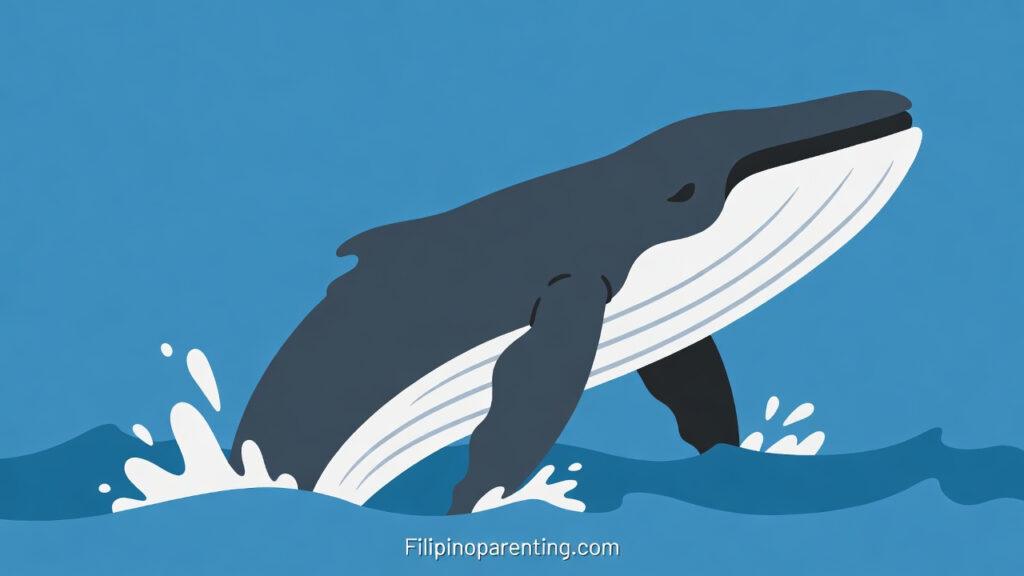
Balyena refers to any large cetacean mammal—baleen whales (like humpbacks) or toothed whales (like sperm whales or orcas). It’s the go-to word for parents and beginners in schools, documentaries, and conversations. Pronunciation is straightforward: bal-YEH-nah, rolling the “ye” softly like in “yes.”
In folklore and older Tagalog literature, dambuhala evokes a massive sea creature, sometimes blending myth with reality. Today, though, balyena dominates, especially in educational and tourist contexts when identifying a Whale in Tagalog.
Fascinating Facts About Balyena in Philippine Waters
The Philippines is part of the Coral Triangle, a biodiversity hotspot with regular whale sightings and migrations. Species include sperm whales (the largest toothed whales), Bryde’s whales, melon-headed whales, and even rare blue whale encounters in deeper waters. The Tañon Strait and Babuyan Islands are key hotspots for whale watching.
Filipinos have deep respect for these gentle giants. Conservation efforts protect them, and organizations like Balyena.org or the Marine Wildlife Watch of the Philippines work tirelessly to ensure their safety. Whales symbolize vastness and mystery in coastal stories, and their songs and breaches inspire awe among divers and boaters. Seeing a Whale in Tagalog regions is often considered a spiritual and humbling experience.
How to Use Balyena in Everyday Tagalog: 12 Example Sentences
One of the best ways to learn is through practical use. Here are 12 example sentences featuring balyena, with Tagalog first followed by the English translation. These span descriptions, sightings, and facts.
- Ang balyena ay isa sa pinakamalaking hayop sa mundo. (The whale is one of the largest animals in the world.)
- Nakakita ako ng balyena habang nagbo-boating sa dagat. (I saw a whale while boating in the sea.)
- Ang balyena ay may baga at humihinga ng hangin sa ibabaw. (Whales have lungs and breathe air at the surface.)
- Sa Pilipinas, may mga balyena sa Tañon Strait. (In the Philippines, there are whales in Tañon Strait.)
- Ang balyena ay kumakain ng maliliit na isda at plankton. (Whales eat small fish and plankton.)
- Gusto kong makita ang lumulukso na balyena. (I want to see a breaching whale.)
- Ang balyena ay matalino at may natatanging awit. (Whales are intelligent and have unique songs.)
- Huwag kang lumapit nang masyado sa balyena. (Don’t get too close to the whale.)
- Ang balyena ay nanganganib dahil sa polusyon sa dagat. (Whales are endangered due to ocean pollution.)
- Sa dokumentaryo, nakita ko ang higanteng balyena. (In the documentary, I saw the giant whale.)
- May balyena ba sa zoo o aquarium dito? (Are there whales in the zoo or aquarium here?)
- Ang balyena ay sumisid nang malalim upang manghuli ng pagkain. (Whales dive deep to hunt for food.)
Practice these aloud to nail the pronunciation of Whale in Tagalog!
Balyena in Philippine Culture and Conservation
Whales feature heavily in modern eco-tourism and education. Whale-watching tours in places like Pamilacan Island (Bohol) or the Babuyan Islands let visitors observe them ethically. Conservation groups work to reduce ship strikes, plastic pollution, and bycatch to protect every Whale in Tagalog territory.
In folklore, large sea creatures like dambuhala appear in myths as powerful beings. Today, balyena sparks wonder in the younger generation learning about ocean life and inspires calls for marine protection.
Related Tagalog Vocabulary for Marine Mammals
Expand your ocean-themed words:
- Dolphin = lumba-lumba
- Shark = pating
- Whale shark = butanding
- Sea = dagat
- Tail = tail
FAQ About Balyena in Tagalog
What is the Tagalog word for whale?
Balyena is the standard, everyday term.
How do you pronounce balyena?
Bal-YEH-nah (stress on “yeh”).
Is “dambuhala” also correct?
Yes, it’s an older or more literary term for a huge whale or sea monster, but balyena is more common now.
Are there whales in Philippine waters?
Yes—sperm whales, Bryde’s whales, and others migrate or reside here; whale watching is popular in certain areas.
Where can I see balyena in the Philippines?
Tours in Bohol (Pamilacan), Babuyan Islands, or Tañon Strait; always choose ethical operators.
How do whales breathe?
They surface to breathe air through blowholes—unlike fish with gills.
Conclusion: Start Using Balyena Today
Balyena opens the door to fascinating conversations about marine wonders and the vast Philippine seas. Whether you’re describing a documentary sighting or planning an eco-tour, these 12 example sentences give you the tools to speak naturally.
Next time you watch a marine video, confidently say “Balyena!” and share the excitement. Language learning connects us to magnificent creatures. Keep practicing and support ocean protection. Salamat for reading!