
Rabbitfish in Tagalog: 12 Essential Sentences for the Ultimate Crispy Danggit Breakfast
Rabbitfish in Tagalog is a term every seafood lover and language learner should know, especially if you enjoy a hearty Filipino breakfast. While many are…
Rabbitfish in Tagalog is a term every seafood lover and language learner should know, especially if you enjoy a hearty Filipino breakfast. While many are…

Swordfish in Tagalog is most commonly called isdang espada (pronounced ees-dahng es-PAH-dah). If you are learning Tagalog, exploring premium seafood, or interested in big-game fish…

If you are a beginner learning the language or a parent teaching the younger generation about heritage foods, knowing how to say sardine in Tagalog…

If you’re learning Tagalog, cooking Filipino dishes, or curious about local seafood and freshwater options, Catfish in Tagalog is an essential phrase to know. The…

If you are diving into Tagalog vocabulary, planning a Filipino seafood feast, or curious about Philippine marine life, knowing the name for Red Snapper in…

If you’re learning Tagalog, dining at Filipino restaurants, or exploring Philippine seafood, Grouper in Tagalog is a must-know phrase. The primary Tagalog name for grouper…

Mackerel in Tagalog is a term every seafood lover should know. If you’re learning Tagalog, shopping at Filipino wet markets, or craving classic Pinoy seafood,…

If you’re learning Tagalog, enjoying Filipino seafood, or planning a trip to the Philippines, knowing how to say Tuna in Tagalog is essential. The most…

Anchovy in Tagalog is a term every home cook and language learner should have in their back pocket. If you’re learning Tagalog, cooking Filipino food,…

Round Scad in Tagalog is a term every home cook and language learner should know. If you are studying Tagalog, shopping at Filipino markets, or…

If you are a language learner or a fan of Filipino culture, knowing how to say Milkfish in Tagalog is essential. The Tagalog term for…

If you’re learning Tagalog, traveling to the Philippines, or simply love Filipino food, knowing how to say Fish in Tagalog is a must. The Tagalog…

If you’re diving into Tagalog or dreaming of Filipino feasts, learning the Squid in Tagalog (Pusit) is essential. In Tagalog, squid is pusit (pronounced poo-SEET,…

Octopus in Tagalog is an essential term for anyone exploring the rich culinary landscape of the Philippines. If you’re learning Tagalog or planning a trip…

Left in Tagalog is one of the most fundamental directional terms you’ll need when navigating the Philippines or teaching the language to the younger generation.…

Ang lakas ng loob mo is a phrase that carries deep cultural weight. When you understand how to say How Dare You in Tagalog, you…

Saying I see you in Tagalog is more than just a literal translation; it is a window into the beautiful way Filipinos communicate. Whether you…

Awesome in Tagalog is more than just a simple translation; it is a gateway to understanding the heart of Filipino expression. Determining the right way…

What are you doing in Tagalog is one of the most practical phrases you can learn when connecting with Filipino family and friends. Whether you…

Learning the term for forehead in Tagalog is an essential step for anyone interested in Filipino culture, beauty, or health communication. In the Filipino language,…

Understanding the neck in Tagalog is an essential skill for anyone navigating daily health conversations or learning the Filipino language. Since our well-being is often…

Knowing how to say chin in Tagalog is an essential part of mastering basic anatomy and improving your communication in the Philippines. In Tagalog, the…

Jaw in Tagalog is called panga. Understanding the term jaw in Tagalog is incredibly useful whether you are discussing a “sharp jaw” trend or dealing…

Mouth in Tagalog is called bibig. This is one of the most fundamental words to learn because the mouth in Tagalog is involved in almost…

Cheeks in Tagalog are known as pisngi, and in Filipino culture, they are a powerful symbol of affection, health, and cuteness. Grandmothers often give a…

Understanding how to describe symptoms in Tagalog is an essential skill for learners and parents navigating health situations in the Philippines. Whether you are at…

Medical in Tagalog is an essential English-Tagalog terminology guide for navigating health situations with confidence. This guide provides adults, families, and parents with the necessary…

Tagalog Medical Emergency Words are essential for anyone traveling to the Philippines or living in a Filipino household. Knowing Tagalog Medical Emergency Words and first…

Hospital in Tagalog is called ospital. Knowing hospital in Tagalog words helps families, travelers, and students communicate clearly during medical visits in the Philippines. Whether…

Tagalog words for theft are essential for anyone living in or visiting the Philippines to understand. Crimes involving the loss of property can be stressful,…

Tagalog investigation terms are the foundation of understanding justice and security in the Philippines. Whether you are following a high-profile case in the news or…

Understanding Tagalog court terms is vital for anyone navigating the legal system or simply following a Filipino legal drama. Whether you are a student, an…

Learning Tagalog words for police is a powerful way to stay informed, keep your family safe, and understand the news when traveling in the Philippines.…

Sunday in the Philippines is more than just a date on the calendar; it is a profound cultural experience. Blending deep spiritual roots with a…
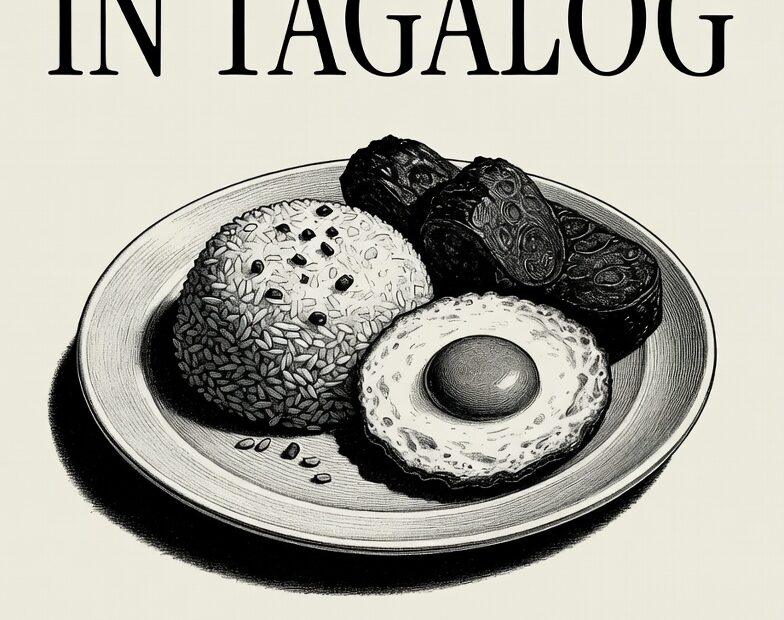
Saturday in Tagalog is a time of deep cultural meaning and family bonding. Known as Sabado, this day represents more than just a break from…
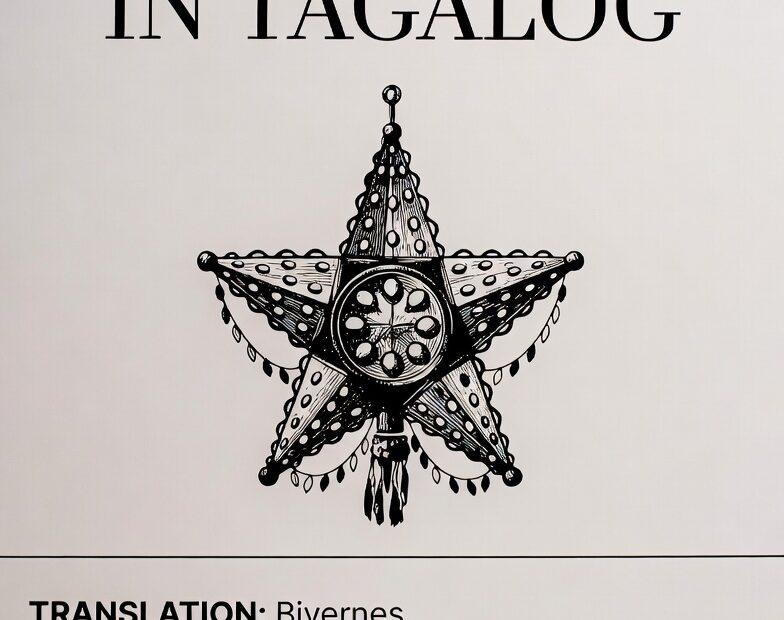
Friday in Tagalog is the most anticipated day of the week for many families. Known as Biyernes (pronounced bee-YEHR-nes), this day signifies the end of…

As the work week begins to wind down, your Thursday in Tagalog serves as a vital bridge to the upcoming rest days. Known as Huwebes…

Starting your Tuesday in Tagalog with a sense of purpose is the best way to keep the momentum going after the start of the week.…

Time in Tagalog is a fundamental concept for anyone looking to navigate daily life in the Philippines or connect with the Filipino culture. Whether you…
Do you have a green thumb or a growing garden at home? Learning Tagalog Words for Plants is a wonderful way to bring nature into…

Spices in Tagalog are commonly called mga pampalasa. These are essential ingredients added to food to enhance flavor, aroma, and color, and they play an…
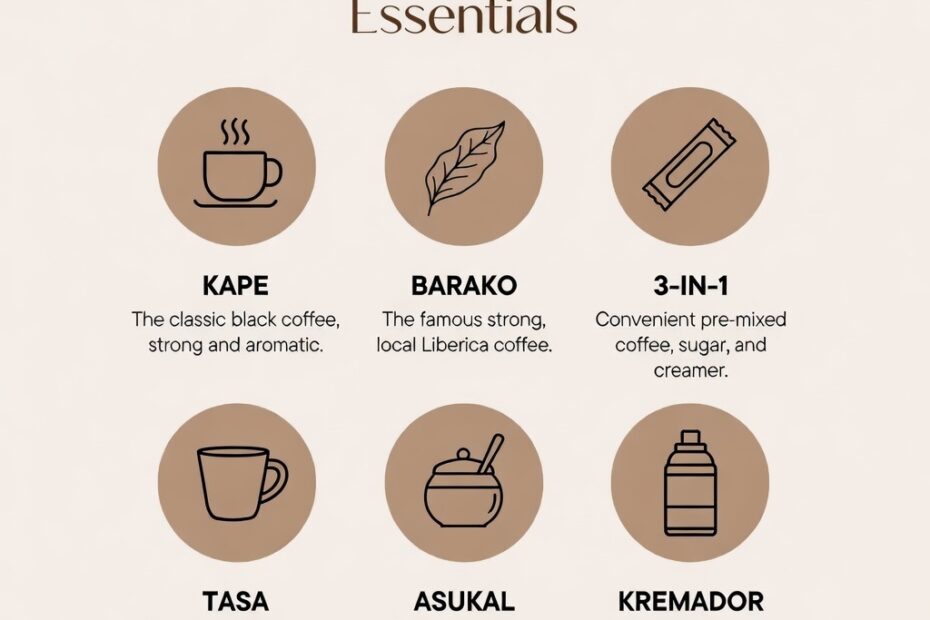
☕ Tagalog Coffee Phrases & Filipino Coffee Break Culture In Filipino life, coffee isn’t just a drink — it’s a pause button. And if you’re…
Rhinoceros beetle in Tagalog is commonly called salagubang. In the Philippines, the word salagubang is widely used to describe large, hard-shelled beetles that are often…
Bed bugs in Tagalog are called surot. In the Philippines, the word surot is commonly used to describe small, blood-sucking insects that hide in beds,…
Stink bug in Tagalog is commonly called suplina. In some areas of the Philippines, people may also refer to it as bangaw-bangaw or simply describe…
Weaver ants in Tagalog are called hantik. In the Philippines, the word hantik refers to large red or green ants commonly found in trees. These…
Tick in Tagalog is called garapata. In the Philippines, this word is commonly used when referring to small blood-sucking parasites that attach to dogs, cats,…
Lice in Tagalog is called kuto. Many Filipino families are familiar with this term because head lice are common among children, especially in school settings.…
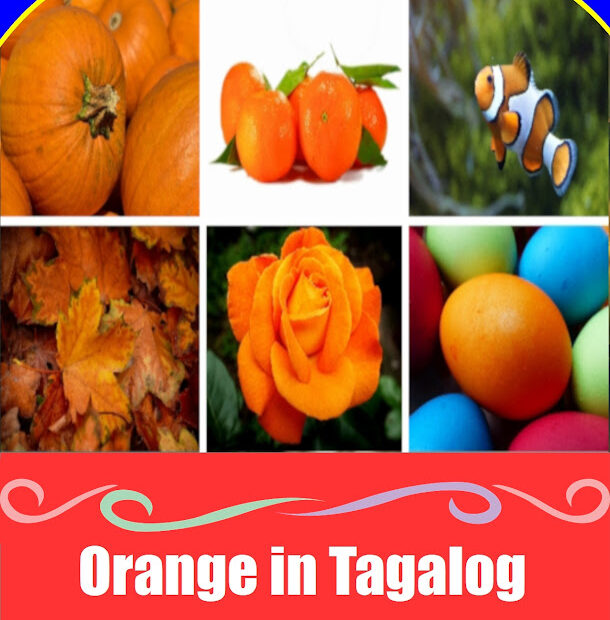
Orange in Tagalog is called kahel or dalandan. Both kahel and dalandan are used to describe the color orange. Kahel is the more commonly used…
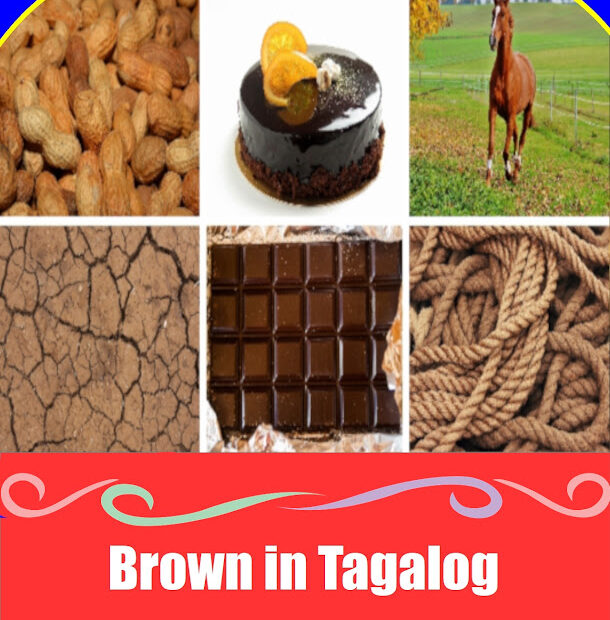
Brown in Tagalog is called kayumanggi. The word kayumanggi refers to the color brown in English. It is commonly used in daily conversations when describing…

Family in Tagalog is spelled pamilya. The word pamilya refers to the people connected to you by blood, marriage, or adoption. In Filipino culture, family…