If you’re learning Tagalog, planning a dive in the Philippines, or simply fascinated by marine ecosystems, the word for Coral in Tagalog is koral (pronounced KOH-ral, with stress on the first syllable). This borrowed term is the most common and widely understood word in everyday Tagalog. For coral reefs as ecosystems, Filipinos almost always use bahura (pronounced bah-HOO-rah), meaning “reef.”
In some coastal dialects, you might hear koral na bato (“coral rock”) or bahurang koral, but koral for the living organism and bahura for the reef structure are the go-to terms nationwide. Understanding the term for Coral in Tagalog helps travelers and beginners connect more deeply with the local environment.
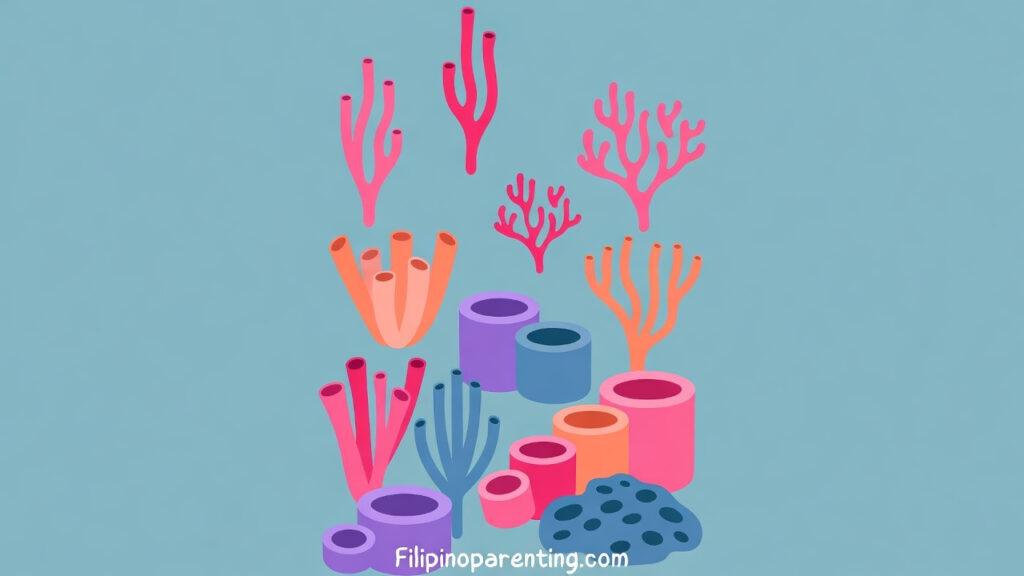
Table of Contents
What Is “Coral in Tagalog”? Pronunciation and Basics
Koral refers to the calcium carbonate skeletons and living polyps that form coral reefs. Bahura specifically means “coral reef” or the entire ecosystem. Pronunciation of koral is KOH-ral—simple and direct. Bahura is bah-HOO-rah, with a soft, rolling “r.”
Corals are animals (not plants or rocks), related to jellyfish and sea anemones. They build reefs by secreting limestone skeletons, providing habitat for 25% of all marine species despite covering less than 1% of the ocean floor. In the Philippines, both hard corals (reef-building) and soft corals (gorgonians, sea fans) thrive.
Fascinating Facts About Koral and Bahura
The Philippines boasts the most diverse coral reefs on Earth, with over 500 hard coral species—more than the entire Caribbean. Iconic sites include Tubbataha Reefs (UNESCO World Heritage), Apo Reef, Tañon Strait, and Anilao. The Coral Triangle, centered here, contains 76% of the world’s coral species.
Corals depend on a symbiotic relationship with microscopic algae (zooxanthellae) for food via photosynthesis—explaining why healthy reefs need clear, sunlit water. Threats include climate change (causing bleaching), dynamite fishing (now illegal), pollution, and crown-of-thorns starfish outbreaks. Conservation efforts through marine protected areas (MPAs) and community-managed sanctuaries have helped many reefs recover.
Protecting the Coral in Tagalog regions is vital for global biodiversity. You can learn more about global reef conservation efforts through the Coral Reef Alliance or explore the UNESCO World Heritage site for Tubbataha.
How to Use “Koral” and “Bahura” in Everyday Tagalog: 12 Example Sentences
Here are 12 practical sentences using koral and bahura, with Tagalog first and English translation second. These cover diving, conservation, descriptions, and casual talk.
- Ang koral ay hindi halaman kundi hayop na nagtatayo ng bahura. (Coral is not a plant but an animal that builds reefs.)
- Nakakita ako ng makukulay na koral sa bahura ng Tubbataha. (I saw colorful corals on the Tubbataha reef.)
- Ang bahura ay tinatawag na rainforest ng dagat dahil sa dami ng buhay dito. (The coral reef is called the rainforest of the sea because of the abundance of life here.)
- Sa Anilao, maraming soft coral at hard koral ang makikita. (In Anilao, you can see many soft corals and hard corals.)
- Paano protektahan ang koral mula sa bleaching? (How do we protect coral from bleaching?)
- Ang crown-of-thorns starfish ay sumisira ng koral kapag marami ito. (The crown-of-thorns starfish destroys coral when there are too many.)
- Huwag kang hawakan o tumapak sa koral habang nagdi-dive. (Don’t touch or step on coral while diving.)
- Ang bahura ng Apo Reef ay isa sa pinakamaganda sa Pilipinas. (The Apo Reef is one of the most beautiful in the Philippines.)
- Ang koral ay nangangailangan ng malinis at maaraw na tubig upang mabuhay. (Coral needs clean, sunlit water to survive.)
- Nakakatuwa ang pagbabago ng kulay ng koral kapag malusog. (It’s wonderful to see the color change of coral when it’s healthy.)
- Sa marine sanctuary, protektado ang bawat koral at isda. (In marine sanctuaries, every coral and fish is protected.)
- Gusto kong makita ulit ang rainbow koral sa susunod na dive. (I want to see the rainbow coral again on the next dive.)
Repeat these sentences aloud—they’re perfect for dive briefings, conservation talks, or sharing underwater photos!
Koral and Bahura in Philippine Conservation and Culture
Coral reefs support fisheries, tourism, and coastal protection in the Philippines. Marine protected areas (MPAs) like those in Apo Island and Tubbataha have shown dramatic recovery when fishing is limited and communities are involved. Organizations like local groups run coral gardening and transplantation projects.
In Filipino culture, bahura symbolizes life, beauty, and interconnectedness. Divers and snorkelers are taught “leave no trace” principles: no touching, no taking, and no standing on coral. This respect for nature is part of the broader Filipino hospitality and care for our shared environment.
Related Tagalog Vocabulary for Coral and Marine Life
Expand your ocean terms and beautiful Tagalog words:
- Coral reef = bahura
- Hard coral = koral na matigas
- Soft coral = koral na malambot
- Bleaching = pagpapaputi
- Coral polyp = polyp ng koral
- Dive = sumisid
- Other reef life: bituin-dagat (starfish), kabayong-dagat (seahorse), pagong-dagat (sea turtle)
Try: “May koral at bituin-dagat sa bahura ng Palawan.” (There are corals and starfish in Palawan’s reef.) You might also enjoy reading Coral Facts to boost your knowledge.
FAQ About Coral in Tagalog
What is the Tagalog word for coral?
Koral for the organism; bahura for the reef/ecosystem.
How do you pronounce koral?
KOH-ral (stress on the first syllable).
Are corals plants or animals?
Animals—tiny polyps that build calcium carbonate skeletons, often with symbiotic algae.
Where to see the best koral in the Philippines?
Tubbataha Reefs, Apo Reef, Anilao (Batangas), Puerto Galera, and Palawan.
Why do corals bleach?
Stress from warming waters, pollution, or low salinity expels symbiotic algae, turning coral white and risking death.
Is it okay to touch coral?
No—touching damages protective mucus and can kill polyps; observe from a distance.
How can I help protect bahura?
Use reef-safe sunscreen, avoid touching marine life, and reduce plastic use.
Conclusion: Celebrate “Koral” and “Bahura”
Koral and bahura are more than words—they represent the beating heart of Philippine seas and a call to stewardship. From the dazzling colors of Tubbataha to the quiet resilience of coral polyps, these living structures remind us of the ocean’s beauty. With these 12 example sentences, you can talk about Coral in Tagalog naturally.
Next time you hover above a vibrant coral garden or see a bleached patch, confidently say “Koral!” or “Bahura!” and act to help. Learning Tagalog through the wonders of the sea makes it vivid and urgent. Keep practicing and dive responsibly. Salamat for reading—may your next underwater adventure reveal the living rainbow of our corals!