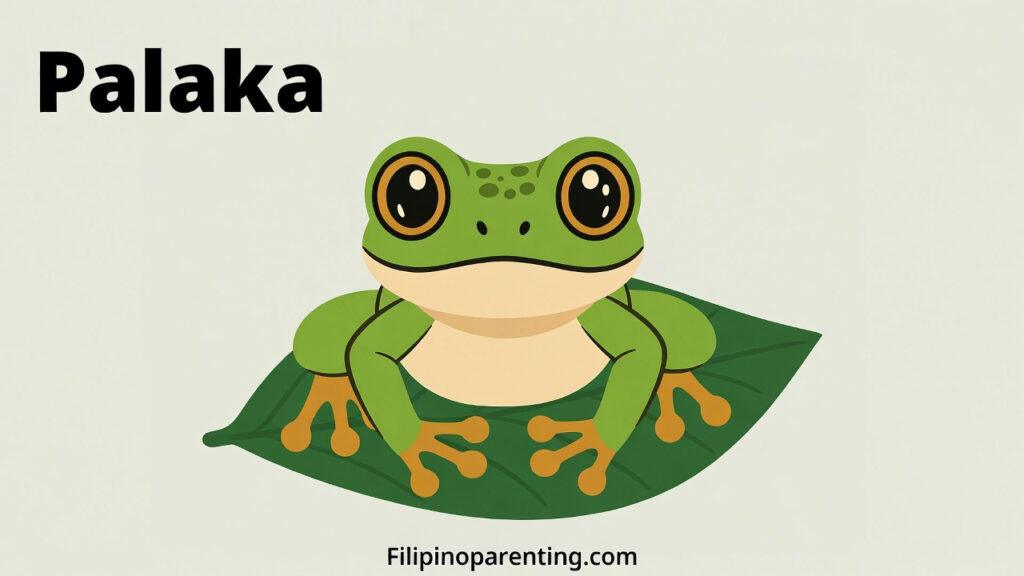
Frog in Tagalog is a term you will likely encounter if you are exploring the beautiful nature of the Philippines. If you’re learning Tagalog, exploring Philippine wildlife, or simply want to talk about frogs like a local, the word for frog is palaka (pronounced pah-LAH-kah, with stress on the second syllable).
This is the standard, native, and most widely used Tagalog term for all types of frogs and toads—from tiny tree frogs in rainforests to large edible bullfrogs in rice fields. In everyday speech, storytelling, and rural conversations across the Philippines, palaka is the word you’ll hear everywhere: “May palaka sa likod ng bahay!” (There’s a frog behind the house!).
Frogs are a beloved part of Filipino nature and folklore—symbols of rain, abundance, and transformation. This blog post covers pronunciation, frogs in Philippine culture and ecology, 12 practical example sentences, related vocabulary, and more—so you can confidently use palaka in Tagalog.
Table of Contents
What Is Frog in Tagalog? Pronunciation and Basics
Palaka is the core Tagalog word for frog—used for all species, from common rice-field frogs (palakang bukid) to colorful tree frogs (palakang puno) and even toads (palakang palaka or simply palaka). Pronunciation is pah-LAH-kah—say it with a clear “lah” sound.
Common distinctions in everyday Tagalog:
- Palaka = Frog (general)
- Mga palaka = Frogs (plural)
- Palakang bukid = Rice-field Ffrog (common in rural areas)
- Palakang puno = Tree frog (arboreal, often colorful)
In the Philippines, frogs are abundant in rice paddies, forests, wetlands, and even urban gardens. Many species are indicators of healthy ecosystems—their presence means clean water and low pollution.
Fascinating Facts About Palaka in the Philippines
The Philippines is a biodiversity hotspot with over 100 frog species—many endemic, like the Platymantis (forest frogs) and colorful Philautus tree frogs. According to the Amphibian Survival Alliance, protecting these habitats is crucial for global biodiversity. Rice-field frogs (Rana erythraea and Hoplobatrachus rugulosus) are common and sometimes eaten in rural areas as a protein source (“palakang bukid” in adobo or tinola).
Frogs are vital to ecosystems—they control insects and serve as food for birds, snakes, and monitor lizards. Organizations like National Geographic provide extensive resources on why these creatures are essential to our world.
In Filipino folklore, palaka often appear in fables as clever characters. The sound of frogs croaking (tukaw-tukaw or kokak-kokak) is a familiar rural lullaby, signaling rain or evening. Many schools teach about frogs as part of environmental education for the younger generation.
How to Use Palaka in Everyday Tagalog: 12 Example Sentences
Here are 12 practical sentences using palaka, with Tagalog first followed by English translation. Perfect for nature talks, conversations with families, storytelling, or rural chats.
- May palaka sa likod ng bahay — ang lakas ng tuka niya! (There’s a frog behind the house — its croak is so loud!)
- Sa bukid, maraming palaka kapag tag-ulan. (In the rice field, there are many frogs during the rainy season.)
- Ang palakang bukid ay masarap kapag niluto sa adobo. (Rice-field frogs are delicious when cooked in adobo.)
- Huwag kang manghuli ng palaka — baka may lason. (Don’t catch frogs — some might be poisonous.)
- Nakakita ako ng berde na palaka sa puno ng mangga. (I saw a green frog on the mango tree.)
- Ang palaka ay kumakain ng mga lamok at insekto. (Frogs eat mosquitoes and insects.)
- Sa gabi, maririnig mo ang kokak ng mga palaka. (At night, you can hear the croaking of the frogs.)
- Ang palaka ay simbolo ng ulan sa mga kwentong bayan. (The frog is a symbol of rain in folk stories.)
- Paborito ng mga bata na manghuli ng palaka sa kanal. (The younger generation loves catching frogs in the canal.)
- Ang palakang puno ay may kakayahang magpalit ng kulay. (Tree frogs can change color.)
- Sa probinsya, ginagamit ang palaka bilang pain sa pangingisda. (In the province, frogs are used as bait for fishing.)
- Nakakatuwa panoorin ang palaka na tumatalon sa dahon. (It’s fun to watch the frog jumping on leaves.)
Practice these sentences aloud—they’re exactly what you’ll hear from farmers, guides, and families in the Philippines. You can also use them while exploring Filipino wildlife.
Palaka in Filipino Culture, Cuisine & Ecology
Frogs are part of rural life—their croaking signals rain, and rice-field frogs are a traditional protein source in some areas (adobo, tinola, or grilled). In folklore, palaka often represent transformation (tadpole to frog) or humility. Games like observing palaka in rice fields are common, and many educators use them as environmental indicators.
In conservation, frogs are monitored as indicators of wetland health. Habitat loss and pollution threaten many species. Community efforts like bayanihan help protect frog habitats in rice terraces and wetlands.
Related Tagalog Vocabulary for Frogs & Amphibians
Expand your vocabulary beyond just frog in Tagalog:
- Frog = Palaka
- Tadpole = Butete
- Toad = Palaka or Palakang lupa
- Croak = Tukaw / kokak
- Jump = Talbog / Tumalon
- Rice-field frog = Palakang bukid
- Tree frog = Palakang puno
Try: “Ang palaka ay nagsisimula bilang bayawak bago maging palaka.” (Frogs start as tadpoles before becoming frogs.)
FAQ About Palaka in Tagalog
What is the Tagalog word for frog?
Palaka — the standard term for all frogs and most toads.
How do you pronounce palaka?
Pah-LAH-kah (stress on “lah”).
What is the sound of a frog in Tagalog?
Kokak-kokak or tukaw-tukaw — onomatopoeia for croaking.
Are frogs eaten in the Philippines?
Yes — rice-field frogs (palakang bukid) are a traditional rural dish in some areas (adobo, tinola, grilled).
How to say “tadpole” in Tagalog?
Bayawak or tulyapis — common rural terms.
Conclusion: Start Using Palaka and Bring Amphibians to Life
Palaka is a small word that carries the sound of rain, the splash of rice paddies, and the wonder of transformation. From rural fields where families spot palakang bukid to conservation sites protecting rare forest species, frogs connect nature and ecology in the Philippines. With these 12 example sentences, you can talk about frog in Tagalog confidently: telling stories, describing wildlife, or chatting with locals in the provinces.
Next time you hear kokak-kokak after rain or spot a frog on a leaf, say “Tingnan mo ang palaka!” and share the joy. Learning Tagalog through animals and nature makes it lively and practical. Keep practicing, respect wildlife, and explore more Tagalog words starting with B or other letters. Salamat for reading—happy learning and happy frog-spotting!