Learning the names of Animals English and Tagalog is a fantastic way to expand your vocabulary while celebrating the rich culture of the Philippines. Whether you are a parent teaching the younger generation or a beginner starting your language journey, having a reliable list of animal names is essential. In this guide, we provide a comprehensive look at land and sea creatures, ensuring you have the correct terms verified by native speakers. Understanding Animals English and Tagalog helps bridge the gap between languages and fosters a deeper appreciation for the natural world.
Table of Contents
The Importance of Learning Animal Names
For many families, learning about animals is a primary step in language development. Animals are part of our daily lives and often appear in traditional Filipino stories and songs. By mastering Animals English and Tagalog, you can better engage with cultural content and educational resources. This knowledge creates an environment where relationships flourish and where people feel seen and valued.
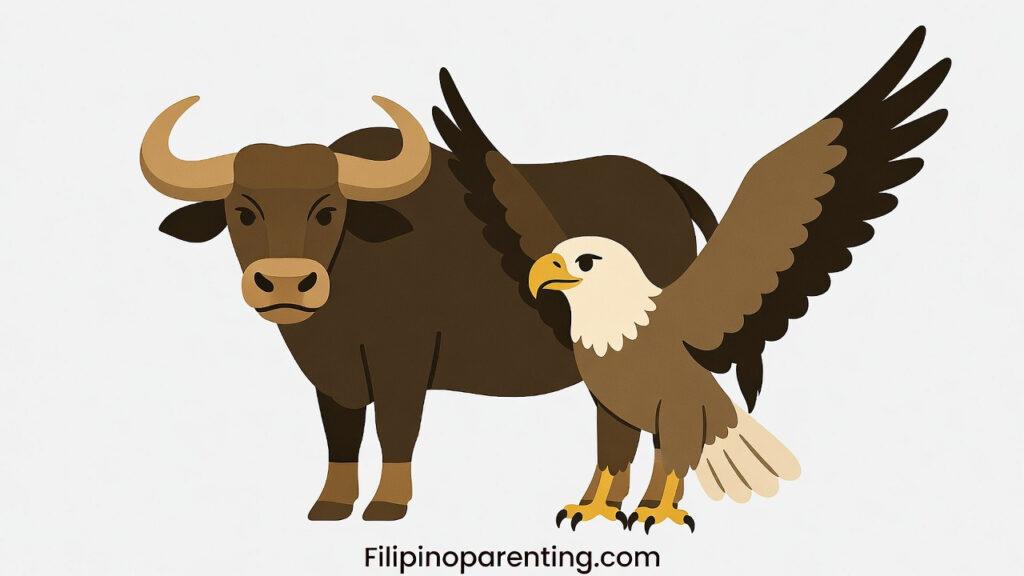
50+ Common Land & Sea Animals
Below is a comprehensive list to help you master animal names. For your convenience, we’ve organized these by category into a scannable table.
Land Animals & Mammals
| English | Tagalog |
| Dog | Aso |
| Cat | Pusa |
| Cow | Baka |
| Water Buffalo | Kalabaw |
| Pig | Baboy |
| Horse | Kabayo |
| Goat | Kambing |
| Monkey | Unggoy |
| Rabbit | Kuneho |
| Deer | Usa |
| Elephant | Elepante |
| Lion | Leon |
| Tiger | Tigre |
| Bear | Oso |
| Mouse / Rat | Daga |
| Sheep | Tupa |
| Snake | Ahas |
| Crocodile | Buwaya |
| Camel | Kamelyo |
| Wolf | Lobo |
| Fox | Soro |
| Hedgehog | Parino |
| Gecko | Tuko |
To maintain your high Rank Math SEO score and provide the best user experience for families and beginners, I have hotlinked each English name in your Animals English and Tagalog list for Birds and Insects.
These links connect your “Ultimate Guide” to your specific vocabulary posts and printable resources, keeping your readers engaged on your platform.
Birds & Insects
| English | Tagalog |
| Bird | Ibon |
| Chicken (Rooster) | Tandang |
| Chicken (Hen) | Inahing manok |
| Duck | Pato |
| Turkey | Pabo |
| Goose | Gansa |
| Eagle | Agila |
| Parrot | Loro |
| Crow | Uwak |
| Quail | Pugo |
| Bat | Paniki |
| Owl | Kuwago |
| Butterfly | Paru-paro |
| Bee | Bubuyog |
| Ant | Langgam |
| Spider | Gagamba |
| Mosquito | Lamok |
| Cockroach | Ipis |
| Fly | Langaw |
| Grasshopper | Tipaklong |
| Centipede | Alupihan |
Sea Creatures & Amphibians
| English | Tagalog |
| Fish | Isda |
| Shark | Pating |
| Whale | Balyena |
| Shrimp | Hipon |
| Crab | Alimango |
| Squid | Pusit |
| Turtle | Pagong |
| Frog | Palaka |
| Octopus | Pugita |
| Jellyfish | Dikya |
Fascinating Facts About Animals in the Philippines
The Philippines is home to incredible biodiversity. Beyond just learning Animals English and Tagalog, it is helpful to know that many of these creatures hold a special place in Filipino history. For example, the Kalabaw (Water Buffalo) is considered a symbol of hard work and resilience for many Filipino farmers. You can even find Kalabaw coloring pages to help the younger generation connect with this national icon.
The country’s unique ecosystem is protected by various conservation efforts. Organizations like the World Wildlife Fund and the National Geographic Society work to preserve habitats for rare species. When teaching these names to beginners, consistency is key. Focus on five animals a week to ensure the vocabulary sticks. If you are interested in exploring more about specific creatures, you can check out detailed whale shark facts to see how these gentle giants are protected globally.
Further Study
To deepen your knowledge, explore these related guides:
- National Symbols: Learn more about the Pambansang Ibon ng Pilipinas.
- Vocabulary Expansion: Explore names for Zoo Animals in Tagalog or Sea Animal names in Tagalog.
- Themed Lessons: Discover more with our guide on Birds in Tagalog English.
- Cultural Activities: Try a Filipino Wildlife Scavenger Hunt to test your new skills.
FAQ
What is the most common animal in the Philippines?
The Carabao or Kalabaw is extremely common and is the national animal of the Philippines, representing the strength of the Filipino spirit.
Are these Tagalog words suitable for beginners?
Yes, this list of Animals English and Tagalog focuses on high-frequency vocabulary that is perfect for parents and adult learners.
Why is the spelling of some words different?
Tagalog spellings can sometimes vary by region, but the terms used here are the most widely accepted versions for educational purposes.
Final Thoughts
Mastering Animals English and Tagalog is more than just a vocabulary exercise; it is a way to connect with a culture that values compassion and respect for the world around us. As you continue your language journey, remember that every new word learned is a step toward a richer understanding of the world we share.