Bear in Tagalog is spelled O-S-O.
The word bear in Tagalog is translated as oso. It refers to the large, strong mammal known for its thick fur, powerful build, and ability to hibernate. Although bears are not native to the Philippines, the word oso is commonly used in stories, lessons, documentaries, and animal discussions.
Learning how to say bear in Tagalog is useful for expanding your animal vocabulary. The word is often used in school lessons, wildlife topics, storytelling, and descriptive conversations. Understanding oso helps learners build stronger Filipino language skills, especially when talking about animals and nature.
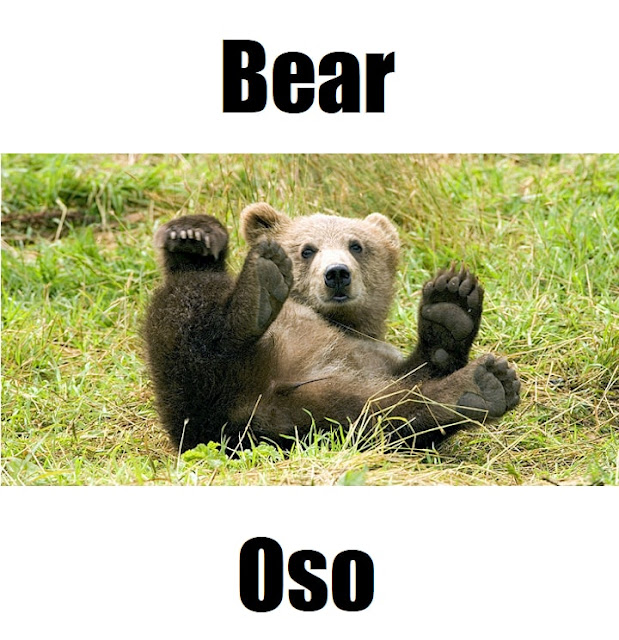
Table of Contents
What Is Bear in Tagalog?
In Tagalog, the word for bear is oso. It is a noun that refers to a large wild mammal known for its strength, thick fur, sharp claws, and ability to hibernate during colder seasons.
The term oso is believed to have Spanish influence, similar to the Spanish word oso, due to historical language blending in the Philippines. Grammatically, it is a common noun, and its plural form is mga oso, which means “bears.”
Quick Facts
Category: Noun
Used For: Naming the animal bear
Common Context: Wildlife, animals, education, storytelling
Related Root Word: Oso (base form); plural form uses mga
Bear Vocabulary Words in Tagalog
Below is a related vocabulary chart connected to the Tagalog word oso and other bear-related terms.
| # | English | Tagalog |
|---|---|---|
| 1 | Bear | Oso |
| 2 | Cub | Batang oso |
| 3 | Animal | Hayop |
| 4 | Forest | Gubat |
| 5 | Hunting | Pangangaso |
| 6 | Hibernate | Pagtulog sa panahon ng taglamig |
| 7 | Brown | Kayumanggi |
| 8 | Black | Itim |
| 9 | White | Puti |
| 10 | Fur | Balahibo |
| 11 | Claws | Kuko |
| 12 | Teeth | Ngipin |
| 13 | Wild | Mailap |
| 14 | Strong | Malakas |
| 15 | Mountain | Bundok |
| 16 | River | Ilog |
| 17 | Fish | Isda |
| 18 | Dangerous | Mapanganib |
| 19 | Winter | Taglamig |
| 20 | Mammal | Mamalyang hayop |
These vocabulary words help you better understand how bear in Tagalog is used in different contexts. By learning these related terms, you can describe an oso’s habitat, physical features, and behavior more clearly in Filipino. Expanding this wildlife vocabulary improves both comprehension and everyday conversation skills. You can also explore other animal lessons like birds in Tagalog.
How Is Bear in Tagalog Used?
The word oso is commonly used when talking about animals, wildlife, and stories.
1. General Animal Reference
The word oso is used when describing bears in general conversations about animals and wildlife.
Examples:
- The bear is a strong animal.
Ang oso ay malakas na hayop. - There are bears in the forest.
May mga oso sa gubat. - The bear has thick fur.
Ang oso ay may makapal na balahibo.
Using oso this way helps learners talk about wildlife clearly while understanding both the English meaning and proper Tagalog sentence structure.
2. In Education and Learning
Teachers use the word oso when teaching about mammals and wild animals in science or language lessons.
Examples:
- A bear is a mammal.
Ang oso ay mamalyang hayop. - A bear sleeps during the winter.
Ang oso ay natutulog tuwing taglamig.
Using oso in classroom discussions helps students expand their animal vocabulary and understand basic grammar structures in Tagalog.
3. In Storytelling
The word oso is often used in children’s books, folktales, and short stories.
Example:
- The kind bear helped the child.
Ang mabait na oso ay tumulong sa bata.
Using oso in storytelling adds creativity and imagination to narratives. It also helps learners practice describing characters and actions in Tagalog.
4. In Descriptive Conversations
The word oso is often used when describing a bear’s size, strength, or color.
Examples:
- The brown bear is big.
Ang kayumangging oso ay malaki. - The black bear is fast.
Ang itim na oso ay mabilis.
Using oso in descriptive sentences helps learners practice adjectives and create more detailed, natural-sounding Tagalog conversations.
5. In Warnings or Safety Contexts
The word oso is also used when discussing wildlife safety and precautions.
Examples:
- A wounded bear is dangerous.
Mapanganib ang nasugatang oso. - Do not feed the bears.
Huwag pakainin ang mga oso.
This usage highlights caution and awareness, especially when talking about wild animals and safety rules.
Importance and Practical Value of Bear in Tagalog
Learning bear in Tagalog helps improve vocabulary and comprehension.
1. Communication Benefit
It allows you to talk about wildlife clearly and accurately.
2. Cultural Relevance
Although bears are not native to the Philippines, they appear in global stories, books, and media translated into Tagalog.
3. Learning Advantage
It expands animal-related vocabulary for students and beginners.
4. Practical Everyday Use
Useful when watching documentaries or reading educational materials in Filipino.
5. Social or Emotional Impact
Helps children understand animals through storytelling.
6. Professional or Academic Value
Supports school lessons in science and language subjects.
How to Use Bear in Tagalog in Daily Life
You can practice using oso in simple conversations and learning activities.
- Describe bears when watching animal shows or documentaries in Filipino.
- Use the word in storytelling, especially when reading children’s books, to build speaking confidence.
- Form plural sentences using mga oso to understand basic grammar patterns.
- Combine it with adjectives like malakas (strong) or kayumanggi (brown) to create descriptive sentences.
- Write short paragraphs about wildlife to practice sentence construction and vocabulary use.
By using oso regularly in speaking, reading, and writing, you strengthen your Tagalog vocabulary and improve sentence flow naturally. Consistent practice makes the word easier to remember and helps you use it confidently in everyday conversations.
Commonly Used Example Phrases in Tagalog
Below are commonly used sentences with bear in Tagalog (oso).
- The big bear asked for food.
Ang malaking oso ay nanghingi ng pagkain. - There are black bears in the forest.
May mga maitim na oso sa gubat. - The brown bear is searching for fish.
Ang kayumangging oso ay naghahanap ng isda. - A brown bear is a strong animal.
Ang kayumangging oso ay isang malakas na hayop. - A bear hibernates during the winter.
Ang oso ay natutulog tuwing taglamig. - A wounded bear is dangerous.
Ang nasugatang oso ay mapanganib. - The bear catches fish at the river.
Ang oso ay nakahuli ng isda sa ilog. - Do not feed the bears.
Huwag pakainin ang mga oso. - A mother bear is with her cub.
Ang inang oso ay kasama ng batang oso. - A bear can distinguish colors.
Ang oso ay nakakakilala ng mga kulay.
These examples show how oso is used in different sentence structures, helping learners understand both vocabulary and grammar in practical, everyday contexts.
Frequently Asked Questions (FAQ)
1. What is bear in Tagalog?
Bear in Tagalog is oso.
2. What does bear in Tagalog mean?
It means a large, strong wild mammal known for its fur and hibernation habits.
3. Is bear in Tagalog formal or informal?
The word oso is neutral and can be used in both formal and informal contexts.
4. When should you use bear in Tagalog?
Use it when discussing animals, wildlife, education topics, or storytelling.
5. How do you properly use bear in Tagalog in a sentence?
Use oso as a noun, and add mga to make it plural (mga oso).
Conclusion
Bear in Tagalog is translated as oso, a noun used to describe the large wild mammal known for its strength and thick fur. While bears are not native to the Philippines, the word is widely used in educational materials, stories, and wildlife discussions.
Learning how to say bear in Tagalog helps expand your Filipino vocabulary and improves your ability to describe animals clearly. By practicing example sentences and related vocabulary, you can confidently use oso in daily conversations and language learning.