Spices in Tagalog are commonly called mga pampalasa. These are essential ingredients added to food to enhance flavor, aroma, and color, and they play an important role in everyday Filipino cooking. In Filipino households, pampalasa are used daily in dishes like adobo, tinola, sinigang, and kare-kare. Learning the Tagalog words for spices is incredibly useful for learners, home cooks, travelers, and anyone who wants to understand Filipino food culture and language better.
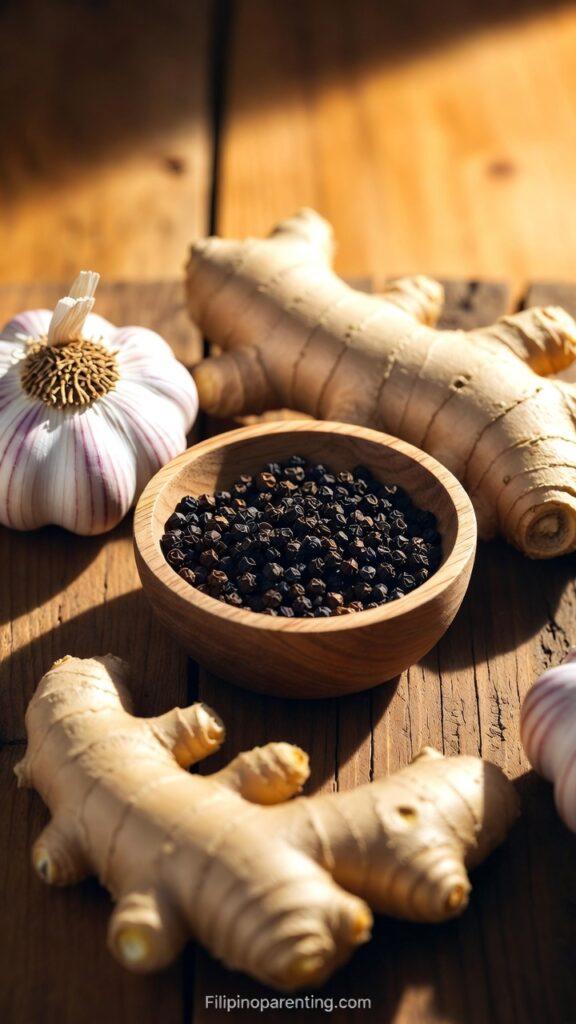
In our culture, the act of sharing a meal is a quiet gesture of kindness. When we use the right spices in Tagalog, we are not just seasoning food; we are showing our guests that they matter. For beginners and the younger generation, knowing these terms makes the experience of visiting a local market or cooking with families much more meaningful.
What Are Spices in Tagalog?
Spices are dried plant parts such as seeds, roots, bark, or fruits used to season food. In Tagalog, spices are called pampalasa, from the root word lasa, which means “taste” or “flavor.” These have been part of Filipino cooking for centuries, influenced by indigenous practices and trade with other cultures. Spices in Tagalog represent the warmth of the tropical sun and the sincerity of the people who prepare the meals.
20 Spices Vocabulary Words in Tagalog
Below is the verified vocabulary chart for spices in Tagalog. We have included the exact terms provided by native speakers to ensure accuracy for parents and learners.
| # | English | Tagalog |
| 1 | Spices | Pampalasa |
| 2 | Pepper | Paminta |
| 3 | Garlic | Bawang |
| 4 | Onion | Sibuyas |
| 5 | Ginger | Luya |
| 6 | Turmeric | Luyang-dilaw |
| 7 | Chili | Sili |
| 8 | Cinnamon | Kanela |
| 9 | Cloves | Klink |
| 10 | Nutmeg | Nuwes-moskada |
| 11 | Bay Leaf | Dahon ng Laurel |
| 12 | Paprika | Paprika |
| 13 | Cumin | Kumin |
| 14 | Coriander | Kulantro |
| 15 | Fennel | Haras |
| 16 | Star Anise | Anis Estrella |
| 17 | Salt | Asin |
| 18 | Sugar | Asukal |
| 19 | Vinegar | Suka |
| 20 | Soy Sauce | Toyo |
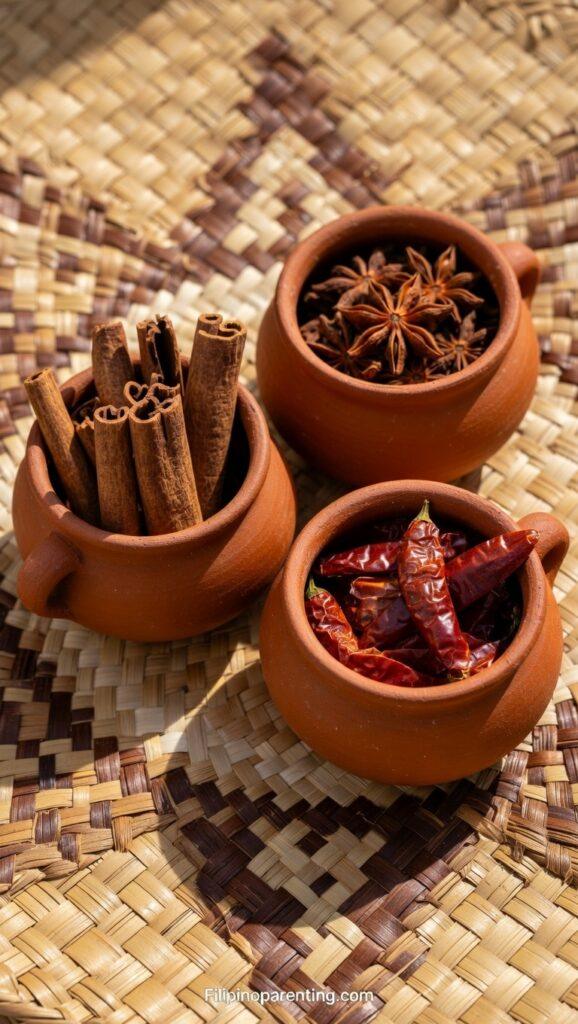
How Are Pampalasa Used in Daily Life?
Spices in Tagalog are used to add depth, aroma, and balance to food. Many families start their cooking with the “Holy Trinity” of Filipino sautéing: bawang, sibuyas, and luya.
- Flavor Enhancement: Spices bring out the natural taste of meat and vegetables. Paminta in adobo and laurel in stews make dishes richer and more satisfying.
- Aromatic Purpose: Some pampalasa are used mainly for their smell. Kanela in desserts or anis estrella in broths enhance the dining experience through aroma.
- Preservation: Spices like garlic and vinegar (suka) help preserve food. They are traditionally used in dishes meant to last longer without refrigeration.
- Color and Appearance: Certain spices in Tagalog add natural color. Luyang-dilaw (turmeric) gives a yellow hue, while paprika provides a deep red color.
For those interested in growing these ingredients, see our guide on Filipino vegetable gardening. Knowing your kitchen utensils in Tagalog is also essential when prepping these pampalasa.
10 Common Sentences Using Spices in Tagalog
To help beginners and learners practice, here are ten verified sentences using the vocabulary:
- Gumagamit kami ng mga pampalasa para sumarap ang pagkain.
- Magdagdag ng paminta at bawang sa sabaw.
- Mahalaga ang luya sa tinola.
- Nagluto siya ng adobo na may dahon ng laurel.
- Ang sili ang nagpapanghang sa ulam.
- Ang luyang-dilaw ay nagbibigay ng kulay sa pagkain.
- Gusto ko ang pagkaing maraming pampalasa.
- Ginagamit ang kanela sa mga panghimagas.
- Kailangan ng mas maraming pampalasa ang ulam na ito.
- Gumagamit ng maraming pampalasa ang lutuing Pilipino.
Cultural Importance of Spices
In the Philippines, community is a living experience woven into everyday moments. Sharing a meal seasoned with traditional spices in Tagalog creates an environment where relationships flourish. Whether you are using herbs in Tagalog or plants in Tagalog for health or flavor, these ingredients reflect our history.
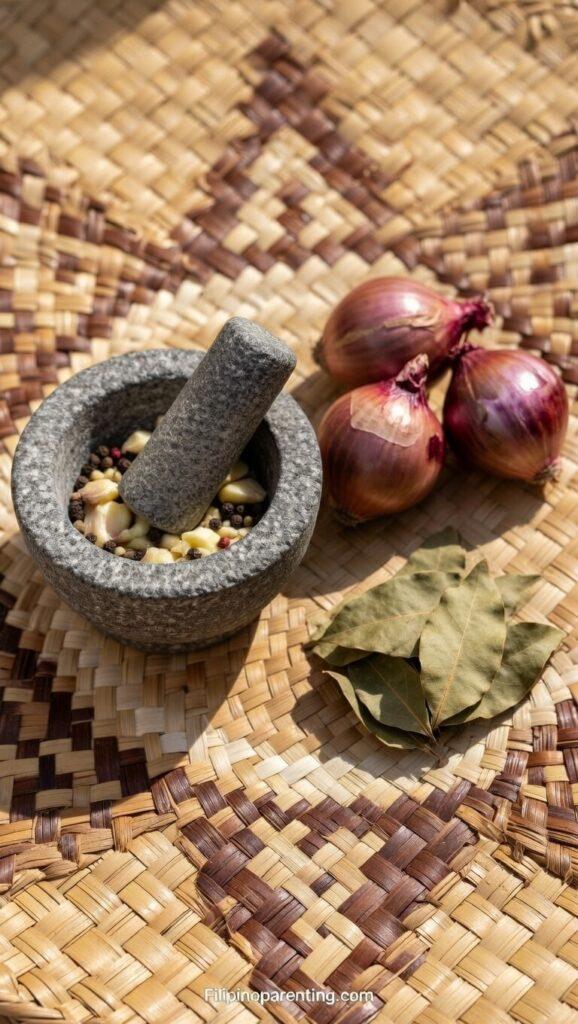
If you are following a specific recipe, remember to use Filipino cooking conversions. For more information on the botanical properties of spices, you can visit the World Health Organization regarding traditional food safety or the Department of Science and Technology for local agricultural data.
Frequently Asked Questions (FAQ)
1. What are spices in Tagalog?
Spices in Tagalog are called pampalasa.
2. What does pampalasa mean?
It means ingredients used to add flavor (lasa) or taste to food.
3. Is pampalasa formal or informal?
It is neutral and used by families in both formal and informal settings.
4. When should you use pampalasa?
Use it when talking about cooking, recipes, or food preparation.
5. Which spice is most common in the Philippines?
Garlic (bawang) and black pepper (paminta) are the most used daily.
Conclusion
Learning spices in Tagalog is a practical and meaningful way to connect with Filipino heritage. These pampalasa are what give our food its heart and soul. By mastering this vocabulary, you gain deeper insight into our traditions and the simple belief that life becomes richer when it is shared with families and friends.