Silog meals are built around familiar staples—sinangag (garlic fried rice), itlog (egg), and a flavorful ulam such as meat or fish. What makes silog special is its variety. The many types of silog reflect what is available in Filipino kitchens, markets, and regions. From cured meats like tapa, longganisa, and tocino to seafood such as tinapa, bangus, and tuyo, each silog variation tells a story of daily life, budget, and tradition.
A traditional Filipino breakfast often includes rice-based dishes alongside bread, porridge, or simple proteins, with rice appearing not only in the morning but in nearly every meal of the day. Meals are typically served all at once rather than in courses, allowing everyone to eat rice, egg, and ulam together. Condiments like vinegar, tomatoes, and pickled vegetables are commonly placed on the table so each person can season their food to taste. Eating is usually done with a spoon and fork, and in some households, especially in rural areas, meals are still enjoyed by hand.
Food in the Philippines is deeply social. Guests are always invited to eat, and sharing a meal is one of the most genuine expressions of hospitality. Whether during ordinary mornings or special occasions like fiestas, birthdays, and holidays, food brings people together. This sense of sharing is reflected in silog meals—simple, filling plates meant to be enjoyed with family, neighbors, and friends.
Exploring the types of silog is more than learning about breakfast dishes. It is a window into Filipino culture, values, and everyday life—where food is plentiful when shared, and meals are best enjoyed together.
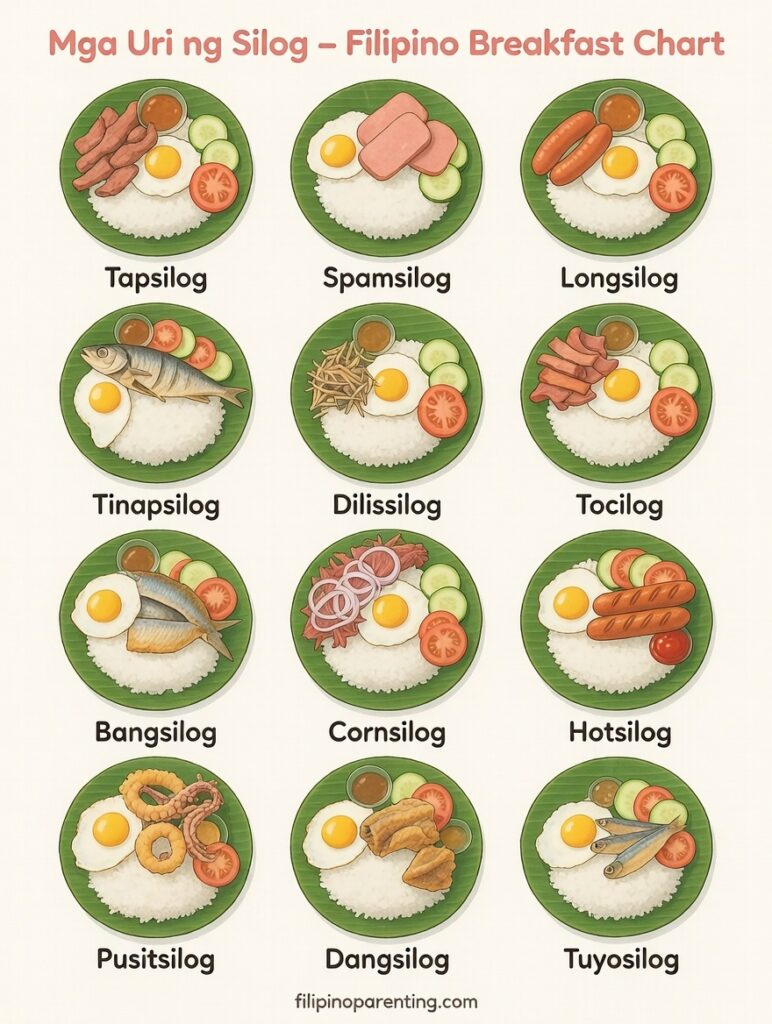
Table of Contents
What Is Silog?
Silog is a Filipino breakfast meal made up of three essential components:
- Si – sinangag (garlic fried rice)
- Itlog – egg, usually fried
- Ulam – meat or fish, depending on the variety
Each silog dish gets its name by combining the ulam with the word silog, creating dozens of delicious variations enjoyed across the country.
Background and Cultural Roots
Silog meals became popular because they are filling, practical, and full of flavor—ideal for Filipinos who begin their day early. With rice as a staple in almost every meal, breakfast naturally evolved into many types of silog, each combining garlic rice, egg, and a different ulam to suit taste, region, and budget.
Traditionally, meals are served all at once rather than in courses, allowing everyone to enjoy rice, protein, and egg together. This style of eating highlights why the different types of silog remain a daily favorite—simple, satisfying meals meant to be enjoyed completely in just one plate.
Quick Facts About Silog
- Category: Filipino food/breakfast meal
- Usually eaten: Breakfast (almusal)
- Main components: Rice, egg, meat or fish
- Commonly served with: Vinegar, tomatoes, pickled papaya (atchara)
- Cultural importance: Everyday food and social bonding
The 12 Most Popular Types of Silog
Across the Philippines, silog meals are a familiar sight on breakfast tables, carinderias, and neighborhood eateries. Whether eaten at home before school, enjoyed by workers at dawn, or ordered as an all-day comfort meal, silog reflects the Filipino way of eating—simple, hearty, and meant to be shared.
Each silog dish follows the same comforting foundation: sinangag (garlic fried rice), itlog (fried egg), and a featured ulam made from meat or fish. What makes every silog unique is the protein it is paired with—ranging from sweet cured pork and garlicky sausages to smoky fish, dried seafood, and everyday pantry staples. This variety allows silog to adapt to different regions, budgets, and family preferences while still feeling familiar.
In many Filipino households, breakfast is not rushed or served in courses. Meals are placed on the table all at once, allowing everyone to enjoy rice, egg, and ulam together. Condiments such as vinegar, tomatoes, or pickled vegetables are often served on the side, letting each person adjust flavors to their liking. Eating silog is as much about nourishment as it is about routine, comfort, and connection.
Below are 12 of the most popular types of silog, each representing a different flavor profile and way of life. From the well-known tapsilog and tocilog to seafood-based silogs like tinapsilog, pusitsilog, and tuyosilog, these dishes highlight
1. Tapsilog
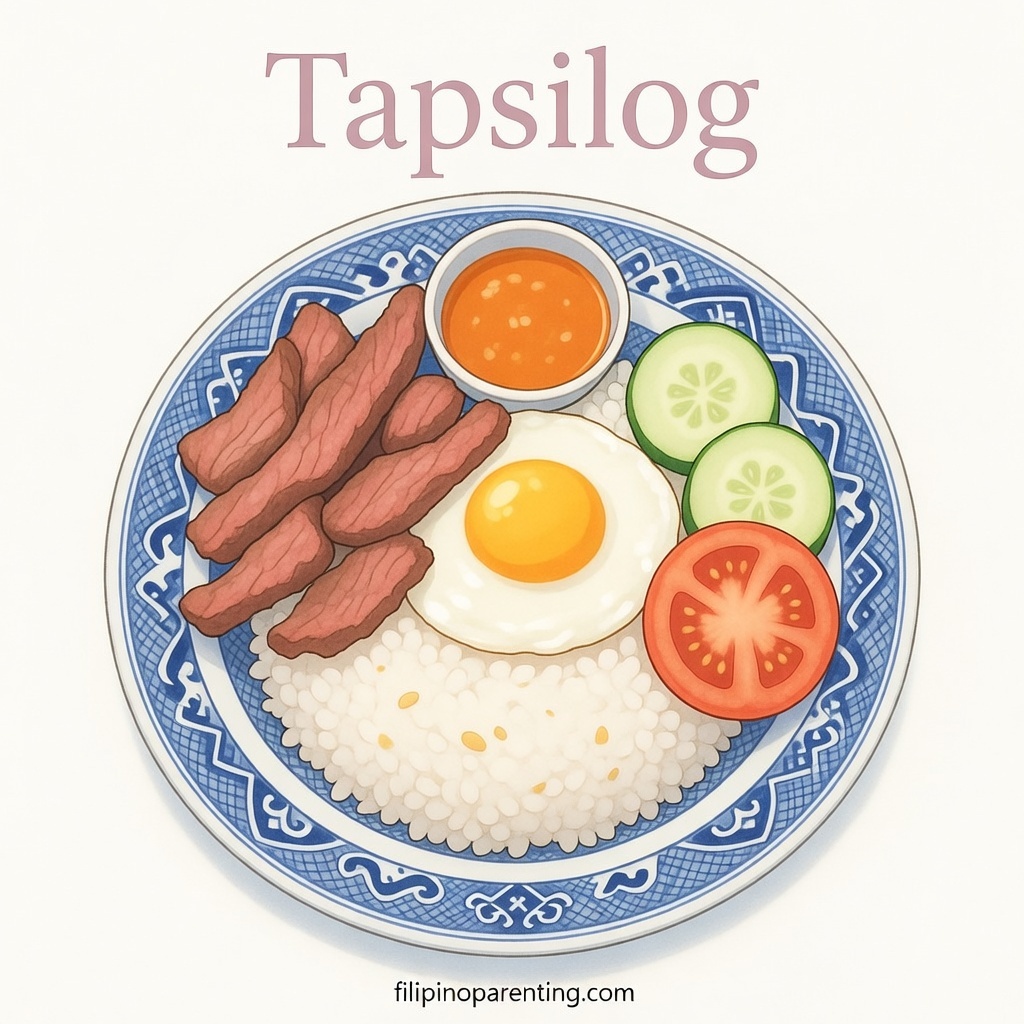
Tapsilog is often what people picture when they think of a Filipino breakfast. Thin slices of beef tapa—marinated until savory with a hint of sweetness—are pan-fried and served with fragrant sinangag and a sunny-side egg. It’s the kind of breakfast eaten before a long workday or shared quietly at home as the morning begins. In many households, tapsilog feels both comforting and celebratory, especially when paired with vinegar or sliced tomatoes.
How it’s traditionally prepared:
Filipino Chow
https://filipinochow.com/recipes/tapsilog-beef-tapa-garlic-fried-rice-fried-egg/
2. Spamsilog
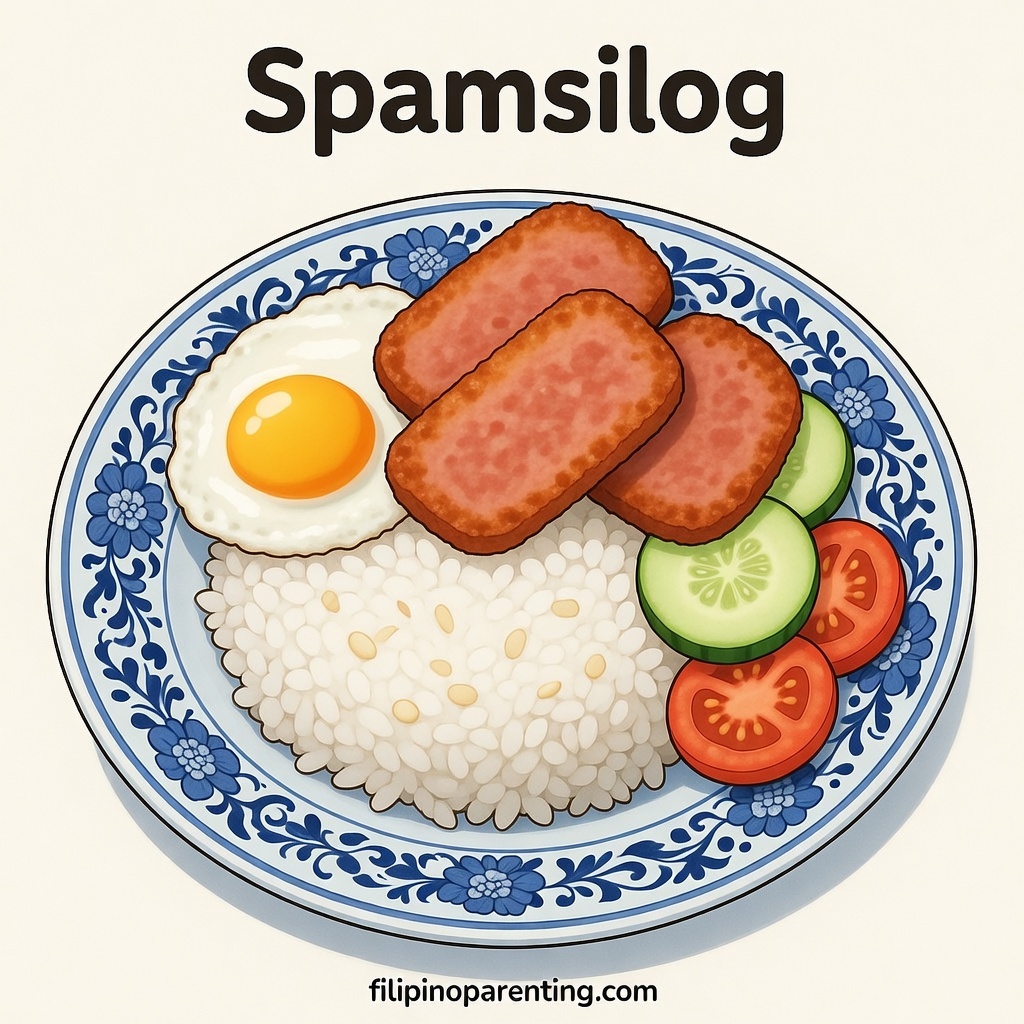
Spamsilog reflects how Filipino breakfasts adapt over time. Crispy pan-fried Spam slices bring a salty crunch that pairs perfectly with garlic rice and egg. It’s a familiar sight on breakfast tables during busy mornings, school days, or when pantry staples need to stretch. Simple, filling, and comforting, spamsilog is especially loved by children and students.
Spam silog style preparation:
Urban Bliss Life
https://urbanblisslife.com/spamsilog/
3. Longsilog
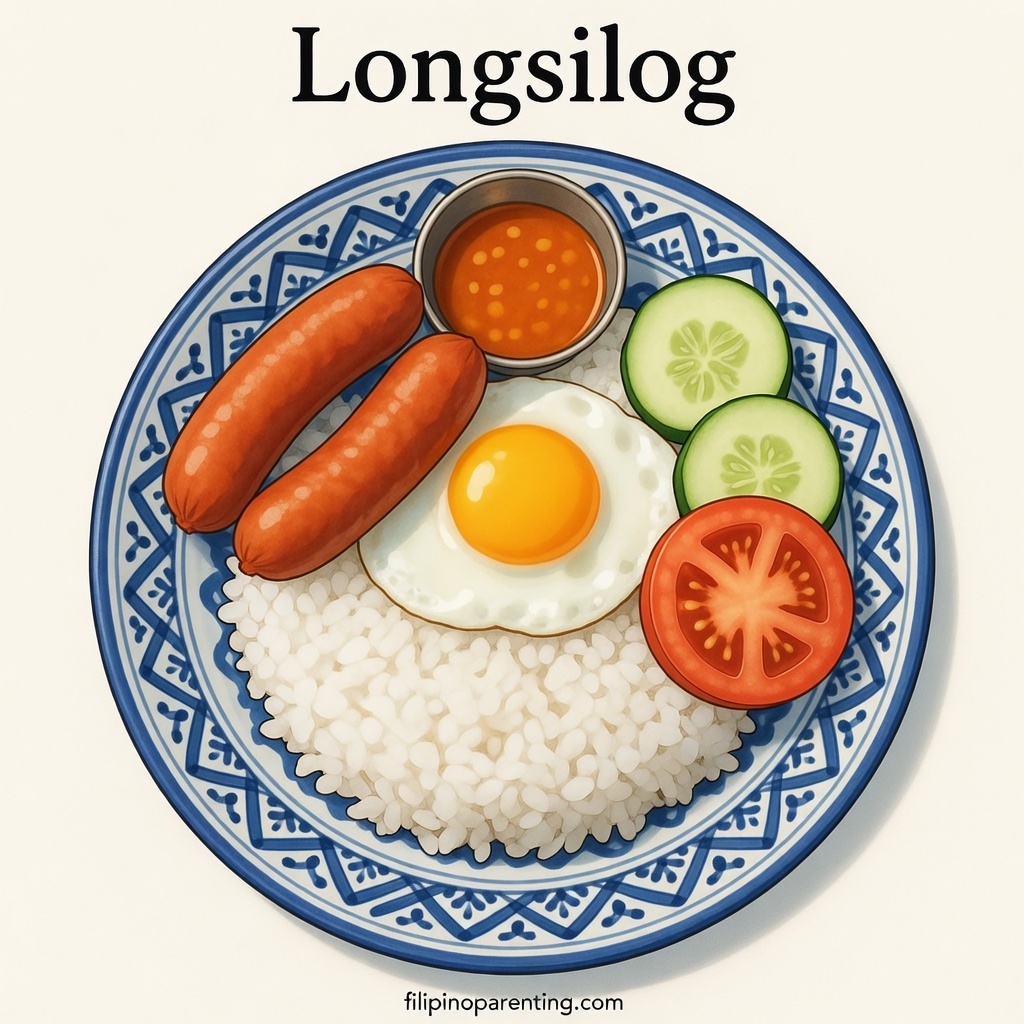
Longsilog centers on sweet Filipino longganisa, gently fried until caramelized and aromatic. Its garlicky sweetness seeps into the rice, making every spoonful rich and satisfying. This silog is commonly served during relaxed weekend breakfasts, often alongside coffee and pandesal.
Classic longsilog cooking method:
Kawaling Pinoy
https://www.kawalingpinoy.com/longganisa/
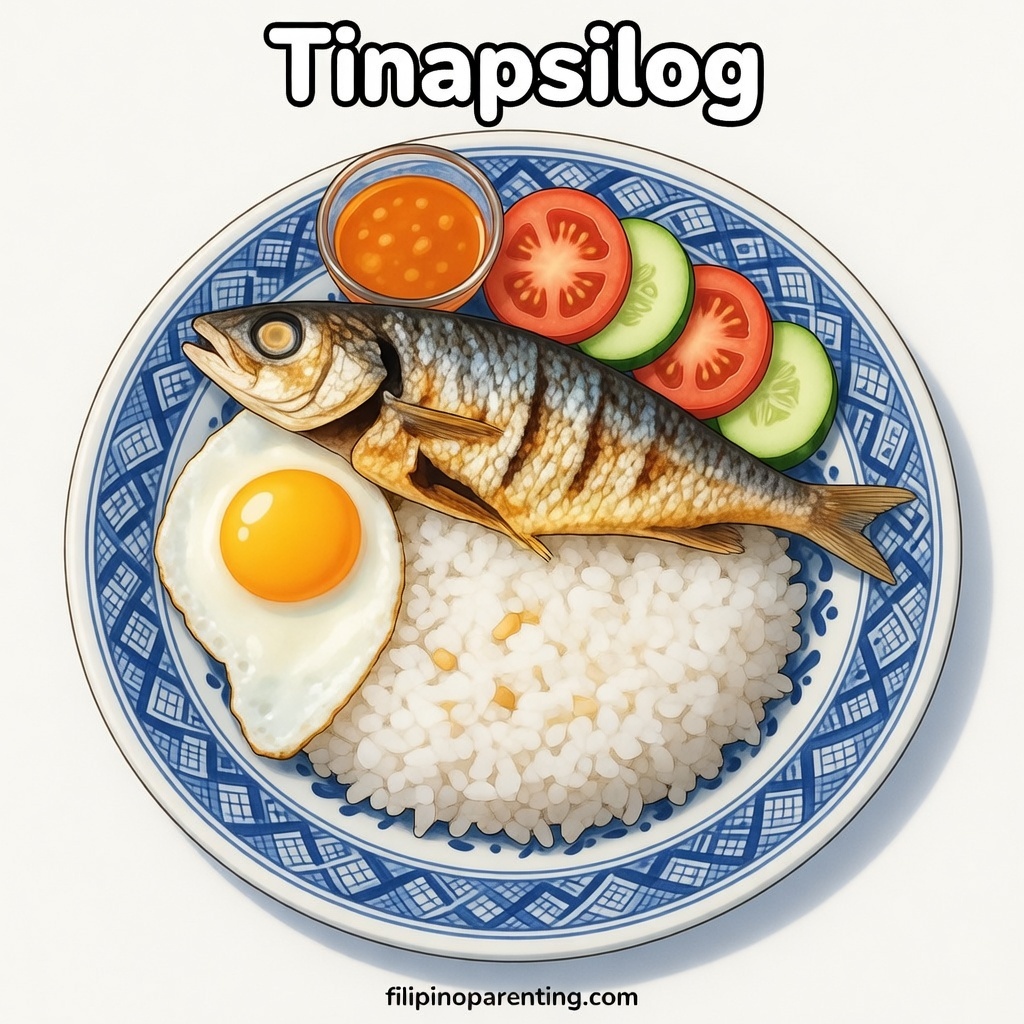
4. Tinapsilog
Tinapsilog brings the smoky flavors of tinapa to the breakfast table. Smoked fish is lightly fried and paired with garlic rice and egg, creating a balance of saltiness and aroma that feels deeply traditional. Often eaten with fresh tomatoes or vinegar, this silog is common in homes where fish is a daily staple.
Tinapa-based silog preparation:
Filipino Chow
https://filipinochow.com/recipes/tinapa-fried-rice/
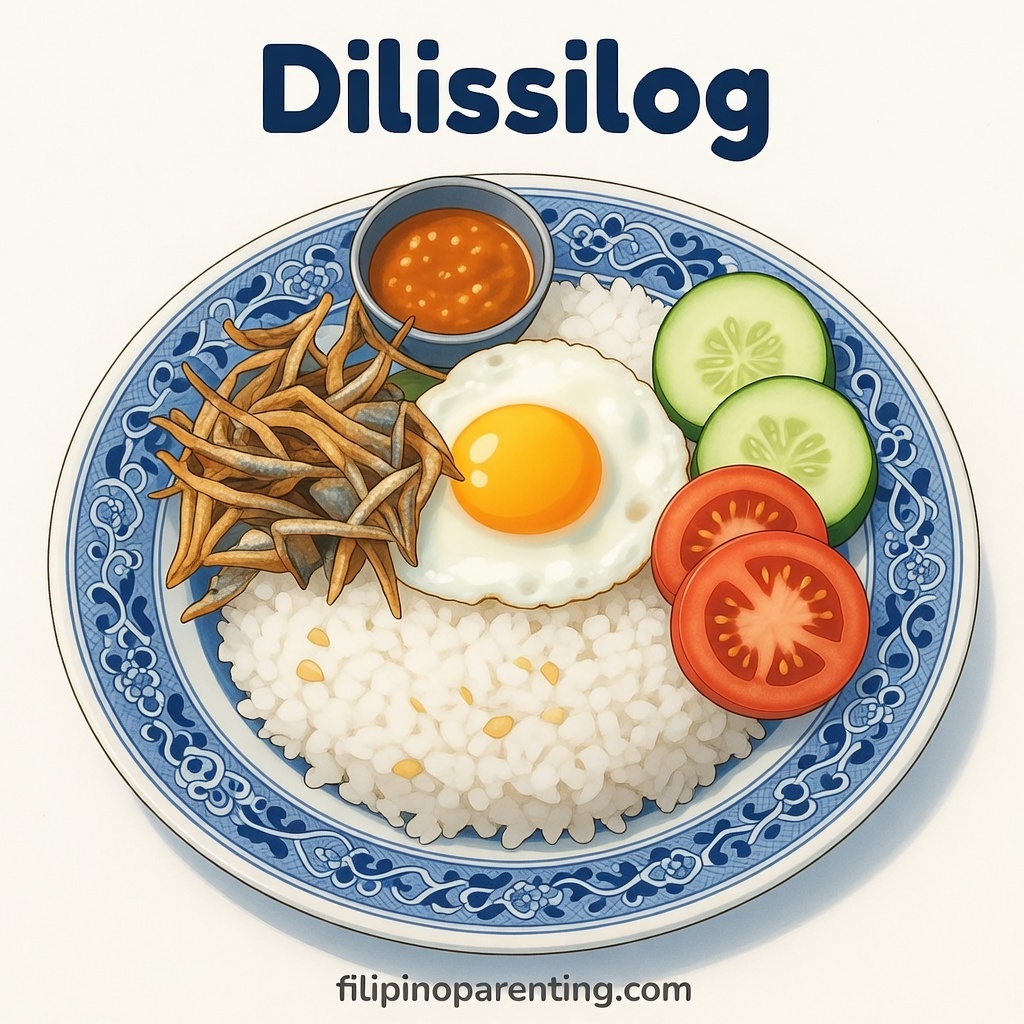
5. Dilissilog
Dilissilog is simple yet bold. Crispy fried dilis add crunch and saltiness, making garlic rice and egg even more satisfying. This silog is often enjoyed in modest households, especially in coastal areas, where small fish are plentiful and meals are meant to be shared.
Traditional fried dilis technique:
Ang Sarap
https://www.angsarap.net/2023/03/06/dilisilog/
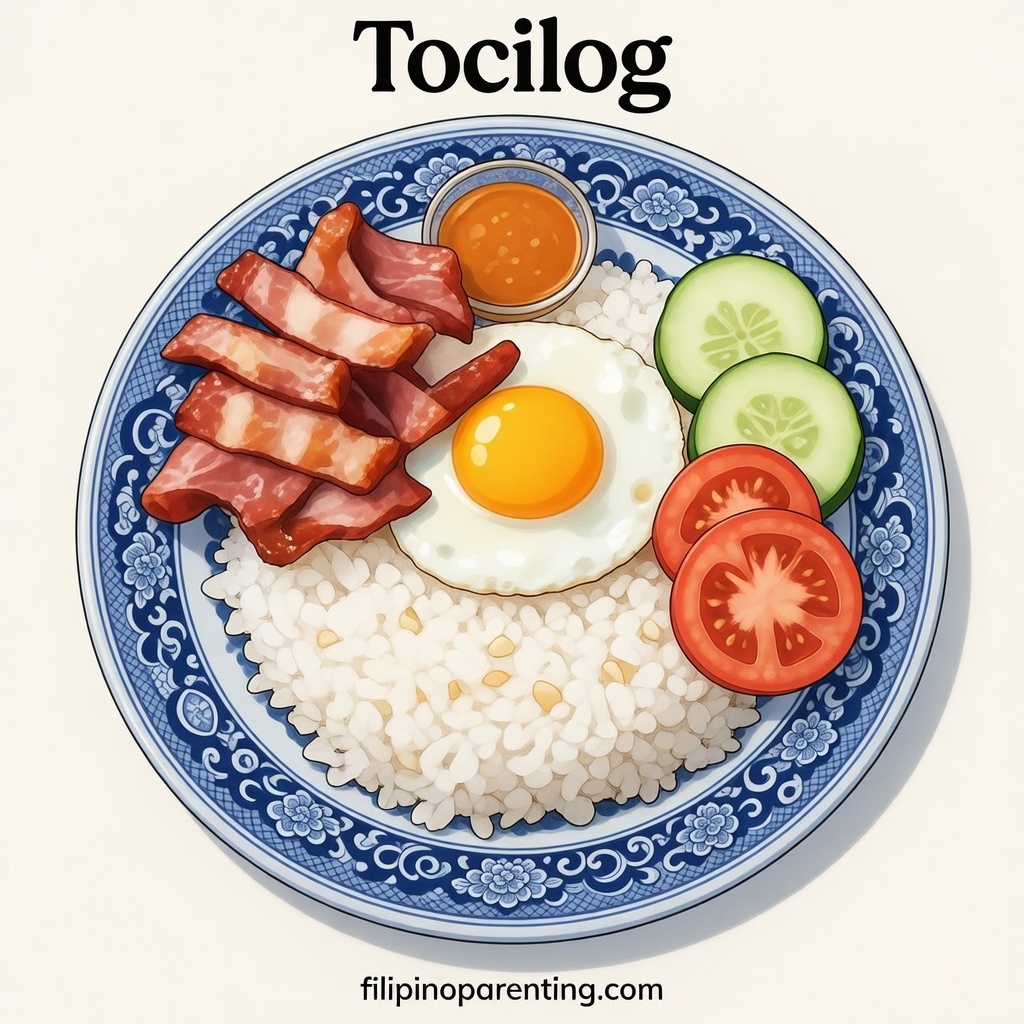
6. Tocilog
Tocilog is known for its bright color and sweet flavor. Tocino is cooked slowly until tender and caramelized, releasing a sweetness that pairs beautifully with garlicky rice and egg. It’s a breakfast many Filipinos associate with childhood, holidays, and family mornings.
Tocino silog cooking approach:
No Recipes
https://norecipes.com/tosilog-recipe/
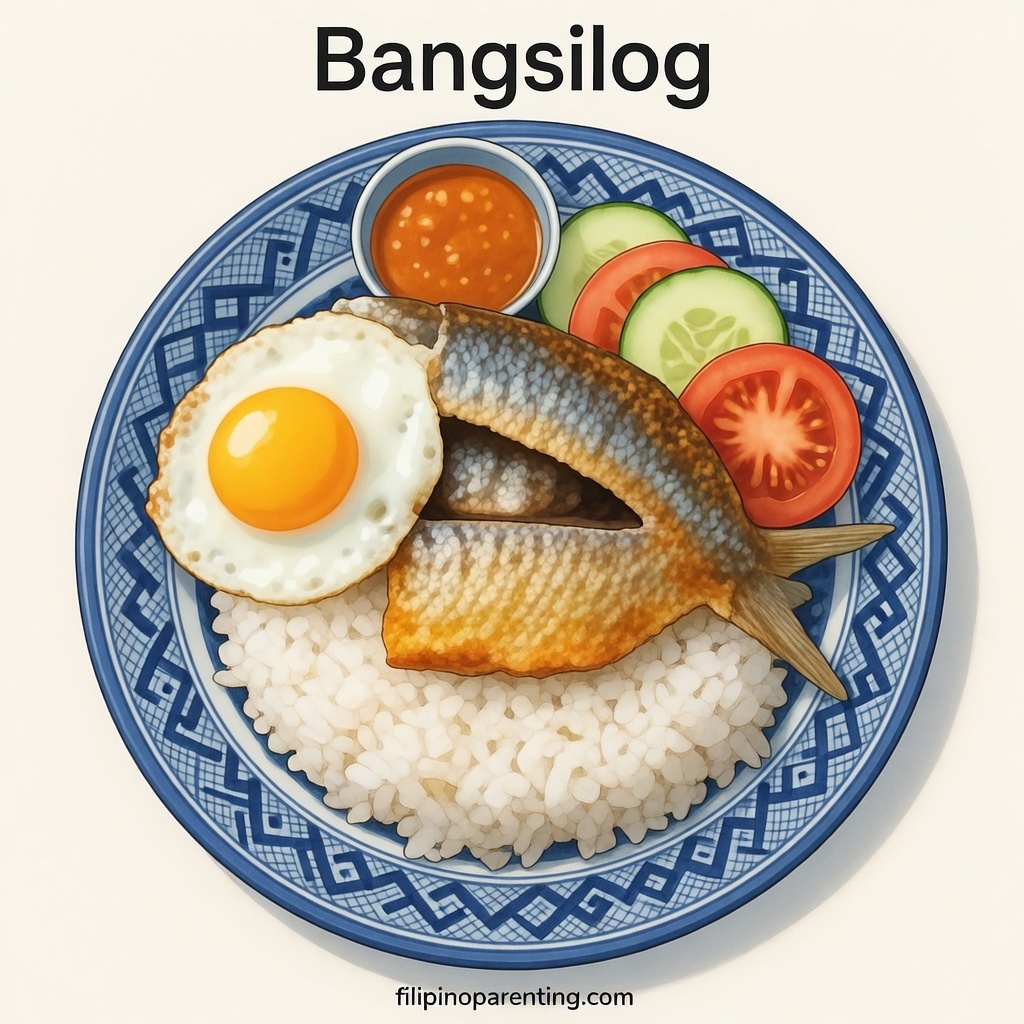
7. Bangsilog
Bangsilog features fried bangus, a fish deeply rooted in Filipino cuisine. Lightly seasoned and fried until crisp, bangus offers a mild flavor that works perfectly with sinangag and egg. This silog is common in rural and coastal homes where fish is a daily source of nourishment.
Pan-fried bangus method:
Nestlé Goodness
https://www.nestlegoodnes.com/ph/recipes/fried-bangus
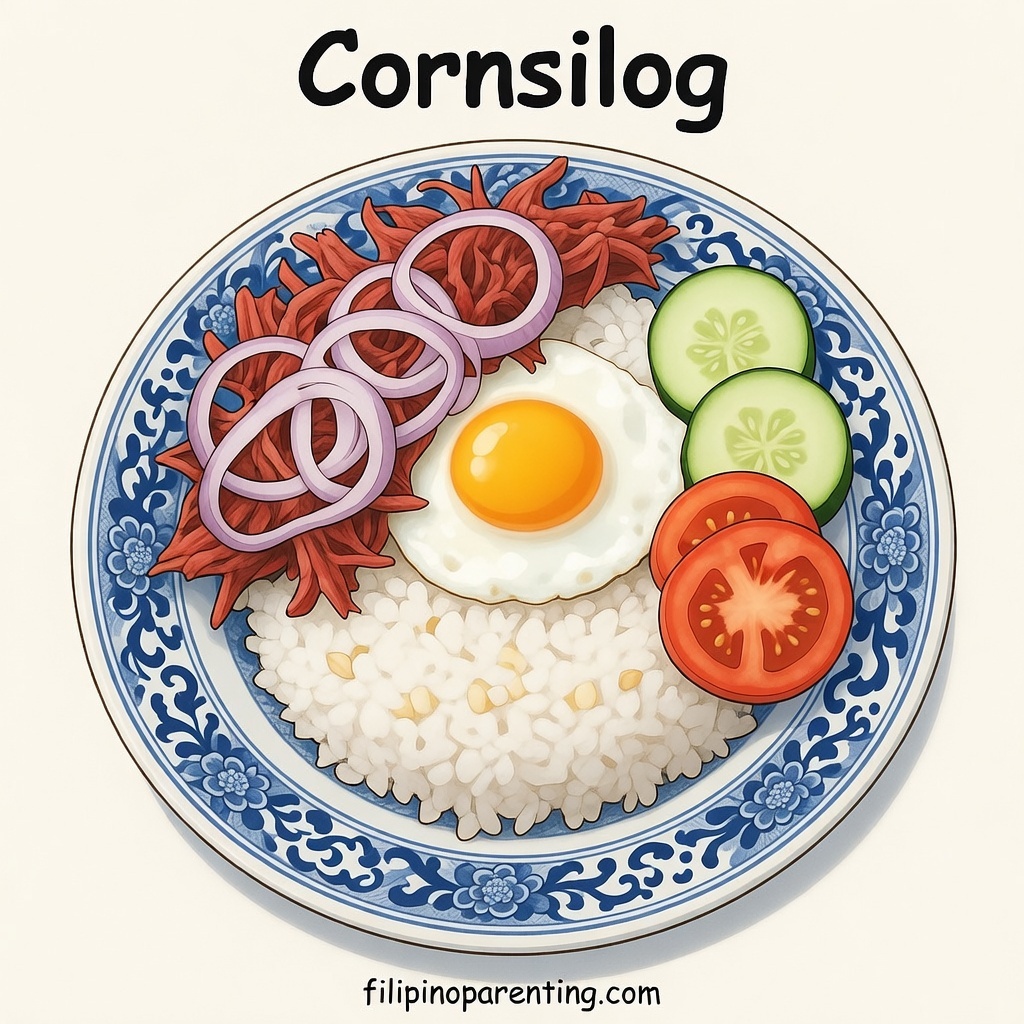
8. Cornsilog
Cornsilog is hearty and practical. Corned beef is sautéed with onions until savory and slightly crisp, then served with garlic rice and egg. It’s a familiar breakfast during busy weekdays and one of the easiest silogs to prepare at home.
Filipino-style corned beef preparation:
Manila Spoon
https://www.manilaspoon.com/archives/corned-beef-hash-filipino-style/
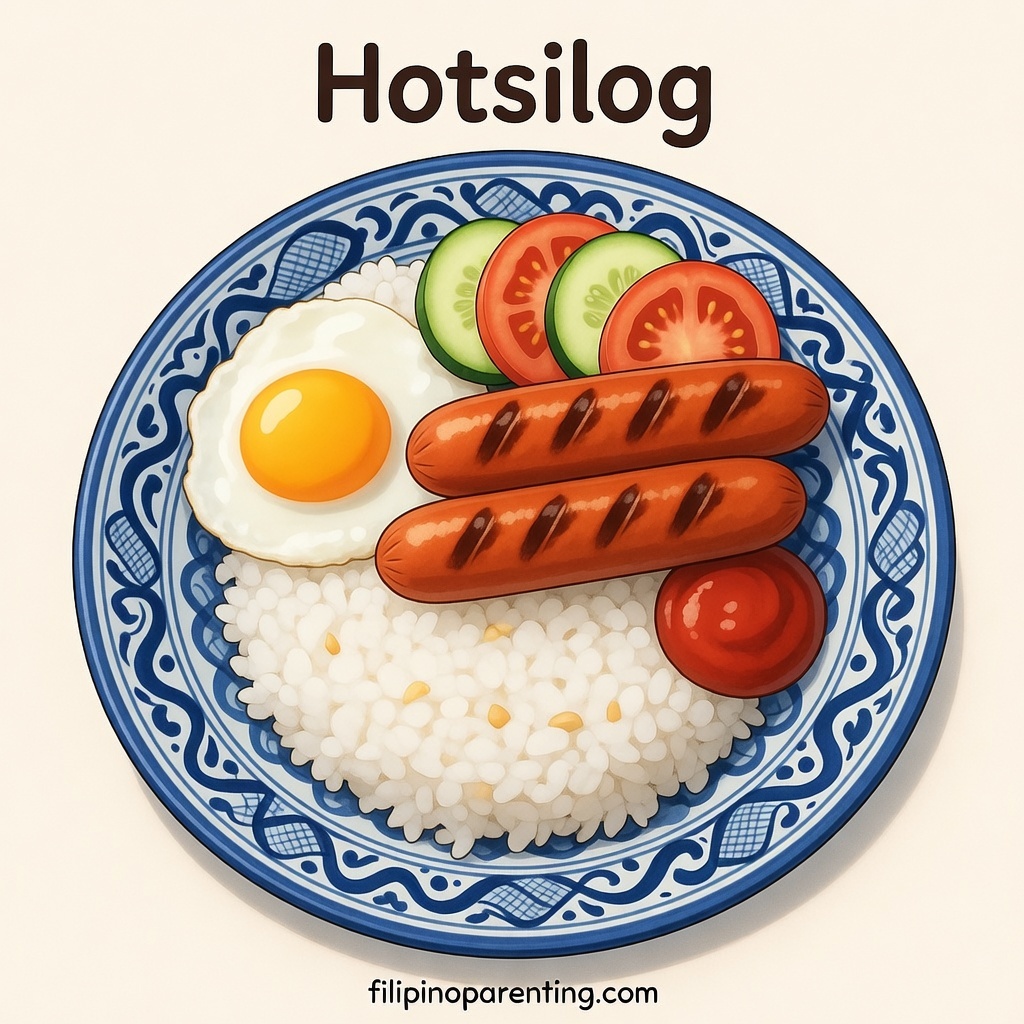
9. Hotsilog
Hotsilog is bright, sweet, and playful. Filipino red hotdogs are pan-fried until lightly blistered, adding color and sweetness to garlic rice and egg. This silog is especially popular with children and often appears on school-day breakfasts.
Filipino hotdog cooking style:
Panlasang Pinoy
https://panlasangpinoy.com/hotsilog-hotdog-sinangang-at-itlog/
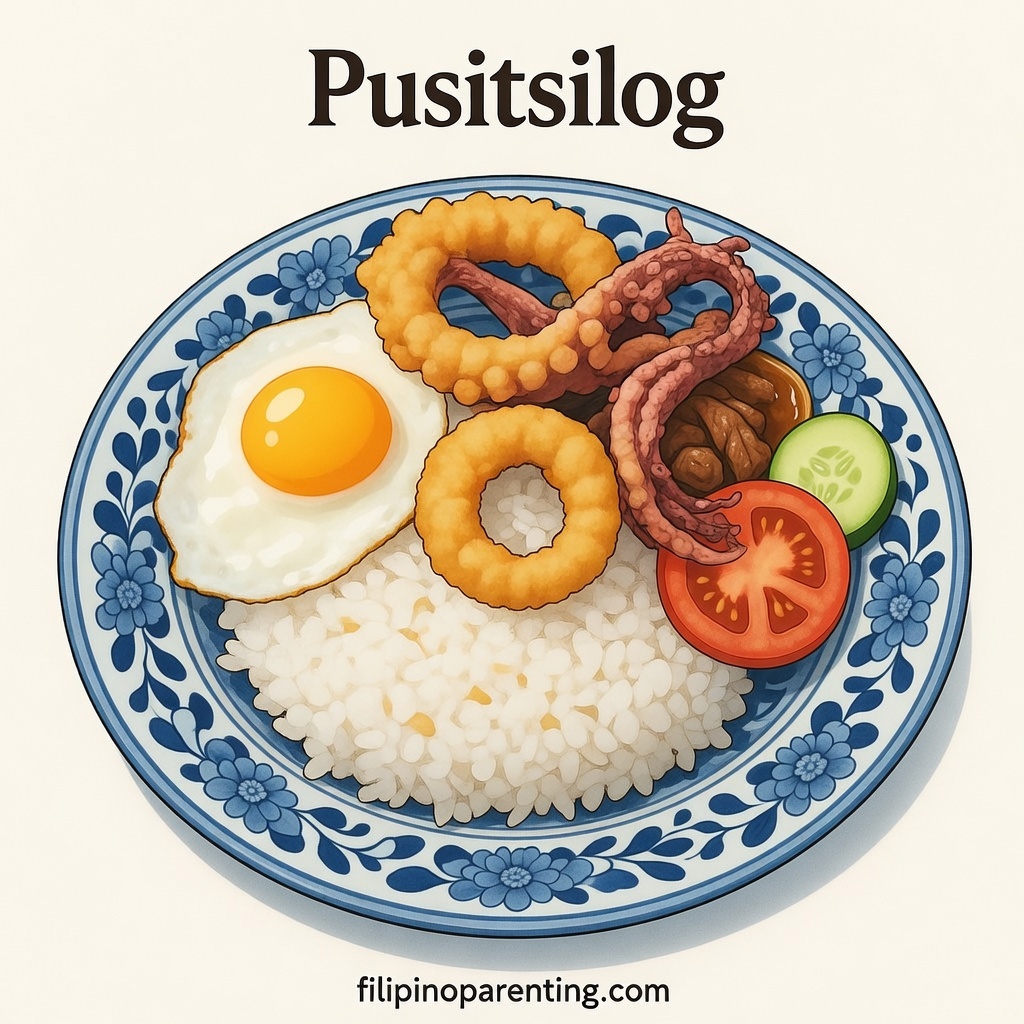
10. Pusitsilog
Pusitsilog brings seafood to the breakfast table. Squid is cooked either fried or adobo-style, offering a savory, slightly chewy texture that contrasts with soft rice and egg. It’s a silog often enjoyed in households near the sea or during days when fresh seafood is available.
Squid preparation for silog:
Yummy.ph
https://www.yummy.ph/recipe/adobong-pusit-recipe
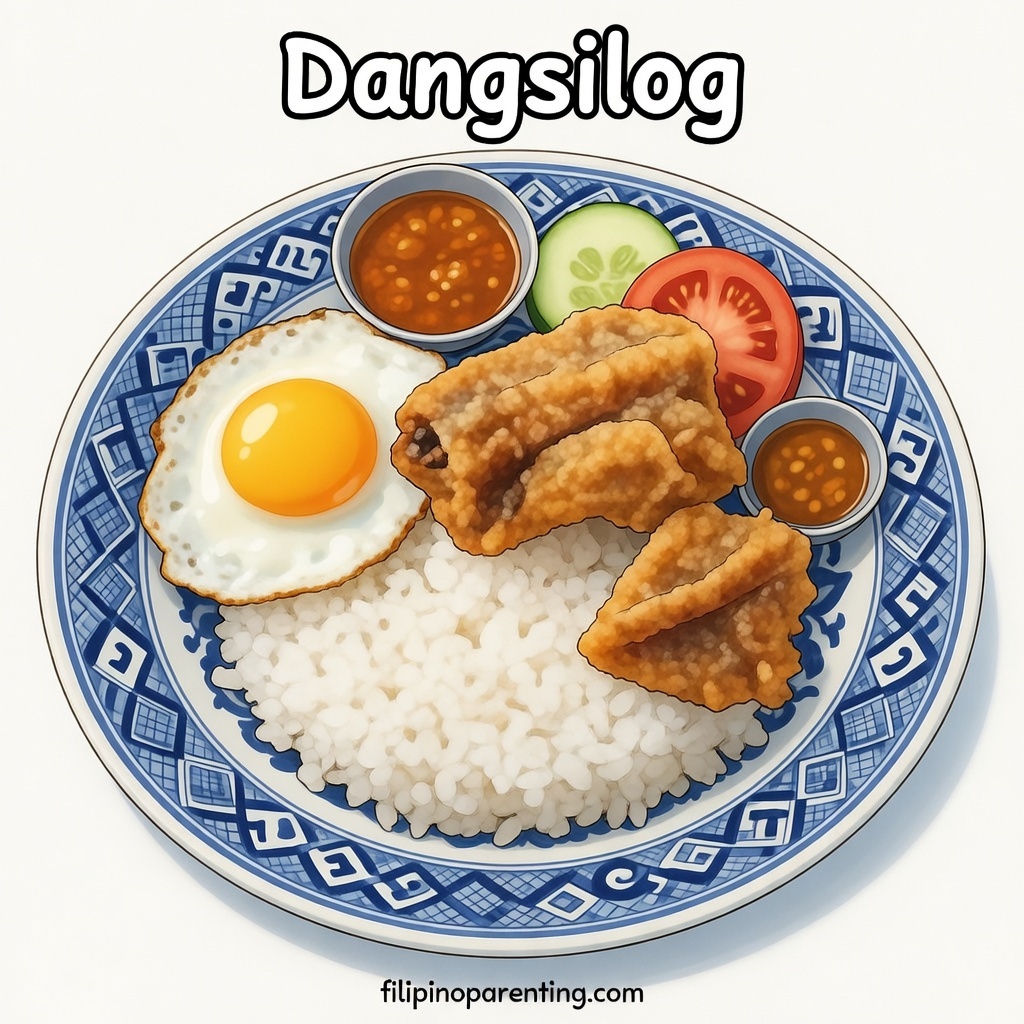
11. Dangsilog
Dangsilog highlights dried fish fried until crisp and deeply flavorful. Salty and bold, it’s usually eaten with garlic rice, egg, and sometimes vinegar or tomatoes. This silog reflects a time when preserved fish made everyday meals possible.
Crispy danggit cooking method:
Market Manila
https://www.marketmanila.com/archives/fried-dried-danggit-rabbitfish-spinefoot
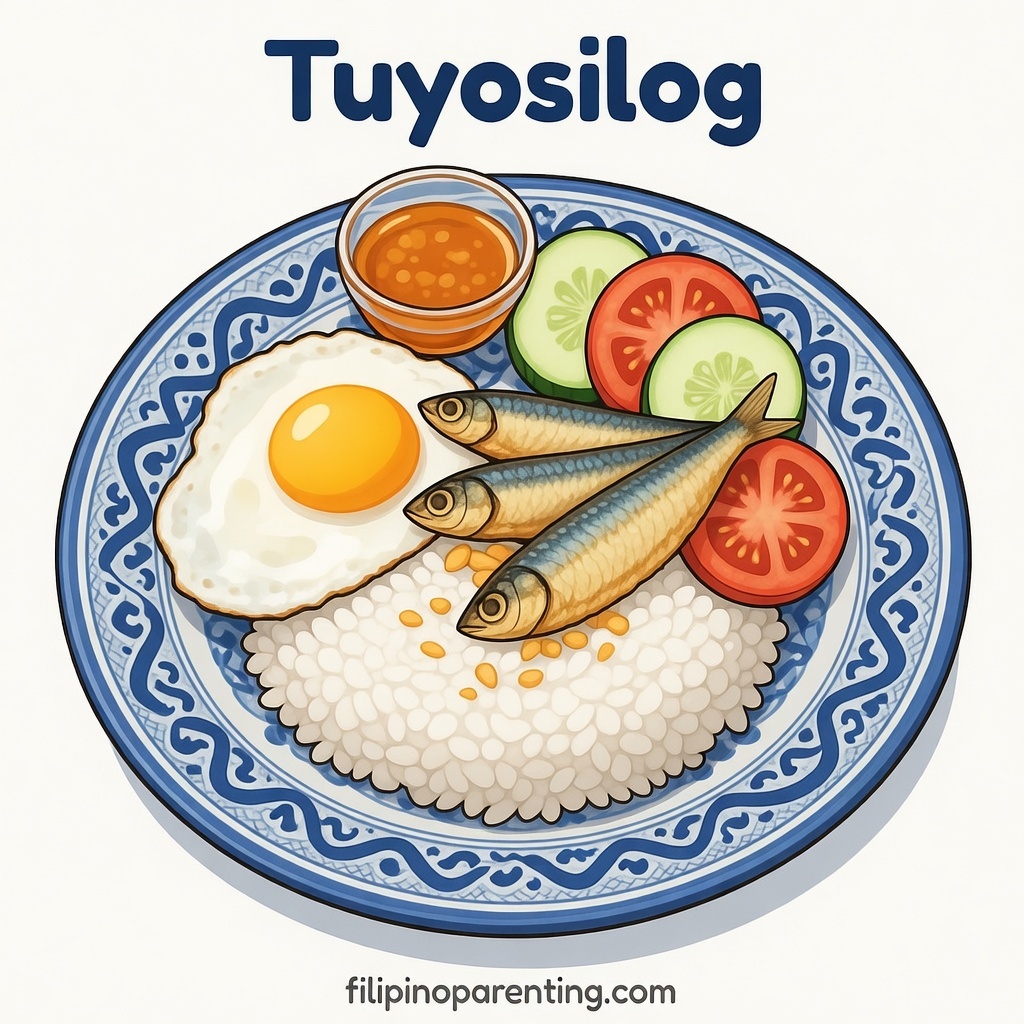
12. Tuyosilog
Tuyosilog is humble and nostalgic. Fried tuyo delivers intense saltiness that pairs perfectly with garlic rice and egg. Often eaten with tomatoes or vinegar, this silog represents simple meals shared quietly at home, especially in the early morning.
Traditional tuyo preparation:
Today’s Delight
https://www.todaysdelight.com/how-to-cook-dried-herring-tunsoy-tuyo-fish/
Importance and Practical Value of Silog Meals
Silog meals are more than just breakfast food—they reflect everyday Filipino life.
Cultural Relevance
Silog highlights the Filipino habit of eating rice at any time of day and enjoying meals together.
Practical Everyday Use
Easy to prepare, affordable, and filling, silog meals are ideal for families, workers, and students.
Social and Emotional Impact
Sharing silog strengthens family bonds and reflects Filipino hospitality.
Learning Advantage
For students and language learners, silog dishes introduce Filipino food culture and everyday vocabulary.
Celebration and Comfort
Silog meals are enjoyed on ordinary mornings as well as during family gatherings and special occasions.
How Silog Is Used in Daily Filipino Life
- At home as a quick family breakfast
- In carinderias as affordable daily meals
- During travel as reliable comfort food
- In celebrations alongside other Filipino dishes
- In cafés as popular all-day breakfast options
Commonly Used Example Phrases (Food Context)
I want tapsilog for breakfast.
Gusto ko ng tapsilog sa almusal.
Longsilog is my favorite silog.
Paborito ko ang longsilog.
We usually eat silog in the morning.
Karaniwan kaming kumakain ng silog sa umaga.
Tocilog is sweet and delicious.
Matamis at masarap ang tocilog.
Bangsilog is common in our home.
Karaniwan ang bangsilog sa bahay namin.
Hotsilog is popular with kids.
Sikat ang hotsilog sa mga bata.
Tinapsilog smells very good.
Mabango ang tinapsilog.
Cornsilog is very filling.
Nakakabusog ang cornsilog.
We eat silog together as a family.
Sama-sama kaming kumakain ng silog.
Silog is a classic Filipino breakfast.
Ang silog ay klasikong almusal ng Pilipino.
Frequently Asked Questions (FAQ)
1. What is silog?
Silog is a Filipino breakfast made with garlic rice, egg, and meat or fish.
2. Why is silog popular in the Philippines?
It is affordable, filling, and well-suited to a rice-based diet.
3. Is silog eaten only for breakfast?
Traditionally yes, but many people enjoy silog any time of day.
4. What is the most popular silog?
Tapsilog, tocilog, and longsilog are among the most popular.
5. Can silog be made at home easily?
Yes, silog meals are simple and quick to prepare.
Conclusion
Silog meals are a cornerstone of Filipino food culture, bringing together flavor, tradition, and togetherness on one comforting plate. From sweet tocino and garlicky longganisa to smoky tinapa and salty dried fish, the many types of silog reflect everyday Filipino life—shaped by availability, family preferences, and regional tastes. Each variation tells a quiet story of home cooking, early mornings, and meals shared around the table.
Understanding the 12 types of silog goes beyond learning about breakfast dishes. It offers insight into how Filipinos value rice-based meals, hospitality, and shared eating. Whether you are exploring Filipino culture, teaching children about traditional foods, or creating content that celebrates heritage, silog provides a simple yet meaningful way to connect food with daily life.
By learning the different types of silog, readers gain a deeper appreciation for how Filipinos eat, gather, and build connections through food—where even the simplest meal becomes an expression of care, culture, and community.