Soursop in Tagalog is spelled guyabano.
Soursop, locally known as guyabano, is a popular tropical fruit in the Philippines. With its spiky green skin and soft white pulp, it is widely enjoyed for its sweet and tangy flavor. Many Filipino families consume guyabano fresh or as a refreshing juice during hot days.
Beyond its delicious taste, guyabano is valued for its versatility in Filipino cuisine and traditional wellness practices. It is commonly used in drinks, desserts, and even home remedies.
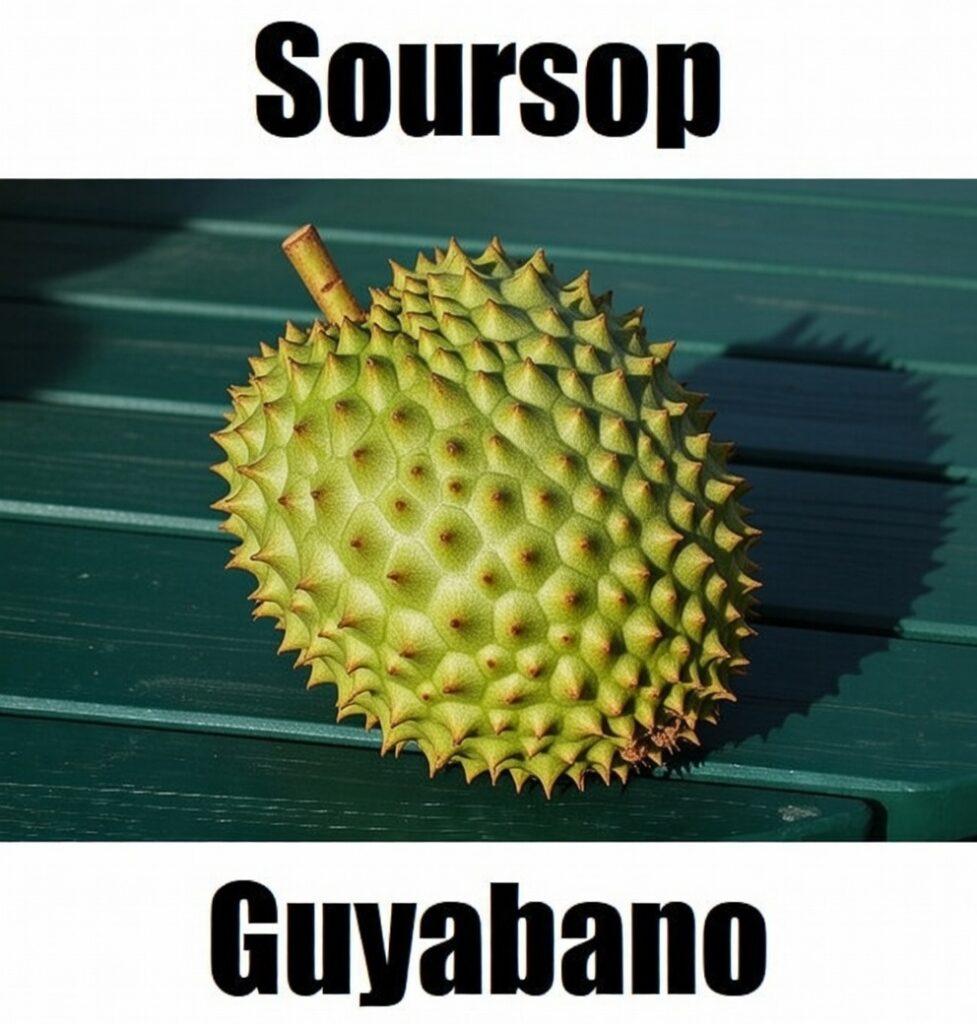
Table of Contents
What Is Soursop?
Soursop, known in Tagalog as guyabano, is a tropical fruit that grows on the Annona muricata tree. It thrives in warm, humid climates and produces large, heart-shaped fruits with soft spines.
The fruit contains juicy white flesh with small black seeds embedded inside. Its flavor is a mix of sweet, citrusy, and slightly sour notes.
Scientific Name: Annona muricata
Color: Green outer skin, white pulp
Taste: Sweet, tangy, slightly sour
Common Nickname: Guyabano
Soursop Vocabulary Words
Learning Soursop in Tagalog vocabulary words helps expand your Filipino language skills while deepening your understanding of this popular tropical fruit. Known locally as guyabano, soursop is widely enjoyed in the Philippines for its sweet and tangy flavor, refreshing juice, and impressive health benefits. By studying the English and Tagalog translations of common soursop-related terms, learners can confidently talk about food, nutrition, and everyday market conversations.
Below is a helpful vocabulary chart featuring essential words connected to Soursop in Tagalog, including taste, texture, nutrition, preparation methods, and common uses in Filipino cuisine.
| # | English | Tagalog |
|---|---|---|
| 1 | Soursop | Guyabano |
| 2 | Fruit | Prutas |
| 3 | Sweet | Matamis |
| 4 | Sour | Maasim |
| 5 | Seed | Buto |
| 6 | Skin | Balat |
| 7 | Tree | Puno |
| 8 | Juice | Katas |
| 9 | Smoothie | Inuming prutas |
| 10 | Ice Cream | Sorbetes |
| 11 | Fiber | Hibla |
| 12 | Vitamin C | Bitamina C |
| 13 | Healthy | Masustansya |
| 14 | Harvest | Ani |
| 15 | Fresh | Sariwa |
| 16 | Dessert | Panghimagas |
| 17 | Tropical | Tropikal |
| 18 | Antioxidant | Antioxidant |
| 19 | Medicine | Gamot |
| 20 | Shake | Milkshake |
Mastering these Soursop in Tagalog vocabulary words strengthens your Filipino communication skills and improves your ability to describe guyabano in both English and Tagalog. From simple terms like prutas and puno to health-related words like Bitamina C, hibla, and antioxidant, these translations help you speak more naturally in daily conversations.
By practicing these words regularly, you will increase your vocabulary retention, build fluency, and gain a better appreciation of how Soursop in Tagalog is used in Filipino food culture, traditional wellness discussions, and local markets across the Philippines.
How Is Soursop Used?
Soursop is enjoyed in many ways in Filipino homes.
1. Eaten Fresh
The simplest way to enjoy soursop is fresh.
- Peel off the green skin
- Remove the seeds
- Eat the juicy white pulp
It is naturally refreshing and hydrating.
2. Made into Juice
Soursop juice is very popular.
- Blend pulp with water
- Add sugar if desired
- Strain before serving
This creates a cool and energizing drink.
3. Blended into Smoothies
Soursop is perfect for smoothies.
- Mixed with mango
- Combined with banana
- Blended with milk or coconut milk
It results in a creamy tropical beverage.
4. Used in Desserts
Soursop is added to desserts such as Halo-halo.
- Used as cake filling
- Added to pies
- Made into ice cream
Its tangy sweetness enhances flavor.
5. Added to Savory Dishes
In some regions, soursop is added to sour soups like Sinigang.
- Adds mild sweetness
- Enhances sour broth
It balances flavors naturally.
Health Benefits of Soursop
Soursop is not only delicious but also nutritious.
Rich in Vitamin C
Helps strengthen the immune system.
High in Fiber
Supports digestion and gut health.
Contains Antioxidants
Helps protect cells from damage.
Anti-inflammatory Properties
May reduce swelling and discomfort.
Provides Natural Energy
Supplies carbohydrates for quick energy.
Supports Heart Health
May help manage cholesterol and blood pressure.
How to Use Soursop at Home
Here are simple ways to prepare soursop:
Method 1: Peel, remove seeds, and eat fresh.
Method 2: Blend into juice with water and sugar.
Method 3: Add to smoothies with other fruits.
Method 4: Use as dessert filling or ice cream base.
Method 5: Freeze pulp for later use.
Commonly Used Example Phrases in Tagalog
Here are exactly 10 example phrases using guyabano:
- The soursop is sweet and sour.
Matamis at maasim ang guyabano. - I bought fresh soursop at the market.
Bumili ako ng sariwang guyabano sa palengke. - The soursop tree is tall.
Mataas ang puno ng guyabano. - Remove the seeds before eating soursop.
Tanggalin ang mga buto bago kainin ang guyabano. - I like soursop juice.
Gusto ko ang katas ng guyabano. - Soursop is good for health.
Mabuti sa kalusugan ang guyabano. - We harvested soursop yesterday.
Umanni kami ng guyabano kahapon. - Soursop smoothie tastes delicious.
Masarap ang smoothie na guyabano. - Soursop is a tropical fruit.
Ang guyabano ay isang tropikal na prutas. - My grandmother makes soursop ice cream.
Gumagawa ng sorbetes na guyabano ang aking lola.
Frequently Asked Questions (FAQ)
1. What is Soursop in Tagalog?
Soursop in Tagalog is called guyabano.
2. What is the scientific name of Soursop?
Its scientific name is Annona muricata.
3. Can it replace something similar?
Yes, it can replace other sweet-tangy fruits in juices and desserts.
4. Is it healthy?
Yes. It contains Vitamin C, fiber, and antioxidants.
5. How do you prepare or use it?
Peel the skin, remove the seeds, and eat fresh or use in drinks and desserts.
Conclusion
Soursop in Tagalog, known locally as guyabano, is a flavorful and nutrient-rich tropical fruit widely enjoyed throughout the Philippines. Recognized for its spiky green skin and soft white pulp, guyabano offers a unique sweet and tangy taste that makes it ideal for fresh eating, juices, smoothies, milkshakes, ice cream, and traditional Filipino desserts. It is commonly sold in local markets and harvested in warm, tropical regions across the country.
Beyond its delicious flavor, Soursop in Tagalog is valued for its impressive health benefits. Guyabano is rich in Vitamin C, dietary fiber, antioxidants, and essential nutrients that support immune health, digestion, heart health, and overall wellness. It is also frequently mentioned in traditional herbal practices and natural home remedies in the Philippines.
Whether you are learning Filipino vocabulary, exploring tropical fruits, or searching for healthy fruit options, Soursop in Tagalog remains an important part of Filipino cuisine, food culture, and everyday conversations.