Herbs in Tagalog are an essential part of every Filipino home, used not only for their rich flavors but also for their traditional healing properties. In the Philippines, we often call these mga halamang gamot, which translates to medicinal plants. Whether you are cooking a warm bowl of Tinola or looking for a natural remedy, understanding the local names for these plants is a wonderful way to connect with our culture.
Table of Contents
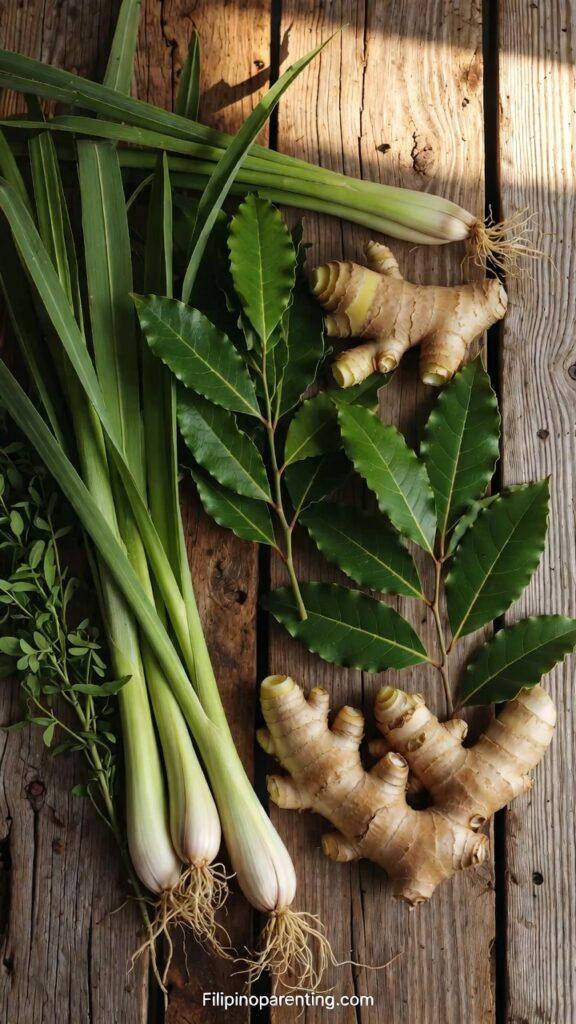
In our culture, the act of sharing a meal is a quiet gesture of kindness. When we use fresh ingredients from the garden, we are showing our guests that they matter. For beginners and learners of the language, knowing the right terms for herbs in Tagalog makes the experience of visiting a local market or cooking with families much more meaningful.
Essential Herbs Vocabulary in Tagalog
Here is the verified list of herbs and plants used in daily Filipino life. We have kept these exactly as provided to ensure accuracy for your learning journey.
- Halamang gamot – herb (medicinal plant)
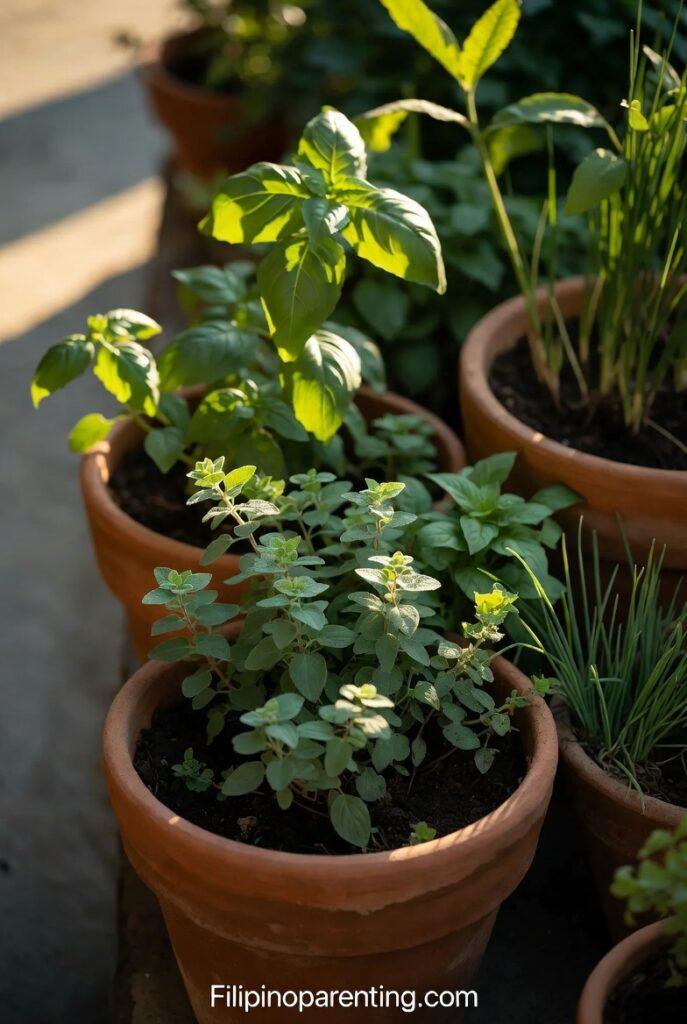
- Balanoy – basil
- Tanglad – lemongrass
- Romero – rosemary
- Sambong – (A traditional Filipino medicinal herb, different from Western sage)
- Haras – fennel
- Kutsay – chives
- Perehil – parsley
- Oregano – oregano
- Thyme – thyme
- Wansoy – cilantro / coriander leaves
- Luya – ginger
- Dahon ng laurel – bay leaf
- Halaman – plant
Many families grow these in their backyards. This practice of Filipino vegetable gardening allows parents to pass down ancestral knowledge to the younger generation.
Comprehensive List of Herbs and Spices
For those who want a deeper look into the Filipino pantry, this table provides a clear guide to the most common items found in the kitchen. Using the correct herbs in Tagalog ensures your recipes stay authentic.
| # | English | Tagalog (Filipino) | Notes |
| 1 | Garlic | Bbawang | Used in almost every dish |
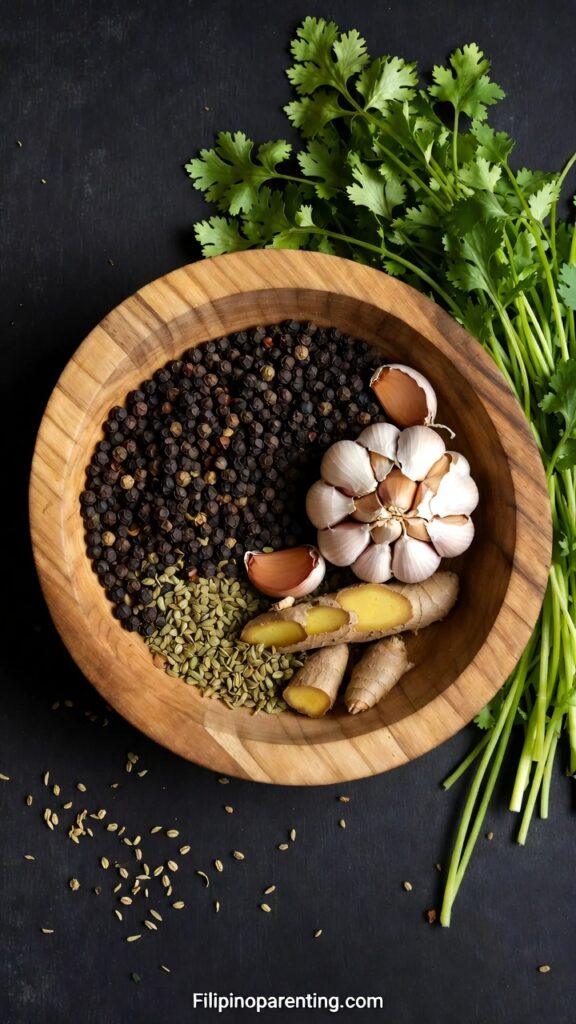
| 2 | Ginger | Luya | Essential for tinola |
| 3 | Seasoning | Pampalasa | Anything used to add flavor |
| 4 | Pepper | Paminta | Usually black peppercorns |
| 5 | Chinese Celery | Kinchay | Used in pansit and soup |
| 6 | Basil | Basil / Balanoy | A fragrant garden staple |
| 7 | Wasabi | Wasabi | A borrowed term |
| 8 | Oregano | Oregano | Often used for tea |
| 9 | Thyme | Thyme | Borrowed term |
| 10 | Paprika | Paprika | Borrowed term |
| 11 | Saffron | Saffron | For special celebrations |
| 12 | Vanilla | Banilya | Used in Filipino desserts |
| 13 | Rosemary | Romero | Fragrant and woodsy |
| 14 | Chili pepper | Sili | Essential for spicy dishes |
| 15 | Cumin | Kyumin | Borrowed term |
| 16 | Cinnamon | Kanela | Sweet and aromatic |
| 17 | Jasmine | Sampaguita | The national flower |
| 18 | Peppermint | Peppermint | Borrowed term |
| 19 | Allspice | Allspice | Borrowed term |
| 20 | Cilantro | Wansoy | Fresh leaves for garnishing |
Practical Sentences Using Herbs in Tagalog
To help learners use these words in daily conversation, here are ten verified sentences. Practicing these will help you feel more comfortable in a Filipino kitchen or garden.
- Ang aking ina ay may hardin ng mga halamang gamot.
- Gusto kong idagdag ang tinadtad na sariwang balanoy sa sinangag.
- Ang tanglad ay may matamis na amoy.
- Gusto kong magluto ng manok na may mga dahon ng romero.
- Ako ay gumamit ng tuyong sambong bilang pampalasa.
- Idinagdag ko ang sariwang haras sa sabaw ng baka.
- Inilagay ng aking ina ang sariwang kutsay sa torta.
- Ang sariwang perehil ay ginagamit na palamuti sa pagkain.
- Idinagdag ko ang tuyong dahon ng laurel sa adobong manok.
- Ang aking lola ay gumamit ng sariwang luya sa pagluluto ng tinolang manok.
Using the right ingredients is just as important as using the right tools. You can see our list of kitchen utensils in Tagalog to help you complete your cooking set. If you are following a recipe from the Philippines, you might also find our guide on Filipino cooking conversions very helpful.
The Connection Between Herbs and Culture
In the Philippines, life is deeply rooted in togetherness. Using herbs in Tagalog is often about more than just food; it is about caring for one another. When a neighbor offers you oregano for a cough, they are practicing pakikisama—maintaining a harmonious relationship through generosity.
This openness is part of what makes our culture so warm. Whether it is through beautiful Tagalog words or the simple act of growing plants in Tagalog culture, we value the sincerity of sharing what we have. For more information on the botanical properties of these plants, you can explore resources from the Department of Science and Technology or the World Health Organization regarding traditional medicine.
Frequently Asked Questions
What does halamang gamot mean?
It means medicinal plant. In the Philippines, many culinary herbs are also valued for their health benefits.
Is wansoy the same as cilantro?
Yes, wansoy is the local term for cilantro or coriander leaves used in fresh dishes.
Why is ginger so important in Filipino culture?
Luya (ginger) is a staple because it is used in many traditional soups and as a soothing tea for the throat. You can learn more about food terms in our guide to spices in Tagalog.
Final Thoughts on Filipino Herbs
Learning about herbs in Tagalog is a journey into the heart of the Filipino home. These plants represent our history, our health, and our hospitality. By using these verified terms, you can share in the daily rhythms of Filipino life with sincerity and pride.