Heartfelt Tagalog Sayings Strength in Prayer: 5 Miraculous Truths
Heartfelt Tagalog Sayings Strength in Prayer are the spiritual lifeline for many Filipinos, providing a “Real-Talk” anchor when the storms of life threaten to overwhelm…
Heartfelt Tagalog Sayings Strength in Prayer are the spiritual lifeline for many Filipinos, providing a “Real-Talk” anchor when the storms of life threaten to overwhelm…

Filipino baby names starting with H often feel warm, strong, and full of character. Hello, dear parents! Ako si isang proud Filipino mom sharing what…
Ngayong mainit na tag-init, lalong mahalaga ang malamig na tubig at langis ng niyog para sa hydrated na balat—huwag kalimutan ang pahid laban sa araw…

Filipino Wisdom Quotes Tadhana Fate Luck Work are the philosophical threads that weave together our understanding of destiny and the daily grind. In our culture,…

Filipino baby names starting with R are a wonderful way to give your little one a unique and strong identity. Hello, dear parents! Ako si…
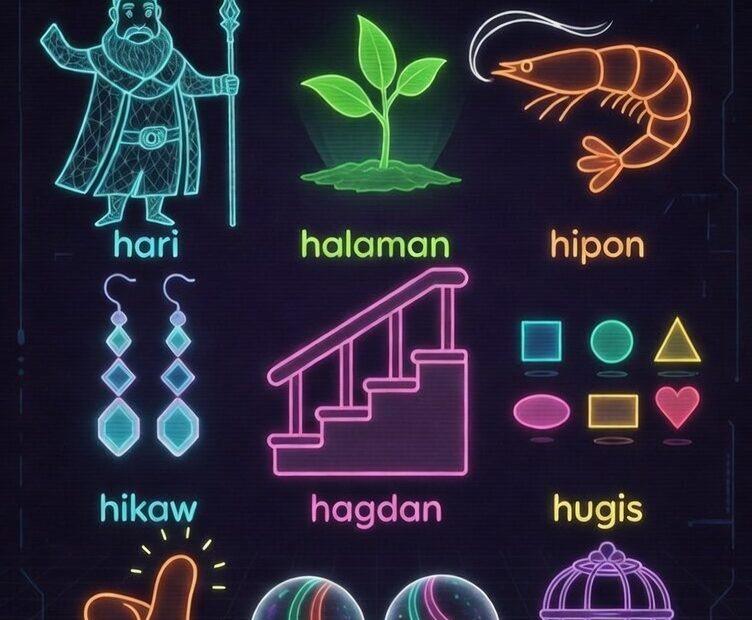
Tagalog words starting with the letter E — or Letra E — are a fascinating part of the Filipino language because they often showcase the…

Filipino baby names starting with E often feel elegant, warm, and full of grace. Hello, dear parents! Ako si isang proud Filipino mom sharing what…

Car parts in Tagalog are essential to understand for anyone navigating the busy streets of the Philippines. Whether you are a parent managing the family…

Tagalog Sayings Choosing Peace Inner Calm are the silent guardians of a well-lived life, especially when the world feels like an endless cycle of noise…
Filipino baby names starting with D often feel warm, strong, and full of character. Hello, dear parents! Ako si isang proud Filipino mom sharing what…

Classic Tagalog Salawikain Life Human Nature are the foundational stones of the Filipino psyche, offering a “Real-Talk” mirror to our collective character and the inevitable…

Seasons in Tagalog represent much more than just a change in the atmosphere; they define the rhythm of our families and our traditions. In the…

Filipino baby names starting with G often feel graceful, strong, and full of warmth. Hello, dear parents! Ako si isang proud Filipino mom sharing what…

Deep Tagalog Quotes Instagram Captions Soulful are the digital echoes of our inner world, capturing the complex “lalim” (depth) of the Filipino soul in a…
Minecraft Tagalog words are the perfect way to turn your next building session into a cultural experience. Whether you are building a grand bahay kubo…
Filipino baby names starting with M are among the most loved because they feel warm, strong, and full of faith. Hello, dear parents! Ako si…

Tagalog Christian Wisdom Navigating Uncertainty is the spiritual compass we reach for when the road ahead is fogged by doubt and life’s “hustle” leaves us…
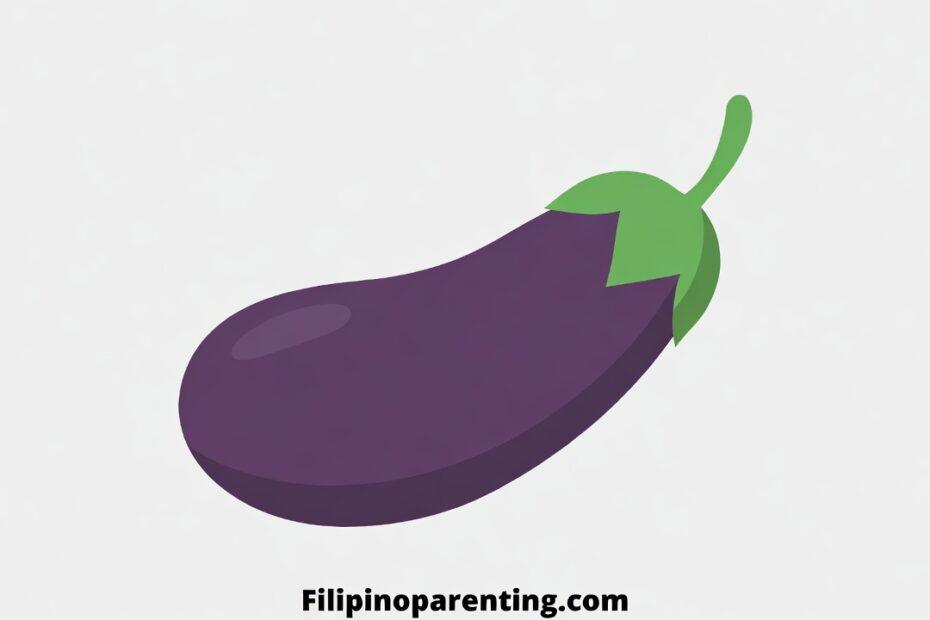
Eggplant in Tagalog is talong. It is one of the most recognizable and beloved vegetables in the Philippines. It is also valued for its versatility,…
Tagalog Quotes Finding Sanctuary Love Rest are more than just words; they are an invitation to step out of the relentless “hustle” and into the…

Planning a trip to the Philippines soon? While most airport personnel in the Philippines speak English fluently, knowing the local language adds a layer of…
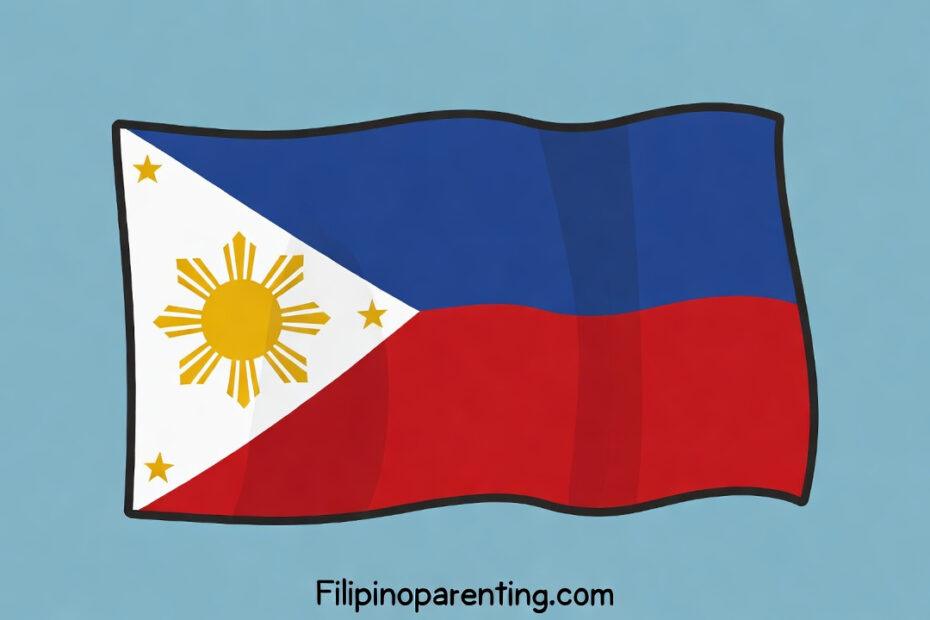
Philippines Independence Day Tagalog phrases are the heartbeat of every June 12 celebration. Whether you are a parent helping the younger generation with a school…

Filipino baby names starting with L are among the most beautiful and meaningful choices for your new arrival. Hello, dear parents! Ako si isang proud…
Tagalog Quotes for Dreams, Success, and Hard Work serve as the rhythmic heartbeat of the Filipino “hustle,” providing the mental grit needed to turn a…

Packing in Tagalog is a practical, family-style ritual that often begins with the familiar sound of a suitcase zipper and a quick mental checklist. Whether…

The white-tailed deer (Odocoileus virginianus) is one of North America’s most iconic and adaptable wild animals. From dense forests to suburban backyards and open meadows,…

Do you have a furry or scaly friend at home? Tagalog Words for Pets are a wonderful way to bring the Filipino language into your…
Tagalog Quotes for Healing Broken Heart Slowly are essential companions for those navigating the quiet, often agonizing journey of emotional restoration. In the Filipino cultural…

Tagalog Quotes Trusting His Plan Faith Protection are the spiritual anchors we need when the “hustle” of life feels like a relentless storm. In the…

Filipino baby names starting with C often feel elegant, melodic, and full of warmth. Hello, dear parents! Ako ay isang proud Filipino mom sharing what…

Tagalog words starting with P are incredibly common in daily Filipino life. From the food on our tables to the way we describe our families,…
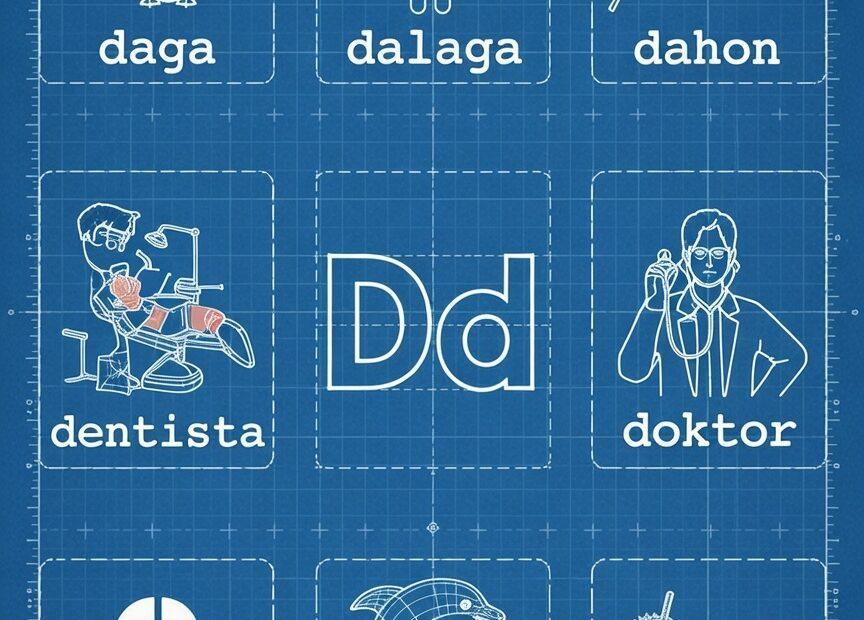
Tagalog words starting with the letter D — or Letra D — are packed with everyday Filipino terms that describe nature, the body, objects, and…

Tagalog camping words are the perfect addition to your vocabulary for exploring the beautiful landscapes of the Philippines. Camping in the Philippines is pure joy…
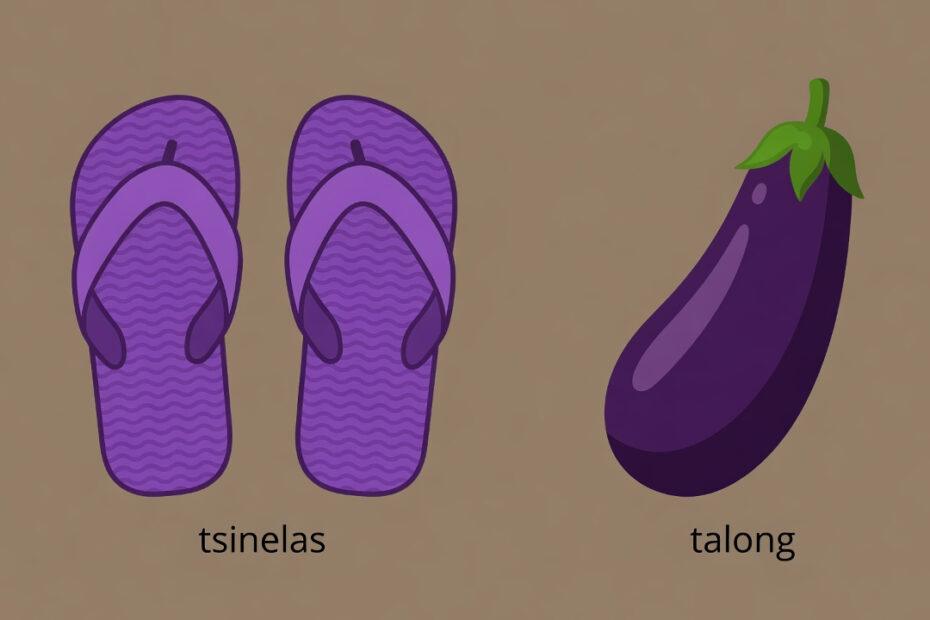
Tagalog Words Starting With T are essential for anyone looking to build a strong foundation in the Filipino language. Whether you are part of the…
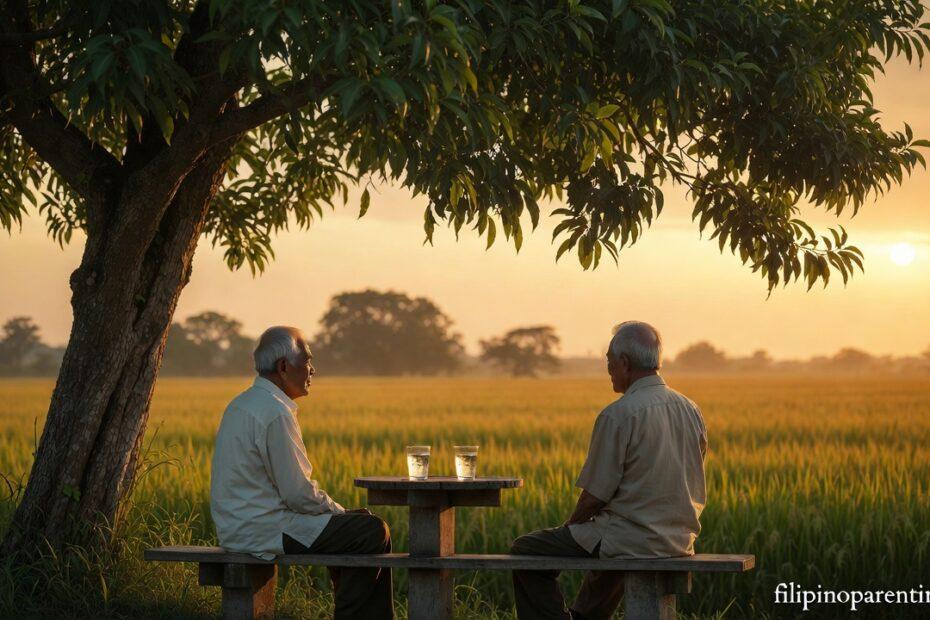
Tagalog Quotes for Authentic Warm Relationships provide a sanctuary for the soul in a world often dominated by surface-level interactions and performance. In the Filipino…

OPM karaoke Canada evenings are a lifeline to our roots, turning a quiet Ontario night into a celebration of Filipino identity. In our home, the…

Hunting in Tagalog is more than just a sport; for many in the Philippines, it is a traditional way of life deeply connected to the…

Business in Tagalog words are the key to navigating professional life in the Philippines with confidence and respect. Business and office life in the Philippines…
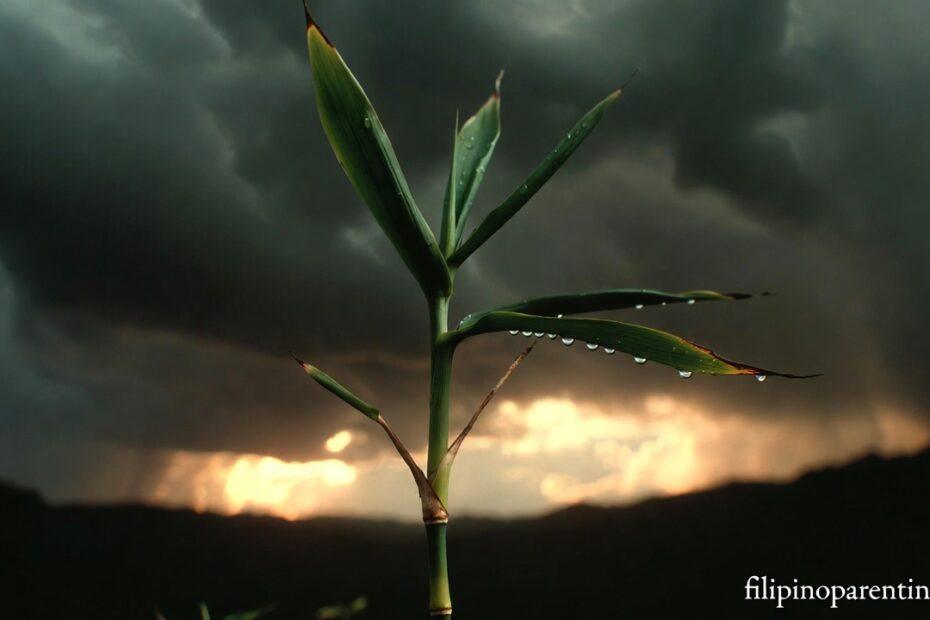
Tagalog Quotes for Inner Resilience and Strength are the quiet whispers that sustain us when the world demands too much. In our culture, we often…
Popeyes Chicken Tenders Pembroke Ontario is one of those simple pleasures many families here in Ontario look forward to. Life in Canada moves in seasons…
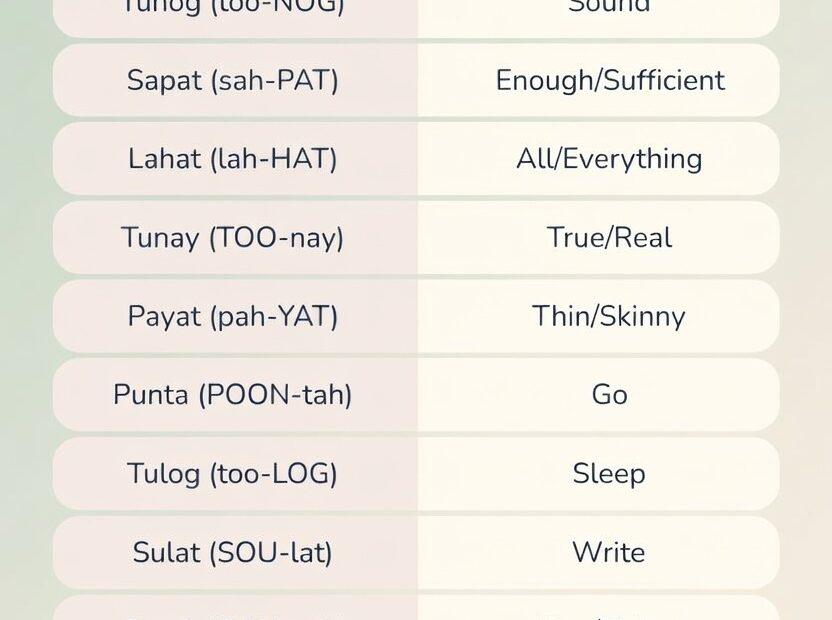
Filipino 5 letter words are the foundation of effective communication for anyone starting their journey with the Tagalog language. Understanding these terms helps beginners and…

Philippine mythical creatures are a cornerstone of Filipino heritage, blending indigenous folklore with deep cultural values. For families and learners exploring the rich tapestry of…
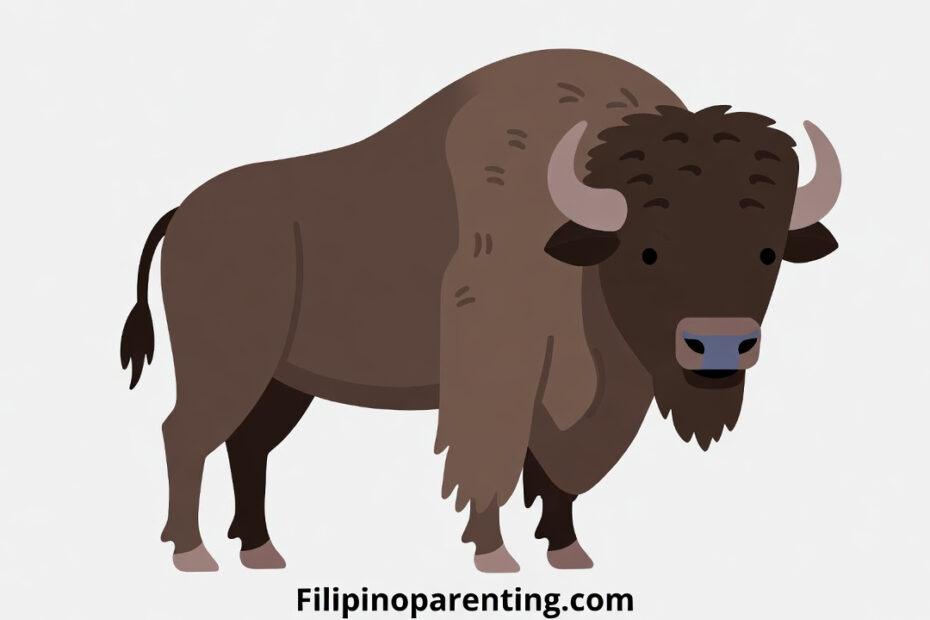
Animals in Oklahoma are a vital part of the Sooner State’s natural beauty, thriving within diverse habitats that stretch from rolling prairies to lush eastern…
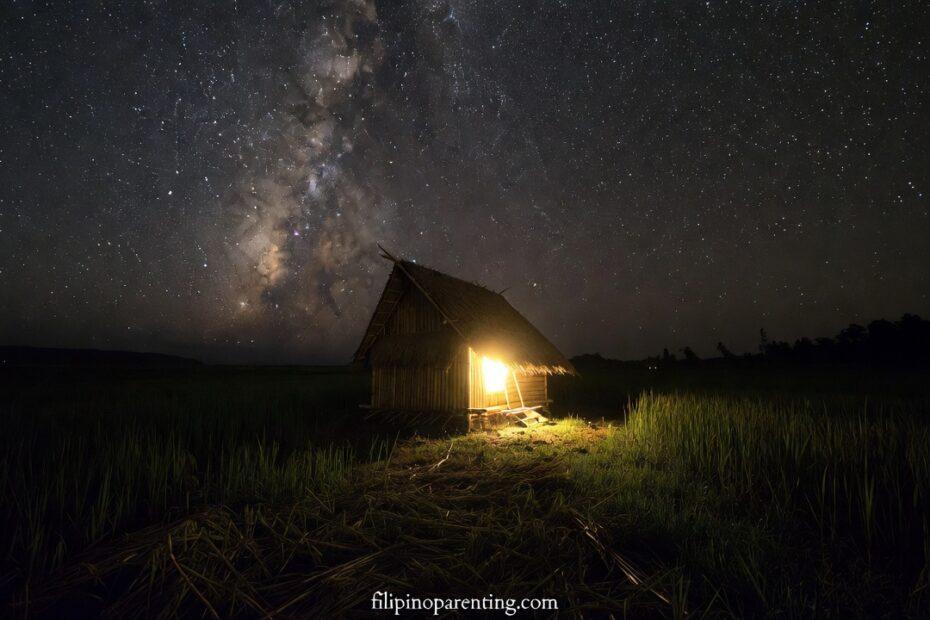
Deep Tagalog Lines Nighttime Thoughts Reflection offer a unique window into the “loob” (inner self) when the noise of the world finally fades away. In…

Boyfriend in Tagalog is most commonly called boyprend, but you can also use deeper, more traditional words like kasintahan, nobyo, or sinta. Choosing the right…

Filipino Tagalog Proverbs for Character Success are the foundational stones upon which our cultural identity is built. In the Philippines, the concept of “tagumpay” (success)…

Tagalog Sayings Overcome Fear Stay Brave are the silent anchors that hold us steady when the storms of life threaten to sweep us away. In…

Filipino baby names starting with B often feel warm, strong, and full of heart. Hello, dear parents! Ako si isang proud Filipino mom sharing what…
Filipino baby names starting with A are a beautiful way to honor our heritage while giving your little one a strong start. Hello, dear parents!…
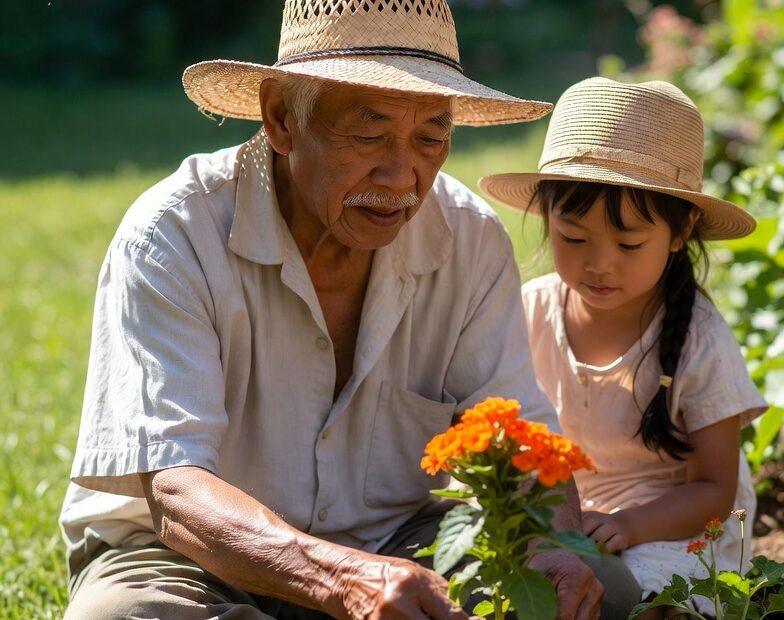
Filipino elder respect Ontario is a beautiful tradition that stays strong even when we are thousands of miles away from the Philippines. In our new…

Family is the foundation of who we are. In a fast-paced world where everything seems to change quickly, ang aking pamilya remains my constant source…
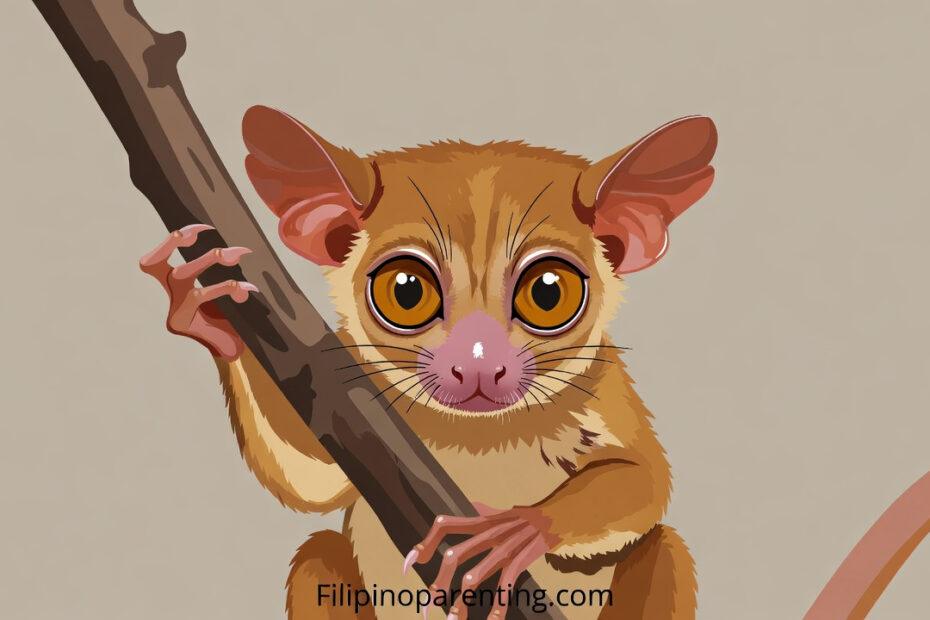
Philippine animals are some of the most unique creatures on the planet, and living as a Filipino family abroad, we cherish this rich heritage. One…