Learning basic animal names is a fantastic way to dive into Filipino culture. Whether you are a parent teaching the younger generation or a beginner traveler, one of the most versatile words you will encounter is Chicken in Tagalog. In the Philippines, the humble chicken is more than just a farm animal; it is a staple of our world-famous cuisine and a symbol of rural “Real-Talk” life.
Table of Contents
What is Chicken in Tagalog?
The primary translation for Chicken in Tagalog is manok. This word is the standard term used across the archipelago. It refers to the live animal scratching in the backyard and the meat served in your favorite bowl of Tinola.
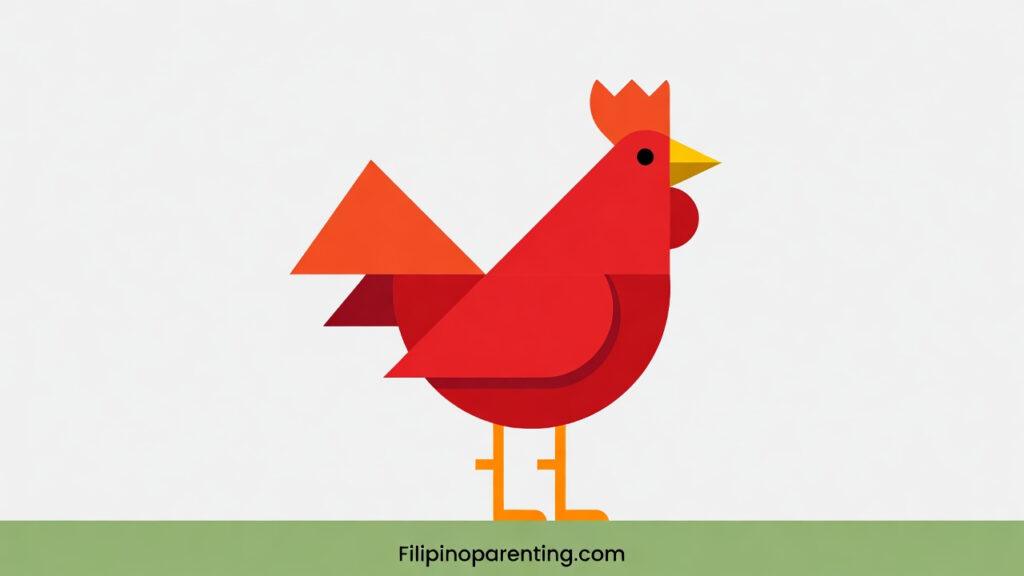
In everyday conversation, Chicken in Tagalog or manok is used for both the animal and food. For instance, when shopping or cooking, people say “bumili ako ng manok” (I bought chicken). This word appears frequently in Filipino recipes, family stories, and even local idioms.
Common Words Related to Manok
To truly master the concept of Chicken in Tagalog, you should also know these specific terms used by families and farmers:
- Sisiw – Chick or Baby Chicken
- Tandang – Rooster or Cock
- Inahin – Laying Hen
- Labuyo – Wild or Native Chicken (a tough, flavorful variety)
- Itlog ng manok – Chicken Egg
- Karne ng Manok – Chicken Meat
If you want to expand your knowledge of other animals found in the Philippine countryside, check out our guide on farm animals in Tagalog or see how it compares to the Cow in Tagalog.
10 Example Sentences Using Manok
Practice these sentences to improve your fluency. These are perfect for parents to use with their families at home:
- Ang manok ay naglalagay ng itlog araw-araw. (The chicken lays eggs every day.)
- Bumili kami ng manok sa palengke para sa adobo. (We bought chicken at the market for adobo.)
- Ang aking lolo ay may maraming manok sa bakuran. (My grandfather has many chickens in the yard.)
- Sisiw ang tawag sa baby chicken sa Tagalog. (Chick is called sisiw in Tagalog.)
- Ang tandang ay sumisigaw tuwing madaling araw. (The rooster crows every early morning.)
- Inihaw namin ang manok sa barbecue party. (We grilled the chicken at the barbecue party.)
- Ang labuyo ay mas matibay kaysa sa ordinaryong manok. (The native chicken is tougher than regular chicken.)
- Huwag kalimutang pakainin ang mga manok bago umalis. (Don’t forget to feed the chickens before leaving.)
- Ang itlog ng manok ay paborito ko sa almusal. (Chicken eggs are my favorite for breakfast.)
- Sa probinsya, maraming pamilya ang nag-aalaga ng manok. (In the province, many families raise chickens.)
Understanding these sentences helps you connect with the Animals in English and Tagalog list effectively.
Cultural Significance of Manok in Filipino Life
Chickens hold a special place in our culture. In many provinces, raising manok is a sign of resourcefulness and providing for the family. From the iconic Chicken Adobo to festive Lechon Manok, this animal is the center of our dinner tables. For more on how these animals fit into the larger ecosystem, read our post on Pig in Tagalog or Rabbit in Tagalog.
To learn more about poultry standards and agriculture in the Philippines, you can visit the the Bureau of Animal Industry.
FAQ
What is the Tagalog word for chicken?
The main word is manok. It applies to both the animal and the meat.
How do you say chick in Tagalog?
It’s sisiw, referring to a baby chicken.
What is a rooster in Tagalog?
Tandang is the common term for a rooster.
How to pronounce manok?
It’s pronounced “ma-nok” with a short ‘o’ sound.
Conclusion
Mastering the word for Chicken in Tagalog is a great stepping stone for any learner. It connects you to the heart of the Filipino home—the kitchen and the backyard. For more vocabulary help, don’t miss our guide on Action Words in Tagalog. Keep practicing and stay culturally proud!