Philippine animals are some of the most unique creatures on the planet, and living as a Filipino family abroad, we cherish this rich heritage. One of the most exciting ways to connect the younger generation with their roots is through exploring these amazing species. These unique creatures highlight the biodiversity of our archipelago, where many species live nowhere else on Earth. From the tiny tarsier with its big eyes to the majestic Philippine eagle, these animals teach us about nature, conservation, and the beauty of our culture.
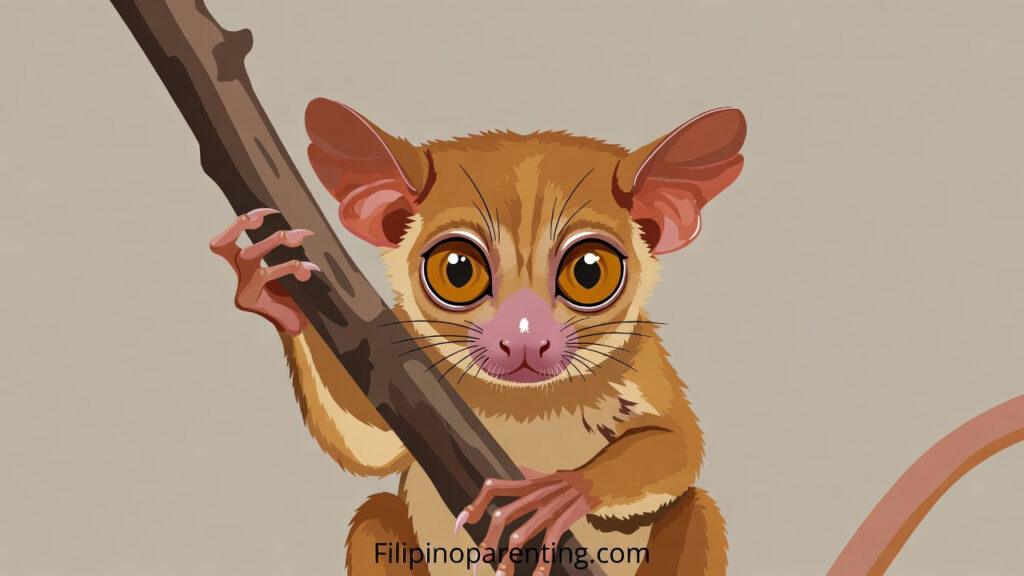
The Philippine tarsier is one of the world’s smallest primates. In this blog post, we explore famous Philippine endemic animals, share their English and Tagalog names, and provide fascinating facts. We include example sentences mixing English and Tagalog to help families practice while learning. Whether you are planning a virtual trip to the Philippines or simply teaching at home, this guide makes learning engaging and educational.
To help your family learn, here is a list of remarkable animals found in the Philippines. We have included the Tagalog names verified for our community:
Philippine Cockatoo (Katala) – A beautiful white bird with a red vent.
Tarsier (Mamag) – A tiny primate with massive eyes.
Eagle Owl (Kuwago) – A powerful nocturnal bird of prey.
Whale Shark (Butanding) – The gentle giant of the sea.
Sailfin Lizard (Bayawak) – A semi-aquatic reptile with a sail-like tail.
Mouse Deer (Pilandok) – A small, shy, hoofed mammal.
Philippine Eagle (Agila/Haribon) – The majestic national bird.
Mindanao Horn Frog (Palakang May Sungay) – A frog with unique horn-like skin.
Rufous Hornbill (Kalaw) – Known as the “clock of the mountains.”
Philippine Dwarf Kingfisher (Kasay-kasay) – A tiny, brightly colored bird.
Forest Turtle (Pagong) – A rare turtle found in the Palawan forests.
Philippine Tamaraw (Tamaraw) – A small, fierce wild buffalo.
Flying Lemur (Kagwang) – A gliding mammal of the southern islands.
Philippine Cobra (Ulupong) – A highly venomous hooded snake.
Sea Cows (Dugong) – Gentle marine mammals that graze on seagrass.
Table of Contents
Why Philippine Animals Are Special: High Endemism and Biodiversity
The Philippines is a biodiversity hotspot with thousands of endemic species. Over half of its terrestrial vertebrates are found only in the country. This uniqueness comes from its island geography, which led to the evolution of distinct animals. This is why we often include them in our zoo animals in Tagalog resources, as they offer a window into a world found nowhere else.
Many Philippine animals face threats like habitat loss, but conservation efforts give hope. Families can support these by teaching the younger generation about them. For example, “Ang Philippine tarsier ay isa sa pinakamaliit na primate sa mundo.” (The Philippine tarsier is one of the smallest primates in the world.)
Another sentence: “We love learning about hayop sa Pilipinas because they remind us of our lola’s stories.” (We love learning about animals in the Philippines because they remind us of our grandma’s stories.) These animals symbolize Filipino resilience, much like the bayanihan spirit we practice. To learn more about how these species fit into the broader ecosystem, you can explore the World Wildlife Fund which documents global conservation priorities.
The Philippine Tarsier: Tiny Nocturnal Marvel
The Philippine tarsier, known as “tarsier” or locally as “mamag” in some areas, is an iconic endemic primate. It has enormous eyes, long fingers, and can rotate its head almost 180 degrees. Adults weigh only about 100-150 grams.
Tarsiers are nocturnal insectivores living in forests of Bohol, Samar, Leyte, and Mindanao. “Nakita namin ang tarsier sa sanctuary, at ang kanyang malalaking mata ay talagang nakakaakit.” (We saw the tarsier at the sanctuary, and its big eyes were really captivating.)
Families often ask, “Ano ang pangalan ng tarsier sa Tagalog?” and I reply, “Ito ay tinatawag na tarsier o mamag.” (What is the name of the tarsier in Tagalog? It is called tarsier o mamag.) Protecting tarsiers helps preserve forest habitats. For a deeper look at primate species and their habitats, the San Diego Zoo Wildlife Alliance provides extensive educational resources. You can find more about these small creatures in our guide to mammals in Tagalog.
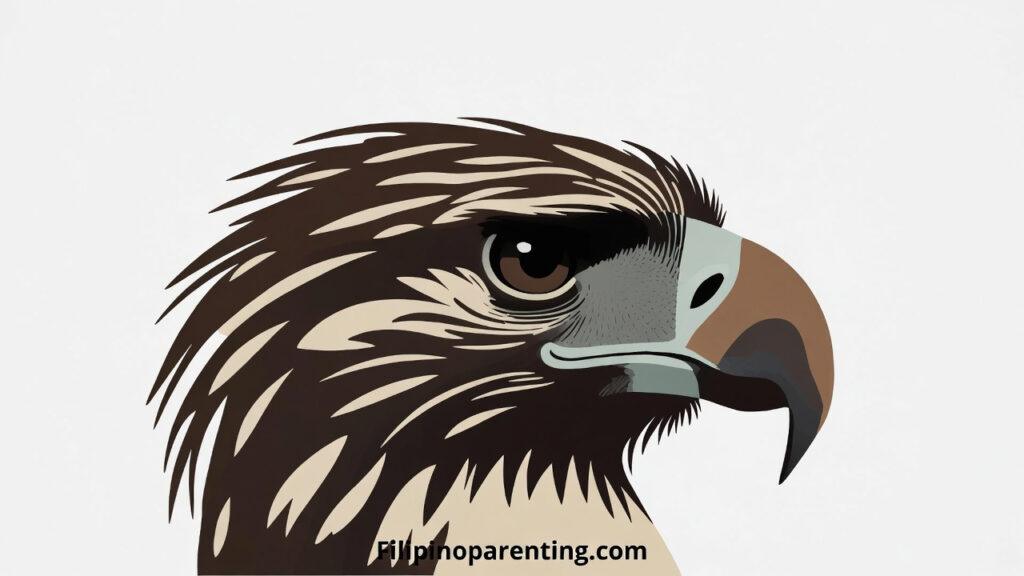
Majestic Birds: Philippine Eagle, Rufous Hornbill, and Philippine Cockatoo
The Philippine eagle, or “agila” (also called haribon or monkey-eating eagle), is one of the largest eagles in the world with a wingspan up to 2 meters. It is critically endangered and endemic to Mindanao and other islands. “Ang Philippine eagle ay simbolo ng lakas at kalayaan ng Pilipinas.” (The Philippine eagle is a symbol of strength and freedom of the Philippines.)
The Rufous hornbill, known as “kalaw,” is a large bird with a colorful beak. The kalaw hornbill makes loud calls that echo through the rainforest. “Sa aming family time, sinasabi namin, ‘Ang kalaw ay maganda at malakas ang boses.'” (In our family time, we say, ‘The kalaw is beautiful and has a loud voice.’) We have compiled many more birds in Tagalog and English for those looking to expand their vocabulary.
The Philippine cockatoo, or “kakawate,” is a white parrot with a yellow crest. It is also threatened. “We teach the younger generation: ‘Huwag nating kalimutan ang Philippine cockatoo, isang endemic bird na kailangan protektahan.'” (We teach the younger generation: ‘Let us not forget the Philippine cockatoo, an endemic bird that needs protection.’)
Reptiles and Amphibians: Sailfin Lizard and Philippine Cobra
The Philippine sailfin lizard, or “bayawak” in some contexts but specifically the sailfin variety, is a semi-aquatic reptile with impressive crests. It lives near rivers and eats plants and insects. “Ang sailfin lizard ay may magandang palikpik na parang layag ng bangka.” (The sailfin lizard has a beautiful fin that looks like a boat sail.)
The Mindanao horn frog is a unique amphibian with horn-like projections. “Learners love hearing: ‘Ang Mindanao horn frog ay kakaiba dahil sa kanyang sungay.'” (Learners love hearing: ‘The Mindanao horn frog is unique because of its horns.’)
The Philippine cobra is a venomous snake, called “ulupong” or “cobra.” “We remind our family: ‘Dapat maging maingat sa Philippine cobra sa kagubatan.'” (We remind our family: ‘We should be careful with the Philippine cobra in the forest.’)
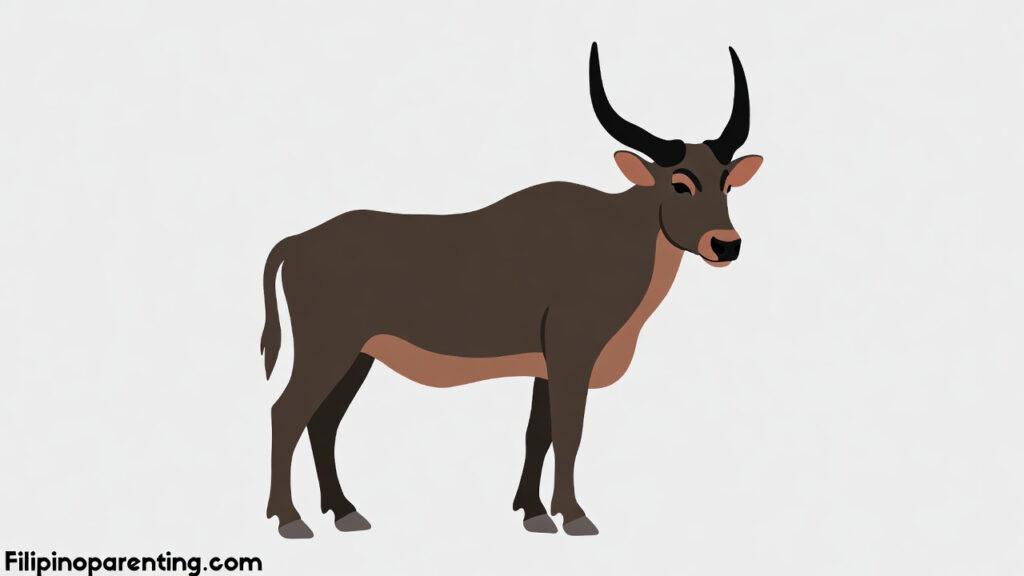
Mammals: Mouse Deer, Tamaraw, and Sea Cows
The Philippine mouse deer, or “pilandok,” is one of the smallest hoofed animals, weighing only 2-3 kg. It is nocturnal and shy. “Ang pilandok o mouse deer ay parang maliit na usa na mabilis tumakbo.” (The pilandok or mouse deer is like a small deer that runs fast.) Our animals in English and Tagalog master list features several of these land-dwelling wonders.
The Philippine tamaraw, known as “tamaraw,” is a dwarf buffalo endemic to Mindoro. “Only a few hundred tamaraw remain, so we must support conservation.” “Ipinapaliwanag namin sa mga bata: ‘Ang tamaraw ay katulad ng kalabaw pero mas maliit at special sa Pilipinas.'” (We explain to the learners: ‘The tamaraw is like a carabao but smaller and special in the Philippines.’)
The sea cow, or dugong, known as “dugong” or “sea cow,” is a gentle marine mammal. “Ang dugong ay kumakain ng seagrass at mahalaga sa karagatan.” (The dugong eats seagrass and is important to the ocean.) Check out our sea animal names word list in Tagalog for more ocean friends.
The whale shark, the gentle giant, is called “butanding” in Tagalog. “Ang butanding ay ang pinakamalaking isda pero hindi siya kumakain ng tao.” (The butanding is the largest fish but it does not eat people.)
Learning Tagalog Through Philippine Animals
Teaching Tagalog with animal names strengthens cultural ties. Here are more example sentences used by families:
- “The Philippine eagle is called agila, and it flies high in the sky.” “Ang agila ay lumilipad nang mataas sa langit.”
- “My learner points to a picture and says, ‘Tingnan mo ang tarsier, ang kanyang mata ay malaki!'” (Look at the tarsier, its eyes are big!)
- “We watch videos of the sailfin lizard and exclaim, ‘Ang ganda ng sailfin lizard sa Pilipinas!'” (How beautiful the sailfin lizard in the Philippines is!)
- “In our home, we read: ‘Ang pilandok ay maliit na hayop na endemic.'” (The pilandok is a small endemic animal.)
- “The Philippine cobra warns with its hood: ‘Mag-ingat sa cobra, ito ay mapanganib.'”
Conservation Efforts for Philippine Animals
Many species are endangered due to deforestation. Organizations protect habitats through sanctuaries and laws. As families, we can contribute by raising awareness. “Conservation starts at home: ‘Kailangan nating protektahan ang ating Philippine animals para sa susunod na henerasyon.'” (We need to protect our Philippine animals for the next generation.)
FAQ: Common Questions About Philippine Animals
What is the Tagalog name for tarsier? It is often called tarsier or mamag in local dialects. “Ano ang Tagalog para sa tarsier? Ito ay tarsier o mamag.”
Is the Philippine eagle endangered? Yes, it is critically endangered. “Ang Philippine eagle ay critically endangered, kaya kailangan ng proteksyon.”
Where can we see whale sharks in the Philippines? In places like Oslob or Donsol. “Saan makikita ang butanding? Sa Oslob o Donsol.”
What is a mouse deer called in Tagalog? It is pilandok. “Ano ang mouse deer sa Tagalog? Pilandok.”
How does the Philippine tamaraw differ from carabao? It is smaller and wild. “Paano naiiba ang tamaraw sa kalabaw? Ito ay mas maliit at ligaw.”
Conclusion: Celebrating Philippine Animals and Our Heritage
Philippine animals represent the incredible natural wealth of our homeland. From the tarsier and Philippine eagle to the whale shark and tamaraw, each one tells a story of survival. By learning their names in both English and Tagalog, families strengthen cultural bonds while fostering love for nature. “Ang ating Philippine animals ay bahagi ng ating identity bilang Filipino.” (Our Philippine animals are part of our identity as Filipinos.) Let us continue teaching the next generation to protect these wonders.