Blog

  • Fun Halloween Tagalog Words for Kids: Easy Home Learning ✅

    Halloween Tagalog Activities for Kids

        Welcome to our special Halloween edition of teaching kids Tagalog using items you can easily find around the house. This post is designed to help Filipino mothers worldwide make learning fun and engaging without breaking the bank.

    Why Use Everyday Items for Learning?

        Learning should be fun and accessible. Using everyday items to teach Tagalog helps children connect the language with their daily lives, making it more meaningful and memorable.

    Item 1: Paniki – Bat

    Toy bat for learning the Tagalog word 'paniki'

        Start with simple items like a toy bat. You can use the Tagalog word “paniki” and spell it out with wooden letters. Your child can even practice writing the word while learning the pronunciation.

    Item 2: Multo – Ghost

    Toy ghost for teaching the Tagalog word 'multo'

        Another item could be a toy ghost. You can introduce the Tagalog word “multo” and have your child practice spelling it out. This is a fun way to learn about Halloween vocabulary in Tagalog.

    Item 3: Pusa – Cat

    Toy cat for learning the Tagalog word 'pusa'

        Continue with other items such as a toy cat. You can use the Tagalog word “pusa” and engage your child in spelling it out. This can be a great opportunity to teach them about different animals in Tagalog.

    Item 4: Kalabasa – Pumpkin

    Toy pumpkin for teaching the Tagalog word 'kalabasa'

        Finally, use an item like a toy pumpkin. You can use the Tagalog word “kalabasa” and have your child spell it out with wooden letters. This can be a fun way to introduce them to Halloween traditions in the Philippines.

    Making it Fun and Engaging

        To make this activity even more engaging, you can turn it into a game or a treasure hunt. Hide the items around the house and have your child find them while practicing their Tagalog vocabulary.

    Tagalog Words We Learned!

    • Paniki 🦇 – Bat
    • Multo 👻 – Ghost
    • Pusa 🐈 – Cat
    • Kalabasa 🎃 – Pumpkin

    Conclusion

        Teaching kids Tagalog during Halloween doesn’t have to be expensive or complicated. By using everyday items and a bit of creativity, you can make learning a fun and memorable experience for your child.

  • Celebrating Thanksgiving with a Filipino Twist: A Comprehensive Guide✅

    Celebrating Thanksgiving with a Filipino Twist: A Comprehensive Guide✅

    Celebrating Thanksgiving with a Filipino Twist: A Comprehensive Guide

    body {
    font-family: Arial, sans-serif;
    margin: 0;
    padding: 0;
    line-height: 1.6;
    color: #333;
    background-color: #f9f9f9;
    }
    .container {
    max-width: 800px;
    margin: auto;
    padding: 20px;
    }
    .separator {
    clear: both;
    text-align: center;
    margin-bottom: 20px;
    }
    .separator img {
    margin-left: 1em;
    margin-right: 1em;
    border-radius: 10px;
    box-shadow: 0 0 10px rgba(0, 0, 0, 0.1);
    }
    h1, h2, h3 {
    color: #2c3e50;
    margin-bottom: 10px;
    }
    h1 {
    font-size: 36px;
    }
    h2 {
    font-size: 24px;
    }
    ul {
    list-style-type: none;
    padding: 0;
    margin: 0;
    }
    li {
    margin-bottom: 10px;
    }
    .tips-section, .conclusion-section {
    background-color: #f7f7f7;
    padding: 20px;
    border-radius: 10px;
    box-shadow: 0 0 10px rgba(0, 0, 0, 0.1);
    margin-bottom: 20px;
    }
    .responsive-table {
    width: 100%;
    border-collapse: collapse;
    }
    .responsive-table th, .responsive-table td {
    border: 1px solid #ddd;
    padding: 10px;
    text-align: left;
    word-break: keep-all; /* Prevent words from being split across lines */
    }
    .responsive-table th {
    background-color: #f0f0f0;
    }
    .responsive-table tr:nth-child(even) {
    background-color: #f9f9f9;
    }
    .responsive-table tr:hover {
    background-color: #eee;
    }
    @media (max-width: 600px) {
    .responsive-table {
    font-size: 14px;
    }
    }

    Celebrating Thanksgiving with a Filipino Twist: A Comprehensive Guide

    Celebrating Thanksgiving with a Filipino Twist

    History of Thanksgiving

    Thanksgiving Day has its roots in American history, dating back to 1621 when European colonizers and Native Americans came together to share a harvest feast. Today, it’s a federal holiday celebrated on the fourth Thursday of November, where families and friends gather to express gratitude and enjoy good food.

    Celebrating Thanksgiving with a Filipino Twist

    Significance to Filipinos

    While Thanksgiving isn’t a traditional Filipino Holiday, it’s a great opportunity for Filipinos in the USA to reflect on their own personal blessings and express gratitude and love for others through sharing and giving. In the Philippines, we have our own harvest festivals like Pista sa Ani or Anihan Festival which celebrates the bounty of the land. Thanksgiving is a chance to blend our heritage with our adopted culture and create new traditions.

    Celebrating Thanksgiving with a Filipino Twist

    Tips for Celebrating Thanksgiving with Tagalog Flair

    • Invite family and friends over for a traditional Filipino feast or Fiesta, complete with Pinoy dishes like adobo, sinigang, and lechon.
    • Use Tagalog phrases like “Salamat sa iyong pagdalo” (Thank you for coming.) and “Mabuhay ang Araw ng Pagpapasalamat!” (Long live Thanksgiving Day!).
    • Decorate your table with a centerpiece featuring Filipino National Symbols like the jeepney, tarsier, or Mayon Volcano.
    Celebrating Thanksgiving with a Filipino Twist

    Essential Tagalog Words and Phrases

    • Araw ng Pagpapasalamat (Thanksgiving Day)
    • Salamat. (Thanks.)
    • Salamat sa iyo. (Thank you.)
    Celebrating Thanksgiving with a Filipino Twist

    Conclusion

    Thanksgiving is a time to express gratitude, share joy, and create new traditions. By incorporating Tagalog words and phrases into your celebration, you’ll add a unique touch to your festivities and connect with your Filipino heritage. So go ahead, invite your loved ones over, and let’s give thanks with a Filipino twist Mabuhay ang Araw ng Pagpapasalamat!

    Traditional Filipino Dishes for Thanksgiving

    Dish Name Description
    Adobo A classic Filipino stew made with chicken or pork, vinegar, soy sauce, and spices.
    Sinigang A sour soup made with various vegetables and proteins like pork, shrimp, or fish.
    Lechon A whole roasted pig slow-cooked over charcoal, often served on special occasions.

    If you found this guide helpful, please share it with your friends and family..

  • Learn Tagalog Words for Food: A Comprehensive Guide✅

    Learn Tagalog Words for Food: A Comprehensive Guide✅

    Tagalog Words for Food: A Comprehensive Guide to Filipino Cuisine

    body {
    font-family: ‘Arial’, sans-serif;
    line-height: 1.6;
    color: #333;
    max-width: 800px;
    margin: 0 auto;
    padding: 20px;
    background-color: #f9f9f9;
    }

    h1, h2, h3 {
    color: #2c3e50;
    text-align: center;
    margin-top: 30px;
    margin-bottom: 20px;
    }

    .separator {
    text-align: center;
    margin-bottom: 30px;
    }

    img {
    max-width: 100%;
    height: auto;
    border-radius: 8px;
    box-shadow: 0 4px 8px rgba(0,0,0,0.1);
    }

    table {
    width: 100%;
    border-collapse: collapse;
    margin-bottom: 30px;
    background-color: #fff;
    box-shadow: 0 2px 4px rgba(0,0,0,0.1);
    border-radius: 8px;
    overflow: hidden;
    }

    th, td {
    text-align: left;
    padding: 12px;
    border-bottom: 1px solid #e0e0e0;
    word-break: keep-all; /* Prevent words from being split across lines */
    }

    th {
    background-color: #3498db;
    color: white;
    font-weight: bold;
    }

    tr:nth-child(even) {
    background-color: #f2f2f2;
    }

    tr:hover {
    background-color: #e6f3ff;
    }

    p {
    text-align: justify;
    }

    .tips, .conclusion {
    background-color: #e8f6f3;
    padding: 20px;
    border-radius: 8px;
    margin-top: 30px;
    }

    .tips h3, .conclusion h3 {
    color: #16a085;
    }

    /* Responsive Table Styling */
    @media (max-width: 600px) {
    table {
    font-size: 14px; /* Reduce font size for better mobile readability */
    }

    th, td {
    padding: 8px; /* Reduce padding for smaller screens */
    }
    }

    Tagalog Words for Food: A Comprehensive Guide to Filipino Cuisine

    Tagalog Words For Foods

    Are you looking to expand your culinary vocabulary and explore the delicious world of Filipino cuisine? Look no further! This comprehensive guide will equip you with the essential Tagalog words for food, helping you navigate menus, understand recipes, and impress your Filipino friends and family.

    Unveiling the Flavorful World of Filipino Food

    Filipino food is known for its vibrant flavors, diverse ingredients, and hearty portions. From savory adobo to refreshing halo-halo, there’s a dish for every palate. To truly appreciate the richness of Filipino cuisine, understanding the language of food is key.

    Essential Tagalog Food Vocabulary

    Here’s a curated list of 32 common Tagalog words for food, categorized for your convenience:

    No. English Tagalog
    1 Food Pagkain
    2 Bread Tinapay
    3 Breakfast Almusal
    4 Lunch Pananghalian
    5 Dinner Hapunan
    6 Cheese Keso
    7 Egg Itlog
    8 Fish Isda
    9 Soup Sabaw
    10 Meat Karne
    11 Sugar Asukal
    12 Dairy Pagkaing gawa sa gatas
    13 Butter Mantikilya
    14 Ham Hamon
    15 Fruit Prutas 🍎🍇🍓
    16 Vegetable Gulay 🥦🥕🥬
    17 Cake Keyk 🍰
    18 Chocolate Tsokolate 🍫
    19 Flour Harina
    20 Salt Asin
    21 Pepper Paminta
    22 Vanilla Banilya
    23 Bun Pandesal
    24 Candy Kendi 🍬🍭
    25 Mustard Mustasa
    26 Soy sauce Toyo
    27 Ketchup Ketsap
    28 Snack Merienda
    29 Pickle Atsara
    30 Jelly Gulaman
    31 Dried fruit Tuyong prutas
    32 Oyster Talaba

    Putting Your Tagalog Food Knowledge to Work

    Now that you’ve learned some basic Tagalog food words, let’s put them into practice with some example phrases:

    English Tagalog
    I am cooking beef stew. Ako ay nagluluto ng nilagang baka.
    I eat bread for breakfast. Ako ay kumakain ng tinapay para sa almusal.
    I like eating a hot bun with butter. Gusto kong kumain ng mainit na pandesal na may mantikilya.
    I like cooking with butter. Ako ay mahilig magluto gamit ang mantikilya.
    I like to eat cheese and bread. Gusto kong kumain ng keso at tinapay.
    I am cooking fried chicken for dinner. Ako ay nagluluto ng pritong manok para sa hapunan.
    I cooked eggs for breakfast. Ako ay nagluto ng itlog para sa almusal.
    I buy fresh fish at the market. Ako ay bumibili ng sariwang isda sa palengke.
    I like to eat healthy food. Gusto kong kumain ng masusustansyang pagkain.
    Fruits are nutritious and delicious. Ang mga prutas ay masustansya at malinamnam.

    Tips for Mastering Tagalog Food Vocabulary

    Unlocking the Language of Filipino Cuisine

    • Immerse yourself: Practice using the Tagalog words for food in your daily conversations. The more you use them, the better you’ll remember them.
    • Visual learning: Watch Filipino cooking shows or videos. Not only will you learn new words and phrases, but you’ll also get a glimpse into the cultural context of Filipino cuisine.
    • Cook your way to fluency: Read Filipino recipes and cookbooks. This is a fun and practical way to expand your vocabulary and learn about different Filipino dishes.
    • Utilize learning tools: Use flashcards, apps, or online resources to help you memorize the words and phrases. Repetition is key!

    Embark on a Culinary Adventure

    A Delicious Journey Awaits

    Learning Tagalog words for food can be a rewarding experience, opening doors to new culinary adventures and deeper connections with Filipino culture. With this comprehensive guide as your companion, you’re equipped to navigate the world of Filipino cuisine with confidence. So go ahead, explore the flavors, expand your vocabulary, and enjoy the delicious journey!

  • Tagalog Poetry: Celebrating Filipino Culture & Nature ✅

    Tagalog Poetry: Celebrating Filipino Culture & Nature ✅

    Tula Tungkol sa Wikang Pilipino

    body {
    font-family: ‘Arial’, sans-serif;
    line-height: 1.6;
    margin: 20px;
    background-color: #f4f4f4;
    color: #333;
    }

    h1, h2 {
    color: #333;
    }

    h1 {
    font-size: 2.5em;
    margin-bottom: 1em;
    text-align: center;
    }

    h2 {
    font-size: 1.8em;
    margin-bottom: 0.8em;
    }

    p {
    font-size: 1em;
    margin-bottom: 1em;
    text-align: justify;
    }

    a {
    color: #007bff;
    text-decoration: none;
    }

    a:hover {
    text-decoration: underline;
    }

    img {
    max-width: 100%;
    height: auto;
    display: block;
    margin: 0 auto 20px;
    border-radius: 8px;
    box-shadow: 0 2px 5px rgba(0, 0, 0, 0.1);
    }

    table {
    width: 100%;
    max-width: 600px;
    margin: 20px auto;
    border-collapse: collapse;
    border-radius: 8px;
    overflow: hidden;
    box-shadow: 0 2px 5px rgba(0, 0, 0, 0.1);
    }

    th, td {
    padding: 12px 15px;
    text-align: left;
    border-bottom: 1px solid #ddd;
    }

    th {
    background-color: #f0f0f0;
    font-weight: bold;
    }

    tbody tr:nth-child(even) {
    background-color: #f9f9f9;
    }

    tbody tr:hover {
    background-color: #e9ecef;
    }

    ul {
    margin-bottom: 1em;
    }

    li {
    margin-bottom: 0.5em;
    }

    .separator {
    margin: 30px 0;
    }

    .highlight {
    background-color: #f0f8ff;
    padding: 20px;
    border-radius: 8px;
    }

    /* Responsive Design */
    @media screen and (max-width: 600px) {
    body {
    margin: 10px;
    }

    h1 {
    font-size: 2em;
    }

    h2 {
    font-size: 1.5em;
    }

    table {
    font-size: 0.9em;
    }
    }

    Tula Tungkol sa Wikang Pilipino

    Anyong Tubig Sa Pilipinas

    Wikang Filipino: Bandila at Lupang Tinubuan

    Poem Vocabulary

    Here’s a list of common words for “Poem” in Tagalog, and related concepts:

    English Tagalog Emoji
    Poem Tula 📝
    Literature Literatura 📚
    Philippines Pilipinas 🇵🇭
    Language Wika 💬
    Water Tubig 🌊
    Landscape Tanawin 🏞️
    Love Pag-ibig ❤️
    Nature Kalikasan 🌿
    Mountain Bundok 🏔️
    Sunset Paglubog ng Araw 🌅

    Poem Writing Tips

    • Use National Themes: Incorporate themes that celebrate Filipino culture, history, and national identity.
    • Employ Metaphors and Similes: Use metaphors and similes to add depth and beauty to your poems, such as comparing the language to fire, water, or light.
    • Focus on Emotional Expression: Express your feelings and thoughts clearly, using the richness of the Filipino language to convey emotions effectively.
    • Experiment with Different Forms: Explore various poetic forms like haiku, tanaga, and free verse to enhance your creativity.
    • Read Filipino Poetry: Study the works of renowned Filipino poets to learn their styles and techniques. This will help you develop your own voice and style.
    • Practice Regularly: Consistent writing is key to improving your craft. Write poems regularly, even if they are just short pieces, to refine your skills.
    • Share Your Work: Share your poems with friends, family, or online communities to receive feedback and gain inspiration.

    Celebrating Filipino Language

    Writing poems in Tagalog is a beautiful way to celebrate the Filipino language. It allows us to express our love for our culture and heritage through words. When we write in Tagalog, we connect with our roots, our history, and our identity. Through poetry, we can share our stories, emotions, and experiences with the world, showcasing the richness and beauty of our language.

    Poem Vocabulary Here's a list of common words for "Poem" in Tagalog, and related concepts:

    Filipino Culture

    Filipino culture is vibrant and diverse, and poetry plays a significant role in preserving and expressing its essence. From the traditional “tanaga” to modern free verse, Filipino poetry reflects the nation’s history, beliefs, and values. It celebrates the beauty of the natural world, the strength of the Filipino spirit, and the importance of family and community.

    Poetry serves as a powerful tool for understanding and appreciating the richness of Filipino culture. It allows us to delve into the hearts and minds of our ancestors, to connect with the present, and to envision the future. By embracing the beauty and power of Tagalog poetry, we contribute to the preservation and promotion of our cultural heritage.

  • Filipino Fruits & Vegetables: Tagalog Names & Guide (Complete List) ✅

    Filipino Fruits & Vegetables: Tagalog Names & Guide (Complete List) ✅

    Filipino Fruits and Vegetables in Tagalog: A Comprehensive Guide

    body {
    font-family: Arial, sans-serif;
    margin: 0;
    padding: 0;
    line-height: 1.6;
    color: #333;
    background-color: #f9f9f9;
    }
    h1, h2, h3 {
    color: #444;
    }
    h1 {
    font-size: 36px;
    margin-bottom: 10px;
    }
    h2 {
    font-size: 24px;
    margin-top: 20px;
    margin-bottom: 10px;
    }
    .container {
    max-width: 800px;
    margin: auto;
    padding: 20px;
    }
    .image-container {
    text-align: center;
    margin-bottom: 20px;
    }
    .image-container img {
    max-width: 100%;
    height: auto;
    border-radius: 5px;
    box-shadow: 0 0 10px rgba(0, 0, 0, 0.1);
    }
    ul {
    list-style: none;
    padding: 0;
    margin: 0;
    }
    li {
    margin-bottom: 10px;
    }
    .tips-section, .conclusion-section {
    background-color: #f0f0f0;
    padding: 20px;
    border-radius: 5px;
    margin-bottom: 20px;
    }
    table {
    width: 100%;
    border-collapse: collapse;
    margin-bottom: 20px;
    }
    th, td {
    border: 1px solid #ddd;
    padding: 10px;
    text-align: left;
    }
    th {
    background-color: #f0f9ff;
    }
    tr:nth-child(even) {
    background-color: #f9f9f9;
    }
    tr:hover {
    background-color: #f2f2f2;
    }
    @media (max-width: 768px) {
    .container {
    padding: 10px;
    }
    .image-container img {
    width: 100%;
    }
    }

    Filipino Fruits and Vegetables in Tagalog: A Comprehensive Guide

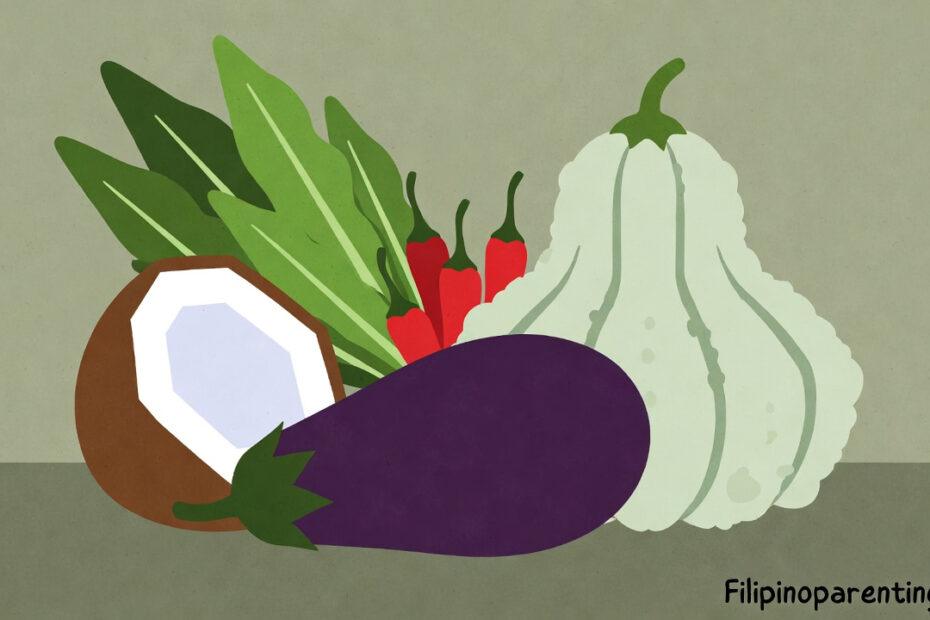
    Filipino vegetables

    Introduction

    The Philippines is home to a diverse array of delicious fruits and vegetables, many of which are integral to Filipino cuisine. This guide will help you navigate local markets and menus by providing the Tagalog names for common produce.

    Vegetables (Mga Gulay)

    Vegetable (English) Tagalog Name
    Bitter Gourd Ampalaya
    Eggplant Talong
    String Beans Sitaw
    Squash Kalabasa
    Okra Okra
    Tomato Kamatis
    Garlic Bawang
    Onion Sibuyas
    Ginger Luya
    Sweet Potato Kamote
    Potato Patatas
    Cabbage Repolyo
    Chayote Sayote
    Bottle Gourd Upo
    Sponge Gourd Patola
    Winged Beans Sigarilyas
    Moringa Leaves Malunggay
    Water Spinach Kangkong
    Jute Leaves Saluyot
    Radish Labanos
    Broccoli Brokuli
    Filipino fruits

    Fruits (Mga Prutas)

    Fruit (English) Tagalog Name
    Mango Mangga
    Banana Saging
    Pineapple Pinya
    Papaya Papaya
    Coconut Niyog
    Guava Bayabas
    Jackfruit Langka
    Soursop Guyabano
    Custard Apple Atis
    Durian Durian
    Rambutan Rambutan
    Lanzones Lansones
    Star Apple Kaimito
    Pomelo Suha
    Watermelon Pakwan
    Avocado Abokado
    Tamarind Sampalok
    Cotton Fruit Santol
    Calamansi Kalamansi
    Starfruit Balimbing

    Additional Resources

    Learn more about Filipino Fruits and Vegetable recipes and Pinoy cuisine.

    Explore the different regions of the Philippines and their unique produce.

    Get tips on how to grow your own fruits and vegetables in our gardening section.

    Discover the health benefits of fruits and vegetables.

    Tips for Using This Guide

    • Use this guide to navigate local markets and menus with ease.
    • Try incorporating Filipino fruits and vegetables into your recipes.
    • Explore different regions of the Philippines to discover unique produce.

    Conclusion

    Knowing the Tagalog names for common fruits and vegetables will enrich your experience of Filipino cuisine. Whether you’re shopping at a market, ordering at a restaurant, or trying to recreate Filipino recipes at home, this guide will be a valuable resource.

  • Tagalog Greetings: Learn Essential Filipino Phrases for Daily Conversations ✅

    Tagalog Greetings: Learn Essential Filipino Phrases for Daily Conversations ✅

    /* Global Styles */
    body {
    font-family: Arial, sans-serif;
    margin: 0;
    padding: 0;
    }

    /* Container Styles */
    .container {
    max-width: 800px;
    margin: 0 auto;
    padding: 20px;
    }

    /* Header Styles */
    .header {
    background-color: #1b90bb;
    color: #FFFFFF;
    padding: 10px;
    text-align: center;
    }

    /* Footer Styles */
    .footer {
    background-color: #1b90bb;
    color: #FFFFFF;
    padding: 10px;
    text-align: center;
    clear: both;
    }

    /* Table Styles */
    table {
    border-collapse: collapse;
    margin: 0 auto;
    padding: 0px;
    table-layout: fixed;
    min-width: 100%;
    }

    table th {
    text-align: center;
    padding: 8px;
    border: 1px solid #000000;
    background: #1b90bb;
    color: #FFFFFF;
    font-weight: bold;
    text-align: center;
    }

    table td {
    padding: 8px;
    border: 1px solid #000000;
    }

    table tr {
    background-color: #dddddd;
    color: #000000;
    text-align: left;
    }

    table tr:nth-child(even) {
    background-color: #f2f2f2;
    }

    table tr:hover {
    background-color: #e5e5e5;
    }

    /* Responsive Table Styles */
    @media screen and (max-width: 600px) {
    table {
    border-collapse: collapse;
    margin: 0 auto;
    padding: 0px;
    table-layout: fixed;
    min-width: 100%;
    }

    table td {
    padding: 8px;
    border: 1px solid #000000;
    display: block;
    text-align: right;
    width: 100%9;
    float: left9;
    }

    table tr {
    background-color: #dddddd;
    color: #000000;
    text-align: right;
    margin: 8px;
    }

    table tr:first-child {
    display: none;
    }

    table tr {
    display: block;
    }

    table td:not(:first-child) {
    border-top: 0px;
    }

    table .mobile-head {
    font-weight: bold;
    color: #000000;
    float: left;
    text-align: left;
    display: block;
    }
    }

    /* Image Styles */
    img {
    max-width: 100%;
    height: auto;
    margin: 0 auto;
    display: block;
    pointer-events: none; /* Prevent images from being clickable */
    }

    /* Tips and Conclusion Styles */
    .tips, .conclusion {
    background-color: #f7f7f7;
    padding: 10px;
    border-radius: 5px;
    box-shadow: 0 0 5px rgba(0,0,0,0.1);
    }

    /* Text Justification */
    .content {
    text-align: justify;
    }

    Tagalog Greetings: Learn Essential Filipino Phrases for Daily Conversations

    Introduction to Tagalog Greetings

    In the Philippines, greetings are a crucial part of the culture and are known as Mga Pagbati in Tagalog. Here, you will learn the essential vocabulary and phrases to help you communicate effectively in Tagalog.

    Basic Greetings

    Here are some basic greetings in Tagalog:

    English Tagalog
    Hello Kumusta? / Musta?
    How are you? Kumusta ka?
    Good morning. Magandang umaga!
    Good afternoon. Magandang hapon!
    Good evening. Magandang gabi!

    Formal Greetings

    When speaking to elders or in formal situations, you can use these phrases:

    English Tagalog
    Respectful greeting to elders Mano po.
    How are you, sir/ma’am? Kumusta po kayo?

    Informal Greetings

    For casual conversations with friends or peers:

    English Tagalog
    Hi, How are you? Hi, Kamusta ka na?
    What’s new? Anong balita?

    Time-Specific Greetings

    Greetings specific to the time of day:

    English Tagalog
    Good noon! Magandang tanghali!
    Good day! Magandang araw!

    Goodbyes

    Ways to bid farewell:

    English Tagalog
    Goodbye! Paalam!
    Until next time! Hanggang sa muli!
    Bye! Babay!

    Polite Expressions

    Polite expressions and their importance in Filipino culture:

    English Tagalog
    Thank you. Salamat
    Yes, Sir/Ma’am. Opo, Sir/Ma’am.
    Respectful Po

    Greetings Example Phrases

    English Tagalog
    How are you today? Kumusta ka ngayon?
    Thank you for your support. Salamat sa iyong suporta.
    Goodbye, My Love. Paalam na aking Mahal.
    Take Care Always. Mag-ingat ka lagi.
    Happy Birthday to you. Maligayang Kaarawan sa iyo.
    I’m sorry for what I have done. Patawad dahil sa aking ginawa.
    You look beautiful in purple dress. Maganda kang tignan sa bestida na kulay lila.

    Tips for Learning Tagalog Greetings

    • Practice Regularly: Practice your greetings daily to improve your pronunciation and fluency.
    • Use in Context: Try to use these greetings in real-life conversations to make them more memorable.
    • Learn from Native Speakers: Listen to native speakers to get the correct pronunciation and intonation.

    Conclusion

    Learning Tagalog greetings is a great way to connect with the Filipino culture and people. By using these phrases, you can show respect and build stronger relationships. Remember, practice makes perfect, so keep practicing and enjoy your journey in learning Tagalog!

    Greetings in Tagalog
  • Tagalog Color Names: English to Tagalog Translation Guide ✅

    Tagalog Color Names: English to Tagalog Translation Guide ✅

    Tagalog Color Names: English to Tagalog Translation Guide

    body {
    font-family: Arial, sans-serif;
    line-height: 1.6;
    color: #333;
    background-color: #f9f9f9;
    margin: 0;
    padding: 0;
    }
    h1, h2, h3 {
    color: #2c3e50;
    }
    h1 {
    font-size: 36px;
    }
    h2 {
    font-size: 24px;
    }
    .container {
    max-width: 800px;
    margin: auto;
    padding: 20px;
    background-color: #fff;
    box-shadow: 0 0 10px rgba(0, 0, 0, 0.1);
    border-radius: 10px;
    }
    .separator {
    clear: both;
    text-align: center;
    margin-bottom: 20px;
    }
    img {
    max-width: 100%;
    height: auto;
    display: block;
    margin: auto;
    }
    table {
    width: 100%;
    border-collapse: collapse;
    margin-bottom: 20px;
    }
    th, td {
    border: 1px solid #ddd;
    padding: 10px;
    text-align: left;
    }
    th {
    background-color: #f0f0f0;
    }
    tr:nth-child(even) {
    background-color: #f9f9f9;
    }
    tr:hover {
    background-color: #f2f2f2;
    }
    .tips, .conclusion {
    background-color: #dff0d8;
    padding: 10px;
    border-radius: 10px;
    margin-bottom: 20px;
    }
    .tips h3, .conclusion h3 {
    margin-top: 0;
    }
    @media (max-width: 768px) {
    .container {
    padding: 10px;
    }
    }

    Tagalog Color Names: English to Tagalog Translation Guide

    Introduction

    Colors are an essential part of our daily lives, and learning their names in different languages can be a fun and rewarding experience. In this article, we’ll explore the world of colors in Tagalog, the national language of the Philippines. Whether you’re a language learner, a culture enthusiast, or simply someone who loves colors, this guide is perfect for you.

    Colors in Tagalog

    Basic Colors in Tagalog

    1. Itim (black)
    2. Puti (white)
    3. Dilaw (yellow)
    4. Bughaw (blue, specifically the color of the sky)
    5. Asul (blue, from Spanish)
    6. Luntian (green, specifically foliage like grass)
    7. Berde (green, from Spanish)
    8. Pula (red)
    9. Biyoleta / Lila (violet / purple)

    Additional Colors in Tagalog

    1. Kulay-abo (gray, ash-colored)
    2. Kulay-dalandan (orange, tangerine-colored)
    3. Kayumanggi (brown)
    4. Kulay-tsokolate (brown, chocolate-colored)
    5. Ginto (gold)
    6. Pilak (silver)
    7. Tanso (bronze)

    Colorful Expressions in Tagalog

    In Tagalog, colors are not just used to describe objects, but also to express emotions and ideas. For example:

    • Kulay ng buhay (color of life) means “vibrant” or “full of life.”
    • Kulay ng pag-asa (color of hope) means “a glimmer of hope.”
    • Kulay ng kaligayahan (color of happiness) means “joyful” or “happy.”

    Using Colors in Sentences

    Here are some examples of using colors in Tagalog sentences:

    • Ang bahay ko ay pula. (My house is red).
    • Ang langit ay bughaw. (The sky is blue).
    • Ang luntian na halaman ay maganda. (The green plants are beautiful).

    Tips for Learning Tagalog Colors

    • Practice using the colors in sentences.
    • Use flashcards to memorize the color names.
    • Watch Filipino videos or TV shows to hear the colors in context.

    Conclusion

    Learning the names of colors in Tagalog is a great way to appreciate the beauty of the Filipino language and culture. Whether you’re a beginner or an advanced learner, this guide has provided you with a comprehensive list of colors in Tagalog. So, go ahead and explore the world of colors in Tagalog, and discover the beauty of the Filipino language.

    Additional Resources

    If you want to learn more about the Filipino language and culture, here are some additional resources:

    We hope you enjoyed this article on Tagalog color names. Don’t forget to share this post with your friends!

  • National Symbols of the Philippines: A Tagalog Vocabulary Guide ✅

    National Symbols of the Philippines: A Tagalog Vocabulary Guide ✅

    National Symbols of the Philippines: A Tagalog Vocabulary Guide

    body {
    font-family: ‘Arial’, sans-serif;
    line-height: 1.6;
    margin: 0;
    padding: 20px;
    color: #333;
    background-color: #f4f4f4;
    text-align: justify;
    }
    h1, h2, h3 {
    color: #1a5f7a;
    }
    table {
    border-collapse: collapse;
    width: 100%;
    margin: 20px auto;
    border-radius: 8px;
    box-shadow: 0 4px 8px rgba(0, 0, 0, 0.1);
    overflow: hidden; /* Ensures rounded corners on the table */
    }
    th, td {
    border: 1px solid #ddd;
    padding: 12px;
    text-align: left;
    word-break: keep-all; /* Prevents words from being split across lines */
    }
    th {
    background-color: #f2f2f2;
    }
    tr:nth-child(even) {
    background-color: #f7f7f7;
    }
    tr:hover {
    background-color: #e7e7e7;
    }
    .example {
    background-color: #fff;
    padding: 15px;
    border-left: 4px solid #1a5f7a;
    margin-bottom: 15px;
    border-radius: 8px;
    box-shadow: 0 2px 4px rgba(0, 0, 0, 0.1);
    }
    .tips, .conclusion {
    background-color: #fff;
    padding: 20px;
    border-radius: 8px;
    box-shadow: 0 4px 8px rgba(0, 0, 0, 0.1);
    margin-bottom: 20px;
    }
    img {
    max-width: 100%;
    height: auto;
    display: block; /* Prevents image from overflowing its container */
    margin: 20px auto; /* Centers the image */
    border-radius: 8px; /* Adds rounded corners to the image */
    box-shadow: 0 4px 8px rgba(0, 0, 0, 0.1); /* Adds a subtle shadow to the image */
    }
    @media screen and (max-width: 600px) {
    table {
    font-size: 14px;
    }
    th, td {
    padding: 8px;
    }
    .example {
    font-size: 14px;
    padding: 10px;
    }
    }

    National Symbols of the Philippines: A Tagalog Vocabulary Guide

    Learning Tagalog? Deepen your understanding of Filipino culture by exploring the “Mga Simbolo ng Bansang Pilipinas” – the National Symbols of the Philippines. This guide provides the Tagalog vocabulary and example phrases to boost your language skills.

    National Symbols of the Philippines

    National Symbols Vocabulary Table

    English Tagalog Description
    National Bird Pambansang Ibon Agila (Eagle)
    National Fruit Pambansang Prutas Mangga (Mango)
    National Animal Pambansang Hayop Kalabaw (Carabao)
    National Flower Pambansang Bulaklak Sampaguita (Jasmine)
    National Tree Pambansang Puno Narra
    National Anthem Pambansang Awit Lupang Hinirang (Land of the Morning)
    National Dish Pambansang Ulam Adobo
    National Fish Pambansang Isda Bangus (Milkfish)
    National Food Pambansang Pagkain Litson (Lechon)
    National Hero Pambansang Bayani Dr. Jose P. Rizal
    National Leaf Pambansang Dahon Anahaw (Footstool Palm)
    National Dance Pambansang Sayaw Tinikling (Bamboo Dance)
    National House Pambansang Tirahan Bahay Kubo (Nipa Hut)
    National Sport Pambansang Laro Arnis (Stick Fighting)
    National Costume (Men) Pambansang Kasuotan ng Lalaki Barong Tagalog
    National Costume (Women) Pambansang Kasuotan ng Babae Baro’t Saya
    National Vehicle Pambansang Sasakyan Kalesa (Horse Carriage)
    National Language Pambansang Wika Wikang Filipino (Filipino Language)
    National Footwear Pambansang Sapin sa Paa Bayka (Clog)
    National Symbol Pambansang Sagisag Watawat ng Pilipinas (Philippine Flag)
    National Capital Pambansang Kapital Maynila (Manila)
    National Gem Pambansang Hiyas Perlas ng Pilipinas (South Sea Pearl)

    Example Phrases in Tagalog:

    Ang kalabaw ay kumakain sa damuhan. (The water buffalo is grazing at the meadow.)

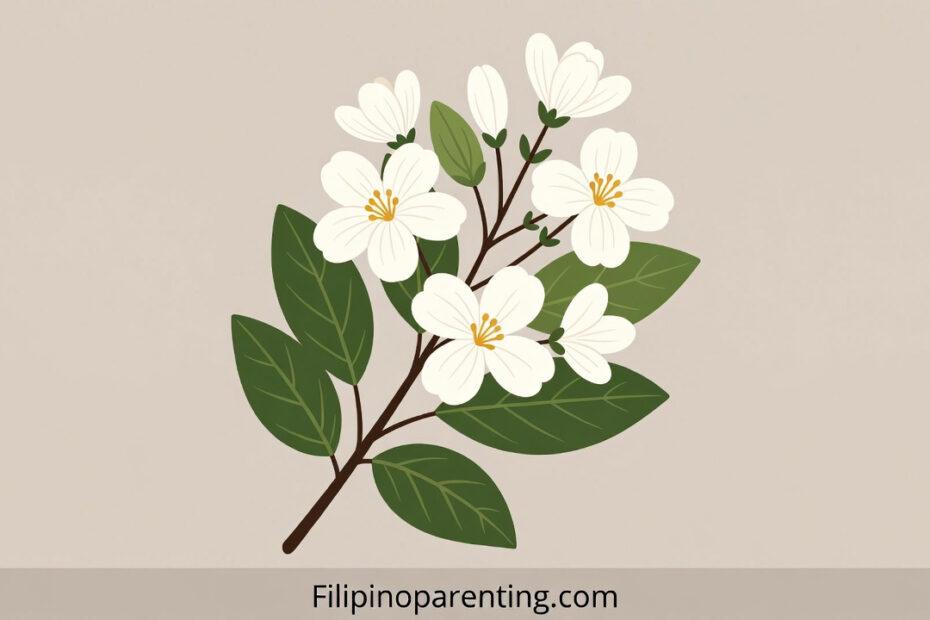
    Ang mga bulaklak ng sampaguita ay puti at may mabangong amoy. (The jasmine flowers are white and sweet-smelling.)

    Ako ay kumain ng hinog na mangga pagkatapos kong mananghalian. (I ate a ripe mango after lunch.)

    Siya ay nag-aaral ng arnis sa paaralan. (She is learning about stick fighting at school.)

    Ang aking lola ay nagluto ng adobong manok para sa hapunan. (My grandmother cooked chicken adobo for dinner.)

    Sila ay naghanda ng litsong baboy para sa Araw ng Pasko. (They prepared roasted pig for Christmas Day.)

    Siya ay naglakbay patungo sa Siyudad ng Maynila. (He traveled towards the City of Manila.)

    Ang aking lolo ay may bahay kubo sa probinsya. (My grandfather has a nipa hut in the province.)

    Kami ay may puno ng narra sa aming bakuran. (We have a narra tree in our backyard.)

    Siya ay nag-aaral kung paano magsalita sa wikang Filipino. (She is learning how to speak the Filipino language.)

    Tips for Learning Tagalog:

    • Practice speaking and listening to improve your pronunciation and comprehension.
    • Focus on learning common phrases and vocabulary used in everyday conversations.
    • Immerse yourself in the language by watching Filipino movies, listening to Filipino music, and reading Filipino books.

    Additional Resources:

    Explore these resources to learn more about the National Symbols of the Philippines:

    • Books: Look for books on Filipino culture and history that delve deeper into these symbols.
    • Museums: Visit local museums that showcase the rich cultural heritage of the Philippines.
    • Online Courses: Enroll in online courses that focus on Filipino language and culture to gain a more comprehensive understanding.

    We hope this guide has helped you learn more about the National Symbols of the Philippines and how to use their Tagalog names. Maligayang pag-aaral (Happy learning)

  • Tagalog Days of the Week: Learn Filipino Names, Pronunciation, and Usage ✅

    Tagalog Days of the Week: Learn Filipino Names, Pronunciation, and Usage ✅

    Unlock the Week: Your Guide to Days of the Week and Pronunciation

    body {
    font-family: Arial, sans-serif;
    margin: 20px;
    line-height: 1.6;
    }
    h1 {
    font-size: 24px;
    }
    h2 {
    font-size: 20px;
    }
    table {
    width: 100%;
    border-collapse: collapse;
    margin-bottom: 20px;
    }
    th, td {
    border: 1px solid #ddd;
    padding: 8px;
    text-align: left;
    }
    th {
    background-color: #f4f4f4;
    }
    img {
    max-width: 100%;
    height: auto;
    margin-bottom: 20px;
    }
    ul {
    margin-left: 20px;
    }

    /* Add responsive table styles */
    @media only screen and (max-width: 768px) {
    table, thead, tbody, th, td, tr {
    display: block;
    }
    thead tr {
    position: absolute;
    top: -9999px;
    left: -9999px;
    }
    tr { border: 1px solid #ccc; }
    td {
    border: none;
    border-bottom: 1px solid #eee;
    position: relative;
    padding-left: 50%;
    }
    td:before {
    content: attr(data-label);
    position: absolute;
    top: 6px;
    left: 6px;
    font-weight: bold;
    }
    }

    Unlock the Week: Your Guide to Days of the Week and Pronunciation

    Colorful Illustration of Tagalog Days of the Week

    Have you ever wondered how to say the days of the week in Tagalog? As a language spoken by millions in the Philippines and around the world, Tagalog offers a rich cultural experience. One of the first steps to immersing yourself in this vibrant language is learning the days of the week.

    In Tagalog, days of the week are called “Mga Araw ng Linggo.” This blog post will guide you through each day, its pronunciation, and some helpful phrases to expand your vocabulary. Let’s dive in!

    Tagalog Weekdays: A Closer Look

    You’ll notice that Tagalog weekdays share similarities with Spanish. This is due to the historical influence of Spain on the Philippines.

    English Tagalog Pronunciation
    Monday Lunes Loo-nes
    Tuesday Martes Mar-tes
    Wednesday Miyerkules Mee-yer-koo-les
    Thursday Huwebes Hoo-we-bes
    Friday Biyernes Bee-yer-nes
    Saturday Sabado Sa-ba-doh
    Sunday Linggo Ling-goh

    Useful Phrases with Tagalog Weekdays

    Now that you know the Tagalog names for the days of the week, let’s put them into practice with some common phrases:

    Greetings by Day

    Here are some common greetings you can use for each day of the week:

    English Tagalog
    Happy Monday! Maligayang Lunes!
    Tuesday date in the Philippines! Tuesdate sa Pilipinas!
    Hump day in the Philippines! Hump day sa Pinas!
    Thursday thoughts in Manila Thursday Thoughts sa Maynila
    TGIF in Boracay! TGIF sa Boracay!
    It’s Saturday, time to relax! Sabado na, relax na!
    Sunday funday in Tagaytay! Sunday Funday sa Tagaytay!

    Emotions/Feelings by Day

    Express your emotions and feelings with these phrases:

    English Tagalog
    Refreshed and ready for the week! Refreshed na, ready for the week!
    Focus on work! Focus na sa trabaho!
    Almost over the hump! Huli na sa hump day!
    Excited for the weekend! Excited na sa weekend!
    Happy with TGIF! Masaya na sa TGIF!
    Relax, no work today! Relax na, no work today!
    Calm and ready for the week ahead! Calm na, ready for the week ahead!

    Activities by Day

    Here are some common activities you might do on each day of the week:

    English Tagalog
    Goal-setting for plans Goal-setting sa mga plano
    Meetings at the office Meetings sa opisina
    Workout at the gym Workout sa gym
    Learning through online courses Learning sa online courses
    Socializing at happy hour Socializing sa happy hour
    Outdoor activities at the beach Outdoor activities sa beach
    Brunch at the restaurant Brunch sa resto

    Tips for Pronunciation

    • Pay attention to the stress on the syllables, as indicated in the pronunciation guide.
    • Practice saying the words out loud to improve your pronunciation.
    • Listen to native Tagalog speakers and try to imitate their pronunciation.

    Conclusion

    Learning the Tagalog weekdays is a fun and rewarding experience. By mastering these words and phrases, you’re one step closer to fluency. Keep practicing, explore other Tagalog resources, and enjoy the journey of discovering this beautiful language!

  • Tagalog Bird Names: A Guide for Language Learners✅

    Tagalog Bird Names: A Guide for Language Learners✅

    Birds Word List in Tagalog: From Ibon to Agila

    body {
    font-family: Verdana, sans-serif;
    font-size: 16px;
    line-height: 1.6;
    color: #333;
    background-color: #f9f9f9;
    margin: 0;
    padding: 0;
    }

    .container {
    max-width: 800px;
    margin: 20px auto;
    padding: 20px;
    background-color: #fff;
    border-radius: 10px;
    box-shadow: 0 0 10px rgba(0, 0, 0, 0.1);
    }

    h1, h2, h3 {
    font-weight: bold;
    color: #222;
    }

    h1 {
    font-size: 28px;
    text-align: center;
    margin-bottom: 20px;
    }

    h2 {
    font-size: 22px;
    margin-top: 30px;
    }

    h3 {
    font-size: 18px;
    margin-top: 20px;
    }

    p {
    text-align: justify;
    margin-bottom: 15px;
    }

    img {
    display: block;
    margin: 20px auto;
    max-width: 100%;
    height: auto;
    border-radius: 5px;
    }

    table {
    border-collapse: collapse;
    margin: 20px auto;
    width: 100%;
    max-width: 600px;
    font-size: 14px;
    box-shadow: 0 2px 4px rgba(0,0,0,0.1);
    }

    th {
    background-color: #1b90bb;
    color: #fff;
    font-weight: bold;
    padding: 10px;
    border: 1px solid #ddd;
    text-align: left;
    }

    td {
    padding: 10px;
    border: 1px solid #ddd;
    }

    tr:nth-child(even) {
    background-color: #f2f2f2;
    }

    tr:hover {
    background-color: #e9ecef;
    }

    .tips-section,
    .conclusion-section {
    background-color: #f7f7f7;
    padding: 20px;
    border-radius: 10px;
    margin-top: 30px;
    }

    ul {
    list-style-type: disc;
    margin-left: 40px;
    }

    li {
    margin-bottom: 10px;
    }

    .tagalog-ending {
    margin-top: 30px;
    font-style: italic;
    text-align: center;
    }

    Birds Word List in Tagalog: From Ibon to Agila

    Birds in Tagalog

    In Tagalog, birds are called mga ibon. In this post, you will learn common vocabulary words related to birds and some example phrases to expand your Tagalog vocabulary.

    Birds Vocabulary Words

    Listed below are common words for birds and related concepts:

    # English Tagalog
    1 Bird Ibon
    2 Chicken Manok
    3 Chick Sisiw
    4 Rooster Tandang
    5 Hen Inahin
    6 Crow Uwak
    7 Flamingo Plaminggo
    8 Pigeon Kalapati
    9 Duck Pato
    10 Duckling Bibe
    11 Swan Sisne
    12 Eagle Agila
    13 Parrot Loro
    14 Songbird Pipit
    15 Falcon Lawin
    16 Owl Kuwago
    17 Goose Gansa
    18 Turkey Pabo
    19 Peacock Paboreal
    20 Dove Kalapati
    21 Ostrich Abestrus
    22 Penguin Pinguwin
    23 Toucan Tukan
    24 Egg Itlog
    25 Feather Pakpak
    26 Bird House Bahay ng Ibon

    Birds Example Phrases

    English Tagalog
    This bird is called a robin. Ang ibon na ito ay tinatawag na robin.
    A chick is a baby chicken. Ang sisiw ay bagong panganak na manok.
    The chicken is searching for earthworms. Ang manok ay naghahanap ng mga bulati.
    The crow is a very clever bird. Ang uwak ay isang matalinong ibon.
    The white dove is a symbol of peace. Ang puting kalapati ay simbolo ng kapayapaan.
    A duck is a farm animal. Ang pato ay isang hayop sa bukid.
    A duckling is a baby duck. Ang bibe ay bagong silang na pato.
    This flamingo is colored pink. Ang plaminggo na ito ay kulay rosas.
    A goose likes to eat green grass. Ang gansa ay mahilig kumain ng luntiang damo.
    A female chicken is called a hen. Ang babaeng manok ay tinatawag na inahin.

    Tips for Learning Tagalog Bird Words

    • Use flashcards or a language learning app to memorize new words.
    • Practice using the words in sentences to improve your pronunciation and grammar.
    • Watch Tagalog movies or TV shows and try to identify the bird words you hear.
    • Find a language partner who can practice speaking Tagalog with you.

    Maraming salamat sa pagbabasa! Sana ay marami kang natutunan tungkol sa mga pangalan ng ibon sa Tagalog. Hanggang sa susunod!