Colors in Tagalog is spelled mga kulay.
The term mga kulay refers to different shades or hues that describe how things look, such as red, blue, green, and yellow. Colors are commonly used in everyday conversations when talking about clothing, food, nature, emotions, and objects around us.
In Filipino culture, colors are not only descriptive but also symbolic. They are used in festivals, traditions, clothing, and even expressions. Learning mga kulay helps language learners describe the world more vividly and communicate more clearly in Tagalog.
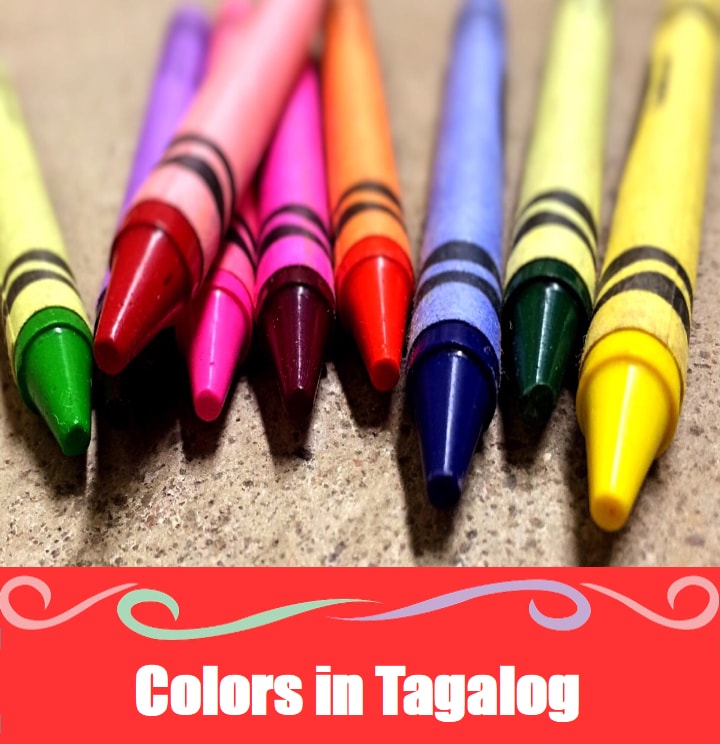
Table of Contents
What Is Colors (Mga Kulay)?
Mga kulay is the plural form of kulay, which means “color” in English. It refers to the different visual shades we see, such as pula (red), asul (blue), and dilaw (yellow).
The word kulay is a noun. The prefix mga is added to make it plural, meaning “colors.” It is widely used in daily speech, education, art, and design.
Quick Facts
- Category: Noun
- Used For: Describing appearance, art, design, nature, emotions
- Common Context: School, shopping, storytelling, daily conversation
- Related Root Word: Kulay
Colors (Mga Kulay) Vocabulary Words
Below is a related vocabulary chart connected to mga kulay.
| # | English | Tagalog |
|---|---|---|
| 1 | Colors | Mga Kulay |
| 2 | Color | Kulay |
| 3 | Black | Itim |
| 4 | White | Puti |
| 5 | Red | Pula |
| 6 | Blue | Asul |
| 7 | Sky Blue | Bughaw |
| 8 | Green | Berde |
| 9 | Nature Green | Luntian |
| 10 | Yellow | Dilaw |
| 11 | Orange | Kahel |
| 12 | Pink | Rosas |
| 13 | Purple | Lila |
| 14 | Violet | Lila (Biyoleta – formal/rare) |
| 15 | Brown | Kayumanggi |
| 16 | Gray | Kulay-abo |
| 17 | Gold | Ginto |
| 18 | Silver | Pilak |
| 19 | Bronze | Tanso |
| 20 | Rainbow | Bahaghari |
How Is Colors (Mga Kulay) Used?
The term mga kulay is commonly used to describe the appearance of things.
1. Describing Objects
Colors are used to identify and describe objects clearly.
Examples:
- Ang kotse ay pula.
- Ang bag ay itim.
- Ang papel ay puti.
This makes communication more specific and detailed.
2. Talking About Nature
Colors help describe natural elements like the sky, plants, and animals.
Examples:
- Ang langit ay bughaw.
- Ang damo ay berde.
This improves descriptive storytelling and observation.
3. Used in Art and Design
In schools and creative work, colors are very important.
Students often use different mga kulay when drawing or painting to make their artwork lively.
4. Expressing Emotions and Symbolism
Colors may symbolize emotions or ideas.
Examples:
- Kulay ng pag-asa (color of hope)
- Kulay ng buhay (full of life)
This adds deeper meaning to communication.
5. Shopping and Fashion
People commonly mention colors when buying clothes or accessories.
Examples:
- May pula ba kayo?
- Gusto ko ng asul na damit.
It helps in making clear choices.
Importance and Practical Value of Colors in Tagalog (Mga Kulay) for Everyday Communication
Understanding mga kulay is essential in language learning.
1. Communication Benefit
It allows clearer descriptions of objects and surroundings.
2. Cultural Relevance
Colors are important in Filipino festivals, traditions, and symbolism.
3. Learning Advantage
It builds strong vocabulary foundations for beginners.
4. Practical Everyday Use
Colors are used daily in school, shopping, and casual conversations.
5. Social or Emotional Impact
Color words help express mood and personality.
6. Professional or Academic Value
Useful in art, marketing, fashion, and education.
How to Use Colors in Tagalog (Mga Kulay) in Daily Life Conversations
You can easily practice using mga kulay every day.
Method 1: Describe your clothes using color words.
Method 2: Label objects at home with their Tagalog colors.
Method 3: Practice describing nature outdoors.
Method 4: Use colors in simple conversations.
Method 5: Watch Filipino content and listen for color words.
Common Tagalog Sentences Using Colors (Mga Kulay)
Below are commonly used sentences with mga kulay.
- The sky is clear and blue.
Ang kalangitan ay maaliwalas at kulay asul. - The coffee beans are brown.
Ang mga butil ng kape ay kulay kayumanggi. - The smoke is gray.
Ang usok ay kulay abo. - The grass is green.
Ang damo ay berde. - The leaves turn orange in autumn.
Ang mga dahon ay nagiging kahel tuwing taglagas. - Pink is a mix of red and white.
Ang rosas ay kombinasyon ng pula at puti. - My favorite color is purple.
Ang paborito kong kulay ay lila. - The roses are red.
Ang mga rosas ay pula. - The snow is white.
Ang niyebe ay puti. - The bananas are yellow.
Ang mga saging ay dilaw.
Frequently Asked Questions (FAQ)
1. What is Colors in Tagalog?
Colors in Tagalog is mga kulay.
2. What does Colors (Mga Kulay) mean in English/Tagalog?
It means different shades or hues used to describe appearance.
3. Is Colors (Mga Kulay) formal or informal?
It is neutral and can be used in both formal and informal situations.
4. When should you use Colors (Mga Kulay)?
Use it when describing objects, clothing, nature, or artistic work.
5. How do you properly use Colors (Mga Kulay) in a sentence?
Use kulay for singular and mga kulay for plural. Example: Ang kulay ng kotse ay pula.
Conclusion: Mastering Colors in Tagalog (Mga Kulay) for Everyday Use
Mga kulay means colors in Tagalog and plays an important role in daily communication. From describing objects to expressing emotions, color words make conversations more vivid and meaningful.
Learning Tagalog color names helps you speak more naturally and understand Filipino culture more deeply. It is a simple yet powerful way to expand your vocabulary and improve your language skills.