Cheeks in Tagalog are known as pisngi, and in Filipino culture, they are a powerful symbol of affection, health, and cuteness. Grandmothers often give a loving pisil (pinch) to chubby cheeks, while phrases like matambok na pisngi praise vitality and good living. This makes “pisngi” one of the most heartwarming words in the language!
Pisngi (pronounced PEES-ngee) simply means “cheeks”—the soft, fleshy parts of the face. But in everyday Filipino life, it’s loaded with warmth and compliments. Learning the word pisngi is essential for understanding Filipino beauty and health.

Table of Contents
1. The Cultural Significance of “Pisngi”
Filipinos adore full, rosy cheeks as a sign of health, good nutrition, and being well-loved. Matambok na pisngi (chubby cheeks) is a huge compliment, especially for the younger generation—it means they look thriving and happy. It is a visual representation of the warmth and care provided by the family.
2. Understanding “Gigil” and Cheeks
This ties into gigil—that overwhelming urge to pinch or squeeze something adorable because it’s just too cute! An auntie pinching your pisngi isn’t teasing; it’s a non-verbal way of saying, “You look so healthy and cared for!” It is pure Filipino hospitality and affection in action.
3. The “Mango” Connection
Interestingly, pisngi also refers to the fleshy sides of a mango around the seed—the “cheeks” of the fruit! This is a fun double meaning in our food-loving Pinoy culture. When preparing a snack, you might hear someone ask for the pisngi ng mangga.

4. Key Vocabulary: Cheeks in Tagalog
Master these for natural conversations, beauty chats, or family compliments. To stay consistent with our “Real-Talk” tone, use these specific terms:
- Cheeks — Pisngi (PEES-ngee)
- Red cheeks — Puláng pisngi (POO-lahng PEES-ngee) — often from blushing, heat, or makeup.
- Chubby cheeks — Matambok na pisngi (ma-tam-BOK na PEES-ngee) — the go-to compliment for healthy, plump cheeks.
- Dimples — Biloy (BEE-loy) — those cute indentations when smiling.
- High cheekbones — Mataas na buto sa pisngi (ma-TA-as na BOO-to sa PEES-ngee).
- To pinch cheeks — Pisilin ang pisngi (pee-see-LEEN ang PEES-ngee).
Real-Talk Tip: Avoid using “makapal na pisngi” for chubby cheeks. In Tagalog, makapal means “thick,” and it doesn’t carry the same affectionate vibe as matambok. Stick with matambok to keep it positive!
5. Why Learn Tagalog Terms for Cheeks?
These words pop up everywhere in daily life, from the doctor’s office to the makeup aisle:
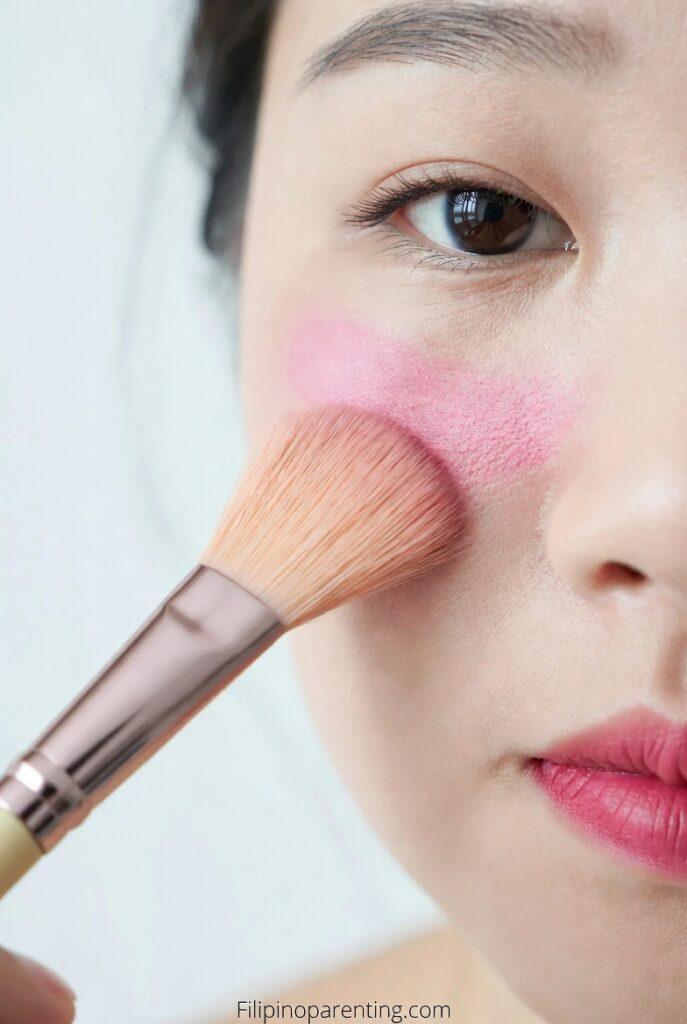
- Beauty & Makeup: In tutorials, you’ll hear “Ilagay ang blush sa pisngi” (Apply blush on the cheeks) or “Sa itaas ng pisngi” (On the upper cheeks). Knowing your pisngi helps when navigating our Clothing and Beauty guides in Tagalog.
- Health & Wellness: Describe issues precisely to a professional—use “May pamumula sa pisngi” (Redness on the cheeks) or “Pamamaga sa pisngi” (Swelling on the cheeks). For more medical terms, see our Health Vocabulary list.
- Family & Compliments: Filipinos love praising appearances. Saying “Ang ganda ng pisngi mo!” (Your cheeks are beautiful!) is a great way to bond with relatives. Check out more Compliments in Tagalog here.
Practice Sentences for Real Conversations
Try these to sound fluent fast:
- “Pula ang pisngi niya dahil sa lamig.” (Their cheeks are red because of the cold.)
- “Ang cute ng biloy niya kapag ngumingiti!” (Their dimples are so cute when they smile!)
- “Matambok ang pisngi ng ating baby ngayon.” (Our baby has chubby cheeks now.)
- “Huwag mong pisilin nang mahigpit ang pisngi niya!” (Don’t pinch their cheeks too hard!)
- “May allergy ako — namumula ang pisngi ko.” (I have an allergy — my cheeks are turning red.)
Quick Health Tip: For inflammation or blushing, pair the body part with pamumula (redness) or pamamaga (swelling) for clear communication.
Conclusion: Why Learning About Cheeks in Tagalog Matters
Understanding the cultural depth of cheeks in Tagalog connects you more deeply to the heart of Filipino family life. Whether it is through the lens of gigil-fueled affection, or using cheeks in Tagalog to describe a healthy glow or a beauty routine, the word pisngi is a small word that carries a big heart.
By mastering how to talk about cheeks in Tagalog, you aren’t just learning a body part; you are learning how Filipinos express love, health, and belonging. Next time you see a loved one with matambok na pisngi, you’ll have the perfect “Real-Talk” vocabulary to join the conversation!
Keep building your Tagalog journey:
- The Full List: Check our comprehensive Body Parts in Tagalog guide.
- Facial Features: Explore related features like Labi (Lips) in Tagalog or our breakdown of the Parts of the Head and Face.
- Cultural Context: Dive into more Compliments in Tagalog to keep your conversations natural and warm.
Authoritative Resources: For further linguistic study and official translations of cheeks in Tagalog, visit the Komisyon sa Wikang Filipino or explore the archives at the National Library of the Philippines.