If you’re learning Tagalog, enjoying Filipino seafood, or planning a trip to the Philippines, knowing how to say Tuna in Tagalog is essential. The most common Tagalog word for tuna—especially smaller or mackerel tuna—is tulingan (pronounced too-LEE-ngan). For larger species like yellowfin, Filipinos often use tambakol (or bariles). Canned tuna is frequently just called tuna or atún, while skipjack might be gulyasan.
Tuna in Tagalog is a huge topic because the Philippines is home to rich fishing grounds in the Pacific and South China Sea. It’s nutritious, high in protein and omega-3s, and features in everything from fresh grilled dishes to canned convenience meals. This post explores Tuna in Tagalog, its cultural role, example sentences, and more to help you use the words naturally.
Table of Contents
What Is Tuna in Tagalog? Pronunciation and Species Breakdown
Tulingan refers to mackerel tuna or frigate tuna—small, firm, and often braised or grilled whole. Tambakol is the go-to for yellowfin tuna, prized for its large size and steak-like texture. Other names include bariles (bigeye or albacore), gulyasan (skipjack), and bunito or katsurita in some regions.
In markets, locals specify the type: “Tulingan ba ‘yan o tambakol?” (Is that mackerel tuna or yellowfin?). Canned tuna (like in oil or brine) is simply tuna or de lata na tuna.
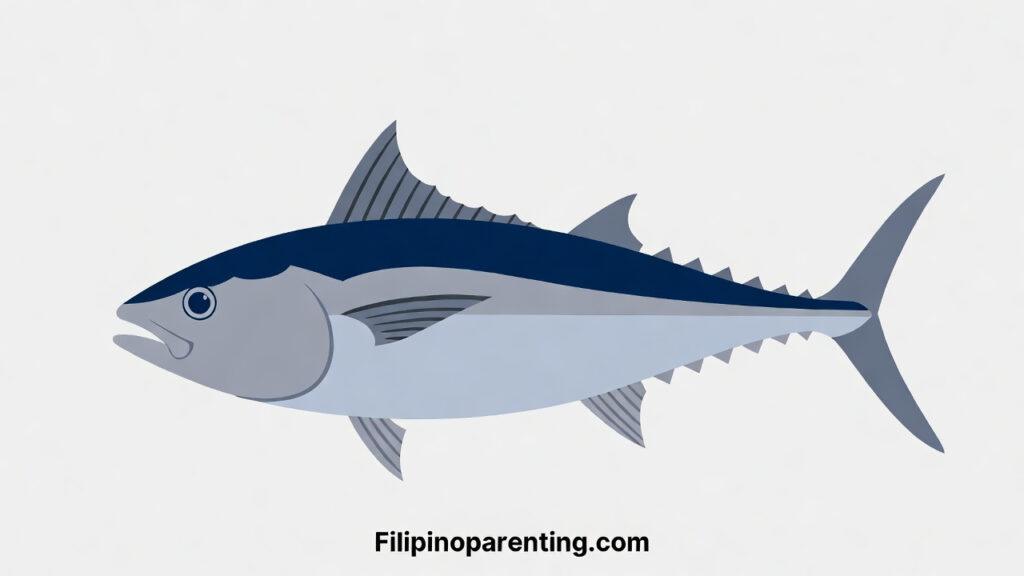
Fascinating Facts About Tuna in the Philippines
The Philippines is a major tuna producer, with yellowfin and skipjack supporting canneries in General Santos City (the “Tuna Capital”). Tulingan is a coastal favorite for its bold flavor when cooked slowly. Tuna supports livelihoods, from handline fishermen to large fleets, and appears in export markets worldwide.
According to the World Wildlife Fund, sustainable fishing practices are vital for protecting tuna populations in the Coral Triangle. Tuna is excellent for heart health and muscle building—Filipinos love it grilled, stewed, or in salads. For more info on marine life, National Geographic offers great resources on ocean conservation.
How to Use Tuna Names in Everyday Tagalog: 12 Example Sentences
Practice with these 12 real-life sentences featuring tulingan, tambakol, and Tuna in Tagalog. Use these to practice your pronunciation and improve your vocabulary.
- Ang tulingan ay masarap kapag pinakuluan sa toyo. (Mackerel tuna is delicious when boiled in soy sauce.)
- Bumili ako ng tambakol para sa inihaw na tuna steak. (I bought yellowfin tuna for grilled tuna steak.)
- Gusto ko ng tuna sandwich para sa meryenda. (I want a tuna sandwich for snack time.)
- Ano ang mas masarap, tulingan o tambakol? (Which is tastier, mackerel tuna or yellowfin tuna?)
- Paano lutuin ang tulingan nang hindi mabaho? (How do you cook mackerel tuna so it doesn’t smell fishy?)
- May tuna ba kayo sa lata sa grocery? (Do you have canned tuna at the grocery?)
- Ang tambakol ay mayaman sa omega-3. (Yellowfin tuna is rich in omega-3.)
- Sa General Santos, sikat ang tuna festival. (In General Santos, the tuna festival is famous.)
- Paborito ko ang kinilaw na tulingan. (My favorite is kinilaw mackerel tuna.)
- Huwag mong kalimutan ang luya sa ginataang tuna. (Don’t forget the ginger in coconut milk tuna.)
- Nakakita ako ng malaking tambakol sa palengke. (I saw a big yellowfin tuna at the market.)
- Nagprito kami ng tuna patties para sa hapunan. (We fried tuna patties for dinner.)
Tuna in Filipino Cuisine: Popular Recipes and Traditions
Tuna in Tagalog culture shines in diverse dishes:
- Kinilaw na Tuna — Raw tuna marinated in vinegar, calamansi, ginger, onions, and chilies.
- Inihaw na Tuna — Grilled tuna belly or steaks with soy sauce, calamansi, and garlic.
- Ginataang Tuna — Simmered in coconut milk (gata) for creamy comfort.
- Tuna Sisig — Chopped tuna sizzled with onions and chilies—a lighter version of the classic.
- Sinigang na Tuna — Sour tamarind soup with tuna chunks.
In coastal areas, fresh tulingan is often braised or grilled whole. Sharing these meals is a living experience woven into everyday moments for Filipino families.
Related Tagalog Vocabulary for Seafood
Expand your terms for Tuna in Tagalog with these related words:
- Fish = Isda
- Crab = Alimango
- Octopus = Pugita
- Sea Lion = Leon-dagat
- Mackerel Scad = Galunggong
FAQ About Tuna in Tagalog
What is the Tagalog word for tuna?
Tulingan for mackerel tuna; tambakol for yellowfin; tuna for canned versions.
How do you pronounce tulingan?
Too-LEEN-gahn (stress on the second syllable).
What’s the difference between tulingan and tambakol?
Tulingan is smaller and often cooked whole; tambakol is larger and usually served as steaks.
Is tuna healthy?
Yes—it is high in protein and omega-3s. Using the term Tuna in Tagalog helps you find the freshest catch in local markets!
Conclusion: Dive into Tulingan and Tambakol
Whether you call it tulingan, tambakol, or simply Tuna in Tagalog, this fish is a cornerstone of Filipino seafood culture. From humble home meals to festive feasts, knowing these terms helps you navigate markets and kitchens with confidence. Keep practicing, try a kinilaw recipe, and enjoy the rich flavors of the sea. Salamat for reading!