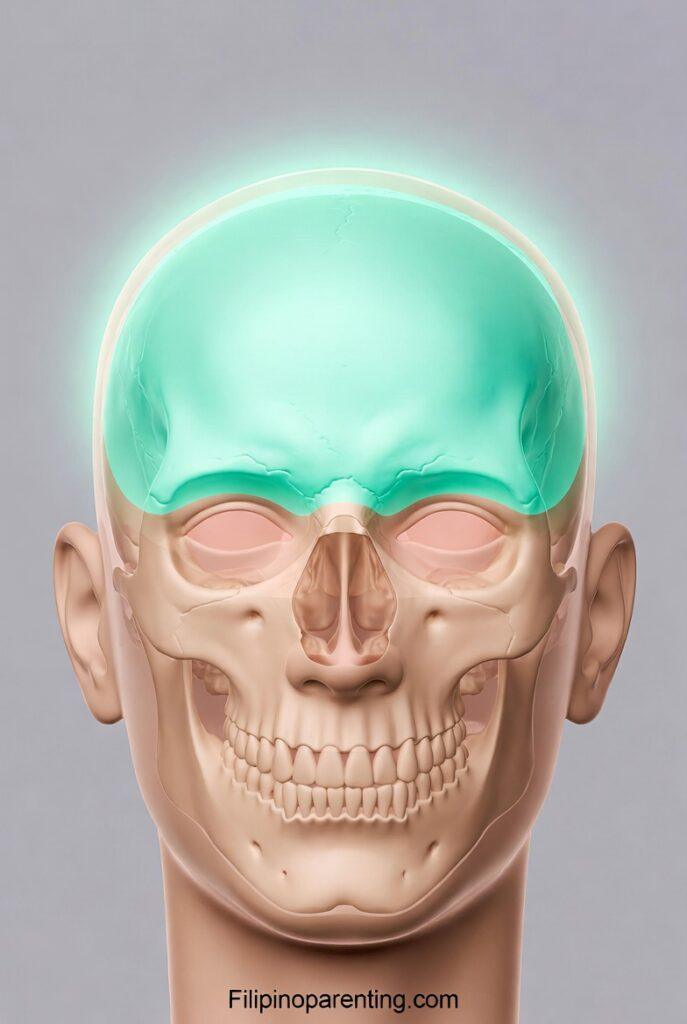
Learning the term for forehead in Tagalog is an essential step for anyone interested in Filipino culture, beauty, or health communication. In the Filipino language, the forehead is called noo. This simple yet powerful word is perfect for describing various situations, from medical concerns like headaches to daily beauty routines and skincare.
Whether you are a language learner or a parent teaching the younger generation, knowing how to identify and discuss the forehead in Tagalog allows for clearer and more sincere interactions. Understanding our bodies helps us express our feelings more effectively to doctors, beauty experts, or family members.
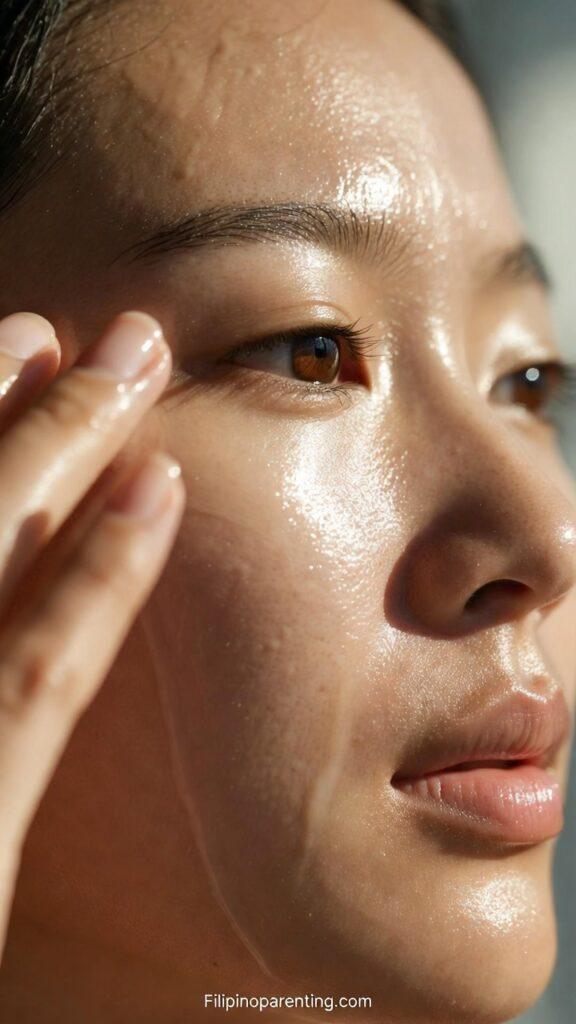
Table of Contents
Why Learn Terms for the Forehead in Tagalog?
The forehead in Tagalog is often the focal point of our expressions. Forehead wrinkles, skin health, or localized pain are common topics in daily life. For instance, according to Healthline, horizontal lines on the forehead are often the first signs of aging or stress. By mastering these terms, you can talk to professionals confidently about your specific needs.
In a healthcare setting, being able to point to your noo and explain your symptoms accurately is vital. Experts at WebMD note that pain in the forehead area is frequently associated with tension headaches or sinus issues. Using the correct vocabulary ensures that nothing is lost in translation during important health discussions.
Verified Key Vocabulary for Noo
To keep your learning accurate, here are the verified Tagalog words for the forehead and related conditions:
- Noo (NO-oh) – Forehead
- Sakit sa noo (sa-KIT sa NO-oh) – Forehead pain / Headache
- Kunot na noo (koo-NOT na NO-oh) – Wrinkled forehead
7 Fascinating Facts and Tips for the Noo
- Direct Translation: In the Tagalog language, the word for forehead is noo, and it is used consistently across different regions.
- Cultural Expression: A wrinkled forehead, or kunot na noo, often signals deep thought, worry, or concentration in Filipino social cues.
- Health Indicators: Pain in the noo is a primary way many people describe the onset of a headache.
- Skincare Focus: Many beauty routines focus specifically on the noo to maintain a smooth and healthy appearance.
- Anatomical Context: The noo is a major part of the face. To see how it connects to other features, explore our guide on parts of head and face in Tagalog.
- Communicating Pain: If you are feeling unwell, telling someone “Masakit ang noo ko” (My forehead hurts) is a clear way to ask for rest or assistance.
- Sincere Care: In Filipino homes, checking a family member’s noo for a fever is a common and quiet act of kindness and consideration.
Practical Practice Sentences
Use these sentences to help you remember the word for forehead in Tagalog in real-world scenarios:
- Masakit ang noo ko. (My forehead hurts.)
- May kunot sa kanyang noo. (There are wrinkles on her forehead.)
- Linisin mo ang noo mo. (Clean your forehead.)
Knowing these phrases helps you navigate daily health and beauty talks naturally. For more details on the human body, check out our comprehensive post on body parts in Tagalog.

Frequently Asked Questions (FAQ)
How do I say “headache” using the word for forehead?
A quick tip is to say “Sakit sa noo ko” when you are experiencing a headache or localized pain in that area.
What does “kunot na noo” mean?
It literally means a wrinkled forehead, which can refer to aging or a facial expression of concern.
Is “noo” used for both adults and learners?
Yes, noo is the universal and formal term used by all generations when referring to the forehead.
Conclusion
Mastering the word for forehead in Tagalog makes your daily conversations about health and beauty feel much more natural. It allows you to express your needs with truth and clarity. To continue your journey in learning about the body, we invite you to connect with our articles on the temple in Tagalog, eye in Tagalog, and our general health vocabulary word list.