Tagalog investigation terms are the foundation of understanding justice and security in the Philippines. Whether you are following a high-profile case in the news or simply want to be prepared for any situation, these words help you communicate clearly. Investigations are the key to finding the truth, and having the right vocabulary allows you to act with confidence.

Table of Contents
Core Tagalog Investigation Terms and Actions
To understand the process of a legal inquiry, you must first master the primary Tagalog investigation terms. These words describe the act of searching for the truth and the people responsible for finding it. Using the correct term, such as imbestigasyon versus a more detailed pagsisiyasat, shows a deep level of understanding.
- Imbestigasyon / Pagsisiyasat – Investigation / Scrutiny
- Imbestigador / Detektib – Investigator / Detective
- Suriin / Siyasatin – To investigate or examine
- Ebidensya – Evidence
- Pinangyarihan ng Krimen – Crime Scene
- Naghahanap – Searching
- Pinoprotektahan – Protecting
- Ikinakaila – Denying
By knowing these Tagalog investigation terms, you can better follow the procedures used by authorities. For instance, an imbestigador will always suriin the ebidensya found at the pinangyarihan ng krimen. This process is vital for the Filipino proverbs and character we value, as it upholds the truth in our society.
Identifying People in an Imbestigasyon
An investigation always involves specific roles. Identifying the saksi (witness) or the suspek (suspect) is critical for a successful outcome. Here are the verified terms for the people involved in the legal process:
- Suspek – Suspect
- Saksi – Witness
- Biktima – Victim
- Abogado – Lawyer
- Huwes – Judge
When a biktima seeks justice, they rely on the saksi to provide honest information to the huwes. This chain of communication is what keeps our communities safe. Understanding these Tagalog investigation terms is just as important as knowing Tagalog words for police when you need immediate assistance.
Procedural and Legal Terms to Remember
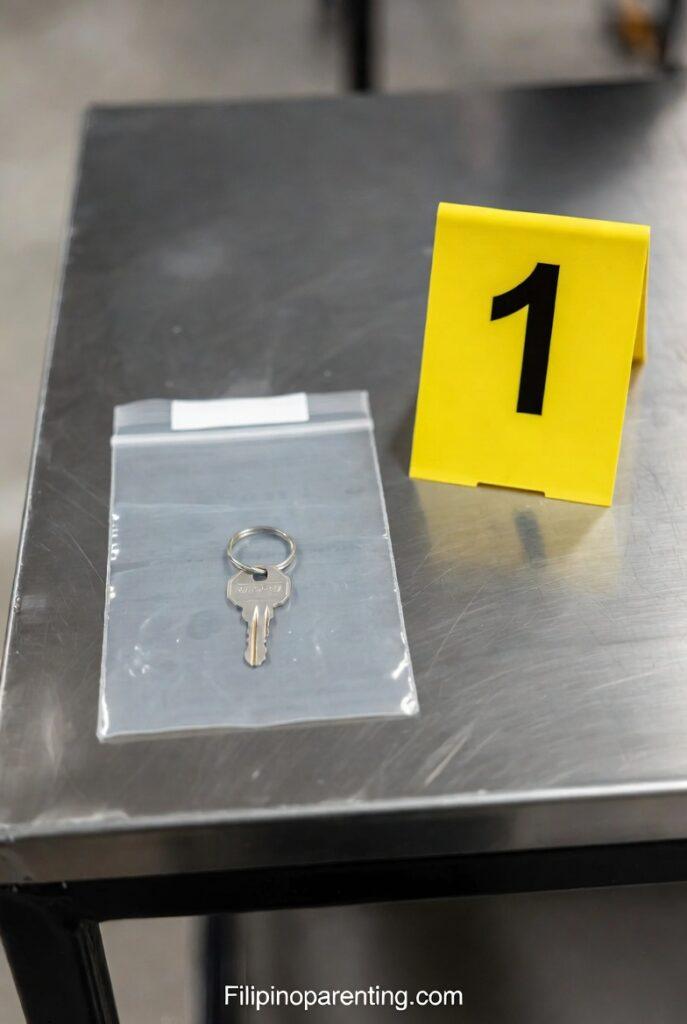
Beyond the people involved, there are specific objects and statuses that define a case. From the bakas ng daliri (fingerprint) to the final verdict of being may sala (guilty), these Tagalog investigation terms cover the entire legal journey.
- Pag-aresto / Arestado – Arrest / Arrested
- Interogasyon – Interrogation
- Pagpatay – Murder
- Bakas ng daliri – Fingerprint
- Posas – Handcuffs
- Bilangguan / Preso – Prison / Prisoner
- May sala / Inosente – Guilty / Innocent
Practice using these in daily life to stay sharp:
- Nakuha ng pulis ang bakas ng daliri. (The police obtained the fingerprint.)
- Ang saksi ay nagbigay ng mahalagang impormasyon. (The witness gave important information.)
- Pinoprotektahan ko ang aking pamilya. (I am protecting my family.)
Knowing if someone is inosente or may sala is a major part of the Tagalog life lessons we share with our children regarding accountability. For more detailed lists, you can view our crime vocabulary word list in Tagalog.

FAQ: Common Questions About Tagalog Investigation Terms
What is the difference between imbestigasyon and pagsisiyasat?
While both mean investigation, imbestigasyon is the standard term used by police. Pagsisiyasat implies a deeper level of scrutiny or a detailed inspection of the facts.
How do I say “I am searching for evidence” in Tagalog?
You would say, “Naghahanap ako ng ebidensya.” This uses the action word naghahanap paired with the core term ebidensya.
Is a detektib the same as an imbestigador?
Yes, both refer to someone who investigates crimes. In the Philippines, imbestigador is often the official title used in government reports and news.
Conclusion: Empowering Your Family Through Language
Mastering Tagalog investigation terms is a powerful way to ensure your family stays informed and safe. Whether you are identifying a saksi or understanding the work of an imbestigador, these terms provide clarity in difficult situations. We encourage you to keep practicing these words to better understand the world around you.
In the Philippines, legal matters are handled under the Revised Penal Code, which outlines the roles of the imbestigador and the rights of the biktima. For those following current safety bulletins, the Philippine National Police often releases statements using these exact terms to keep the public updated on a current imbestigasyon.
For more information on the legal system, read our guide on Tagalog words for jail or learn about Tagalog court terms to see how an investigation moves to the trial phase. Consistent practice with these terms helps build a foundation of justice and integrity within the home.