Mackerel in Tagalog is a term every seafood lover should know. If you’re learning Tagalog, shopping at Filipino wet markets, or craving classic Pinoy seafood, mackerel is a fish you’ll want to know well. In Tagalog, the most common word for mackerel—especially Indian mackerel or long-jawed mackerel—is alumahan (pronounced ah-loo-mah-HAN, with stress on the last syllable).
Other popular types include hasa-hasa (short-bodied mackerel), tanigue (Spanish mackerel or king mackerel), and tulingan (mackerel tuna or frigate mackerel). These oily, striped fish are staples in Philippine cuisine—rich in omega-3s, affordable, and perfect for frying, grilling, or stewing.
This blog post dives into mackerel in Tagalog, its varieties, cultural importance, practical example sentences, recipes, and more to help you use the words confidently in real conversations.
Table of Contents
What Is Mackerel in Tagalog? Pronunciation and Key Varieties
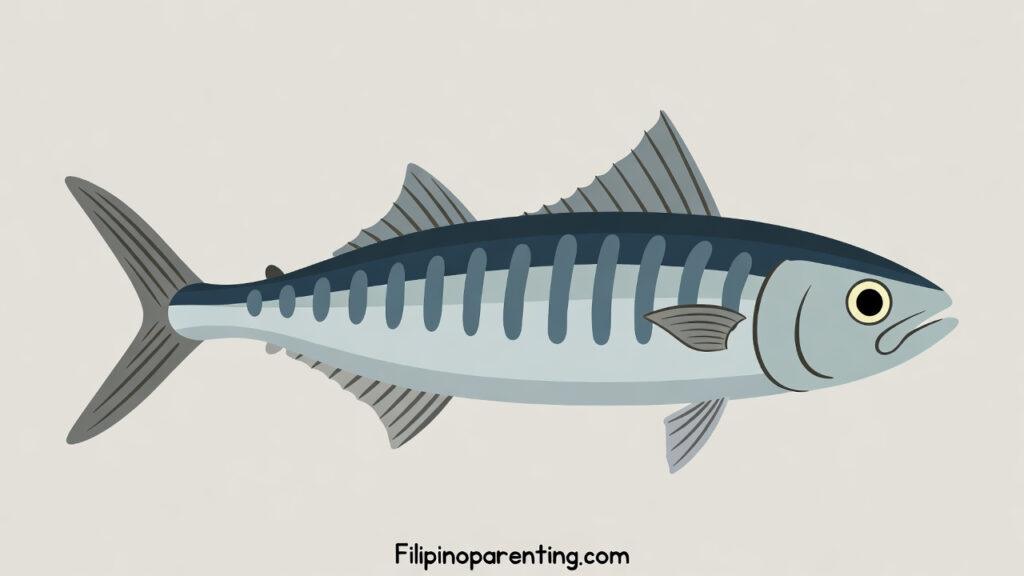
Alumahan is the everyday Tagalog name for Indian mackerel (Rastrelliger kanagurta), known for its vertical stripes, firm texture, and rich, oily flavor. It’s a favorite for its deep taste and versatility.
Hasa-hasa refers to short-bodied mackerel (Rastrelliger brachysoma), smaller and often fried whole. Tanigue covers larger Spanish mackerel or king mackerel, prized for steaks and grilling. Galunggong is sometimes called hard-tail mackerel (though more accurately a scad).
These names vary by region and size, but alumahan is the most widely recognized for classic mackerel in Tagalog dishes in markets and homes.
Fascinating Facts About Mackerel in the Philippines
Mackerel thrives in Philippine waters, caught in abundance from the Visayan Sea to the Pacific. It’s an oily fish loaded with healthy fats, protein, and vitamins—great for heart health. According to Oceana, the Indian mackerel is a highly migratory species essential to marine ecosystems.
Filipinos value it for sustainability and low cost compared to larger fish. Alumahan often features vertical stripes and a forked tail, while hasa-hasa is shorter and rounder. In coastal communities, mackerel supports livelihoods through small-scale fishing and is a go-to during Lent or family meals when meat is avoided. You can learn more about sustainable fishing practices at World Wildlife Fund (WWF).
How to Use Mackerel Names in Everyday Tagalog: 12 Example Sentences
Practice these 12 practical sentences featuring alumahan, hasa-hasa, and related terms. Tagalog first, English translation second—ideal for palengke chats, menus, or cooking.
- Ang alumahan ay masarap kapag pritong may suka. (Mackerel is delicious when fried with vinegar.)
- Bumili ako ng sariwang alumahan sa palengke. (I bought fresh mackerel at the market.)
- Gusto ko ng paksiw na hasa-hasa para sa hapunan. (I want hasa-hasa in vinegar stew for dinner.)
- Ano ang pinakamasarap na luto ng alumahan? (What’s the tastiest way to cook mackerel?)
- Paano lutuin ang tanigue nang hindi matigas? (How do you cook Spanish mackerel so it doesn’t get tough?)
- May alumahan ba kayo sa seafood stall? (Do you have mackerel at the seafood stall?)
- Ang alumahan ay mayaman sa omega-3 fatty acids. (Mackerel is rich in omega-3 fatty acids.)
- Sa probinsya, sikat ang inihaw na hasa-hasa. (In the province, grilled hasa-hasa is famous.)
- Paborito ko ang ginataang alumahan. (My favorite is mackerel in coconut milk.)
- Huwag mong kalimutan ang luya sa pinangat na tanigue. (Don’t forget the ginger in braised Spanish mackerel.)
- Nakakita ako ng malalaking alumahan sa dagat. (I saw big mackerel in the sea.)
- Nagprito kami ng hasa-hasa para sa almusal. (We fried hasa-hasa for breakfast.)
Say these aloud—they’ll make you sound like a local in no time! Using these phrases is a great way to practice your Tagalog vocabulary for sea animals.
Mackerel in Filipino Cuisine: Beloved Recipes and Traditions
Mackerel in Tagalog cuisine excels in simple, flavorful preparations. If you are learning how to fry in Tagalog or grill in Tagalog, these dishes are perfect practice:
- Pritong Alumahan — Deep-fried until crispy, served with rice, vinegar dip, and calamansi.
- Paksiw na Alumahan/Hasa-hasa — Stewed in vinegar, garlic, ginger, and onions for tangy savoriness.
- Ginataang Alumahan — Simmered in coconut milk with veggies for creamy richness.
- Inihaw na Tanigue — Grilled Spanish mackerel steaks marinated in soy, calamansi, and garlic.
- Kinamatisang Alumahan — Stewed in tomatoes for a saucy, everyday dish.
In markets, vendors call out “Alumahan! Hasa-hasa! Sariwa!” It’s a budget-friendly staple, often paired with rice and veggies.
Related Tagalog Vocabulary for Fish and Seafood
Expand your terms beyond just mackerel in Tagalog:
- Fish = isda
- Other common fish: galunggong, bangus, tulingan
Try saying: “May alumahan at hasa-hasa sa palengke.” (There is mackerel and short mackerel at the market.)
FAQ About Mackerel in Tagalog
What is the Tagalog word for mackerel?
Alumahan for Indian/long-jawed mackerel; hasa-hasa for short-bodied; tanigue for Spanish mackerel.
How do you pronounce alumahan?
Ah-loo-mah-HAN (stress on “han”).
What’s the difference between alumahan and hasa-hasa?
Alumahan is longer with stripes; hasa-hasa is shorter and rounder—both tasty when fried or stewed.
Where to buy fresh mackerel?
Wet markets (palengke), fish ports, or supermarkets—choose firm flesh, bright eyes, and shiny skin.
How to cook mackerel without it smelling fishy?
Add ginger, calamansi, or vinegar during cooking; fry or grill quickly.
Conclusion: Embrace Alumahan and Dive Deeper into Tagalog Seafood
Mackerel—whether alumahan, hasa-hasa, or tanigue—is a flavorful cornerstone of Filipino cuisine. From crispy fried breakfasts to comforting stews, knowing the terms for mackerel in Tagalog connects you to the heart of the Filipino kitchen. With these 12 example sentences, you can start using these words confidently: at the market, in the kitchen, or chatting with locals about the day’s catch.
Next time you spot mackerel in a stall or on a menu, say “Alumahan!” or “Hasa-hasa!” and enjoy the rich taste. Learning Tagalog through everyday foods like this is practical and delicious. Keep practicing, try frying some alumahan at home, and explore more Pinoy fish names. Salamat for reading—Happy Cooking and Happy Learning!