Ngayong mainit na tag-init, lalong mahalaga ang malamig na tubig at langis ng niyog para sa hydrated na balat—huwag kalimutan ang pahid laban sa araw bago lumabas! Whether you are a busy parent, an OFW working abroad, or a beginner learning Tagalog, these Tagalog skincare routine words will help you shop for products and chat with your family about self-care. This guide is designed for adults and the younger generation to stay connected to Filipino culture through the art of the “Pinoy Glow.”
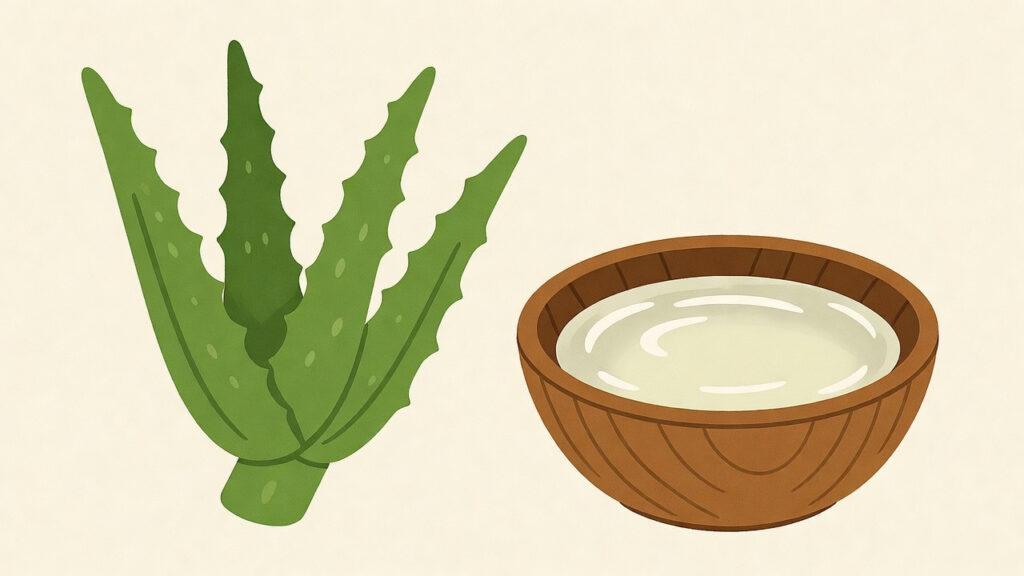
Table of Contents
10 Ultimate Facts About Tagalog Skincare Routine Words
To master your daily habits, here are 10 fascinating facts about the language and culture of Filipino beauty:
- “Malamig na tubig” is the first step. Many Filipinos believe splashing cold water is the best way to tighten pores naturally in the morning.
- The power of “Kalamansi.” This tiny citrus fruit is a staple for brightening skin and treating dark spots. Learn more about Calamansi in Tagalog.
- “Langis ng niyog” is a multi-purpose hero. Virgin coconut oil serves as a makeup remover, moisturizer, and hair mask all in one.
- “Pahid” vs. “Hugas.” While hugas means to wash, pahid is the specific term used for applying or rubbing on lotions and creams.
- Respecting “Lola’s” kitchen secrets. Ingredients like rice water (tubig ng bigas) have been used for generations to achieve a glowing complexion.
- Sun protection is “Pahid laban sa araw.” Even in the tropical heat, protecting the skin from the sun is a top priority for health.
- The “Gugo” tradition. Long before bottled shampoos, gugo bark was the primary way to keep hair thick and skin clean.
- “Marahan” is the secret technique. Filipinos emphasize patting the skin gently (punasan ng marahan) rather than rubbing it dry with a towel.
- “Sabila” for healing. Aloe vera, known locally as sabila, is the go-to remedy for soothing sun-exposed skin.
- Evening repair is “Pag-aayos.” Nighttime is dedicated to thicker creams and repairing the skin after a long day of work or chores.
🌅 Morning Tagalog Skincare Routine Words & Phrases
Morning routines in the Philippines are quick and refreshing to combat the tropical humidity. Using the right Tagalog skincare routine words ensures you start your day feeling energized.
- Panglinis ng mukha – Face wash (Gentle cleanser to remove overnight oil).
- Malamig na tubig – Cold water (Splash to wake up skin).
- Langis – Oil (Liquid to moisturize skin).
- Pahid sa balat – Moisturizer (Lightweight lotion or cream for daytime).
- Pahid laban sa araw – Sunscreen (SPF cream to protect from UV rays).
- Kalamansi – Calamansi (Fresh juice to brighten and tighten).
- Bulak na panlinis – Cotton pad (For toner or calamansi application).
- Punasan ng marahan – Pat dry (Gently pat face with a towel).
- Bitamina C – Vitamin C (Treatment to make the skin glow).
- Tuwalya sa mukha – Face towel (Soft towel for drying).
Morning routine example phrases:
- Maglinis muna ako ng mukha ko. (I’ll wash my face first.)
- Magpahid ako ng malamig na tubig. (I’ll splash cold water.)
- Kailangan ko ng pahid laban sa araw bago lumabas. (I need sunscreen before going out.)
- Ano po ang mabuti para sa oily skin? (What’s good for oily skin?)
Check out our guide on Tagalog Morning Routine or start your day with Tagalog Morning Motivational Quotes.
🌙 Evening Tagalog Skincare Routine Words & Phrases
Evening routines are about pampering and repair. Using these Tagalog skincare routine words helps you describe your wind-down process after a busy day. Following a Deep Tagalog Nighttime schedule helps the mind and body relax.
- Pang-alis ng make-up – Makeup remover (Oil or micellar water).
- Panlinis ng mukha – Face Cleanser (Second cleanse to remove residue).
- Toner ng mukha – Face Toner (To balance pH).
- Esensya – Essence (Hydrating liquid).
- Serum – Serum (Targeted treatments like niacinamide).
- Krema sa mata – Eye cream (Gentle cream for under-eye).
- Maskara sa mukha – Face mask (Sheet mask or overnight mask).
- Langis sa mukha – Face oil (Coconut or argan oil).
Evening routine example phrases:
- Mag-alis muna ako ng make-up. (I’ll remove makeup first.)
- Maglalagay ako ng serum para sa aking mga tagihawat. (I’ll apply serum for my pimples.)
- Pahid lang ako ng langis ng niyog sa mukha ko. (I just apply coconut oil on my face.)
To understand the anatomical terms better, see our guide on Parts of the Head and Face in Tagalog.
🧴 Common Pinoy Self-Care Ingredients
Filipino beauty often relies on what grows in the backyard. Incorporating these natural elements is a core part of the culture.
- Langis ng niyog – Virgin coconut oil (Moisturizer and makeup remover).
- Sabila – Aloe vera (Gel for soothing skin).
- Dahon ng bayabas – Guava leaves (Boiled for anti-acne wash).
- Sabon ng papaya – Papaya soap (Gentle brightening soap).
- Tubig ng bigas – Rice water (For glowing skin).
- Pulot – Honey (Natural mask).
Shopping and Chatting phrases:
- May sabila po kayo? (Do you have aloe vera?)
- Maghugas ako ng mukha gamit ang dahon ng bayabas. (I’ll wash my face with guava leaves.)
For those who love gardening these ingredients, see our Filipino Vegetable Gardening tips. If you are learning more about health, visit our Health Vocabulary in Tagalog list.
FAQ: Frequently Asked Questions
What is the best Tagalog word for sunscreen?
The most descriptive phrase is pahid laban sa araw, though many people use the English word “sunscreen” in daily conversation to describe SPF products.
How do you say “gentle” in a skincare context?
We use the word marahan (as in punasan ng marahan) or mabait sa balat (kind to the skin) to describe products that do not cause irritation.
Is coconut oil good for the face?
In Filipino culture, langis ng niyog is highly valued as a natural moisturizer, but it is always best to test it on a small patch of skin first. For professional safety standards, consult the Health Canada cosmetic ingredient hotlist or World Health Organization guidelines.
Conclusion
Maraming salamat for exploring Tagalog skincare routine words and pampering vocabulary. These terms—langis ng niyog, gugo, and calamansi—capture the gentle, homegrown way Filipinos care for themselves. By using these phrases, you make self-care feel familiar and loving.
Embracing these natural traditions allows the younger generation to maintain their heritage while prioritizing wellness and holistic health. To ensure your routine meets professional safety standards, you can also check the Health Canada cosmetic ingredient hotlist when trying new home remedies. Paalam for now—see you in the next Tagalog adventure!