Filipino family food Ontario planning is a beautiful journey of blending tradition with transition. In the Philippines, fresh markets make daily cooking simple and affordable. Moving to Canada changes the rhythm of the kitchen. While finding specific Filipino family food Ontario ingredients like unique spices or fresh seafood might require trips to major cities like Ottawa or specialty online shops, the effort is worth the result
Prices for imported goods can sometimes sting compared to back home. However, your natural love for cooking turns this into a positive experience for the whole household. By adapting to local ingredients and leaning on inner resilience, parents can provide healthy meals that nourish the spirit.
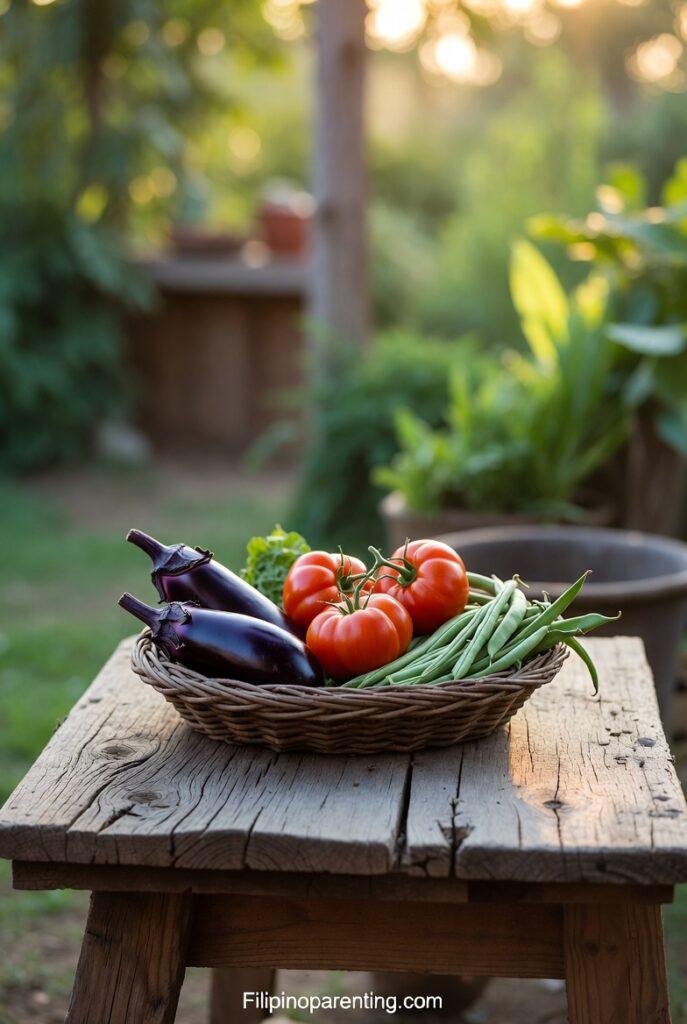
Table of Contents
Cultivating Your Own Filipino Vegetable Garden
One of the most rewarding ways to manage the budget for Filipino family food Ontario is through home gardening. Growing your own vegetables during the warmer months brings immense joy and savings. You can plant tomatoes, eggplant for pinakbet, and various herbs for adobo in your backyard.
Eggplant (talong), sitaw (yard-long beans), and ampalaya thrive in Ontario summers. Start your seeds indoors during the spring to account for the shorter growing season. This practice not only cuts costs but also serves as a way to share gratitude and peace with your neighbors. You can even share extra harvests to embody the bayanihan spirit.
The Art of Salo-Salo and Shared Meals
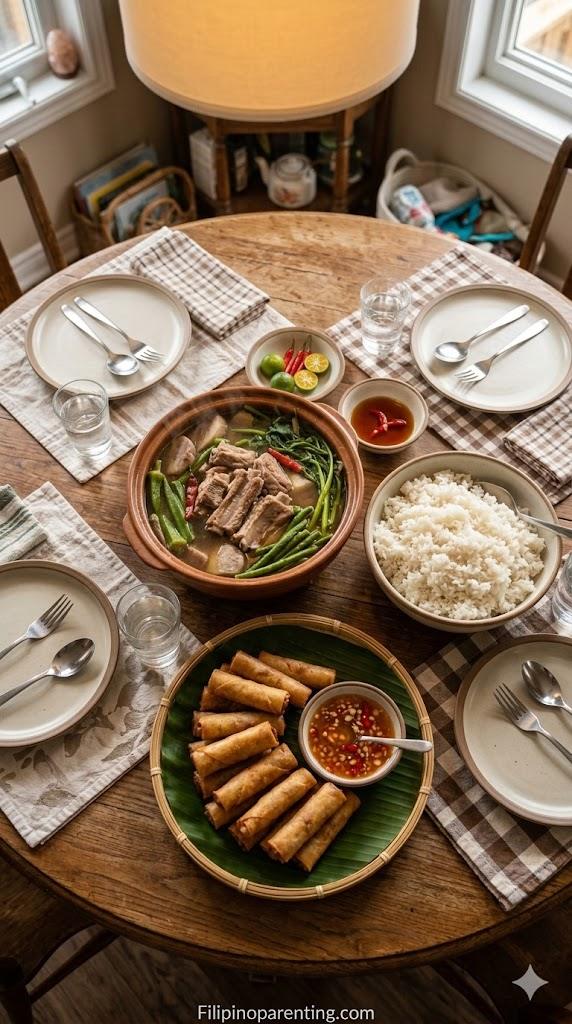
Family meals become treasures when we practice salo-salo. Gathering around the table with a hot bowl of sinigang creates a sense of belonging. Using Filipino cooking conversions to adjust your favorite recipes for Canadian measurements ensures consistency. Grab a metric-imperial conversion chart for cups to milliliters to keep your flavors accurate.
These moments are perfect for teaching the younger generation to appreciate simple, homemade food. Even when using canned tuna lumpia as a budget-friendly alternative, the love remains the same. Sharing Filipino family food Ontario is about the people at the table as much as the dish itself.
Creative Grocery Shopping and Pantry Staples
Managing Filipino family food Ontario requires creativity with pantry staples. Turning basic ingredients into fiesta-level dishes is a skill many master quickly. When specific items are unavailable, look for local substitutes. For example, lime or lemon juice works well if you cannot find calamansi.
Keeping a stock of Filipino foods like jasmine rice and dried mung beans allows you to whip up a hearty meal at any time. It is rewarding to see everyone happy around the table. You can find more tips on seasonal shopping through Foodland Ontario, which helps you identify when local produce like tomatoes and eggplant are at their peak.
Maintaining Traditions and Community
Cooking Filipino family food Ontario is a vital link to our cultural identity. Whether it is preparing biko for a special occasion or a simple breakfast, these traditions keep us grounded.
Consider joining local Filipino groups in areas like Ottawa or Pembroke for recipe swaps and bulk-buying tips. Online services like Adobo Market offer delivery across Ontario for those in more rural areas. By focusing on dreams and success, we ensure our culinary heritage thrives in our new home.
FAQ: Filipino Family Food Ontario
Where can I find authentic Filipino ingredients in Ontario?
Check local spots in Ottawa like Manila Mart or Divisoria Market. In smaller areas like Pembroke, online delivery from specialized services is a common and convenient choice.
Is it expensive to cook Filipino food in Canada?
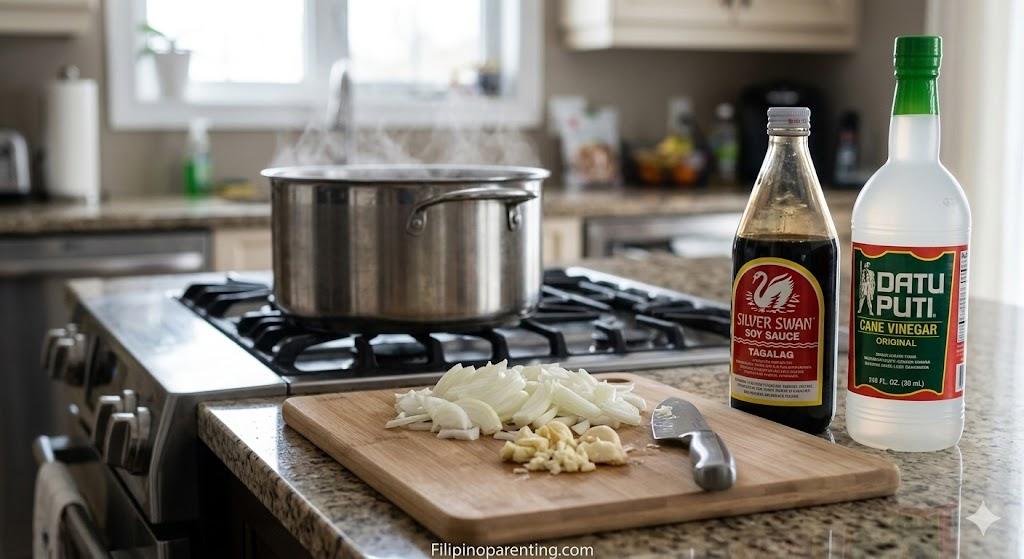
While imports can be expensive, you can save money by using local, in-season produce and maintaining a pantry of staples like soy sauce, vinegar, garlic, and rice.
What are some budget-friendly Filipino meals to cook in Ontario?
Dishes like Sinigang, Adobo, and Arroz Caldo are very cost-effective. In winter, you can make a budget Sinigang using pork ribs and Ontario greenhouse vegetables.
Can I grow Filipino vegetables in the Ontario climate?
Yes. Warm-season crops like talong and sitaw grow well in the summer. It is best to start them indoors during the spring to maximize the growing season.
How do I adjust my recipes for Canadian measurements?
Using a conversion chart is essential for switching between the metric system used in Canada and traditional measurements found in older family recipes.
Building a life in a new country involves many changes, but our love for Filipino family food Ontario remains a constant. Through careful planning, every meal becomes a celebration of our heritage.
A Legacy of Flavor and Resilience
Mastering the art of the kitchen in a new country is about more than just finding the right ingredients; it is about keeping the warmth of our heritage alive in every bite. While the seasons in the Great White North might change what we see at the local grocery store, our ability to adapt ensures that the “Pinoy taste” never fades. Every time we simmer a pot of sinigang or share a crispy tray of lumpia, we are telling our story of strength and togetherness.
As we navigate the transitions of Filipino family food Ontario planning—from starting seeds in the spring to cozying up with arroz caldo in the winter—we are teaching the younger generation that our culture is a source of constant nourishment. By practicing pakikisama at the dinner table and sharing our harvests with neighbors, we turn a simple meal into a powerful act of community.
We hope these tips help you fill your home with the scents of the Philippines and the joys of Canadian life. Together, we are building a future where our traditions don’t just survive—they flourish, one shared plate at a time.