Women’s clothing in Tagalog is commonly referred to as damit ng kababaihan or kasuotang pambabae. These terms are widely used in everyday conversations when talking about fashion, traditional attire, shopping, and daily wear in the Philippines.
From the iconic Baro’t Saya to modern dresses and blouses, women’s clothing in Tagalog reflects history, culture, and evolving style. Learning these terms is useful for understanding Filipino traditions, communicating clearly, and appreciating the beauty of Filipina fashion.
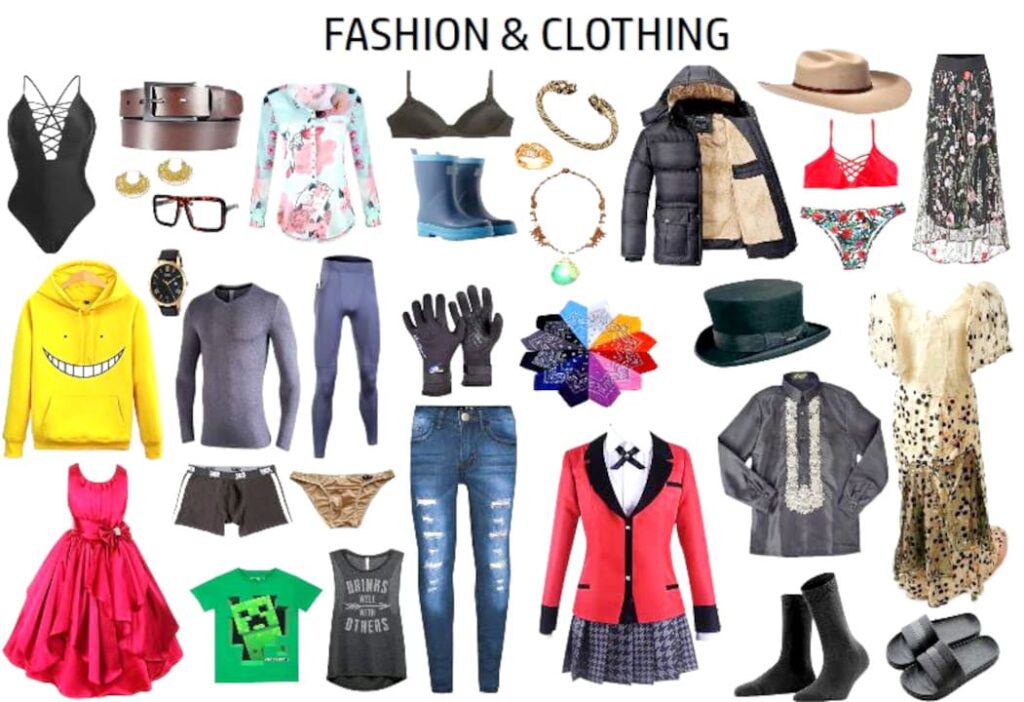
Table of Contents
What Is Women’s Clothing in Tagalog?
Women’s clothing in Tagalog refers to garments traditionally and commonly worn by women in the Philippines, ranging from everyday attire to formal and cultural clothing. The most recognized traditional form is Filipiniana, rooted in the historic Baro’t Saya ensemble.
The word damit is a noun meaning clothes, while kababaihan refers to women. Together, they describe clothing specifically designed or worn by women. These terms are neutral and used in both formal and informal contexts.
Quick Facts
- Category: Noun / Clothing
- Used For: Fashion, daily wear, traditional attire
- Common Context: Culture, events, shopping, education
- Related Root Word: Damit (clothes), Pananamit (attire)
Women’s Clothing in Tagalog Vocabulary Words
| # | English | Tagalog |
|---|---|---|
| 1 | Women’s clothing | Damit ng kababaihan |
| 2 | Clothing / attire | Pananamit |
| 3 | Filipino attire | Kasuotang Pilipino |
| 4 | Traditional women’s dress | Baro’t Saya |
| 5 | Blouse | Baro / Blusa |
| 6 | Skirt | Saya / Palda |
| 7 | Dress | Bestida |
| 8 | Shawl | Alampay |
| 9 | Overskirt | Tapis |
| 10 | Kerchief | Pañuelo |
| 11 | Filipiniana dress | Filipiniana |
| 12 | Formal dress | Gown |
| 13 | Sleeves | Manggas |
| 14 | Butterfly sleeves | Manggas-paruparo |
| 15 | Modern women’s wear | Makabagong kasuotan |
| 16 | Traditional attire | Tradisyonal na kasuotan |
| 17 | Fashion | Moda |
| 18 | Blouse and skirt | Baro at saya |
| 19 | Women’s barong | Barong pambabae |
| 20 | Cultural clothing | Kasuotang pangkultura |
How Is Women’s Clothing in Tagalog Used?
The term is commonly used when talking about fashion, tradition, and daily life.
1. Traditional and Cultural Use
Women’s clothing is used to describe traditional attire worn during festivals, weddings, and national events.
Examples:
- Suot niya ang tradisyonal na kasuotang Pilipino.
- Maganda ang baro’t saya niya.
These garments symbolize heritage and identity.
2. Everyday Clothing Conversations
The word is often used in shopping, daily wear, and casual talk.
Examples:
- Bumili siya ng bagong damit.
- Magaan ang damit niya.
It helps describe comfort and style.
3. Formal and Special Occasions
Women’s clothing is discussed when referring to gowns, Filipiniana, and event wear.
Used for elegance and presentation.
4. Education and Cultural Learning
Taught in schools and cultural discussions.
Helps preserve Filipino traditions.
5. Fashion and Modern Style
Used when describing trends and modern designs.
Connects tradition with creativity.
Importance and Practical Value of Women’s Clothing in Tagalog
Women’s clothing terms carry both cultural and everyday importance.
- Communication Benefit
Helps describe fashion and attire clearly. - Cultural Relevance
Preserves Filipino heritage and identity. - Learning Advantage
Essential vocabulary for Tagalog learners. - Practical Everyday Use
Used in shopping, events, and daily conversation. - Social or Emotional Impact
Represents beauty, confidence, and self-expression. - Professional or Academic Value
Useful in fashion, education, and cultural studies.
How to Use Women’s Clothing in Tagalog in Daily Life
Women’s clothing terms can be used naturally in conversation.
- Method 1: Describe outfits and styles
- Method 2: Talk about traditional clothing
- Method 3: Use while shopping
- Method 4: Discuss fashion trends
- Method 5: Learn Filipino culture and history
Commonly Used Example Phrases in Tagalog
- Women’s clothing is beautiful.
Maganda ang damit ng kababaihan. - She is wearing traditional clothing.
Suot niya ang tradisyonal na kasuotan. - The Filipiniana dress is elegant.
Elegante ang Filipiniana. - She wore a blouse and skirt.
Nagsuot siya ng baro at saya. - Women’s clothing reflects culture.
Ipinapakita ng kasuotan ang kultura. - Her dress is comfortable.
Komportable ang bestida niya. - Traditional clothing is worn during festivals.
Isinusuot ang tradisyonal na damit tuwing pista. - Women love stylish clothing.
Mahilig ang mga babae sa magarang damit. - The baro has butterfly sleeves.
May manggas-paruparo ang baro. - Filipino women’s clothing is unique.
Natatangi ang kasuotan ng mga Pilipina.
Frequently Asked Questions (FAQ)
1. What is women’s clothing in Tagalog?
Women’s clothing in Tagalog is damit ng kababaihan.
2. What does it mean in English?
It means clothing or attire worn by women.
3. Is it formal or informal?
It is neutral and used in both formal and informal settings.
4. When should you use the term?
Use it when talking about fashion, culture, or daily clothing.
5. How do you properly use it in a sentence?
Use it as a noun describing women’s attire or outfits.
Conclusion
Women’s clothing in Tagalog represents more than fashion—it reflects history, culture, and identity. From the traditional Baro’t Saya to modern Filipiniana designs, these garments showcase the elegance and creativity of Filipino women.
By learning women’s clothing vocabulary in Tagalog, you strengthen language skills while gaining deeper appreciation for Filipino culture and tradition. Every outfit tells a story—woven with heritage, beauty, and pride 🇵🇭👗✨