The Philippines may be known for its beaches and islands, but there is also something deeply nostalgic about visiting a zoo. Many Filipinos remember their first zoo trip as a childhood milestone—school field trips, weekend family outings, and the excitement of seeing animals that once lived only in storybooks. For many learners, zoo animals in Tagalog are among the first wildlife words they encounter in school.
Walking through zoo gates often means hearing children laugh, reading animal signs out loud, and watching creatures like the leon resting in the shade or the elepante moving slowly but powerfully across its enclosure. These moments become lasting memories that connect learning, language, and curiosity. Learning zoo animals in Tagalog brings those memories back while building useful Filipino vocabulary.
Because of this strong cultural connection, learning zoo animals in Tagalog is a meaningful way to understand how Filipinos describe wildlife and nature. Zoo animals are commonly referred to as mga hayop sa gubat, a phrase widely used in classrooms, books, and everyday conversation, even if not all zoo animals truly live in forests.
This guide presents zoo animals in Tagalog using clear categories, complete vocabulary tables, example sentences, and cultural context. Whether you are a parent teaching a child, a teacher preparing lessons, a traveler, or a Filipino language learner, this zoo animals in Tagalog guide will help you learn and use the words naturally.
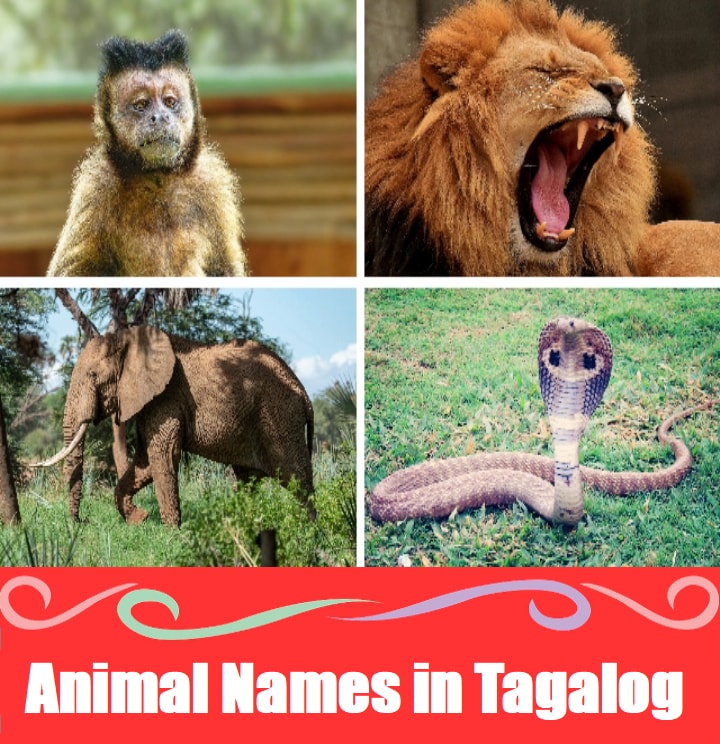
Table of Contents
Common Zoo Mammals in Tagalog
(Mga Karaniwang Hayop sa Zoo)
When studying zoo animals in Tagalog, mammals are usually the first group learners encounter. These zoo animals in Tagalog are large, easy to recognize, and commonly featured in Filipino children’s books, classroom charts, posters, and science lessons.
Learning these common zoo animals in Tagalog helps build foundational vocabulary while practicing pronunciation and basic sentence structure. Many mammal names are also used outside the zoo, making them practical words for everyday Filipino conversation.
Common Zoo Mammal Vocabulary
| Tagalog | English |
|---|---|
| Elepante | Elephant |
| Leon | Lion |
| Tigre | Tiger |
| Unggoy | Monkey |
| Gorilya | Gorilla |
| Oso | Bear |
| Lobo | Wolf |
| Soro | Fox |
| Usa | Deer |
| Buwaya | Crocodile |
| Dyirap | Giraffe |
| Kanggaro | Kangaroo |
| Sebra | Zebra |
| Panda | Panda |
| Kamelyo | Camel |
| Hipopotamo | Hippopotamus |
Example Sentences
Ang dyirap ay may napakahabang leeg.
The giraffe has a very long neck.
Ang elepante ay may mahabang nguso.
The elephant has a long trunk.
Ang leon ay tinatawag na hari ng kagubatan.
The lion is called the king of the jungle.
Ang unggoy ay mahilig umakyat sa puno.
The monkey likes climbing trees.
Mastering these mammals strengthens your understanding of zoo animals in Tagalog, especially the words most commonly used in classrooms, children’s storybooks, educational posters, and real zoo visits. These familiar animals often become a learner’s first connection between language and visual memory, helping vocabulary stick more naturally. As you recognize these zoo animals in Tagalog, you begin to describe size, movement, and behavior with greater confidence, making Filipino conversations about nature, learning, and childhood experiences feel more natural and meaningful.
Reptiles and Amphibians in Tagalog
(Mga Reptilya at Ampibyo sa Zoo)
Reptiles and amphibians are an exciting category within zoo animals in Tagalog. These animals are usually found in reptile houses and are used in lessons about movement, adaptation, and survival.
Learning reptile and amphibian zoo animals in Tagalog helps learners describe crawling, slithering, and color-changing behaviors in more detail.
Reptiles and Amphibians Vocabulary
| Tagalog | English |
|---|---|
| Ahas | Snake |
| Kobra | Cobra |
| Sawa | Python |
| Pagong | Turtle / Tortoise |
| Hunyango | Chameleon |
| Butiki | Lizard |
| Tuko | Gecko |
| Bayawak | Monitor Lizard |
| Palaka | Frog |
Example Sentences
Ang pagong ay mabagal maglakad.
The turtle walks slowly.
Ang ahas ay gumagapang sa lupa.
The snake crawls on the ground.
Ang hunyango ay nag-iiba ng kulay.
The chameleon changes color.
These animals expand your knowledge of zoo animals in Tagalog beyond familiar mammals, introducing a wider range of creatures that move, survive, and adapt in different ways. By learning these zoo animals in Tagalog, you gain the language needed to describe crawling, slithering, swimming, and changing behaviors, which deepens your understanding of wildlife and strengthens your ability to form more detailed and natural Filipino sentences used in education, storytelling, and real zoo experiences.
Birds You’ll See at the Zoo
(Mga Ibon sa Zoo)
Birds are an essential part of zoo animals in Tagalog. Zoos often have aviaries where visitors can observe birds flying, perching, and interacting.
Learning bird-related zoo animals in Tagalog helps learners describe wings, feathers, sounds, and movement.
Zoo Bird Vocabulary
| Tagalog | English |
|---|---|
| Agila | Eagle |
| Loro | Parrot |
| Plaminggo | Flamingo |
| Pingguwin | Penguin |
| Tagak | Heron |
| Kuwago | Owl |
Example Sentences
Ang penguin ay hindi lumilipad.
The penguin does not fly.
Ang agila ay may malalakas na pakpak.
The eagle has strong wings.
Ang loro ay marunong magsalita.
The parrot can talk.
Adding birds makes your zoo animals in Tagalog vocabulary more complete, colorful, and engaging, allowing learners to describe animals that fly, perch, and communicate through sound. These zoo animals in Tagalog introduce useful words related to wings, feathers, movement, and behavior, which are commonly used in classroom lessons, storybooks, and zoo visits. Learning bird names also helps build richer sentences and creates a more well-rounded understanding of wildlife in the Filipino language.
Marine Animals in Zoo Aquariums
(Mga Hayop sa Aquarium)
Many modern zoos include aquariums, which means marine life is also part of zoo animals in Tagalog. These animals help learners connect zoo vocabulary with ocean life.
Aquarium Animal Vocabulary
| Tagalog | English |
|---|---|
| Dolpin | Dolphin |
| Balyena | Whale |
| Pating | Shark |
| Pugita | Octopus |
| Pusit | Squid |
Example Sentences
Ang pating ay may matatalas na ngipin.
The shark has sharp teeth.
Ang dolpin ay matalino at palakaibigan.
The dolphin is intelligent and friendly.
Ang balyena ay napakalaking hayop sa dagat.
The whale is very large.
Including aquariums broadens your understanding of zoo animals in Tagalog by introducing marine life that lives beyond land habitats and into the underwater world. These zoo animals in Tagalog help learners describe swimming, ocean environments, and aquatic behavior, expanding vocabulary across both land and water. Aquarium animals are often featured in schools, documentaries, and zoo visits, making them an important and engaging part of building a complete Filipino wildlife vocabulary.
Common Zoo Places and Features in Tagalog
(Mga Bahagi ng Zoo)
To fully understand zoo animals in Tagalog, learners should also know common zoo locations and facilities. These words help describe zoo visits more naturally.
Zoo Vocabulary
| Tagalog | English |
|---|---|
| Zoo / Parke ng mga Hayop | Zoo |
| Hawla | Cage |
| Kulungan | Enclosure |
| Tagapag-alaga ng zoo | Zookeeper |
| Pakain | Animal feed |
| Palatandaan | Signage |
| Aviary | Bird enclosure |
| Aquarium | Aquarium |
| Tindahan ng subenir | Gift shop |
| Palikuran | Restroom |
Example Sentences
Ang tagapag-alaga ng zoo ay nagbibigay ng pakain.
The zookeeper gives food.
Ang mga hayop ay nasa ligtas na kulungan.
The animals are in safe enclosures.
These words support clearer and more natural conversations about zoo animals in Tagalog, allowing learners to describe animals, enclosures, and zoo experiences with confidence. By understanding these terms, you can talk about where animals live, how they are cared for, and what you see during a zoo visit, making your Tagalog communication more detailed, accurate, and meaningful.
Why Learn Zoo Animals in Tagalog?
Learning zoo animals in Tagalog is useful because these words appear in:
- Filipino children’s books
- Science and nature lessons
- School field trips
- Storytelling and fables
- Everyday conversation
Because zoo animals are visually memorable, zoo animals in Tagalog make it easier for learners to practice describing size, color, behavior, and habitat using clear and concrete examples. These familiar animals help strengthen sentence structure, improve descriptive language skills, and build confidence in forming natural Tagalog sentences that can be used both in learning environments and everyday conversation.
Frequently Asked Questions
What are zoo animals called in Tagalog?
Zoo animals in Tagalog are commonly called mga hayop sa gubat.
What is giraffe in Tagalog?
Giraffe in Tagalog is dyirap.
What is crocodile in Tagalog?
Crocodile in Tagalog is buwaya.
What is elephant in Tagalog?
Elephant in Tagalog is elepante.
What is lion in Tagalog?
Lion in Tagalog is leon.
What is zoo in Tagalog?
Zoo in Tagalog is zoo or parke ng mga hayop.
Conclusion
Learning zoo animals in Tagalog is more than simply memorizing vocabulary—it reconnects language with childhood memories, early education, and the tradition of storytelling that many Filipinos grow up with. Each word brings a clear and familiar image to mind: the towering dyirap stretching its long neck above the trees, the quiet leon resting calmly in the shade, or the playful unggoy swinging from branch to branch as children watch in delight.
Practicing zoo animals in Tagalog through organized tables and real example sentences turns language learning into an experience rather than a task. It feels like taking a slow walk through the zoo—reading signs, asking questions, and discovering something new at every corner. These words are often first learned during school trips, family outings, or simple conversations, making them easy to remember and emotionally meaningful.
As you continue using zoo animals in Tagalog, the vocabulary becomes natural and familiar, woven into everyday Filipino expression. Learning this way doesn’t just build language skills—it brings back the joy, curiosity, and sense of wonder that make zoo visits such a fun and memorable experience.