If you’re learning Tagalog, planning your first (or next) scuba or snorkeling trip in the Philippines, or simply want to talk about ocean exploration like a local, the word for Dive in Tagalog is sumisid (pronounced soo-mee-SEED, with stress on the second syllable). This is the standard Tagalog verb for diving—whether freediving, scuba diving, or snorkeling. In casual beach talk and dive shops, you’ll also hear dive borrowed directly (“mag-dive tayo!”), but sumisid is the authentic, everyday word used by Filipinos everywhere from Anilao to Tubbataha.
The Philippines is a world-class diving paradise, with over 2,000 dive sites, crystal-clear waters, and some of the highest marine biodiversity on Earth. This guide covers everything you need to know about Dive in Tagalog: pronunciation, diving culture, 12 practical example sentences, and related vocabulary—so you can confidently talk about your underwater journey.
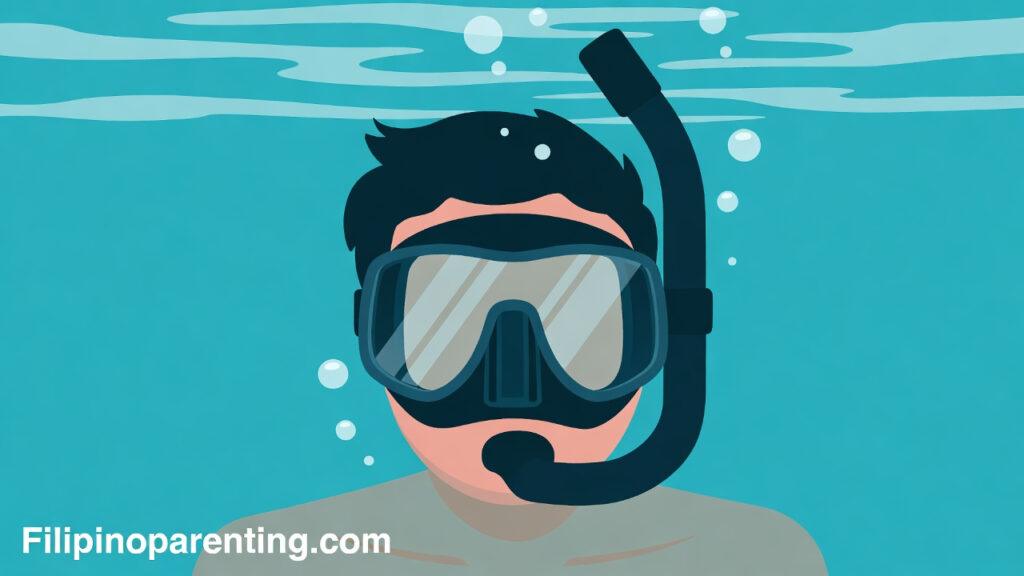
Table of Contents
What Is “Dive in Tagalog”? Pronunciation and Basics
Sumisid is the core Tagalog verb meaning “to dive” or “to go underwater.” It covers:
- Scuba diving → sumisid gamit ang scuba or simply mag-scuba dive
- Freediving → sumisid nang walang tangke (without tank)
- Snorkeling → mag-snorkel or sumisid gamit ang snorkel
Pronunciation is soo-mee-SEED—say it smoothly with emphasis on “seed.” In everyday speech, especially among younger learners and tourists, you’ll hear the English “dive” mixed in: “Tara, mag-dive tayo sa Anilao!” (Come on, let’s dive in Anilao!).
The Philippines boasts some of the world’s best spots to Dive in Tagalog regions: Tubbataha Reefs, Apo Reef, Anilao, Moalboal, Coron wrecks, and Malapascua. Diving here means encountering vibrant koral, sea turtles, reef sharks, and macro life like pygmy seahorses.
Fascinating Facts About Diving (Sumisid) in the Philippines
The country is part of the Coral Triangle—the global epicenter of marine biodiversity—with more than 500 coral species and over 3,000 fish species. Tubbataha Reefs Natural Park is a UNESCO World Heritage Site and one of the top 10 dive destinations on Earth. To learn more about global reef conservation, visit the Coral Reef Alliance.
Popular styles to Dive in Tagalog waters include muck diving (Anilao for critters), wreck diving (Coron), wall diving (Puerto Galera), and pelagic encounters with pating. The best seasons are December to May (dry season), but diving is year-round. You can check current conditions via PADI to plan your trip.
How to Use “Sumisid” in Everyday Tagalog: 12 Example Sentences
Here are 12 practical sentences featuring Dive in Tagalog and related terms, with Tagalog first followed by English translation.
- Gusto kong sumisid sa Tubbataha Reef ngayong taon. (I want to dive in Tubbataha Reef this year.)
- Magkano ang bayad sa sumisid sa Anilao? (How much is the diving fee in Anilao?)
- Paano maghanda bago sumisid nang malalim? (How do you prepare before a deep dive?)
- Nakakita ako ng pagong-dagat habang sumisid sa Apo Island. (I saw a sea turtle while diving at Apo Island.)
- Mas maganda ang visibility kapag sumisid sa umaga. (Visibility is better when diving in the morning.)
- Huwag kalimutan ang dive computer kapag sumisid. (Don’t forget your dive computer when diving.)
- Sa Malapascua, sikat ang sumisid kasama ang thresher shark. (In Malapascua, diving with thresher sharks is famous.)
- Ang first-time diver ay dapat sumisid muna sa shallow area. (First-time learners should dive in shallow areas first.)
- Nakakatuwa ang macro diving sa Puerto Galera. (Macro diving in Puerto Galera is exciting.)
- Mag-ingat sa current kapag sumisid sa drift site. (Be careful with currents when diving at drift sites.)
- Sumisid kami sa 30 meters kahapon—sobrang ganda! (We dove to 30 meters yesterday—it was so beautiful!)
- Gusto kong matuto ng technical diving sa susunod na taon. (I want to learn technical diving next year.)
Practice these aloud—they’ll help you sound natural when talking to dive masters, boat crews, or fellow travelers!
Sumisid in Filipino Diving Culture and Tourism
Diving is huge in the Philippines—Anilao is called the “Muck Diving Capital of the World,” Coron is wreck-diving heaven, and Tubbataha is every diver’s bucket-list destination. Dive shops and resorts use a mix of English and Tagalog: “Ready to sumisid?” or “Check your regulator bago sumisid.”
Safety is always the priority. Local dive centers teach buoyancy control, “no touching coral,” and the buddy system. This respect for the bahura is part of the local culture. Community-managed sanctuaries show how responsible diving benefits both nature and the people.
Related Tagalog Vocabulary for Diving
Expand your marine terms:
- Dive = sumisid
- Scuba diving = sumisid gamit ang tangke
- Freediving = sumisid nang walang tangke
- Snorkeling = mag-snorkel
- Reef = bahura
- Fins = pampatapi
Try: “Mag-sumisid tayo sa bahura bukas!” (Let’s dive the reef tomorrow!)
FAQ About Sumisid in Tagalog
What is the Tagalog word for dive?
Sumisid is the standard verb for diving.
How do you pronounce sumisid?
Soo-mee-SEED (stress on “seed”).
What is the best time to sumisid in the Philippines?
December to May (dry season) offers the best visibility and calm seas.
Where are the best places to sumisid?
Tubbataha Reefs, Apo Reef, Anilao, Coron, and Malapascua.
Do I need certification to sumisid?
For scuba—yes (PADI Open Water or equivalent); for snorkeling—no.
How do I say “I want to dive” in Tagalog?
“Gusto kong sumisid” or “Gusto kong mag-dive.”
Conclusion: Start Using “Sumisid” Today
Sumisid is more than a verb—it’s your key to unlocking unforgettable underwater adventures and connecting with locals in one of the world’s best destinations. From drifting over coral gardens to hovering beside marine life, every Dive in Tagalog region is a story waiting to be told.
Next time you gear up or spot a colorful reef from the boat, say “Sumisid na tayo!” and jump in. Learning the language through the ocean makes it thrilling and practical. Keep practicing, dive safe, and respect our reefs. Salamat for reading—happy bubbling!