Anchovy in Tagalog is a term every home cook and language learner should have in their back pocket. If you’re learning Tagalog, cooking Filipino food, or browsing Asian markets, dilis is a key word to know. The Tagalog term for anchovy is dilis (pronounced dee-LEES, with stress on the second syllable). These small, silvery fish are a beloved ingredient in Philippine kitchens—often dried, fried crispy, or used fresh in simple, flavorful dishes.
Affordable, nutritious, and packed with umami, dilis is a true everyday hero that appears in breakfast plates, snacks, and even as a flavor booster in stews. This blog post covers pronunciation, cultural role, popular uses, real-life example sentences, and more to help you incorporate dilis into your Tagalog vocabulary and meals.
Table of Contents
What Is Anchovy in Tagalog? Pronunciation and Basics
Dilis is the most common and authentic Tagalog word for anchovy (scientific family: Engraulidae). It refers to small schooling fish, typically 5–15 cm long, with a strong, salty flavor when dried or fermented. Fresh dilis are mild and silvery, while dried versions (common in markets) are intensely savory.
In the Philippines, dilis is abundant in coastal waters and widely farmed or caught year-round. It’s high in protein, calcium (especially when eaten whole), and omega-3s—making it a budget-friendly superfood for families. Other regional or specific names exist (like bolinao for certain types or lagunlong), but dilis is the go-to term nationwide.
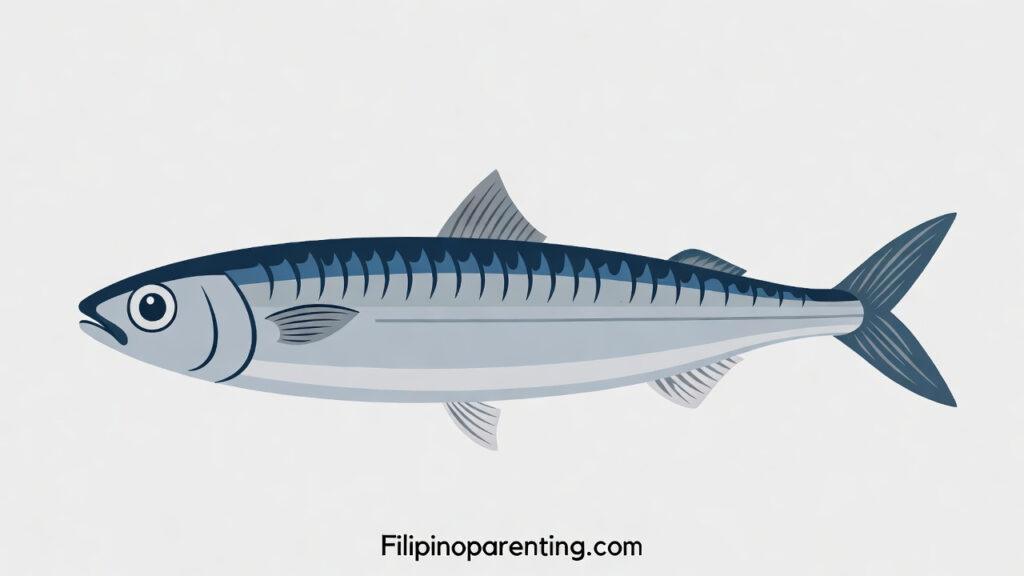
Fascinating Facts About Dilis in the Philippines
Dilis schools in huge numbers, making them easy to catch and inexpensive. Dried dilis is a pantry staple, lasting months and adding depth to many dishes. It’s a key ingredient in bagoong (fermented fish paste/shrimp paste variations), though pure dilis bagoong is less common than alamang.
Nutritionally, eating whole dilis provides calcium from the bones—perfect for beginners or those needing bone support. In some areas, fresh dilis is fried whole as a crispy snack, bones and all! Understanding these cultural staples is just as important as knowing beautiful Tagalog words for your daily life.
How to Use “Dilis” in Everyday Tagalog Conversations
Master Anchovy in Tagalog with these 12 practical sentences. Tagalog first, English translation second—ideal for market shopping, cooking chats, or meals.
- Ang dilis ay mura at masustansya. (Anchovies are cheap and nutritious.)
- Pritong dilis ang ulam namin ngayong umaga. (Fried anchovies are our dish this morning.)
- Bumili ako ng tuyong dilis sa palengke. (I bought dried anchovies at the market.)
- Masarap ang sweet and spicy dilis bilang pulutan. (Sweet and spicy anchovies are delicious as a beer snack.)
- Paano magluto ng kinamatisang dilis? (How do you cook tomato-stewed anchovies?)
- May dilis ba kayo na sariwa? (Do you have fresh anchovies?)
- Ang dilis ay ginagamit sa paghahanda ng bagoong. (Anchovies are used in making fermented fish paste.)
- Gusto ko ng dilisilog para sa almusal. (I want anchovy silog for breakfast.)
- Paborito ko ang crispy fried dilis na may suka. (My favorite is crispy fried anchovies with vinegar.)
- Huwag mong kalimutan ang bawang sa pritong dilis. (Don’t forget the garlic in fried anchovies.)
- Nakakain ako ng maraming dilis noong bata pa ako. (I ate a lot of anchovies when I was young.)
- Nagprito kami ng dilis para sa meryenda. (We fried anchovies for snack time.)
Practice these aloud—they’ll help you sound natural when talking to vendors or family! To learn more about the scientific classification of these fish, you can check out the World Register of Marine Species for detailed biological data.
Dilis in Filipino Cuisine: Popular Recipes and Traditions
Dilis shines in humble, delicious dishes:
- Pritong Dilis — Deep-fried dried anchovies until crispy, served with rice, vinegar in Tagalog dip, and garlic.
- Dilisilog — Fried dilis with sinangag (garlic fried rice) and itlog (egg), a popular type of silog.
- Kinamatisang Dilis — Stewed in tomatoes, onions, and garlic for a tangy, saucy ulam.
- Sweet and Spicy Dilis — Coated in sugar-chili syrup and fried—an irresistible appetizer.
- Ginataang Dilis — Simmered in coconut milk in Tagalog for creamy richness.
Dried dilis adds umami to vegetable dishes. In markets, vendors sell piles of fresh or dried dilis—shout “Dilis! Sariwa!” and you’ll fit right in. It’s a budget hero during lean times. For those interested in the nutritional profile of small oily fish, the Healthline guide on anchovies offers great insights.
Related Tagalog Vocabulary for Small Fish and Seafood
Build your seafood terms alongside Anchovy in Tagalog:
- Small fish = maliit na isda
- Dried = tuyo or pinatuyo
- Fry = prito
- Vinegar dip = sawsawan na suka
Try saying: “May dilis at alamang sa kusina.” (There are anchovies and shrimp paste in the kitchen.)
FAQ About Dilis in Tagalog
What is the Tagalog word for anchovy?
Dilis is the standard and most widely used term.
How do you pronounce dilis?
Dee-LEES (stress on “lees”).
Is dilis the same as bagoong?
No—dilis is the fish; bagoong is fermented paste (often from dilis or shrimp).
How to fry dilis without it burning?
Use medium-high heat, fry dried ones quickly (1-2 minutes), and drain on paper towels.
Is dilis healthy?
Yes—high protein, calcium from bones, and omega-3s.
Conclusion
Dilis may be small, but it’s mighty in flavor, nutrition, and cultural importance. From crispy fried breakfasts to sweet-spicy snacks, it proves simple ingredients create big tastes in Filipino cuisine. With these 12 example sentences, you’re ready to use the term for Anchovy in Tagalog confidently—at the market, in recipes, or chatting with locals.
Next time you spot dilis (fresh or dried), grab some and try a recipe. Say “Dilis!” with pride and enjoy the crunch and savor. Learning Tagalog through everyday foods like this is rewarding and delicious. Salamat for reading—happy cooking and happy practicing!